REVIEW · ARUBA
Small-Group Aruba Scuba Diving for Non-Certified Divers
Book on Viator →Operated by Pure Diving Aruba · Bookable on Viator
First time underwater should feel controlled. This Aruba experience pairs a max-four group with a 30-minute theory and shallow-skills setup, so you get oriented fast and then start exploring the reef with confidence. You learn the basics on land, gear up, practice in calm water, and then go down to a deeper section if you’re comfortable.
One big consideration: before you book, take the medical questionnaire seriously. If your answers trigger restrictions, you may not be able to participate, so it’s smart to check it early and bring any written permission your doctor requires.
In This Review
- Key things that make this Aruba scuba try-out work
- First scuba skills without certification pressure
- The 2pm schedule and the Tres Trapi meeting point
- Small-group attention: up to four people, with extra instructor time
- What you get in your kit: comfort starts with the right setup
- Shore-based underwater time at Tres Trapi or Mangel Halto
- How the training flows: theory, shallow practice, then deeper water
- The real value: learning to feel safe and in control
- Price and value: $114 is reasonable if you count the included gear and support
- Day-of rules that affect your plans after the water
- Who should book this, and who should think twice
- My call: should you book this Aruba scuba try-out?
- FAQ
- Do I need scuba certification to participate?
- How long is the experience, and when does it start?
- Where does it start, and do I return there?
- What equipment is included?
- Where will the underwater session take place?
- Is pickup included?
- Are there medical or age requirements?
Key things that make this Aruba scuba try-out work
- Small-group size (maximum four) means you get real attention, not a crowd vibe
- 30 minutes of briefing before you touch the equipment
- Gear included (BCD, regulator, weights, tank, mask, fins), with optional use of your own mask/fins
- Shore-based sites at Tres Trapi or Mangel Halto, with shallow practice first
- Tight instructor support for first-timers, keeping the pace calm and controlled
- Plan for no flying for 18 hours after your underwater session
First scuba skills without certification pressure
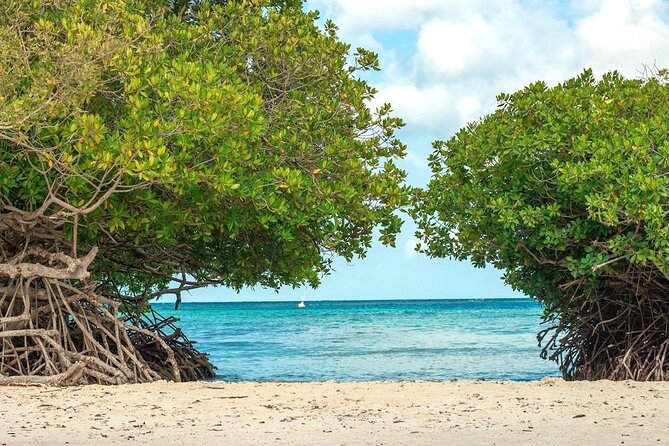
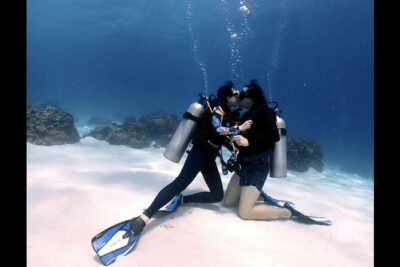
If the thought of getting underwater feels like a lot, this format is built to shrink that fear. You’re not thrown in cold. You start with a clear theory and skills briefing, then you gear up, then you practice basics in the shallows so your body understands what to do before the water gets deeper.
I also like how the training aims for comfort, not just completion. The coaching style shows up in real-life examples like an instructor staying close to a nervous student through deeper water, and another instructor spending extra time until the process felt natural. That matters because the first underwater moment is part technique, part confidence.
The practical takeaway for you: if you want the thrill of seeing reef life without having already mastered scuba basics, this is the most straightforward “try it” path.
You can also read our reviews of more tours and experiences in Aruba.
The 2pm schedule and the Tres Trapi meeting point
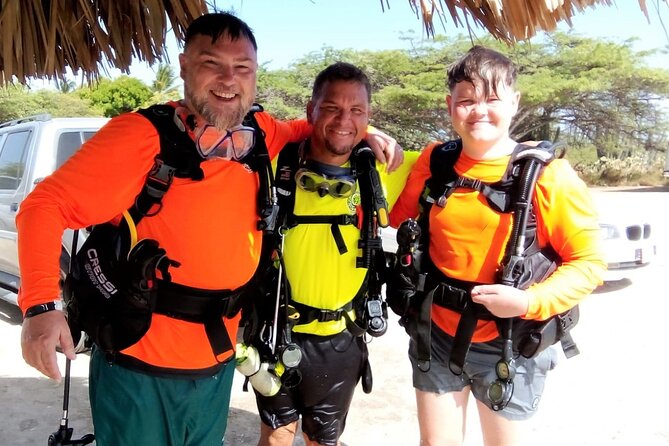
This is an afternoon activity, starting at 2:00 pm and running about two hours total. The day is structured in a way that’s easy to fit into your Aruba schedule: you’ll get the main briefing up front, then the equipment, then water time.
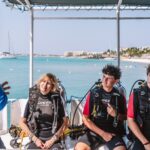
You meet at Tres Trapi Beach, L. G. Smith Boulevard 105, Noord, Aruba. Even though the activity starts there, the actual underwater site can be Tres Trapi or Mangel Halto. So the practical mindset is: arrive at the start point ready to move, and trust that the team will match the conditions and plan to your group.
One reason this timing works well: you’re not losing your whole morning. If you’re doing other things in Aruba like beach time, shopping, or a sunset dinner, this keeps your day intact.
Small-group attention: up to four people, with extra instructor time
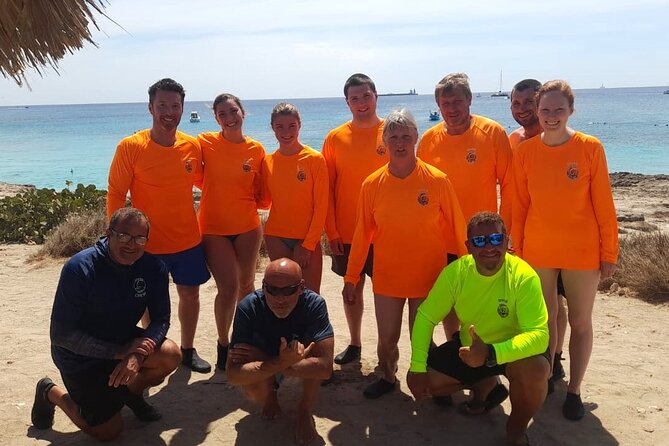
The maximum group size is four travelers, and for non-certified students the guidance ratio is described as max two students per instructor. That’s a big deal. In real terms, it means you can ask questions, get corrected quickly, and stay calm while you learn the basics.
I love this setup for first-timers because most problems underwater come from tiny misunderstandings—like how you clear your mask, how you keep breathing steadily, or how you equalize your ears. When instructors can focus on two people at a time, corrections happen fast, and you waste less time second-guessing yourself.
The feedback pattern also points to patience as the real star. Names that come up include Alonzo, Alonso, Alvaro, Steve, Jay, and Michel. The common thread is clear coaching plus hands-on checks throughout the early stages, especially for students who are nervous at the start or need extra help learning the process underwater.
What you get in your kit: comfort starts with the right setup
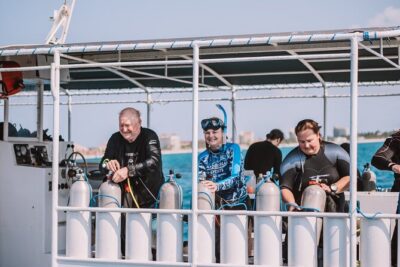
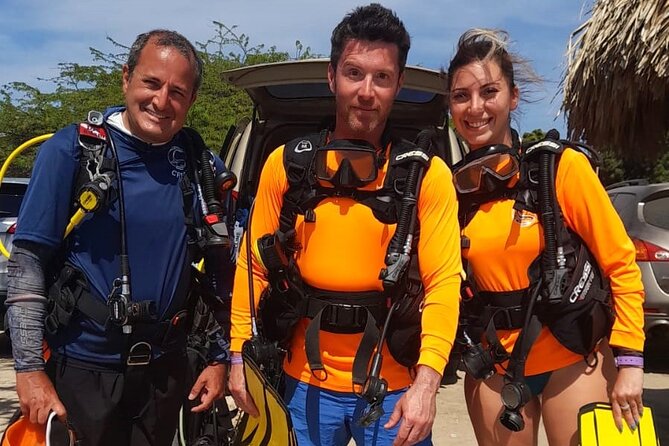
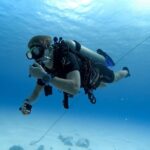
Your equipment is included, and that removes a lot of friction from planning your day. You’ll be issued a BCD, regulator, weights, tank, mask, and fins.
You also have an option that I think is smart: you can bring and use your own mask and fins if you prefer. For a first underwater experience, fit matters. A mask that seals correctly helps you focus on breathing and movement instead of constantly adjusting. Fins you already know how to use also make it easier to feel in control.
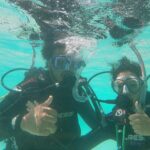
A helpful detail from the coaching stories: students are taught techniques like clearing the mask and keeping breathing continuously, and instructors stay on top of checks as you gain comfort. That’s exactly what you want early on—clear, repeatable steps you can follow without panic.
Shore-based underwater time at Tres Trapi or Mangel Halto
The experience is conducted from shore, which changes the whole feel compared to boat-based trips. Shore access often means less waiting, less scheduling stress, and a calmer entry into the water.
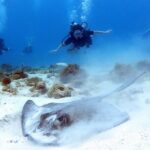
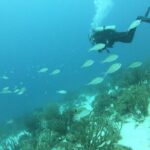
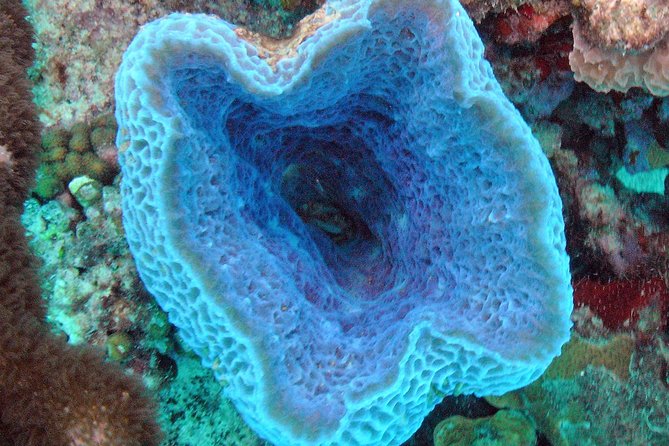
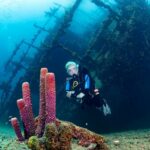
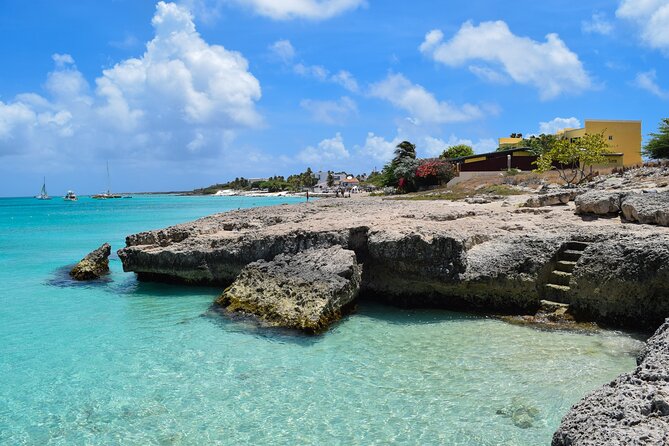
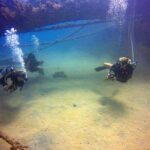
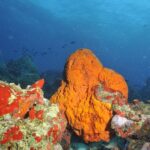
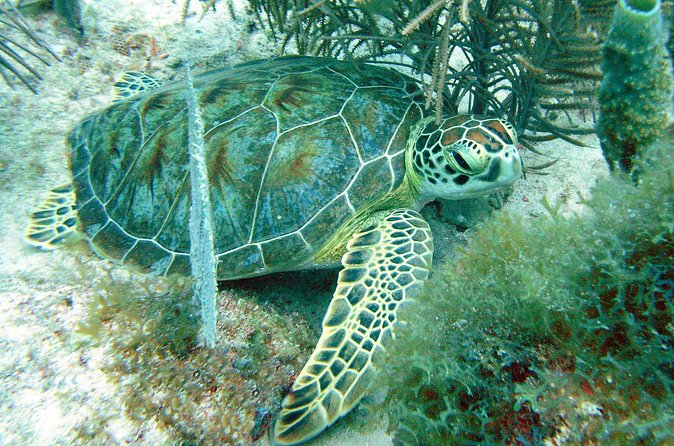
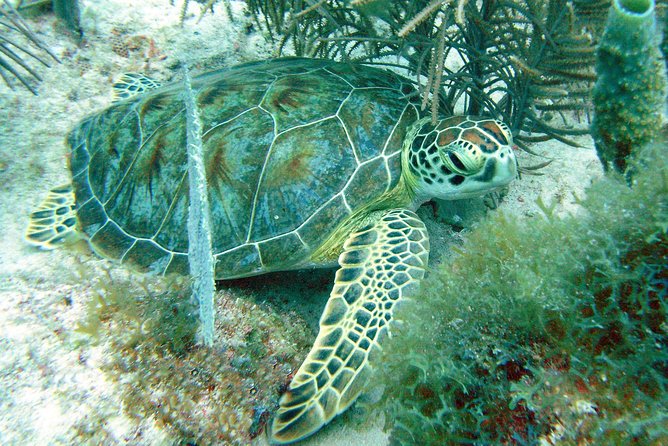
The underwater site will be at either Tres Trapi or Mangel Halto. Tres Trapi specifically is described as a strong option for beginners because of calm conditions and a good chance of seeing reef life. In multiple accounts, the marine highlights include things like sea turtles, eels, flying fish, puffer, angel fish, octopuses, and coral areas described like a wall of coral.
Do expect marine life variety more than big “big-ticket” spectacle. This is a beginner-friendly reef experience, not a deep-water adventure. Even so, the animal sightings can feel personal because you’re close enough to notice them without needing advanced skills.
Also note that conditions can affect visibility. One example mentions murkier water due to weather, but the overall experience stayed positive. Translation: choose this if you’re excited to learn and see what you can in the moment, and don’t assume every session looks like a postcard.
How the training flows: theory, shallow practice, then deeper water
This program is set up like a on-ramp. First comes the briefing, which takes about 30 minutes. Then you get your gear. After that, you head into shallow water to practice skills until you feel comfortable.
Only if you’re doing well do you go to the deeper part to see more of the underwater world. That sequence matters for two reasons:
- Your body learns buoyancy control and breathing rhythm in a place where you can recover easily.
- Your confidence builds step-by-step, instead of forcing it.
Timing in the water varies by air consumption and how comfortable you feel. A guide response indicates that non-certified students typically spend around 45 minutes in the water, then the session ends based on air management and safety rules. That’s useful to know because it sets expectations: the learning part is the focus, and the underwater time is meaningful but not endless.
The real value: learning to feel safe and in control
Scuba is exciting, but it’s also demanding—so safety and health screening aren’t optional. The program clearly states that you must not be extremely overweight or out of condition, and your respiratory and circulatory systems need to be healthy. It also warns that people with heart problems, or those under the influence of alcohol or drugs, should not participate. If you take medication, you should consult your doctor beforehand.
And yes, the medical questionnaire is a practical checkpoint. One person couldn’t participate due to medical answers, and the lesson here is simple: don’t wait until the last minute. Look up the PADI Discover Scuba Diving / SDI Discovery Dive medical questionnaire early and follow the guidance.
If you’re anxious, this kind of structured coaching helps more than you might expect. Several accounts highlight instructors keeping constant checks, staying close to nervous students, and explaining the underwater process until it clicked. For many people, that shift—from fear to understanding—is what turns a first try into a memory they want to repeat.
Price and value: $114 is reasonable if you count the included gear and support
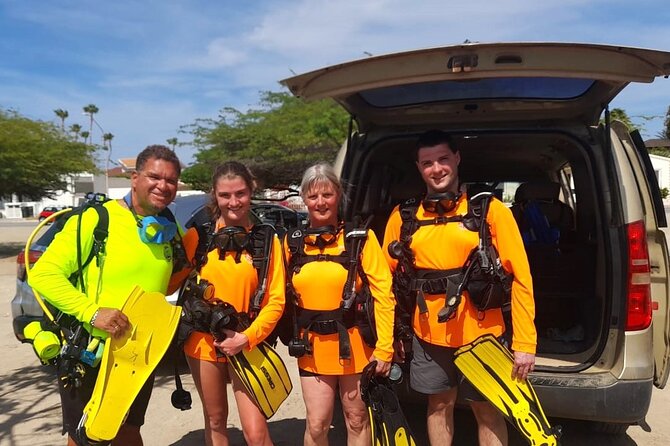
The price is $114.00 per person, for an experience that includes pickup (for select hotels and a cruise terminal), plus full equipment. That’s the kind of pricing that makes sense for first-timers because you’re not dealing with rental hassles or figuring out how to coordinate gear.
What makes it feel like value is the combination of:
- Instructor attention from a small group
- All core scuba equipment included
- A training-first approach instead of a simple “get in and hope” format
Then there’s one extra fee to plan for: a BBO Fee of $7.00 per person is not included. So your real budget is $114 plus the BBO fee.
One more money-sense point: this session is often a “gateway” experience. Multiple accounts say it inspired people to want more, including getting certified. If you think you might want to continue, this try-out can be the expensive part of learning what you like, then the next step can be training toward certification with a clearer sense of fit.
Day-of rules that affect your plans after the water
Two practical rules can impact your schedule after your underwater session.
First, after your underwater session you’re not allowed to fly for at least 18 hours. If your trip includes a flight the same day, this is where you need to reorganize. Build in a buffer so you’re not stuck changing plans last minute.
Second, the session requires good weather. If weather cancels the experience, you’ll be offered a different date or a full refund. That’s typical for shore-based underwater activities, and it’s worth accepting as part of the deal.
Who should book this, and who should think twice
This experience is designed for non-certified students, including people trying it for the first time. The minimum age is 10 years, which makes it potentially workable for older kids and teens—especially if they can follow instructions and handle the medical screening.
It’s a great fit if you:
- want a guided first-time underwater experience without certification
- prefer a small group and close coaching
- are excited by marine life sightings like turtles, eels, and colorful reef fish
- want a training-first structure (briefing → gear → shallow practice → deeper section)
Think twice if:
- your medical questionnaire suggests restrictions for your situation and you’re not ready to bring required permission
- you have health concerns like the listed heart issues (check the medical guidance)
- you can’t move your schedule because of the no-flying 18 hours rule
My call: should you book this Aruba scuba try-out?
Yes, you should book this if you want a beginner-friendly, small-group way to experience Aruba’s underwater life with real coaching time. The structure is sensible: theory first, then shallow skills, then deeper water only when you’re ready. That reduces panic and increases learning.
Skip or delay booking if you haven’t checked the medical questionnaire. It’s the one thing that can turn the day into a disappointment, and it’s preventable with planning. Also make sure your schedule can handle the 18-hour no-fly window.
If you’re coming to Aruba for beach time and want one memorable active experience that doesn’t require weeks of prep, this is a solid choice.
FAQ
Do I need scuba certification to participate?
No. This is a discovery-style scuba session built specifically for non-certified students, with instruction, equipment setup, and skills practice before you go to deeper water if you’re comfortable.
How long is the experience, and when does it start?
It starts at 2:00 pm and runs for about 2 hours total.
Where does it start, and do I return there?
You meet at Tres Trapi Beach on L. G. Smith Boulevard 105, Noord, Aruba, and the activity ends back at the same meeting point.
What equipment is included?
Included equipment is a BCD, regulator, weights, tank, mask, and fins. You may also use your own mask and fins if you prefer.
Where will the underwater session take place?
The underwater part will be at either Tres Trapi or Mangel Halto.
Is pickup included?
Yes, pickup is included from Palm/Eagle resorts, Harbor House, Renaissance resorts, and the cruise terminal pickup at the Citgo petrol station opposite the cruise terminal exit.
Are there medical or age requirements?
The minimum age is 10. You must complete the PADI Discover Scuba Diving / SDI Discovery Dive medical questionnaire before booking and consult your doctor. If your situation requires it, bring written permission. After the session, you’re not allowed to fly for at least 18 hours.