REVIEW · ARUBA
Guided Padi Discover Scuba Diving for Non-Certified Divers
Book on Viator →Operated by Aruba Bob Snorkeling & Scuba · Bookable on Viator
Your first underwater lesson can feel like magic. Aruba Bob’s Discover Scuba (DSD) is built for beginners, with certified scuba instructors guiding you step-by-step—from gear setup to an easygoing intro session off Aruba’s coast. I like that you also get local context from guides who know the Caribbean seascape like family.
My two favorite parts: the patient teaching style. Instructors like Mark, Coco, Jeff, and Martina (and others including Lui, Louis, and Quinton) don’t rush you. Second, I love the training flow: you start in shallower water first, then go deeper as you feel ready, which makes the whole experience far less intimidating.
One thing to plan around: it’s typically advised not to fly the same day after your session. They recommend waiting at least 12 to 24 hours, depending on how long and how deep you went, to reduce the risk of decompression sickness.
In This Review
- Key highlights worth knowing before you go
- Aruba Bob’s intro scuba: what you’re really buying
- Meeting point and timing: easy to fit into your day
- The DSD-style orientation: how they set you up for success
- Gear and equipment use: you don’t handle the hard part alone
- Shallow water practice: where nerves turn into control
- The underwater portion: marine life, calm control, and a possible shipwreck
- The guides: why names like Mark and Coco come up so often
- Price and value: is $120 a good deal?
- Who this is best for (and who should reconsider)
- Simple planning tips that make the day better
- Should you book Aruba Bob’s Discover Scuba for non-certified divers?
- FAQ
- How long is the Discover Scuba experience?
- Where do we meet for the activity?
- Is this for certified divers?
- What is included in the price?
- Is private transportation included?
- Can I fly the same day after the session?
- How many people are in the group?
Key highlights worth knowing before you go
- Max 6 people keeps the vibe calm and gives instructors room to watch your body position and breathing.
- Shallow-to-deeper progression helps you build confidence before you go farther out.
- Land + water coaching means you learn equipment basics before you enter the sea.
- Beginners feel safe thanks to instructors who explain, demonstrate, and slow down when needed.
- You may see a shipwreck along with lots of fish, depending on conditions.
- Free pictures are part of the deal, so you can focus on the moment.
Aruba Bob’s intro scuba: what you’re really buying
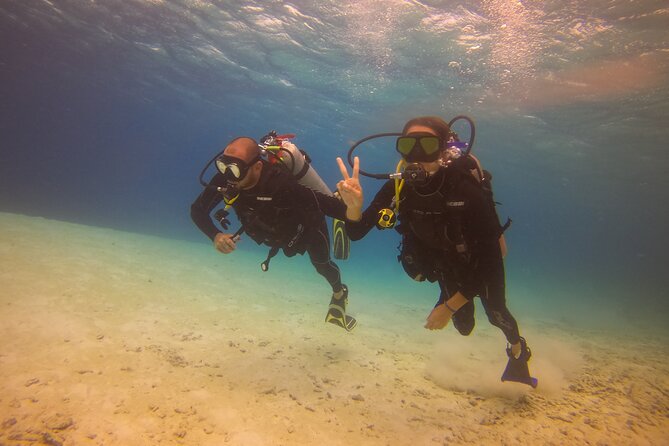
This is a guided Discover Scuba experience for non-certified people. Translation: you’re not expected to show up already knowing how to control your buoyancy, clear your regulator, or manage your breathing underwater. Instead, you get a structured DSD-style setup designed to help you enjoy the ocean while learning the basics at the same time.
The local factor matters too. Aruba Bob is locally owned and operated, and the guides are described as Aruban ambassadors—people who grew up on the Caribbean Sea. That shows in the tone: you’re not treated like a faceless customer. You can ask questions, get practical local advice, and expect the day to feel more like a guided outing than a “check-box” activity.
The schedule is short—about 2 hours 30 minutes—and that’s a big advantage when you’re on a tight Aruba plan. You get enough time to learn how everything works, then have a real underwater moment, without turning it into a half-day ordeal.
You can also read our reviews of more tours and experiences in Aruba.
Meeting point and timing: easy to fit into your day
You meet at Aruba Bob Snorkel & Scuba, Savaneta 305, Oranjestad, Aruba. The activity returns to the same place, so you’re not stuck trying to find your way back after you’re tired, salty, and smiling.
A couple practical notes that matter for planning:
- It’s near public transportation, so you don’t have to rely on private transport.
- You’ll want to build in a little buffer for the check-in and gear time, since the experience includes orientation and equipment use, not just a quick swim.
If you’re booking close to your travel date, confirmation is handled as soon as possible based on availability (unless you booked much earlier, in which case you’ll get confirmation at booking time). That’s worth considering if your schedule is tight.
The DSD-style orientation: how they set you up for success
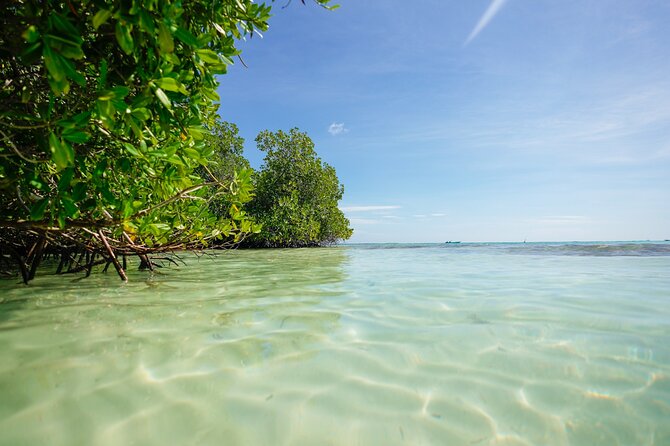
The day starts with a comprehensive orientation. That’s not just a lecture. The goal is to teach the essentials of scuba basics—how the gear works, how to use it, and what underwater techniques you’ll need.
What I like about this part is that it tends to reduce anxiety. In the reviews, first-timers repeatedly praise instructors for being clear and patient during both land practice and in-water guidance. People specifically mention feeling reassured and comfortable as they learn the steps, not thrown into the deep end.
You’ll also get guidance before you head out to the spot where the underwater session happens. That matters because, for beginners, the hardest part isn’t the ocean—it’s the sudden responsibility of coordinating breathing, posture, and comfort all at once. A proper pre-training flow helps your brain get “ready mode” on before you enter the water.
Gear and equipment use: you don’t handle the hard part alone
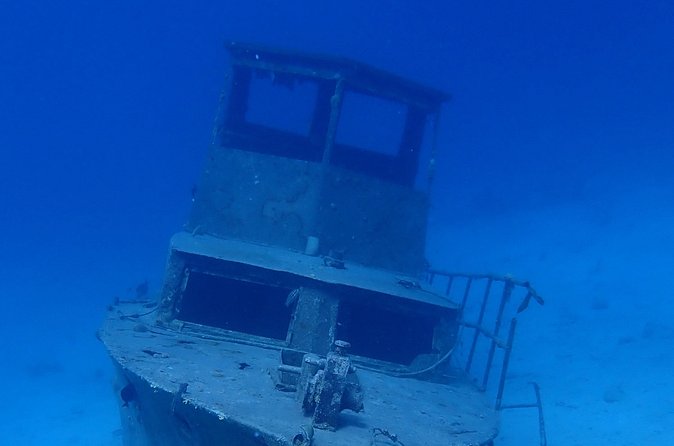
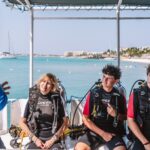
Scuba gear is included, including use of scuba equipment. That’s good value for the $120 price, because gear rental alone can add up fast in many beach towns.
In practice, this part is about fit and comfort. If something feels off—too loose, too tight, or just unfamiliar—you’ll usually notice quickly in a session like this. The best instructors help you adjust before you start doing new movements underwater, which is a big reason people describe these guides as careful and detail-oriented.
One review highlight: an instructor helped with ear acclimation when it didn’t feel right at first. That’s a reminder to you: don’t “push through” discomfort. If your ears or breathing don’t feel right, speak up early. A good guide will slow the process and adjust how you descend.
Shallow water practice: where nerves turn into control
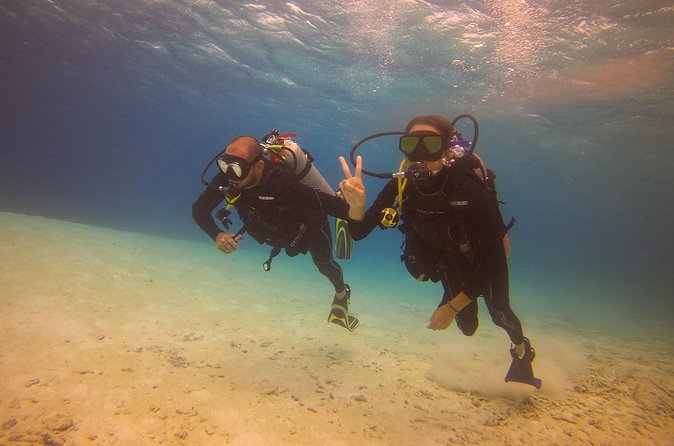
Before you go deeper, you do a setup phase where you learn and practice in shallower water first. Multiple people mention loving this sequence. It’s the training wheels stage—close enough to the shore area to feel safe, but structured enough to teach you the fundamentals.
What you should focus on here:
- How you hold yourself in the water
- How you breathe steadily
- How it feels when you descend gradually
- How to listen for instructions and make small corrections
This is also where instructors show their teaching chops. Reviews call out patience, demonstrations, and calm coaching. One person even describes the feeling of transitioning from nervousness into a calmer state as things click underwater.
If you’re the type who gets overwhelmed by new sensations, this shallow start is a relief. It turns the unknown into steps you can repeat.
The underwater portion: marine life, calm control, and a possible shipwreck
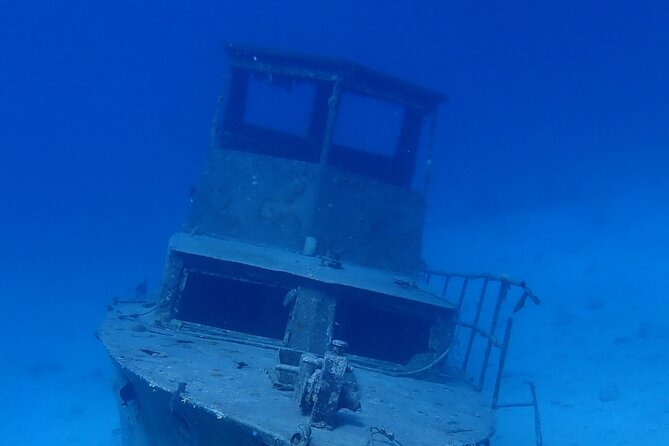
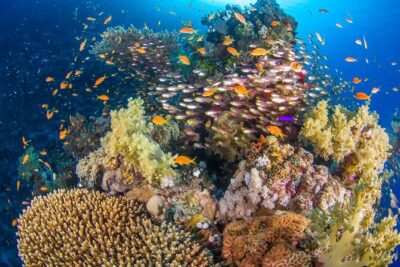
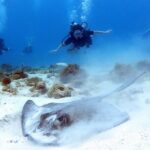
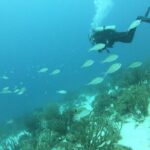
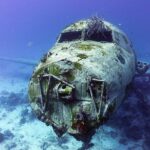
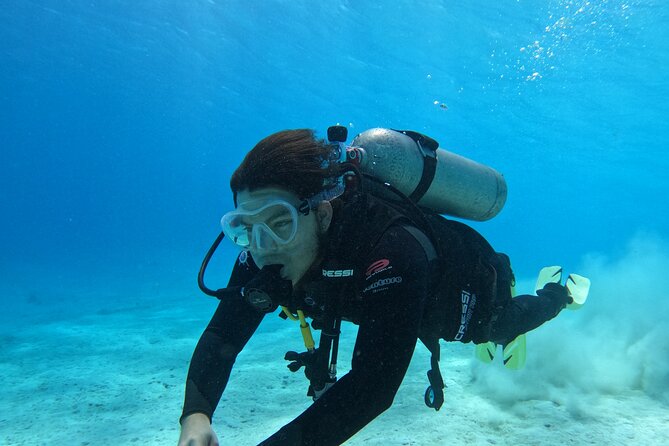
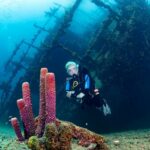
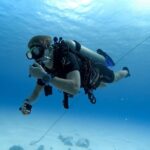
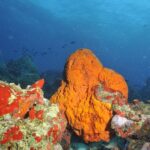
The experience includes an intro underwater segment with expert guidance from certified scuba instructors. Based on feedback, you can expect to see marine life like fish, and there’s a good chance of seeing a shipwreck during the session.
That shipwreck detail is a standout because it gives the experience more story than just “look at coral.” A shipwreck gives you a clearer anchor for what you’re seeing, where you’re going (in a general sense), and how long the underwater moment lasts before you surface.
A realistic expectation: the exact sights depend on conditions (and sea state). But the overall structure—gentle progression and instructor-led control—remains the same.
And here’s the emotional part: if you’re nervous, you’ll likely feel it at the start. Several reviews mention anxiety easing quickly once instructors demonstrated what to do and made the process feel safe. One review even captures the vibe as a gradual deepening path, rather than a sudden plunge.
The guides: why names like Mark and Coco come up so often
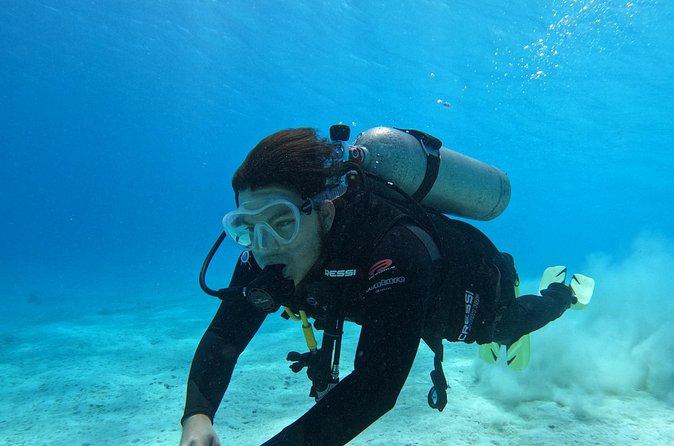
Aruba Bob’s guiding style is a core part of the value. You’re not just borrowing equipment and following a group. You’re being taught by people who are also trying to make the day enjoyable.
In reviews, names pop up again and again:
- Mark is praised for humor and comfort—people say he made everyone feel at ease.
- Coco is repeatedly mentioned for easing anxiety and being patient, especially during the early learning steps.
- Jeff and Martina are credited for clear instruction and a smooth shallow-to-deeper progression.
- Lui, Louis, and Quinton are also mentioned for making the experience memorable and for taking care of the group.
When you see that kind of consistency, it usually means the guides are good at more than technique. They handle nerves, communication, and pacing. That’s the stuff you feel immediately when you’re learning something new in the ocean.
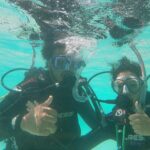
Plus, the experience includes free pictures of your activity. You’ll get visual proof without having to worry about where your camera goes while you’re managing your gear.
Price and value: is $120 a good deal?
At $120 per person, this isn’t a budget bargain—but it also isn’t overpriced for what’s included. You’re paying for:
- An instructor-led DSD-style beginner setup
- Use of scuba equipment
- All fees and taxes
- A guided session designed for non-certified people
- A small group experience (max 6)
Where the value really shows is in the teaching. Learning to feel comfortable underwater isn’t something you get from cheap, rushed instruction. The small group limit helps you get attention. And attention helps you have a safer, smoother first experience.
The one cost you should expect to cover on your own: private transportation isn’t included. If you’re staying near the meeting point or can use public transport, that’s easy. If you’re far away, you’ll want to plan a ride so you don’t burn your morning waiting for logistics.
Who this is best for (and who should reconsider)
This is well suited for:
- First-timers who want structure, not guesswork
- People who want a calm, beginner-friendly progression (shallow first, deeper when ready)
- Anyone who values small-group attention (max 6)
- Families and couples, since the reviews include a great first outing with a daughter and also smaller, more personalized bookings
You might reconsider if:
- You absolutely need to fly the same day. They advise waiting 12–24 hours after the session.
- You’re expecting a long, advanced technical training program. This is an intro experience—meant to teach you enough to enjoy the ocean with good guidance.
Simple planning tips that make the day better
A few practical things I’d do to make your first session smoother:
- Plan your day so you have no rushing after the water. If you can, keep other activities light.
- Tell your instructor right away if you’re nervous. The guides are there to help you settle in.
- If you have ear issues or pressure discomfort, speak up early rather than trying to power through.
- After the session, give yourself time to relax and dry off. You’ll be glad you didn’t schedule tight plans immediately afterward.
Should you book Aruba Bob’s Discover Scuba for non-certified divers?
If you want a first-time underwater experience with patient, real instruction, a small group size, and a good chance of seeing cool life like fish (and possibly a shipwreck), this is a strong choice. The $120 price feels fair because the equipment and fees are included, and the coaching is the main product.
Book it if you can follow the flying guidance and you’re ready to learn step-by-step. Skip it (or reschedule) if your schedule forces same-day flying, because that timing risk is the one clear dealbreaker in the info you’re given.
FAQ
How long is the Discover Scuba experience?
It lasts about 2 hours 30 minutes (approx.).
Where do we meet for the activity?
The meeting point is Aruba Bob Snorkel & Scuba, Savaneta 305, Oranjestad, Aruba. The tour ends back at the meeting point.
Is this for certified divers?
No. This is a Discover Scuba experience designed for non-certified divers using a DSD-style introduction.
What is included in the price?
The price includes all fees and taxes and use of scuba equipment.
Is private transportation included?
No. Private transportation is not included.
Can I fly the same day after the session?
It’s typically advised not to fly the same day due to the risk of decompression sickness. Waiting at least 12 to 24 hours is recommended, depending on depth and duration.
How many people are in the group?
The group size has a maximum of 6 travelers.