REVIEW · ARUBA
Private First-Time Dive on Aruba’s Reef and Wreck Site
Book on Viator →Operated by Underdog Divers Aruba · Bookable on Viator
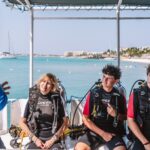
First breath underwater, minus the chaos. This private intro scuba outing in Aruba is built for first-timers and nervous beginners, with a patient crew (Alan, Ray, Pauline, Megan) and a plan that can slow down when you need it. I also love the structure: 20 minutes of safety on land plus shallow-water practice before you go to the reef and shipwreck area. One drawback to plan around: you must be a decent swimmer, and if your ears don’t equalize well, you may end up staying shallower than the planned max.
If you want the classic Aruba underwater highlights without feeling rushed, this is a strong match. You’ll go at a pace that’s yours, with a guide experienced in handling both cautious and excited personalities. And with up to four people in the group, your questions don’t get lost in a loud boat full of chatter.
In This Review
- Key Highlights You’ll Care About
- Where This Aruba Underwater Session Starts (And Why Location Matters)
- Private by Design: What Max Four People Really Changes
- The 20-Minute Safety Briefing on Land (Why It’s Not Just Paperwork)
- Shallow-Water Practice: The Step That Turns Nerves into Control
- Reef and Shipwreck: What the Main Underwater Portion Looks Like
- Depth vs. Ear Pressure: The One Consideration You Shouldn’t Ignore
- Pickup, Meeting Point, and How to Plan a Stress-Free Day
- Equipment, Fins, and the Blister Question
- Photos and the Memory Factor
- Price and Value: Is $120 Worth It?
- Who Should Book This Aruba Intro Session
- Quick FAQ
- FAQ
- Is this a private experience?
- What depth do you go to?
- Do you offer pickup?
- What fitness or swimming ability do I need?
- What do I need to do before the activity?
- How close can I fly after the session?
- Should You Book This?
Key Highlights You’ll Care About
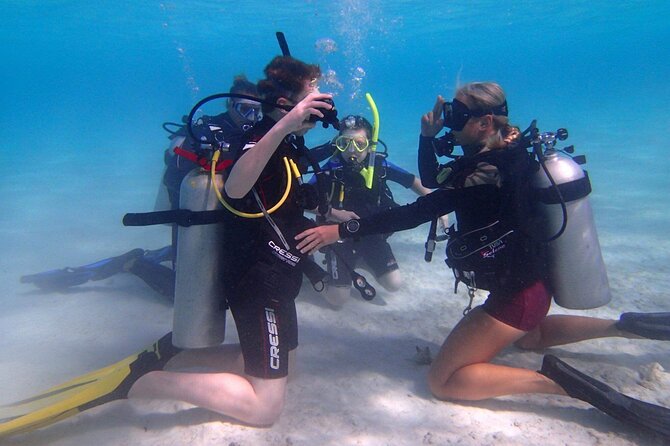
- Private group size (max 4) so you get real attention, not a checklist read to strangers.
- 20-minute land safety briefing before any water work, so you understand the plan early.
- Shallow-water skills first, with exercises designed to build comfort.
- Max depth of 40 feet on the real underwater portion when conditions and comfort allow.
- Reef + shipwreck site on the usual route for that wow factor.
- Pickup offered and you return to the meeting point, which makes the day easier.
Where This Aruba Underwater Session Starts (And Why Location Matters)
The meeting point is at Mangal HatoPos Chiquito Beach Park in Savaneta, Aruba (F28H+5W9). That matters because it keeps the day simple: you start on the south side where beach access is straightforward, and you finish back where you began.
If your plan is to minimize driving and stress, take advantage of the pickup option. In multiple accounts of this experience, people praised being picked up and dropped off. For you, that’s not just comfort. It’s time saved on travel details, and it helps you arrive already relaxed—half the battle for a first underwater outing.
Timing is also worth noting. The full experience is about 3 hours. That’s long enough to cover training, practice, and the main underwater portion, without turning your day into an all-day production.
You can also read our reviews of more tours and experiences in Aruba.
Private by Design: What Max Four People Really Changes
Most first-timer problems are not “underwater problems.” They’re confidence problems. A large group can mean long waits, rushed equipment checks, and a guide who can’t stay in sync with everyone’s comfort level.
Here, your group is limited to up to four people, and the experience is fully private. That smaller ratio is why people consistently talk about feeling supported. You’re not just following instructions—you’re getting confirmation that your setup fits you and that your comfort is being monitored step by step.
The guides also have a long track record. The program is led by an instructor with 10+ years of experience, and the tone is patient rather than pushy. You’ll hear the plan explained, then you’ll work through it at the speed that keeps you calm.
And here’s the practical win: the schedule is not built around a strict timer. The program can be adjusted for participants who are more nervous or more adventurous. That makes a difference if you need a second attempt at a skill in shallow water.
The 20-Minute Safety Briefing on Land (Why It’s Not Just Paperwork)
Before you ever get wet, you’ll get a full 20-minute safety instruction on land. This is one of the best parts of the experience because it prevents that common first-timer feeling of being confused but pretending you understand.
On land, the guide covers:
- the dive plan (what you’ll do, in what order)
- how the equipment works
- marine life and what you’ll likely see
- how to handle key moments calmly
This is also where you’ll learn how to communicate underwater and what “good” looks like for breathing and comfort. For a nervous first-timer, that’s huge. You’re not just learning gear; you’re learning a mindset.
One more practical thing: you’ll be asked to complete a medical questionnaire provided over messaging before the program, and you’ll bring it to the activity. That’s not a red tape delay. It’s part of why the whole outing stays safe and calm.
Shallow-Water Practice: The Step That Turns Nerves into Control
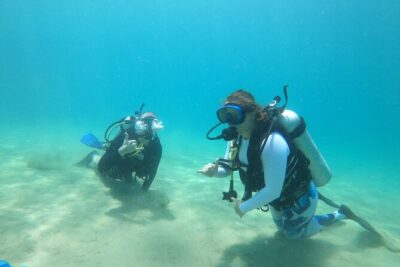
After the land briefing, you’ll practice and get comfortable in shallow water. This isn’t “stand there and hope.” You’ll do exercises and movements that teach you what it feels like to use the gear while staying close to the bottom and within easy reach of the guide.
For first-timers, the goal is simple: reduce uncertainty. You should leave the shallow-water stage knowing:
- how your equipment should feel
- how to manage breathing while moving slowly
- what to do if something feels off
- that you can ask questions without being rushed
Many people highlight the patience of instructors like Alan and the supportive roles of Ray and Pauline, especially when someone starts off nervous. The lesson from their teaching style is consistent: the guide confirms you can perform the pre-water tasks and then moves forward only when you’re ready.
Also remember: you need basic swimming skills. If you can swim comfortably at the surface, you’ll have a much easier time with the shallow stage.
Reef and Shipwreck: What the Main Underwater Portion Looks Like
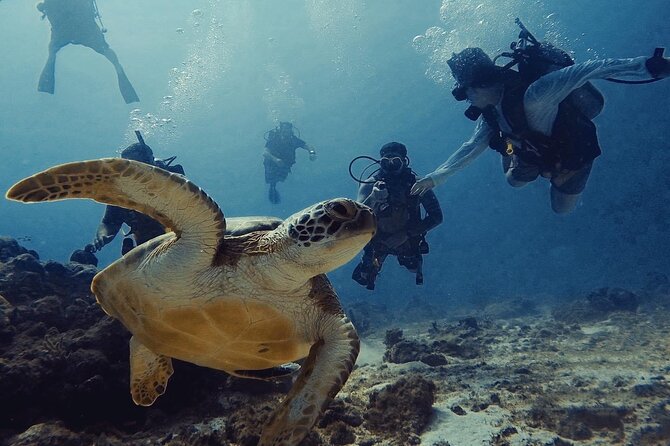
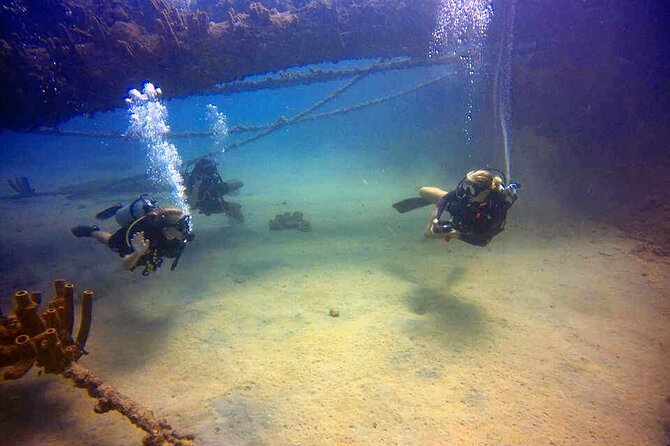
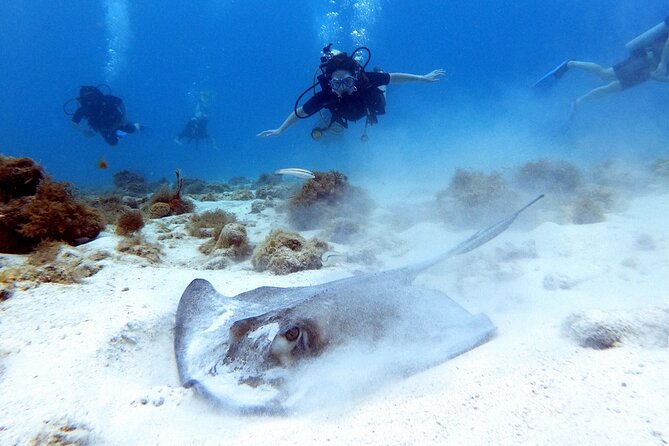
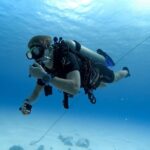
Once everyone in your group (max 4) is comfortable with equipment, it’s time for the main underwater portion. The program lists a maximum depth of 40 feet.
The site usually includes:
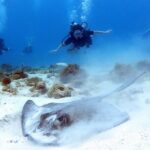
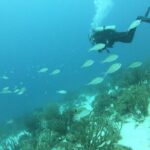
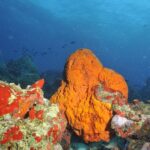
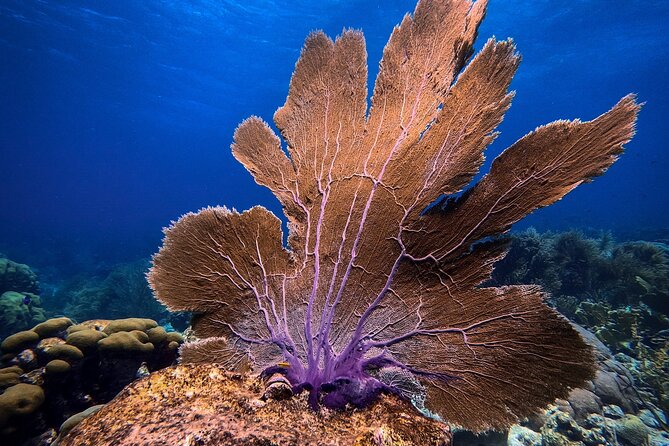
- coral reef
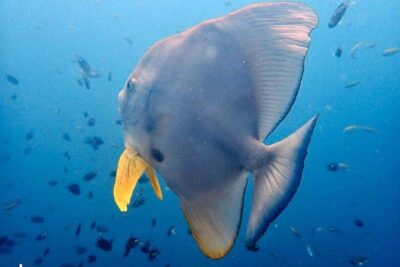
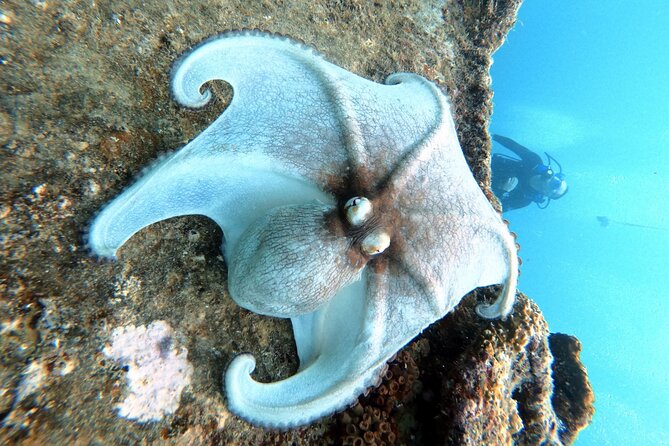
- lots of marine life
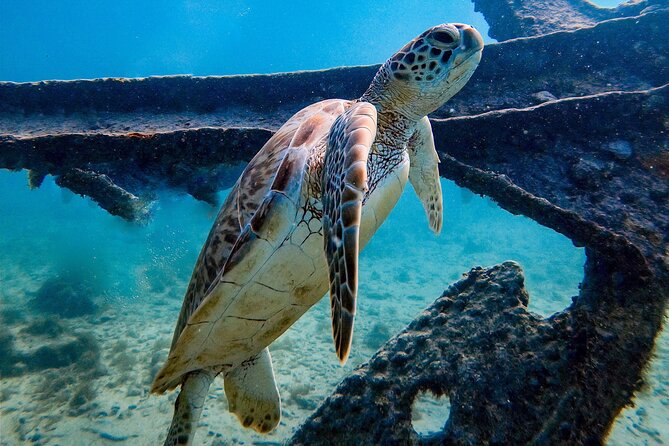
- and a shipwreck (on the usual DSD dive site)
For most people, the shipwreck is the emotional payoff. You start the day learning control and breathing, then suddenly you’re looking at something built by humans that’s been reclaimed by the sea. Even if you’re not a history buff, shipwrecks create a natural sense of wonder because they’re three-dimensional and full of detail.
One more reality check that’s worth respecting: reef conditions can vary. If you’re expecting perfect coral every time, you might feel disappointed on a bad day. The good news is that the guide can still help you find fish activity and recognize what’s healthy, even when parts of the reef are recovering.

Depth vs. Ear Pressure: The One Consideration You Shouldn’t Ignore
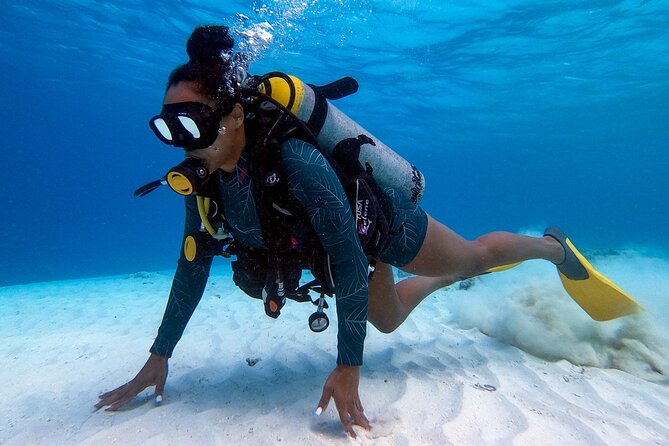
This experience is designed to keep you safe, but bodies don’t always cooperate. One participant had an ear pressure issue and the plan adjusted to stay shallower. That’s a key reminder: you should be ready for your main underwater portion to shift based on comfort and equalization.
If you’ve had trouble equalizing in the past, mention it during the medical questionnaire process and speak up early with the guide. The point isn’t to worry. It’s to help the team pick the right approach fast, so you don’t push through discomfort.
Pickup, Meeting Point, and How to Plan a Stress-Free Day
Your experience ends back at the meeting point at Mangal HatoPos Chiquito Beach Park. The pickup (and return) is offered, which is a big deal when you’re trying to coordinate a limited vacation schedule.
Plan around the total time: about 3 hours. That means you can usually fit it between other activities—if you manage your logistics and don’t book back-to-back stuff right afterward.
One time-planning rule is especially important:
- Keep at least 18 hours between your underwater session and any flight.
If you fly the same day, you’re taking on risk with equalization and recovery time. Build your itinerary so you’re not sprinting to the airport right after.
Equipment, Fins, and the Blister Question
The program includes scuba equipment, and the guide checks that you can use it properly. One detail came up in an account where a participant’s husband got blisters from the flippers because booties weren’t provided. They also noted the fins were tropical water fins designed for barefoot wearing.
So here’s my practical advice: if you have sensitive feet or blister-prone skin, think ahead. You can ask whether booties are available or if your best option is to use protective footwear under the fins. At minimum, consider how your feet handle wet-sand friction and plan accordingly.
Photos and the Memory Factor
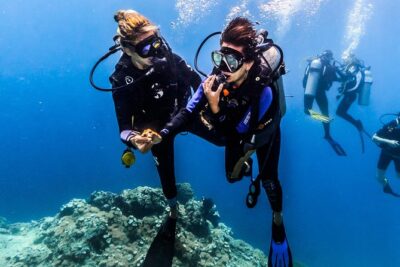
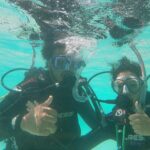
In some accounts, participants mention that the guide took photos and videos, offered as an extra purchase. That’s common for experiences like this, and it can be worth it because underwater gear often makes it hard for you to capture the moment yourself.
Even if you’re not sure you want extras, it helps to know that the team is thinking about lasting memories, not just finishing training and moving on.
Price and Value: Is $120 Worth It?
At $120 per person, this is not the cheapest way to try scuba. But it can be good value if you factor in three things:
- Private format
You’re paying for time with an instructor who adjusts to your comfort level. Max 4 people changes the entire feel of the outing.
- A structured training approach
The 20-minute safety briefing on land and the shallow-water exercises are the core of a good first experience. You’re not just paying for the underwater minutes; you’re paying for learning the basics correctly.
- Reef + shipwreck experience
A reef-and-shipwreck site on the usual route gives you the wow factor that makes an intro outing memorable, even if you don’t become certified right away.
For many people, the best value is the confidence gained. If you’ve been curious about scuba but fear being rushed, a calm private setup can be worth more than a lower price with a larger group.
Who Should Book This Aruba Intro Session
This tour fits you best if you:
- are doing scuba for the first time or want an intro DSD style program
- feel nervous and want a patient instructor who takes time
- want a small, private group (max 4)
- can swim and are comfortable using gear
- want the classic Aruba underwater mix: coral life plus a shipwreck
It’s also a good option if you’re returning after a long gap. Some people described the team helping them refresh skills and reduce apprehension after years away from the water.
Quick FAQ
FAQ
Is this a private experience?
Yes. It’s listed as a private tour/activity, and only your group participates.
What depth do you go to?
The program states a maximum depth of 40 feet for the main underwater portion when conditions and comfort allow.
Do you offer pickup?
Pickup is offered, and several accounts mention pickup and drop-off service from hotels.
What fitness or swimming ability do I need?
You must have basic swimming skills to take part.
What do I need to do before the activity?
You must fill out the medical questionnaire you receive over messaging and bring it with you to the program.
How close can I fly after the session?
You should keep at least 18 hours between your underwater session and any flight.
Should You Book This?
Yes—if you want a first scuba experience that feels controlled, patient, and personal. The big selling points are practical: 20 minutes of safety on land, shallow-water skill work before going deeper, and a max of four people with instructors like Alan and Ray who focus on comfort. If you’re nervous, that structure usually matters more than anything else.
Book it especially if you’re the type who needs things explained clearly and confirmed step by step. Just do two things before you go: complete the medical questionnaire carefully, and plan your schedule so you’re not flying within 18 hours. If you do that, you’ll be set up for the kind of first underwater memory that makes you want to come back.