REVIEW · ARUBA
Aruba 2-Tank Dive Excursion for Certified Divers
Book on Viator →Operated by SEARUBA FLY N DIVE · Bookable on Viator
Two tank scuba trips in Aruba tend to move fast. This one packs two underwater stops into about 4 hours, with PADI-led guidance, hotel or cruise pickup, and a small-group setup that keeps the day feeling organized. I especially like the included boat snacks and the mix of well-known spots (Antilla, Pedernales, Star Gerren) plus smaller reef areas like Fingers and Kantel reef. The main catch: what you see can shift with conditions, and wreck-hunters may not always get the wreck-heavy day they want.
The operation also aims to keep things comfortable and calm on the water—cushioned seating, a surface interval on the boat with fruit and drinks, and guides who check on people throughout. The group is capped at 8 participants, so you’re not getting herded around. One possible drawback to keep in mind: there’s always some chance of schedule disruption (one past report mentioned a boat breakdown), so if your cruise timing is tight, plan conservatively.
In This Review
- Key Highlights You’ll Care About
- Aruba’s Half-Day Timing: Two 1-Hour-Plus Sessions, Not a Whole Production
- Pickup, Meeting Point, and the Floating Boat-Day Comfort Factor
- Underwater Stop Mix: Antilla, Pedernales, Star Gerren, plus Fingers, Skalahein, and Kantel Reef
- Surface Interval Snacks and Drinks: Why That Hour Matters
- Gear, Certification, and Medical Clearance: The Rules That Keep It Smooth
- Safety and Group Dynamics: When It Feels By-the-Book and When You Should Ask Questions
- Price and Value: What $99 Includes (and What You Might Pay Extra)
- FAQ
- How long is the Aruba 2-tank scuba excursion?
- Is pickup and drop-off included?
- Where is the meeting point, and when should I arrive?
- What certification do I need?
- Do I need to have scuba gear rental included?
- What is the minimum age?
- How many people are on the trip?
- Do I need medical clearance?
- Can I cancel for free?
- Should You Book This 2-Tank Aruba Scuba Outing?
Key Highlights You’ll Care About
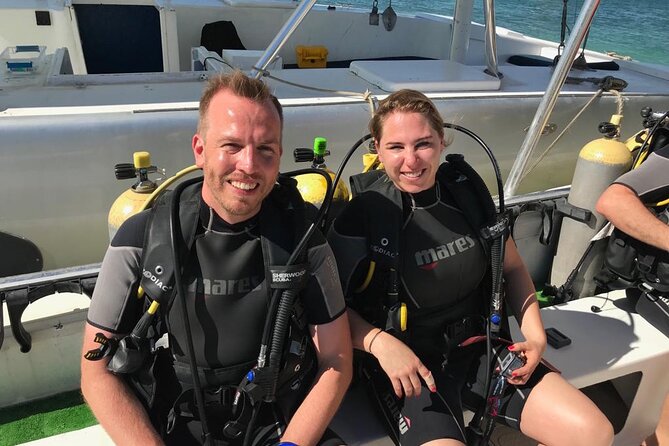
- Small group cap of 8 with close attention from the guides
- Pickup and drop-off from the cruise terminal plus Low & High Rise hotel areas
- Two underwater sessions with a surface interval right on the boat
- Food and beverages included, including snacks between the two sessions
- A mix of famous and lesser-known stops like Antilla, Pedernales, Star Gerren, Fingers, Skalahein, and Kantel reef
- Strict certification rules: proof of certification plus recent scuba within 2 years
Aruba’s Half-Day Timing: Two 1-Hour-Plus Sessions, Not a Whole Production
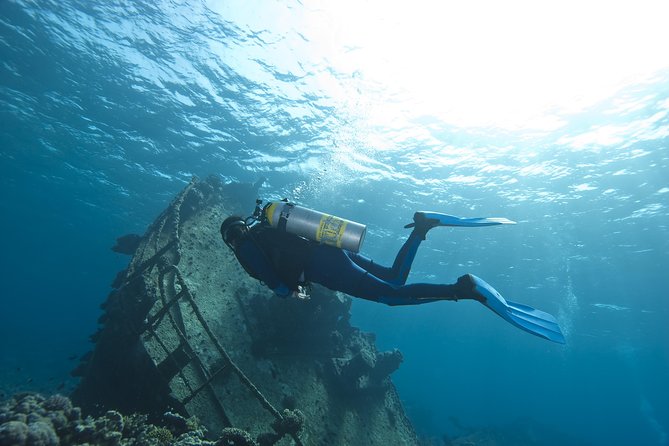
This is built for people who want a real Aruba underwater day without losing the entire day to logistics. You depart around 9:00 am from the pier at Bucutiweg 20, with check-in timed earlier (the listing shows 8:30 am). Then it’s straight to the day’s chosen underwater areas, with a return back to the meeting point after the second session.
What I like about the structure is the built-in rhythm. After the first session, you’re not stuck sitting around dry and bored—you get a surface interval on the boat, then you go back in for the second stop. That usually makes the total experience feel like a focused outing instead of a long, draggy half-day.
One practical consideration: two sessions can mean you’ll move efficiently, but you also won’t get the slow-and-long approach you’d see on full-day programs. If you’re the kind of person who loves lots of underwater time to fine-tune buoyancy or linger on one creature for 20 minutes, you might want to plan for an extra Aruba water day later—or choose a longer-format trip.
You can also read our reviews of more tours and experiences in Aruba.
Pickup, Meeting Point, and the Floating Boat-Day Comfort Factor
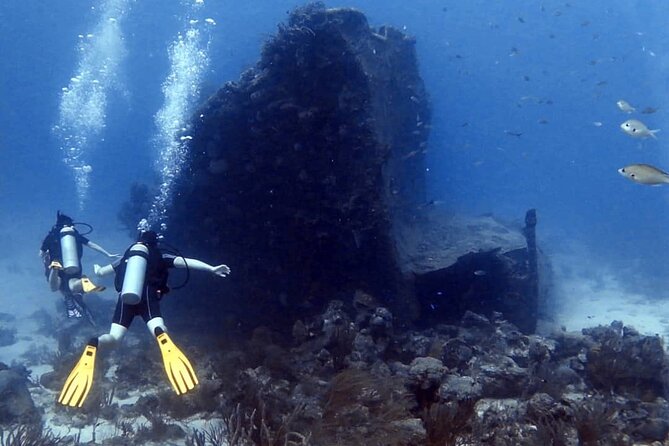
The meeting point is at Bucutiweg 20 in Oranjestad (their pier area). If you’re staying in Aruba in the Low & High Rise areas or arriving by cruise, pickup and drop-off are included from those zones.
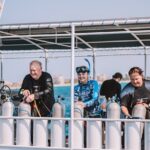
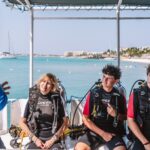
On the water side, multiple guest notes point to a well-run boat experience. People describe comfy cushioned seating and a setup that feels practical for cameras, including a dedicated camera bucket. During the surface interval, you get refreshments—think water plus snacks and fruit—so you’re not just waiting to be called back up.
Some cruise passengers also report an easy ride from the cruise terminal to the local shop/pier area, with the boat-day starting quickly after pickup. If you’re coming from a resort, it helps to know you may have a short drive before the pier, but it’s still designed to keep the overall schedule tight.
Underwater Stop Mix: Antilla, Pedernales, Star Gerren, plus Fingers, Skalahein, and Kantel Reef
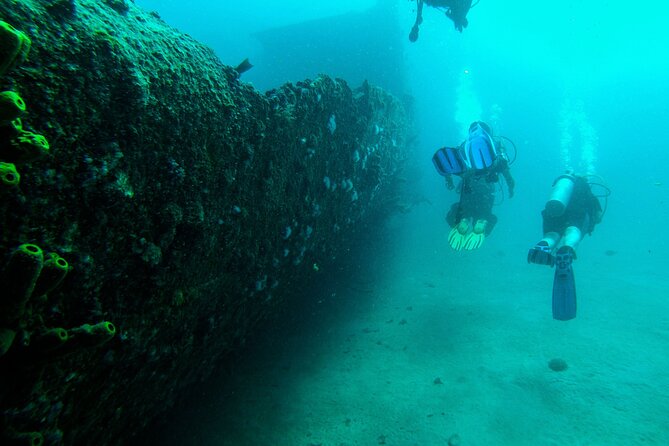
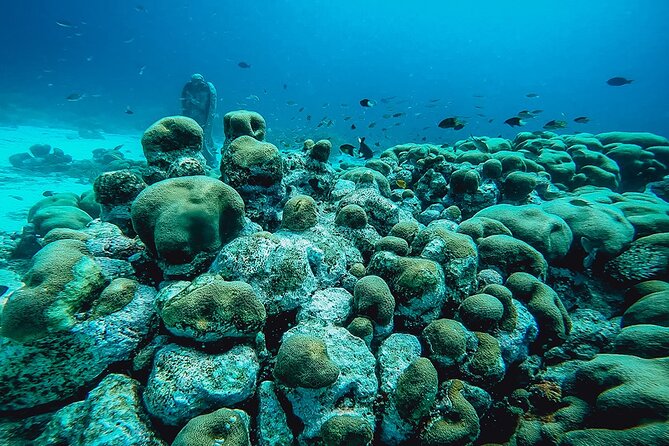
Aruba’s coastline offers a smart mix: famous options for people who want “name recognition,” and smaller reef areas for those who just want good marine life. Your two sessions may include big-name underwater areas like Antilla, Pedernales, and Star Gerren, along with lesser-known stops such as Skalahein, Fingers, and Kantel reef.
Here’s the key thing to understand: the exact pair of locations can change with conditions. One pattern you’ll want to remember is that weather affects which sites get used that day. That means you shouldn’t treat this as a guaranteed checklist where you’ll see every wreck and every plane every time.
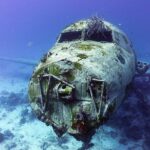
Also, wreck expectations are a mixed bag. Some guests ended up seeing shipwreck features and even references to wrecked planes, while at least one person reported a day that felt more reef-and-fish than wreck-focused. If wrecks are your main goal, I’d treat this as a great Aruba underwater option first, then ask the operator what’s running best that day—especially if your interest is specifically in wrecks.
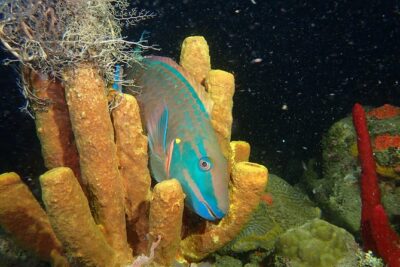
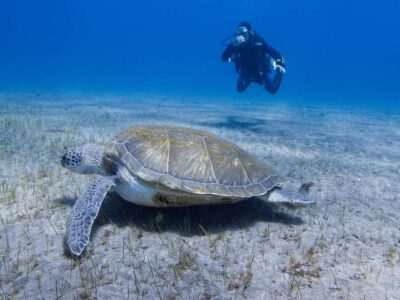
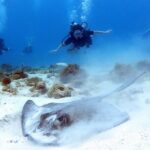
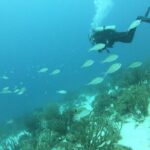
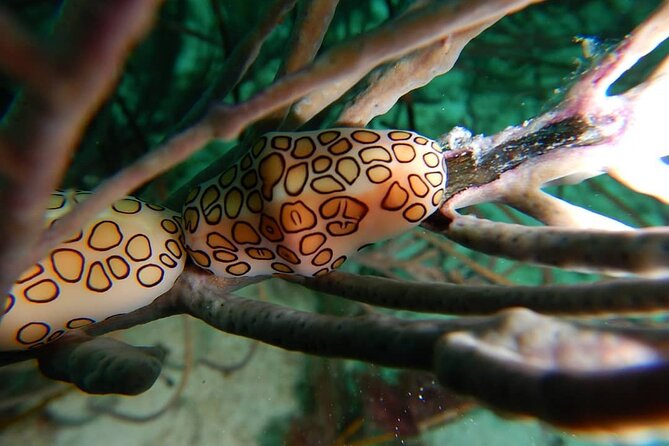
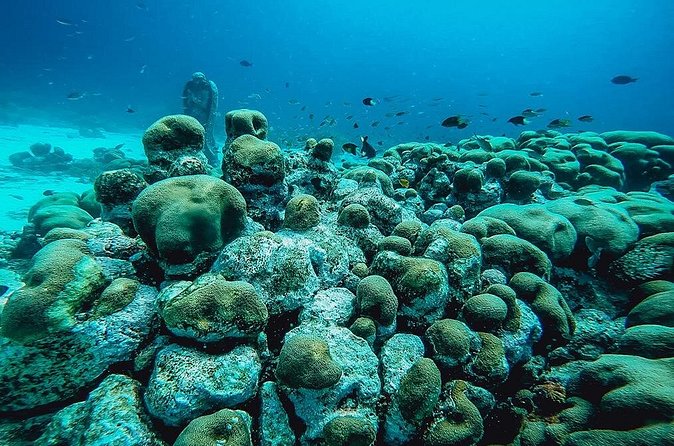
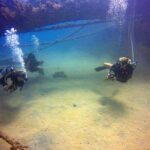
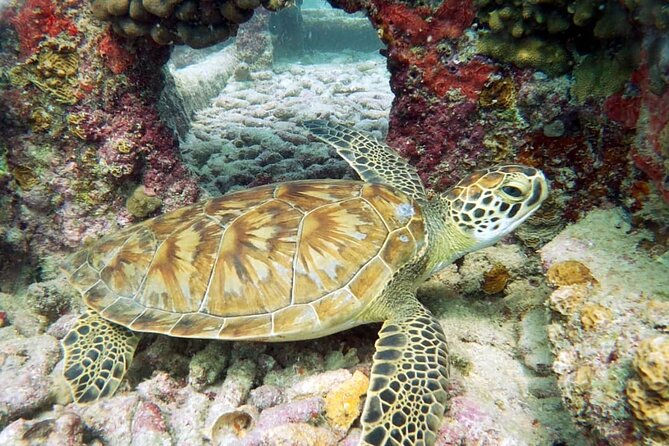
For marine life lovers, the consistent theme is clear water, lots of fish, and plenty of critters to spot. People describe sightings like turtles, eagle rays, lobsters, large eels, and even squid. If you’re excited by the “float and look” style of scuba, this stop mix usually delivers.
Surface Interval Snacks and Drinks: Why That Hour Matters
The surface interval isn’t an afterthought here. After the first underwater session, you pause on the boat for a break, then you head back in for the second stop. This matters because it keeps you from feeling rushed between sessions and it helps you reset—mentally and physically.
What stands out in the notes is the snack setup. Guests describe fresh fruit and water during the break, plus additional snacks after the first session and food after the second session (including items like sandwiches and fruit drinks on some days). Even if you don’t get fancy about it, having real food and cold water makes a noticeable difference when you’re done with your first effort and ready for the second.
There’s also a comfort side to it. A few people mention the crew being relaxed but attentive during the break—helping with gear questions, checking how everyone’s doing, and keeping the boat vibe calm. That’s a big deal when you’ve got a mix of experience levels and you’re trying to keep the group on schedule.
If you get motion-sick easily, you’ll still be on a boat between stops and during travel to the sites. It’s not stated as a specific issue, but it’s smart to plan for a boat day in your body like you would anywhere on the water.
Gear, Certification, and Medical Clearance: The Rules That Keep It Smooth
This experience is for certified participants. You’ll need evidence of scuba certification, and the program requires that you’ve been doing scuba within the past 2 years. There’s also a minimum age of 10 years, and adult pricing applies to all participants.
Medical clearance is also part of the deal. You may be asked to complete a medical questionnaire, and all participants are subject to medical clearance before going in. The listing calls for moderate physical fitness level, so it’s not pitched as a “no effort at all” outing.
On the gear front, there’s a practical detail that can save you stress: dive/scuba equipment is only included if you selected the option for it. If you didn’t pick gear rental, you’ll need to plan otherwise. I’d treat this as a pre-trip checklist item so you don’t end up scrambling.
Finally, the group size caps at 8 participants. That’s one of those details that affects your whole day. Smaller groups usually mean more attention from the guides and easier communication on the boat and in the water.
Safety and Group Dynamics: When It Feels By-the-Book and When You Should Ask Questions
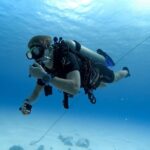
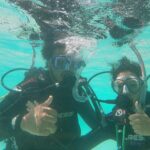
Most of the feedback leans strongly positive on safety. Guests describe guides who kept checking on people, captains who ran a controlled operation, and staff who felt by-the-book. Names that come up often include guides such as Paula, Erwin, Dominic, Perry, and Albert, and a staff member Lucas who’s specifically credited for making sure a first-time solo participant was okay underwater.
There are also little signs of care that add up. One person notes help with buoyancy and fin setup after spotting an issue, plus friendly gear handling like cleaning a mask between sessions.
Still, I don’t want to ignore the one darker report. A guest described a boat breakdown, schedule shifting, and a second underwater session that felt unsafe to them due to inexperienced participants moving as a group. Whether you interpret that as an anomaly or a serious red flag depends on your tolerance for uncertainty, but it is enough that I’d recommend a simple step: if you’re booking close to a cruise departure or you’re extremely strict about procedures, ask the operator what they do when conditions change and how they manage mixed experience levels.
Price and Value: What $99 Includes (and What You Might Pay Extra)
At $99 per person, the value mostly comes from what’s included. You get professional instruction from a PADI-certified guide, government taxes, beverages, and snacks. You also get hotel or port pickup and drop-off, depending on where you’re staying (Low & High Rise areas) or how you’re arriving (cruise terminal).
That inclusion list matters because it removes the annoying add-ons that can inflate the final cost for a scuba outing. On top of that, the group cap at 8 participants helps justify the price if you care about more personal guidance rather than a crowded boat.
The main potential extra cost is equipment. Gear rental is available, but the listing says it isn’t included unless you select the rental option. If you already own your scuba gear, you might still be fine—but the key is to confirm what your booking includes before you show up.
Given the package structure—two underwater sessions, guided oversight, pickup, and food—I think this is a strong value for certified participants who want an organized Aruba underwater day without paying for a longer excursion.
FAQ
How long is the Aruba 2-tank scuba excursion?
It runs for about 4 hours.
Is pickup and drop-off included?
Yes. Pickup and drop-off are included from/to the Cruise terminal and the Low & High Rise Area.
Where is the meeting point, and when should I arrive?
The meeting point is at Bucutiweg 20, Oranjestad, Aruba. The listing shows a start time of 8:30 am, and the departure is described as happening around 9:00 am from the pier.
What certification do I need?
You need to show evidence of scuba certification. The program also requires that you’ve been doing scuba within the past 2 years.
Do I need to have scuba gear rental included?
Scuba equipment is available for rental, but it’s not included unless you selected that option.
What is the minimum age?
The minimum age is 10 years.
How many people are on the trip?
The maximum group size is 8 travelers.
Do I need medical clearance?
Yes. All participants are subject to medical clearance and may be asked to complete a medical questionnaire.
Can I cancel for free?
Yes. Free cancellation is available if you cancel up to 24 hours in advance for a full refund.
Should You Book This 2-Tank Aruba Scuba Outing?
If you’re a certified scuba participant and you want a well-paced half-day with pickup, small-group attention, and snacks built into the schedule, this is an easy yes. I’d especially book it if you value calm boat operations and you like the idea of two different underwater stops instead of just one long outing.
Book with a bit of extra caution if your priority is wreck-hunting every time. One past account described a day without the wreck focus they expected. If that’s you, ask what’s likely to run best for your date and keep a realistic mindset that conditions shape the final site mix.