REVIEW · TENERIFE
Beginner Scuba Dive with Scubapoint Tenerife in Turtle Area
Book on GetYourGuide →Operated by ScubaPoint · Bookable on GetYourGuide
First breath underwater can feel intimidating. This beginner scuba trial in Tenerife turns that moment into a controlled, learn-as-you-go experience with expert coaching. Two things I really like: you get PADI-level guidance from the start, and you’re in a small group (limited to 10), so the instructor can actually spot what you need—fast. The one thing to keep in mind: it’s not for everyone medically or physically, so you’ll want to check the health limitations before booking.
You’ll start on land with a simple training session, then head out for a short boat trip toward the Turtle Area. Once you’re geared up, you practice the basics underwater with an instructor close by, while you look for Atlantic marine life in clear water. The possible drawback is also the reality of first-timer training: if you struggle with breathing coordination at depth, you may need extra patience and close support.
In This Review
- Key Things That Make This Tenerife Scuba Trial Worth It
- Beginner Scuba in Tenerife’s Turtle Area: What You’re Really Signing Up For
- Getting Ready at Puerto Colón: The Land Part That Makes or Breaks Comfort
- Equipment and Instructor Support: Why This Trial Feels Professional
- The Boat Trip: Short, Simple, and Part of the Experience
- Underwater Time in Clear Atlantic Water: Marine Life Plus Skills Practice
- $88 Value: What You’re Getting for the Money
- Languages and Small Group Size: Why That Matters Underwater
- Who Should Book This (and Who Should Think Twice)
- What to Bring, Wear, and Do Before You Arrive
- Timing and Session Length: How to Plan Your Day
- Should You Book ScubaPoint Tenerife for Your First Underwater Experience?
- FAQ
- How long is the beginner scuba session?
- Where do I meet for the activity?
- Do I need any prior scuba experience?
- Who will guide me during the session?
- What’s included in the price?
- Is there a boat trip?
- What languages are available for instruction?
- How many people are in the group?
- What should I bring and wear?
- Who is the experience not suitable for, and what restrictions apply?
Key Things That Make This Tenerife Scuba Trial Worth It
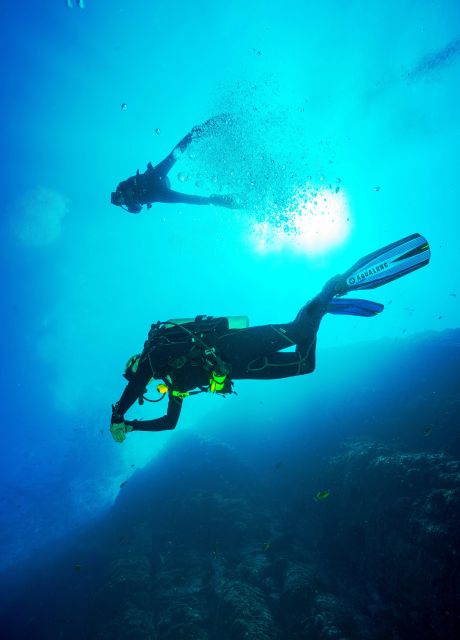
- Small group limit (10 people max) helps you get real attention, not a one-size-fits-all demo
- Certified PADI instructor means structured coaching and safety focus from minute one
- Full equipment + monitor included, so you don’t waste time figuring out gear
- Boat trip included gets you from Puerto Colón out to the water site
- Skills practice in a safe, controlled setup, so you’re not just hoping to feel okay
Beginner Scuba in Tenerife’s Turtle Area: What You’re Really Signing Up For
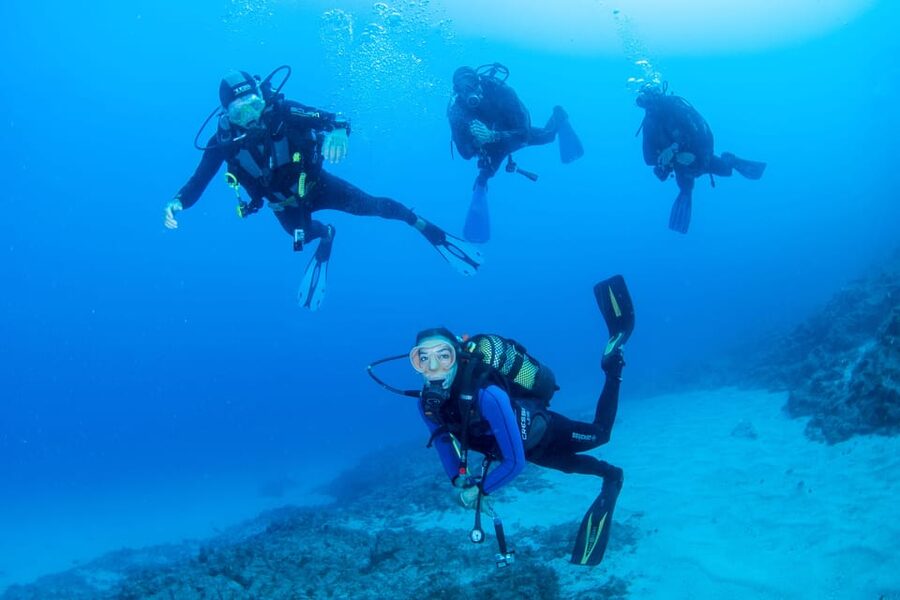
This is a first-time scuba trial designed to answer a specific question: can you handle the gear, your breathing, and basic underwater movement without panic? The good news is the session is structured—training first, then supervised water time—so you aren’t thrown into the deep end (and you’re also not treated like a “spectator”).
The experience is set in the Canary Islands, with the meeting point at Puerto Colón. From there, the team takes you out by boat and guides you at an underwater spot associated with the Turtle Area, where you’ll typically focus on marine life sightings and doing the skills you practiced on land.
Price-wise, you’re paying $88 per person for about 2 hours of guided instruction plus equipment and a boat trip. That matters because your cost isn’t only “someone taking you underwater.” It’s instructor time, scuba gear, and transport out to the water site—exactly the stuff that usually adds up fast when you try to DIY it.
You can also read our reviews of more tours and experiences in Tenerife.
Getting Ready at Puerto Colón: The Land Part That Makes or Breaks Comfort
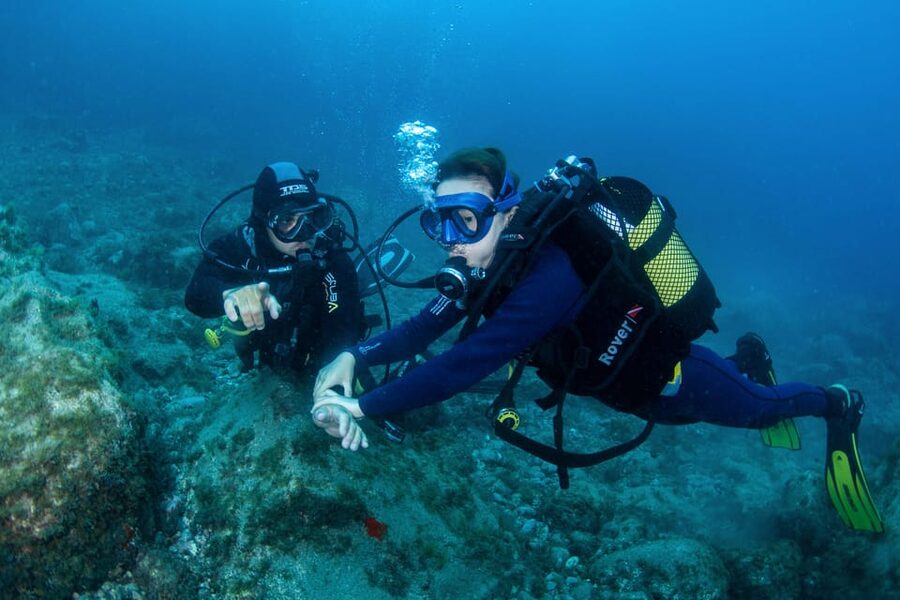
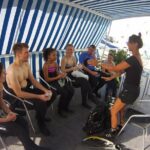
You’ll meet at Puerto Colón, then you’ll do the session briefing and training on land before getting in the water. This is where the whole experience becomes manageable. Instead of jumping straight to being underwater, you learn how the equipment works and the safety basics in a step-by-step way.
What I like about this setup is that it treats comfort as a skill. The team shows you how to handle the gear, what to expect, and how to follow instructor signals. Even if you’re nervous, this land time gives you something concrete to do with your hands and attention—so your brain isn’t scrambling.
Practical note: wear beachwear and bring water. If you show up chilled, fed, and wearing something easy to adjust, you’ll have an easier time when the wetsuit and gear go on.
Equipment and Instructor Support: Why This Trial Feels Professional
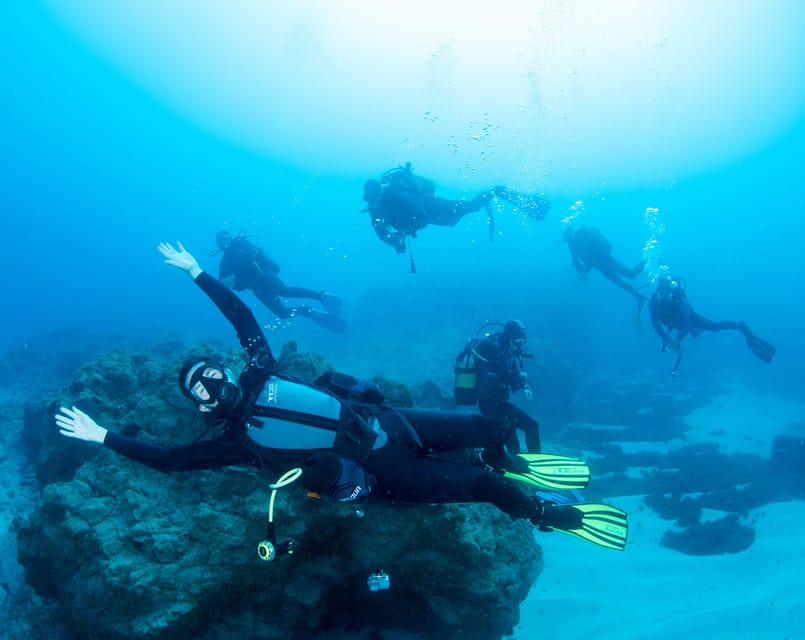
The session includes full scuba equipment and a monitor (their support role during the experience). That’s a big value point for first-timers, because equipment questions are where many people lose time and confidence.
You’re also not relying on a generic script. The coaching is led by a certified PADI instructor, and the group stays small (10 max). In real terms, that means:
- you’re more likely to get corrected early
- you can ask questions without waiting your turn
- the instructor can adjust pacing based on how your breathing and buoyancy feel
One of the most reassuring signals from real-world experiences is the level of patience when breathing coordination doesn’t click instantly. If you find it hard to regulate your breathing at the start, the instructor isn’t going to rush you. Instead, the priority is you feeling stable enough to continue at a safe pace.
The Boat Trip: Short, Simple, and Part of the Experience
You don’t start the water time from shore. You’ll go out on a boat trip after the briefing. In theory, that could sound like extra time—but for first-timers it often helps.
Here’s why a boat start is useful:
- It typically reduces the stress of long shore transitions.
- It gets you to a place where the water conditions are more suited for beginner sessions.
- It helps the team manage timing for equipment checks and your comfort.
Plan on a bit of “moving gear and people” time. If you get motion sick easily, consider that before you go, because the session includes a boat ride as part of the package.
Underwater Time in Clear Atlantic Water: Marine Life Plus Skills Practice
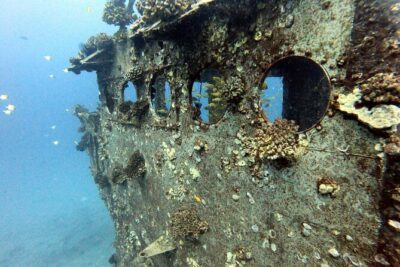
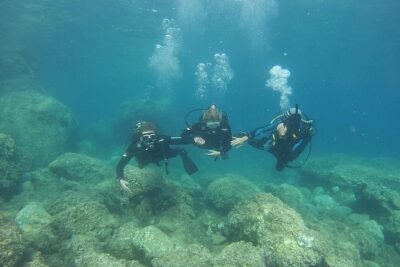
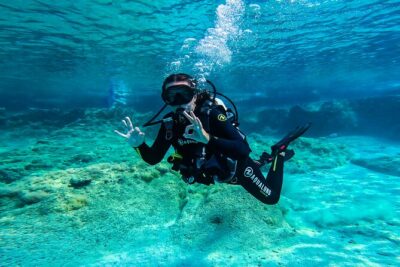
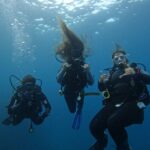
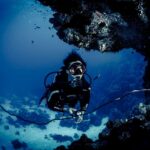
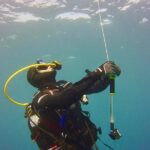
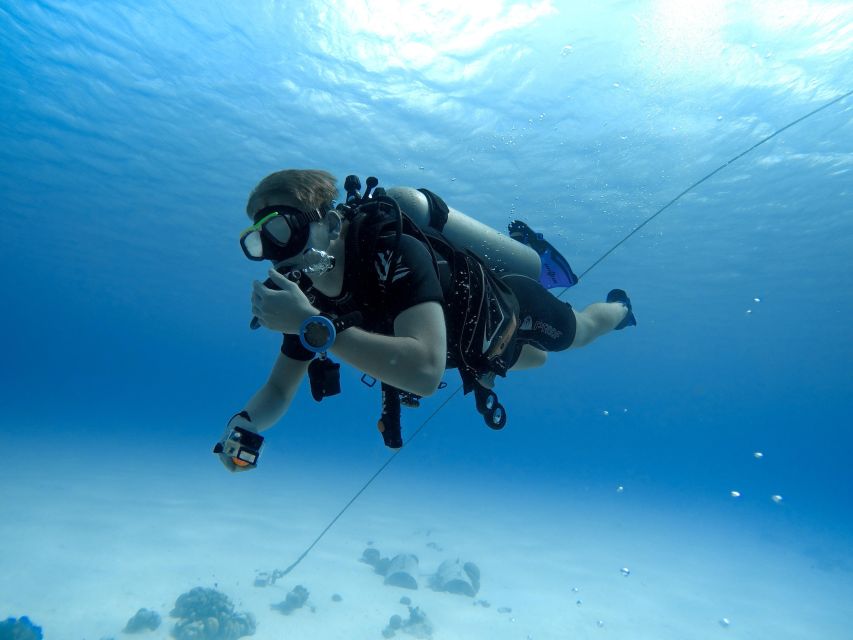
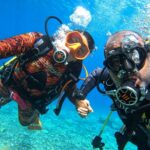
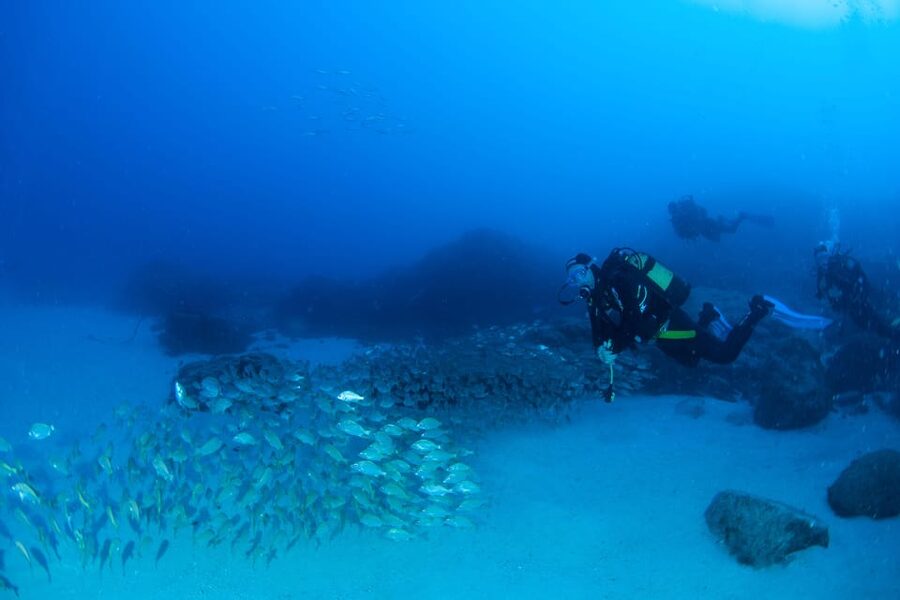
Once you’re in the water, your instructor guides you through the underwater basics and helps you practice the skills you learned on land. This is not just a sightseeing swim. It’s an underwater lesson with time to explore and look at marine life.
The session is designed to be safe and controlled, meaning you’ll be supported as you:
- become used to breathing through the regulator
- learn what buoyancy feels like
- follow simple movements while you watch the seabed and surrounding area
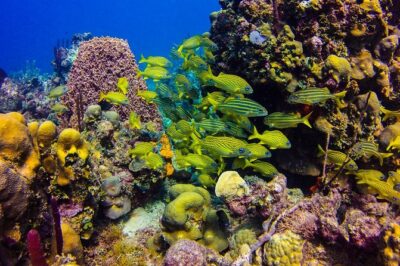
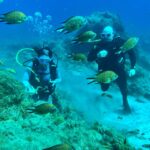
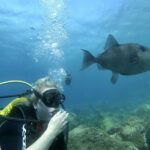
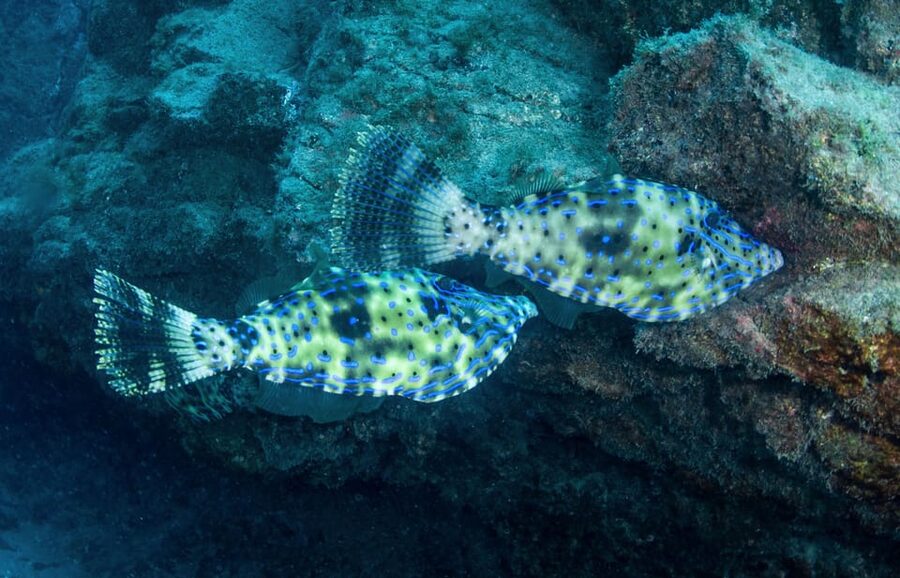
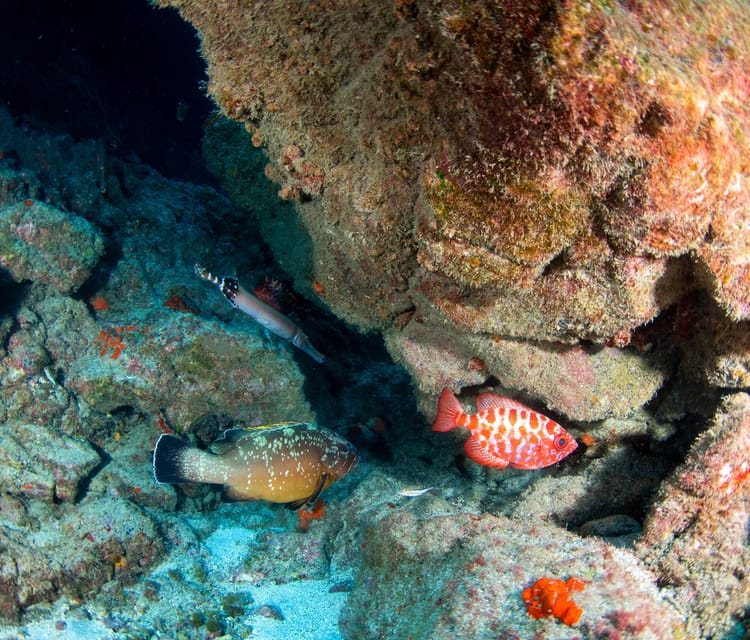
And yes, this is also your chance to experience the Atlantic’s marine life. In clear water, even beginners can spot details—shape, color, and movement—while still focusing on not overthinking their body position.
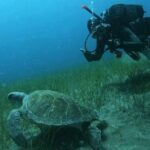
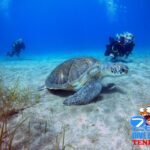
If you’re hoping for turtles, you’re in the right region because the activity is framed around the Turtle Area. Still, I’d treat animal sightings as a bonus. Your real win here is getting comfortable enough to notice what’s around you.

$88 Value: What You’re Getting for the Money
At $88 per person for a roughly 2-hour session, you’re paying for a bundle. The bundle includes:
- full equipment
- instructor/monitor support
- boat trip
- a structured beginner training approach
This is better value than paying separately for gear rental, transport, and coaching. It’s also usually cheaper than committing to a full certification course when you’re still figuring out whether scuba gear and breathing coordination feel right for you.
Think of it like this: if you’ve ever wanted to try scuba but worried you’d hate it after paying for a bunch of steps, this trial keeps your commitment short. If you end up loving it, then a course can feel like the logical next step instead of a financial gamble.
Languages and Small Group Size: Why That Matters Underwater
This experience offers instruction in English, French, Italian, and Spanish. For many first-timers, language is more than convenience—it reduces the mental noise. When you can understand the safety instructions immediately, you relax faster.
Small groups (max 10) are another quiet advantage. In a large group, beginners often get “instructions once” and then wait for help. Here, you’re more likely to get hands-on reassurance and ongoing checks.
One useful detail to know: it’s possible your group members spend time at different depths depending on comfort and skill. In at least one case, a participant who needed extra help with breathing received continued support at depth, while a partner could go with another instructor. The point is: the team adapts. You’re not being judged against someone else’s comfort.
Who Should Book This (and Who Should Think Twice)
This trial is perfect if you want a guided first scuba experience without prior knowledge. It’s also suited to couples or friends who want the same outing together, while still getting personal coaching.
But it’s not suitable for everyone:
- Children under 8
- Pregnant women
- People with pre-existing medical conditions
- People over 70
Also, you should tell the operator about any health conditions before you go. The activity isn’t set up for medical uncertainty. It’s set up for safe beginner learning.
If you’re new to scuba and you tend to feel anxious in unfamiliar settings, this can still work well—because the coaching focuses on comfort and step-by-step control. Just be honest with yourself about whether you can handle the gear, the breathing exercise, and following safety directions without fighting the process.
What to Bring, Wear, and Do Before You Arrive
You’re told to bring:
- water
- beachwear
That’s refreshingly simple. Wear something you can rinse off if you get sandy or splashed. If you’re wearing sandals, you’ll want something practical to keep on while you’re gearing up.
A few extra first-timer habits that help (and don’t require special info not provided):
- Eat earlier and don’t show up starving or overly stuffed.
- Wear clothing that dries quickly so you don’t sit around damp.
- Keep jewelry minimal so it’s not a hassle during gear fitting.
And because the activity notes restrictions: no alcohol and no drugs. It’s for safety and focus, especially when you’re learning controlled breathing underwater.
Timing and Session Length: How to Plan Your Day
The session is listed as 2 hours, with the training described as typically running in the 2–3 hour window depending on the flow of instruction and water conditions. Either way, you’ll get a full experience without losing an entire day.
When you plan your schedule, build in a little buffer before and after. You’ll likely spend time meeting, briefing, gear fitting, and then transitioning back on shore. If you have tight connections right after, leave yourself extra room.
Should You Book ScubaPoint Tenerife for Your First Underwater Experience?
If your goal is a guided beginner underwater introduction in Tenerife with equipment included and professional coaching, I’d say this is a smart bet. The biggest reasons:
- you start with training on land so you’re not guessing underwater
- you’re coached by a certified PADI instructor
- the group size stays small enough for real attention
- the package includes gear and a boat trip, so you’re not doing logistics on your own
Skip it only if your health situation falls into the stated limitations (or you’re unsure and can’t confirm suitability). Also, if you know you’ll fight breathing practice or follow-instructions moments, be prepared—because this experience works best when you cooperate and let the instructor guide your rhythm.
If you want to try scuba once, learn the basics properly, and decide from experience rather than imagination, booking this trial with ScubaPoint is a practical way to test the waters—without turning it into a full-course commitment.
FAQ
How long is the beginner scuba session?
It’s listed as 2 hours.
Where do I meet for the activity?
You meet at Puerto Colón.
Do I need any prior scuba experience?
No. It’s designed for people with no experience needed.
Who will guide me during the session?
A certified PADI instructor will provide guidance.
What’s included in the price?
The package includes full scuba equipment, a monitor, and a boat trip.
Is there a boat trip?
Yes. The experience includes a boat trip.
What languages are available for instruction?
Instruction is available in English, French, Italian, and Spanish.
How many people are in the group?
The group is limited to 10 participants.
What should I bring and wear?
Bring water and wear beachwear.
Who is the experience not suitable for, and what restrictions apply?
It’s not suitable for children under 8, pregnant women, people with pre-existing medical conditions, and people over 70. Alcohol and drugs are not allowed.