REVIEW · ARUBA
Night Shore Diving Mangel Halto Aruba for Certified Divers
Book on Viator →Operated by Nautilus Dive Center Aruba · Bookable on Viator
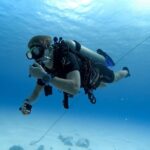
Night scuba at night feels like a secret. Aruba’s shoreline turns into a living underwater world after dark, and the setup at the Mangel Halto area makes it surprisingly smooth. You’ll go out with a PADI instructor and focus on two classic local spots: Mangel Halto Reef and The Hole in the Wall.
What I really liked is how much the team leans into safety and comfort before you ever head in. You’ll get fitted with equipment before the session, and the guide support shows—especially if you’re a bit rusty. I also like the small-group feel, with a max of 6 participants, so you’re not just a number in the dark.
One consideration: night conditions can make distance feel longer. One useful heads-up from experience on this route—plan for a shore swim before you’re fully in position, and bring the right add-ons so you’re not working too hard just to get comfortable.
In This Review
- Key highlights you’ll care about
- Night shore scuba in Aruba: why 7:00 pm is the sweet spot
- Where you meet and how the evening flows
- Gear fitting and pre-water checks: how to feel confident in the dark
- Mangel Halto Reef: coral, creatures, and controlled movement
- The Hole in the Wall: why this spot works so well at night
- Shore entry swim: the part people underestimate
- What “1 tank night” really means for your trip
- Small group size: why max 6 changes everything
- Facilities at the shop: simple comforts that matter
- Price and value: does $80 make sense here?
- Who this night shore scuba experience is best for
- Practical tips I’d use before you go
- Should you book Night shore scuba at Mangel Halto?
- FAQ
- What time does this night shore scuba session start?
- How long is the experience?
- Is pickup available?
- Where does it start and end?
- What sites will we visit?
- Is this only for experienced divers?
- What’s the cancellation policy?
Key highlights you’ll care about
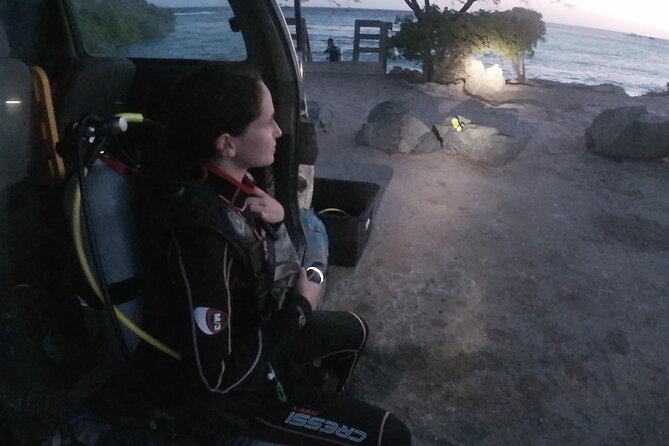
- 1 tank, night shore format keeps it focused and manageable for certified divers
- Mangel Halto Reef + The Hole in the Wall gives you variety in one outing
- Small group (max 6) means more hands-on attention from your guide
- Equipment fitting on site so you’re not scrambling at the last minute
- Facilities available at the shop: showers, lockers, and restrooms
Night shore scuba in Aruba: why 7:00 pm is the sweet spot
There’s a reason night underwater experiences feel different from daytime. Light changes fast once the sun is gone, and that changes how marine life moves and how you notice details like coral textures and fish behavior. Aruba is known for clear water and reliable conditions, and doing it at night turns the whole island into a new setting.
The timing matters too. A 7:00 pm start gives the day time to cool off and the water to settle into a calm evening rhythm. You arrive in daylight, get sorted with gear, and then the real magic happens once you’re out there.
You can also read our reviews of more tours and experiences in Aruba.
Where you meet and how the evening flows
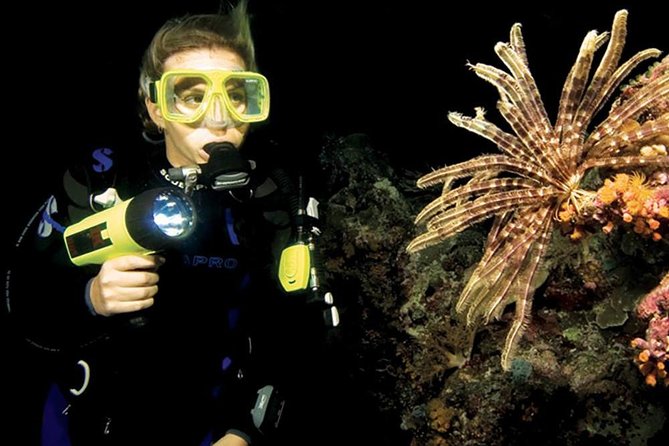
Your meeting point is Ir. Luymesstraat 3, Savaneta, Aruba, with the activity ending back at the same place. Pickup is offered, which helps if you’re juggling beach time, dinner plans, and the rest of your trip.
The outing runs about 2 hours. That’s a realistic length for a night shore session: enough time to get through the full sequence (gear, checks, water time, and back on land) without turning the evening into a half-day project.
Because this ends where it starts, you can plan dinner afterward without needing a complicated transit plan. If you’re staying nearby, it’s the kind of activity that fits nicely between a sunset walk and late dinner.
Gear fitting and pre-water checks: how to feel confident in the dark
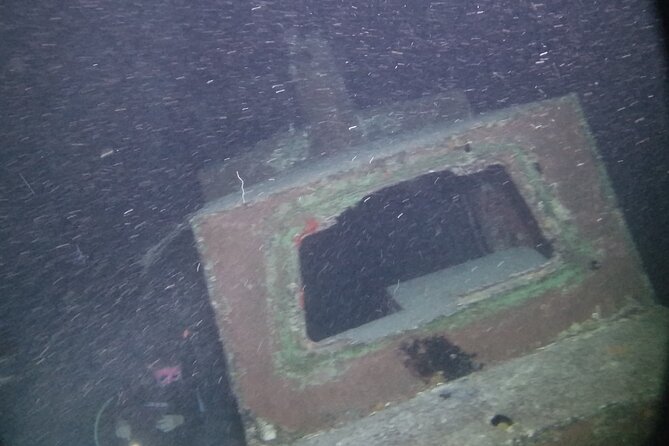
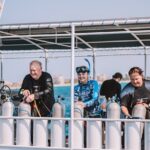
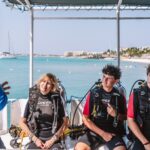
This is a certified diver outing, but it’s still designed so you don’t show up “perfect” and hope for the best. You’ll be fitted with equipment before you head out, and that matters more than it sounds.
At night, your comfort depends on small things:
- How the mask fits
- How the regulator feels once you’re calm
- Whether your weights and setup are dialed in
- How quickly you can follow your guide’s hand signals
One thing that stood out in experiences shared about this shop is patience. If it’s been a while since you were certified, a good instructor can do a brief refresher so your body remembers the routine. Bruno is one guide you may be paired with, and the big theme from his approach is clear procedures plus calm confidence.
If you’re nervous, your best move is to tell the staff early that you want everything explained slowly. Night work rewards planning, not bravado.
Mangel Halto Reef: coral, creatures, and controlled movement
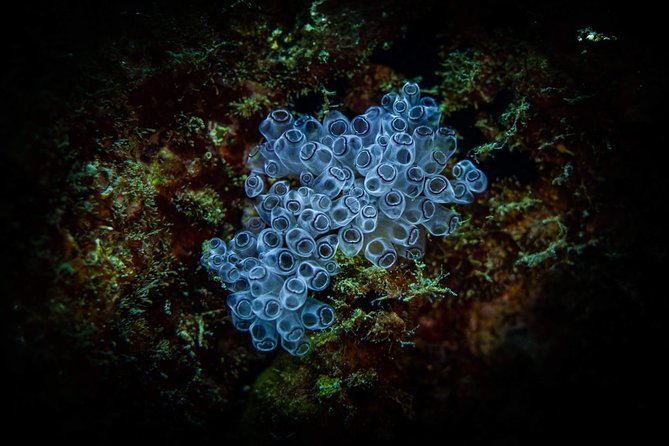
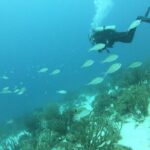
The first featured area is Mangel Halto Reef. In daytime, you can spot fish and coral pretty easily. At night, it’s more about observation. Your light becomes a tool, and your guide helps you use it without turning the experience into random flashing.
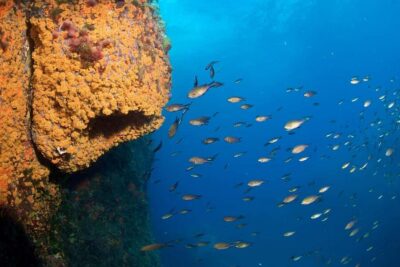
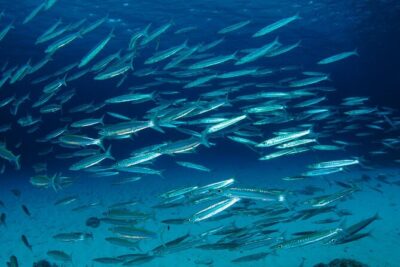
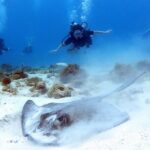
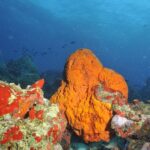
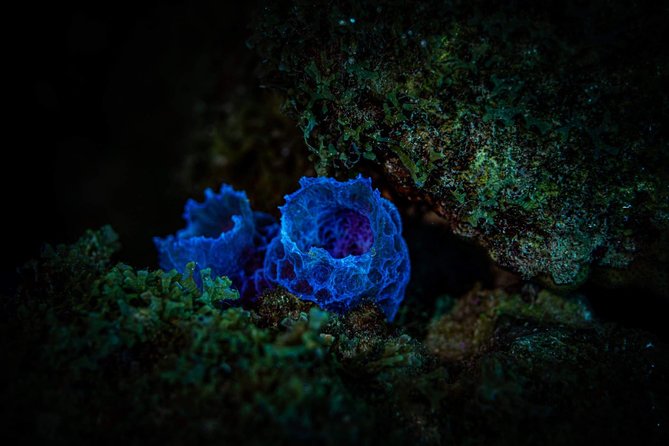
Expect a mix of coral scenery and local marine life. The exact species can vary by conditions and visibility, but what stays consistent is the feel: you’re watching an active underwater neighborhood, not just looking at a picture.
Here’s what you should aim for mentally: slow pace, steady buoyancy, and letting the guide set the rhythm. Night visibility can be tricky. The more controlled you are, the better your chances to see fish behavior rather than just your own bubbles.
The Hole in the Wall: why this spot works so well at night
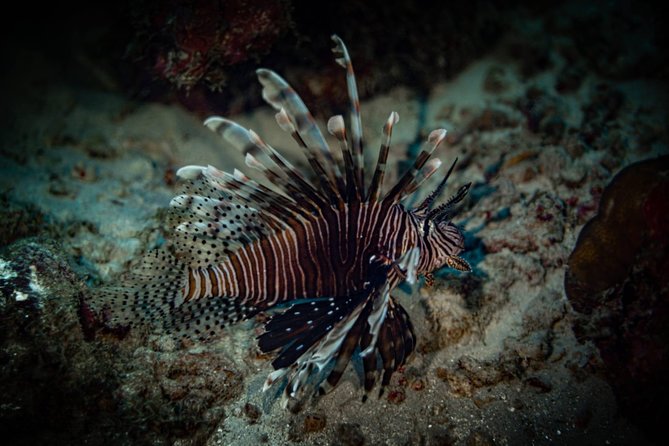
The other featured site is The Hole in the Wall. This is a classic kind of underwater “structure spot,” the sort of place where the environment creates interesting angles and hiding places for marine life. At night, that structure becomes even more compelling because shadows and light reveal movement you might miss in broad daylight.
This kind of site is great for photographers too, but you’ll get more out of it if you focus on watching first and shooting second. Night scuba is not the time to sprint around for quick views. It’s the time to let the scene come to you.
If you’re worried about navigation, don’t be. With a guide leading the way, you’re not trying to figure out where to look. Your job is simply to follow instructions and keep your system working smoothly.

Shore entry swim: the part people underestimate
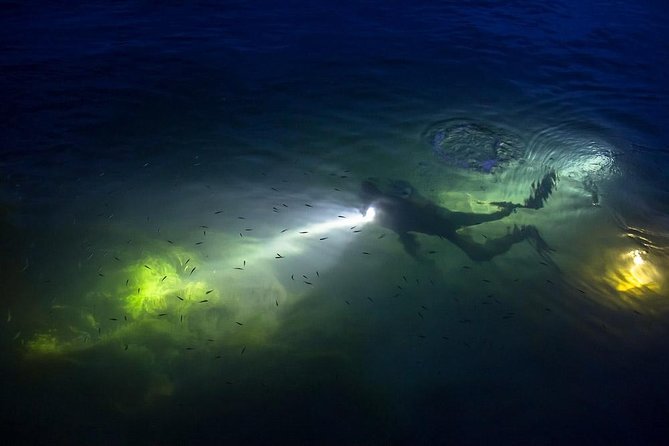
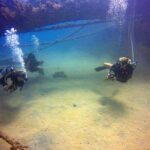
This outing is described as a shore dive/scuba session, with entry from the beach area at Mangel Halto or The Hole in the Wall. One key practical detail matters here: you may need to swim out before you’re set up properly.
A strong piece of advice from experience with this exact setup: plan on swimming out roughly 75 to 100 yards from the beach. That’s not a marathon, but it can feel longer when it’s dark and you’re focused on breathing and buoyancy.
So make it easier on yourself. Bring the gear you’re allowed to use and that helps you relax. One tip that comes up for this route is to have a snorkel ready. It can reduce stress for those longer in-between moments (like when you’re waiting your turn in the entry sequence or catching your breath before you settle).
Also, be honest with your guide about comfort level during entry. If you need to take it slow, that’s normal. The best outcomes happen when you conserve energy and keep your head clear.
What “1 tank night” really means for your trip
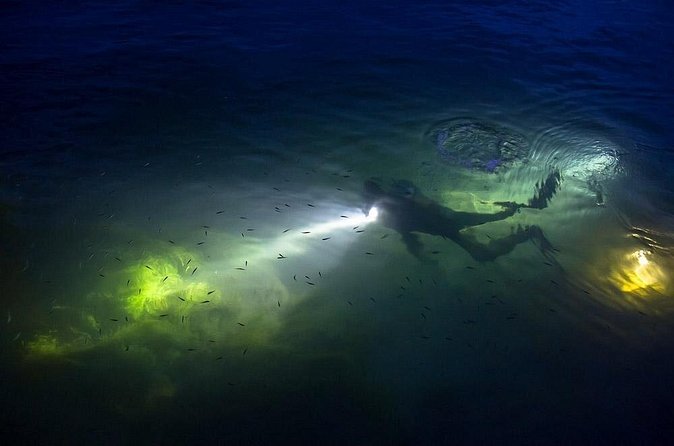
This is a 1 tank format, so your time in the water is designed to be high-impact without dragging on. That’s part of the value. You get the full night experience—gear, coordination, and two local areas—without spending your whole evening underwater.
You also get a smoother travel day. Two hours total means you can keep your Aruba schedule intact. It’s also easier to fit if you’ve already planned a daytime activity and want one distinct “only at night” moment.
In practical terms, 1 tank works well for:
- returning certified divers who want a manageable restart
- photographers who want a focused window
- anyone who wants night conditions without turning it into an all-night ordeal
Small group size: why max 6 changes everything
With a maximum of 6 travelers, the guide can actually keep eyes on everyone. That might sound obvious, but at night it’s huge. Your attention naturally shifts toward depth, buoyancy, and your light. With fewer people, it’s easier for the instructor to correct small issues quickly.
Small groups also make it easier to ask questions before you enter the water. If you’re uncertain about your gear or your night routine, you can get clarity fast rather than hoping someone hears your question.
Facilities at the shop: simple comforts that matter
You’ll have access to showers, lockers, and restrooms at the dive shop. That’s not a luxury detail—it’s an Aruba sanity-saver.
After a night session, you don’t want to hunt for a place to rinse off or change. Having that setup on site makes it easier to head straight back into regular vacation mode.
Price and value: does $80 make sense here?
This costs $80 per person. For Aruba at night, with a PADI instructor and a 1-tank setup that includes equipment fitting, that price is generally in the “good deal” zone—especially because you’re not joining a giant group and hoping for the best.
Where the value really shows:
- You get guided support at night, when it matters most
- You get two well-known local areas in one outing
- You get on-site equipment fitting and standard facilities
If you’re comparing costs, don’t just look at the dollar figure. Look at what’s included in your comfort and safety. Gear fitting, proper procedures, and small-group attention are the difference between a night you remember and a night you just survive.
Also, this is commonly booked about 26 days in advance. Booking earlier usually helps you lock in a good slot, especially if your schedule is tight.
Who this night shore scuba experience is best for
This outing suits all skill levels of certified divers, from beginner to seasoned pro. That range is a good sign: the experience is built around structured guidance rather than freestyle chaos.
It’s especially good if:
- you’re certified but it’s been a while
- you want a first night experience with coaching
- you like seeing marine life in a quieter, less predictable setting
- you want Aruba’s “top things to do” feeling without a complicated schedule
It may not be your best fit if:
- you’re not comfortable with shore entry and a noticeable swim out
- you’re expecting a quick, relaxed stroll with zero physical effort beforehand
Practical tips I’d use before you go
Here’s the simple stuff that makes a real difference on night shore sessions in Aruba.
Bring a snorkel. It can help you stay calm during the swim-out and in the moments before you fully settle. If you already have one, use it.
Tell the staff if you want a refresher. If night is new to you or certification is old, ask for a slow, clear run-through. Bruno is one example of a guide who’s known for patience and doing that step before getting you into the water rhythm.
Plan to move slow on entry. Dark water makes everything feel different. Move with the guide’s pace and don’t race to the “best view spot.”
Wear yourself for comfort. You’ll have a shop with showers and lockers, so focus on being practical: something easy to rinse, change, and head out in after.
Should you book Night shore scuba at Mangel Halto?
I’d book it if you want a classic Aruba experience that feels special because it’s done at night. The combination of two local spots (Mangel Halto Reef and The Hole in the Wall), a PADI instructor, and a small group makes this a strong value play for a 1-tank evening session.
I’d think twice only if shore entry and swimming out is a deal-breaker for you. If you’re comfortable with that part and you show up ready to follow instructions, this is the kind of outing that can turn an ordinary day on Aruba into a night you’ll remember for the animal behavior and the way the underwater scene changes after dark.
If you do book, pack smart, bring your snorkel, and ask for whatever refresher you need so you start the night feeling in control.
FAQ
What time does this night shore scuba session start?
It starts at 7:00 pm.
How long is the experience?
The duration is about 2 hours (approx.).
Is pickup available?
Yes, pickup is offered.
Where does it start and end?
It meets at Ir. Luymesstraat 3, Savaneta, Aruba, and the experience ends back at the same meeting point.
What sites will we visit?
You’ll go to Mangel Halto Reef and The Hole in the Wall.
Is this only for experienced divers?
It’s for certified divers of all skill levels, including beginners and seasoned pro.
What’s the cancellation policy?
You can cancel for free. Cancel up to 24 hours in advance for a full refund, and cancellations within 24 hours are not refunded. If the experience is canceled due to poor weather, you’ll be offered a different date or a full refund.