REVIEW · TULUM
2 tanks Cenote Diving Adventure in Tulum for Certified Divers
Book on Viator →Operated by La Calypso Dive Center · Bookable on Viator
Tulum cenotes look unreal fast. This 2-tank scuba outing in cenotes near town is interesting because you get two very different underwater settings: an easy open-air stop at Casa Cenote and a second session in Dos Ojos with cave scenery and light play. I especially like the small-group feel (max four people) and the way the experience is managed end to end, with gear, entrance fees, and roundtrip transport handled so you can focus on the water.
I also like the instructor-led support you’ll see in the way guides like Martino and Alex are described—calm, organized, and safety-focused. One possible drawback: this isn’t a casual option for everyone, and the operator specifically warns that asthma may prevent participation, plus you must bring proof of certification.
In This Review
- Key Highlights You’ll Actually Notice
- What a 2-Tank Tulum Cenote Scuba Day Includes (and Why It Matters)
- Where You Start: La Calypso Check-In, Equipment, and Getting Ready
- Casa Cenote (First Stop): The 40-Minute Open-Air Warm-Up
- Dos Ojos (Second Stop): Cavern Scenery, Bat Cave Moments, and Light Plays
- Timing and Group Size: Why Max Four People Changes Everything
- Instructor Support: What “Professional and Safe” Looks Like in Real Life
- Certification, Health Checks, and the Rules You Can’t Ignore
- Price and Value: Is $200 Fair for Two Cenotes?
- Practical Tips to Get the Most From Casa and Dos Ojos
- Should You Book This 2-Tank Cenote Scuba Trip?
- FAQ
- How many tanks and cenotes are included?
- How long is the experience?
- What time does it start, and where do I meet?
- Do I need dive certification?
- Is this only for certified divers?
- What’s included in the price?
- Is lunch included?
- Do they pick you up from your hotel?
- Is the tour recommended for people with asthma?
- Is there free cancellation?
Key Highlights You’ll Actually Notice
- Max 4 people for a calmer, more personal pace
- Two cenotes, two vibes: Casa Cenote open air plus Dos Ojos cave scenery
- Instructor guidance with strong safety focus, with examples like Martino and Alex
- Big visual payoff: limestone formations, ancient fossils, bat cave moments, and lighting effects
- All fees covered so you don’t end up hunting for add-ons
What a 2-Tank Tulum Cenote Scuba Day Includes (and Why It Matters)
For $200, you’re buying more than time underwater. You’re paying for a managed half-day that strings together the best parts of Tulum cenotes without making you coordinate gear, entry fees, or logistics on your own.
This is designed as about a 5-hour outing (starting at 8:30 am) with two scuba sessions at two different cenote locations. You’ll get scuba gear, an experienced instructor, and a snack plus drinkable water, and the schedule includes roundtrip transport from the meeting point.
The most practical value here is simplicity. You show up, get equipped, and spend your time where it counts: in the water. And because entrance fees are included, you’re not worrying about surprise charges once you arrive.
You can also read our reviews of more tours and experiences in Tulum.
Where You Start: La Calypso Check-In, Equipment, and Getting Ready
Your morning begins at the meeting point at La Calypso on Calle Sagitario Esquina con Calle Osiris, Tulum Centro (start time 8:30 am). You’ll meet up first to get fully equipped, then you’ll head out in an air-conditioned vehicle to the cenotes.
That early equipment step is more important than it sounds. In cenotes, things move at a steady pace, and having gear fitted before you roll out helps you avoid the last-minute scramble that can sour the experience.
If you’re the type who likes knowing what’s next, this tour’s structure is friendly: one clear start point, a driver/guide component, and a straightforward progression through the two cenotes. The group size cap at four people also means you’re not getting lost in a crowd while you gear up.
Casa Cenote (First Stop): The 40-Minute Open-Air Warm-Up
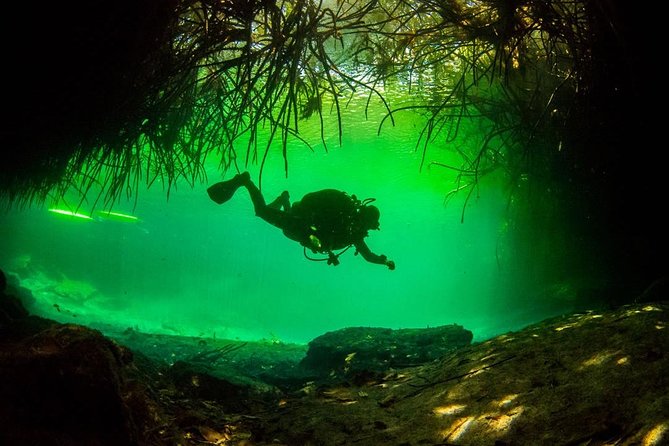
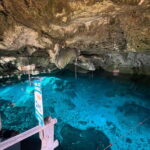
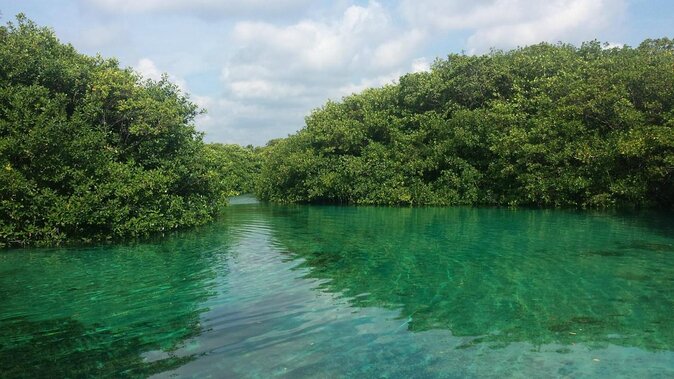
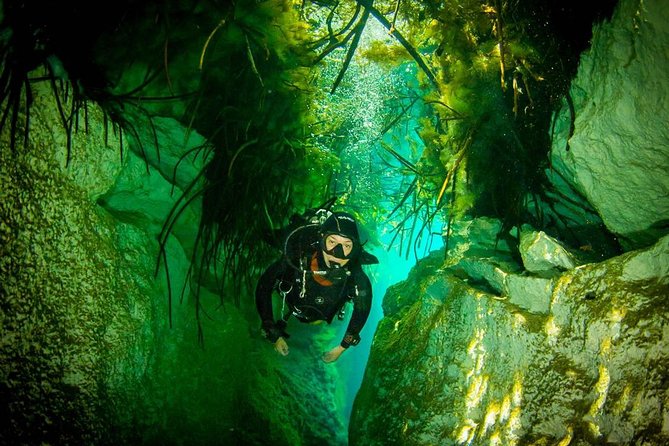
The first water time is at Casa Cenote, with an easy 40 minutes in an open-air cenote setting. This matters for two reasons. First, it’s a gentle lead-in after you’ve traveled and equipped. Second, it’s a good way to settle your breathing and buoyancy before you head into the more visually dramatic underground environment.
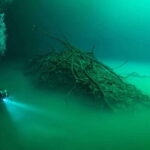
Casa Cenote is described as the starting point for the experience, so you should think of it as your foundation. You’ll observe prehistoric rock formations and ancient fossils as part of the overall theme of the outing, and because it’s open-air, it often feels more approachable than sealed cavern sections.
There’s also an operational note worth knowing: the operator states that certified scuba participants will be able to dive at Casa Cenote even when others are not certified. That suggests Casa is treated as the more accessible portion of the program.
Dos Ojos (Second Stop): Cavern Scenery, Bat Cave Moments, and Light Plays
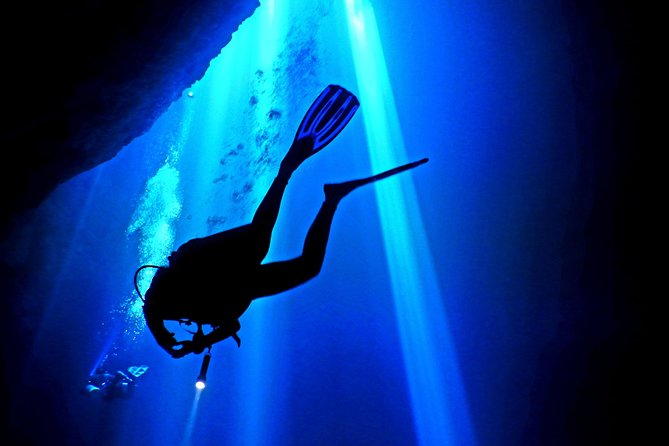
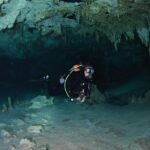
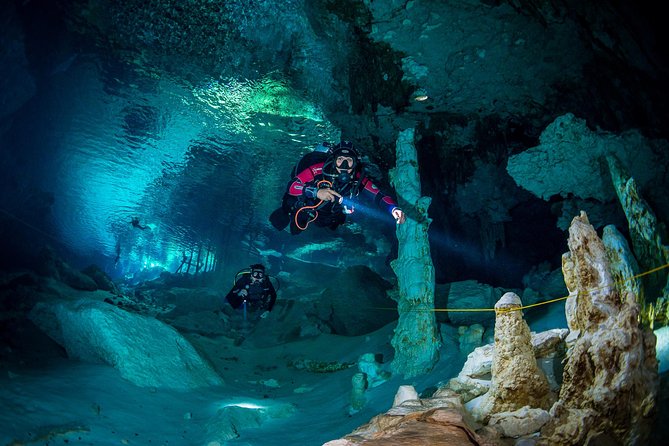
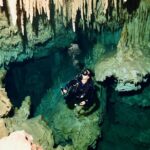
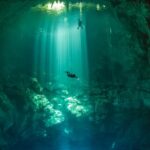
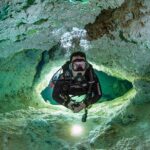
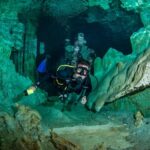
The second stop is Cenotes Dos Ojos, about 40 minutes in a cavern setting. This is where the experience shifts from calming to jaw-dropping, because you’re going from open-air clarity to the enclosed feel that makes cenote light behave differently.
You’ll get a front-row view of millions of limestone formations, plus underwater surprises during the second tank. The highlight list also calls out a bat cave and incredible plays of lights, which is exactly the kind of detail that makes Dos Ojos a repeat favorite for photographers and first-timers alike.
One practical caution: cavern environments tend to be more equipment- and procedure-dependent than open-air spots. Even if you’re comfortable underwater, you’ll still want to follow your instructor’s guidance closely so you stay relaxed and in control of your pace.
Timing and Group Size: Why Max Four People Changes Everything
This is built as a half-day plan, roughly 5 hours including transport and check-in. The itinerary flows from your meeting point to the first cenote session, then on to the second. For many people, that timing is a sweet spot: enough time for two full tank experiences without swallowing your whole day.
The maximum of four travelers is a huge quality lever. With fewer people, instructions land better, equipment adjustments can happen quickly, and you’re less likely to feel rushed or ignored. In the reviews, that kind of organization shows up repeatedly in how people describe the lead instructor as helpful and reassuring.
Also, small-group means you can be honest about your comfort level. If you’re a Level One / Open Water certified diver, you can likely match the pace more naturally. And if you’re not the most confident diver, a smaller group can make it easier to get the extra attention you need early.

Instructor Support: What “Professional and Safe” Looks Like in Real Life
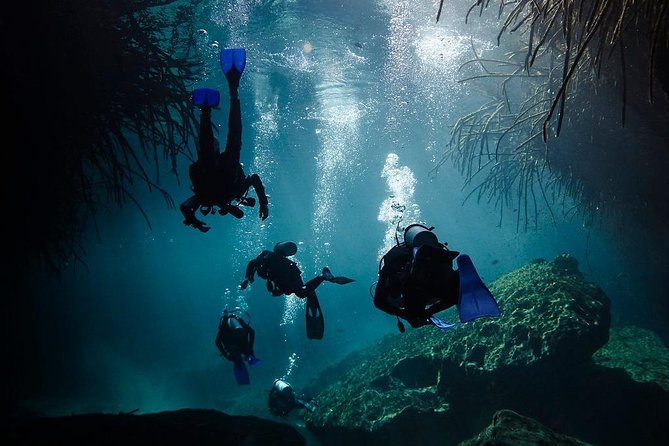
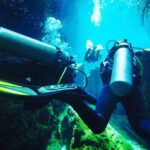
The operator calls this an instructor-led experience, and the reviews back that up with specific names. People have credited Martino for helping them feel comfortable and safe, and they’ve praised Alex for making a less-experienced participant feel at ease. Another review highlights Bebe as a thoroughly experienced dive master and a great lead.
What you’re really looking for in a cenote scuba setting is not bravado. It’s clear guidance, calm communication, and a plan that keeps the group together. The repeated praise for organization and safety suggests you’re dealing with a team that knows how to run both inexperienced and more cautious divers smoothly.
If you’re a beginner (but still certified), this kind of support can be the difference between feeling overwhelmed and actually enjoying yourself. If you’re more experienced, it still helps because you’ll get a well-run route and less time managing logistics.
Certification, Health Checks, and the Rules You Can’t Ignore
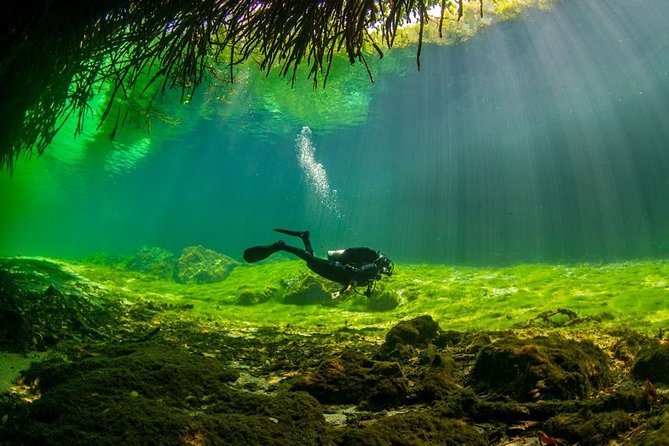
This tour is for certified divers. The operator states you need evidence of dive certification and that participation is only for minimum Open Water certified divers (Level One certification and above are welcome). That matters because cenote conditions and cavern sections require appropriate training.
Also note a key operational detail: some parts are treated differently in terms of who can participate. The operator specifically says that scuba divers will only be able to dive in Casa Cenote with non certified divers. In plain terms, Casa is the place where mixed certification situations can occur, while the overall program still requires proof of your certification for certified participants.
Health is the other gate. You’ll complete a health questionnaire, and the operator notes some conditions (including asthma and heart conditions) may prevent you from diving. There’s also guidance not to dive within 12 hours of flying, so plan your travel so you’re not arriving from a flight right before the water time.
Finally, understand the risk policy: once you enter the water and begin the underwater portion, refunds aren’t possible. That doesn’t mean the operator is trying to be difficult. It just means you should confirm you’re medically good to go and your schedule lines up.
Price and Value: Is $200 Fair for Two Cenotes?
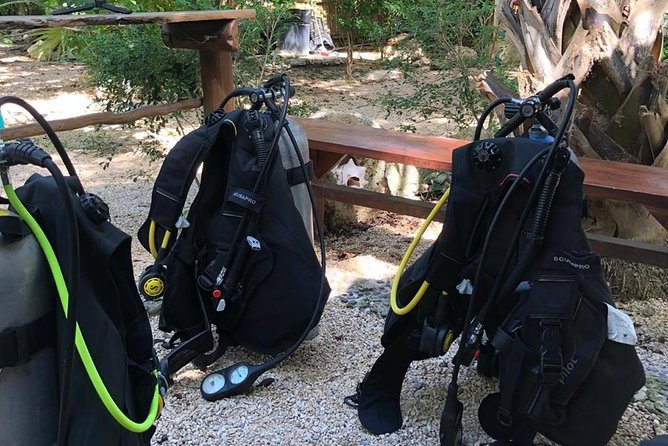
At $200 per person, you’re paying for two different cenote sessions, an experienced instructor, scuba equipment, and entrance fees—all with no extra fee called out. You also get a snack and drinkable water, plus roundtrip transportation from the meeting point in an air-conditioned vehicle.
A big part of the value here is that the price covers the stuff that often gets added later on other activities: entrance fees and gear. When those are included, you avoid that frustrating end-of-tour moment where the total climbs after you’ve already committed your time.
This also tends to be good value because you’re getting two underwater locations in one half-day. If you were to book separate single-cenote experiences, it’s common to lose time and pay extra in transportation and entry fees. Here, the schedule bundles it together.
In short: you’re paying a solid, understandable amount for a tightly managed half-day, not a bare-bones activity where you have to solve everything yourself.
Practical Tips to Get the Most From Casa and Dos Ojos
I’d plan this as a morning where you’re ready to focus. You’ll be equipped right away, then you’ll head into two different underwater environments back to back.
A few helpful things to keep in mind:
- Arrive a few minutes early so gear fitting and check-in feel unhurried.
- Bring your dive certification proof (the operator requires evidence).
- If you have any health concerns, don’t guess—follow the operator’s health questionnaire logic and your doctor’s advice.
- Think of Casa as the warm-up tank and Dos Ojos as the visual payoff tank. Adjust your expectations accordingly.
One funny but real tip: cenote water can be sensational, but gear and surfaces are still part of the package. A review noted a friendly No Sand moment, which is a reminder that you should be prepared for the experience to be more about underwater scenery than beach-style comfort.
The best part is that, with strong instruction and a tiny group, you can concentrate on the formations. Dos Ojos in particular has a reputation for lighting effects and limestone shapes, and the whole point of this itinerary is to see those details in sequence.
Should You Book This 2-Tank Cenote Scuba Trip?
I think this is an excellent choice if you want a small-group cenote experience with two tanks and two different environments in one morning. It’s especially a good fit for Open Water certified divers who want the structure and reassurance of an experienced instructor, and it’s also likely appealing if you’re curious about cavern scenery but you want it handled with clear guidance.
Skip it (or at least double-check) if you have asthma, a heart condition, or any medical factor that might show up on the health questionnaire. Also, be honest with yourself about timing if you’re flying soon—there’s guidance not to do the underwater portion within 12 hours of flying.
If your goal is to see Casa Cenote first, then level up into Dos Ojos for those limestone, bat cave, and light moments, this itinerary matches that plan cleanly. For many people, that mix is the sweet spot: approachable enough to feel comfortable, special enough to feel unforgettable.
FAQ
How many tanks and cenotes are included?
You get 2 cenote sessions at two different locations: Casa Cenote and Cenotes Dos Ojos.
How long is the experience?
The total duration is about 5 hours.
What time does it start, and where do I meet?
It starts at 8:30 am at La Calypso in Tulum Centro.
Do I need dive certification?
Yes. You must provide evidence of certification, and the experience is for minimum Open Water certified divers (Level One and above are welcome).
Is this only for certified divers?
The program is for certified divers, and the operator notes that certified scuba participants will only be able to take part in Casa Cenote with non-certified divers present.
What’s included in the price?
Included: scuba gear, entrance fees, experienced instructor, snack and drinkable water, and roundtrip transportation from the meeting point, plus all fees and taxes.
Is lunch included?
No. Lunch and breakfast are not included.
Do they pick you up from your hotel?
No. Hotel pickup and drop-off are not included.
Is the tour recommended for people with asthma?
It’s not recommended for travelers with asthma, and you’ll complete a health questionnaire before diving.
Is there free cancellation?
Yes. You can cancel for a full refund up to 24 hours before the experience’s start time.