REVIEW · ARUBA
Aruba PADI Scuba Diving Program Non Certified Divers
Book on Viator →Operated by Nautilus Dive Center Aruba · Bookable on Viator
Want to try scuba without the certification grind?
This Aruba small-group program from Nautilus Dive Center Aruba teaches the basics first on land, then in shallow water, and finishes with an underwater reef experience at Mangel Halto Reef. I like that all your gear is provided, so you don’t scramble for rentals. I also like the max of four per group, which means you get real attention instead of being one of a crowd.
One thing to plan for: the overall flow can include some waiting while video, paperwork, and equipment get sorted before you get in the water.
In This Review
- Key Points Before You Go
- Aruba’s Non-Certified Scuba Tryout: What It Really Is
- The Small-Group Setup That Makes Beginners Feel Normal
- Your Instructor + the “Learn First, Then Go” Flow
- Classroom basics: video, book, and a quiz
- Skills in shallow water
- Finish with the reef experience at Mangel Halto
- Meeting Point and Pickup: How to Avoid a Timing Headache
- Gear Included Means You Can Travel Lighter
- Comfort Details That Matter More Than You’d Think
- Who This Program Is Best For
- Price and Value: Is $99 Worth It?
- The Most Praised Parts That Keep Showing Up in Real Feedback
- Possible Downsides (And How to Reduce the Risk)
- Underwater Expectations: What You’ll Actually Remember
- Should You Book Nautilus Dive Center’s Discover Scuba Tryout?
- FAQ
- FAQ
- Is this a scuba certification course?
- How long does the experience take?
- How many people are in a group?
- Where does it start and end?
- Is pickup available?
- What do you do before getting in the water?
- Do you practice skills in shallow water first?
- What reef area is visited?
- Is scuba gear provided?
- What fitness level do I need?
Key Points Before You Go
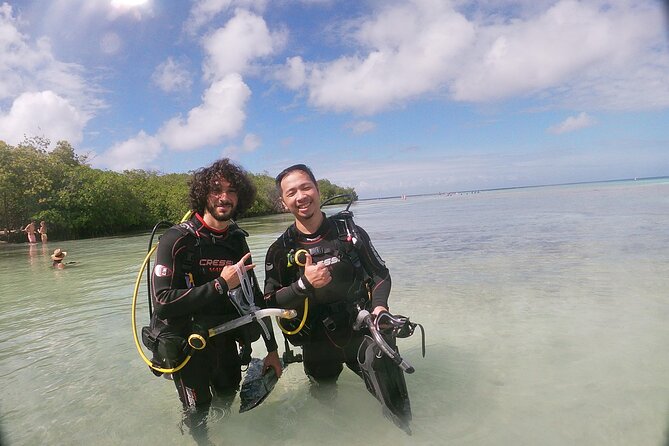
- Gear included: you don’t have to hunt down a mask, fins, or tank setup.
- Max four per group: your instructor can slow down when you need it.
- Clear sequence: land basics → shallow-water skills → open-water reef time.
- PADI program completion: you receive a Certificate of Completion (not open-water certification).
- Comfort extras: water plus bananas or chocolate to keep you going.
- Mangel Halto Reef: the underwater swim is focused on seeing coral and fish in the Aruba waters.
Aruba’s Non-Certified Scuba Tryout: What It Really Is
This experience is made for people who are curious about scuba but don’t have the certification card yet. The program follows a PADI Discover Scuba-style structure, where you learn the core ideas, practice the key skills in controlled conditions, and then do a guided underwater session.
It’s important to set expectations. This is not a full certification course. Think of it as a supervised taste test that helps you understand what scuba feels like, what you’re responsible for underwater, and whether you actually like it enough to continue toward certification later.
You can also read our reviews of more tours and experiences in Aruba.
The Small-Group Setup That Makes Beginners Feel Normal
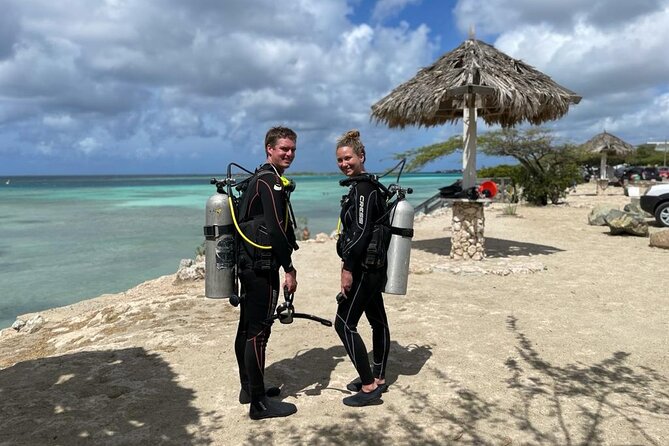
Aruba is great for first-timers, and this setup leans hard into the beginner experience. The group is capped at four travelers, which changes everything.
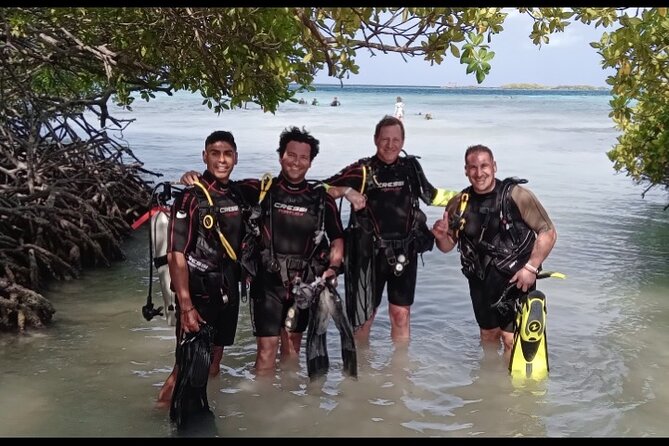
When you’re learning buoyancy, breathing, and simple underwater movement, you don’t want your instructor juggling multiple students. Here, you’re likely to get clear, step-by-step coaching and quick corrections if something feels off. That shows up in the feedback too: the instructors are repeatedly described as patient, calm, and attentive—especially with first-time divers and even people who hadn’t been in the water for years.
You also get a nice “team vibe” from the tight group size. You’ll move through skills together, and the instructor can keep the pace comfortable rather than rushing to fill time.
Your Instructor + the “Learn First, Then Go” Flow
The program runs about 3 hours. Even with that short time, it follows a smart progression:
Classroom basics: video, book, and a quiz
Before you get wet, you’ll spend time with the PADI materials. You can expect:
- about 20 minutes of video
- reading the PADI program book
- completing a quiz
This part matters more than it sounds. It’s the bridge between watching scuba videos on your phone and understanding the real mechanics—breathing from the regulator, how pressure changes your behavior, and what “good and safe” looks like in practice.
If you’re the type who panics when you don’t know what’s happening next, this step can actually help. It gives you a script for what you’re about to do.
Skills in shallow water
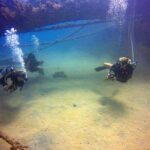
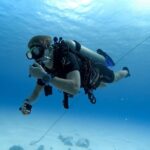
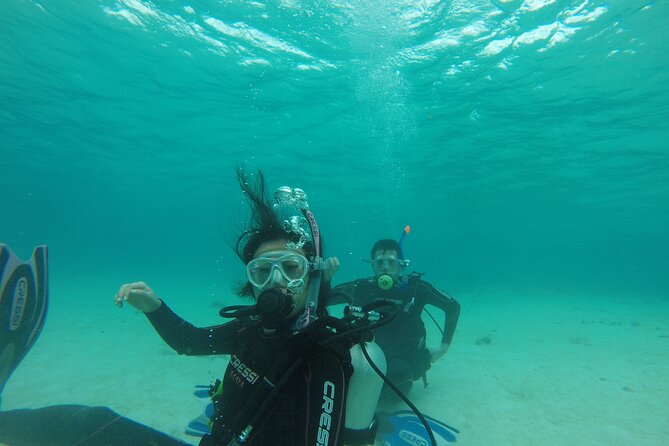
After the classroom portion, you practice in shallow water. The goal here is confidence, not heroics. You’ll work on core skills with direct supervision, while you get used to the gear and the feeling of moving with it.
This is where the best beginner outcomes tend to come from. Many people assume the hard part is the underwater scenery. Often, the hard part is just staying relaxed while you get used to breathing and buoyancy. Practicing first in shallow water lets you learn those basics safely.
Finish with the reef experience at Mangel Halto
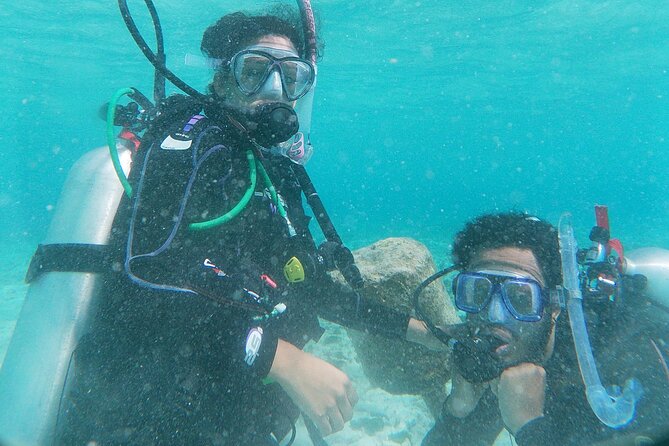
When your instructor feels you’re ready, you’ll head into the “big water” portion and explore the Mangel Halto Reef area.
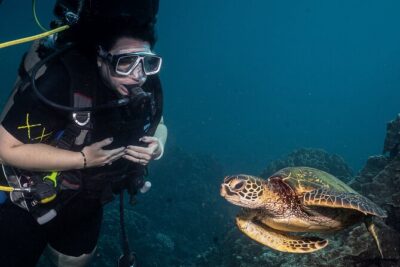
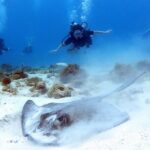
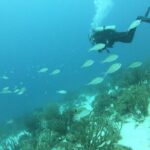
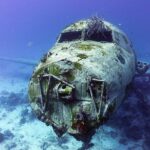
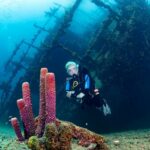
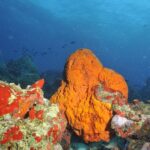
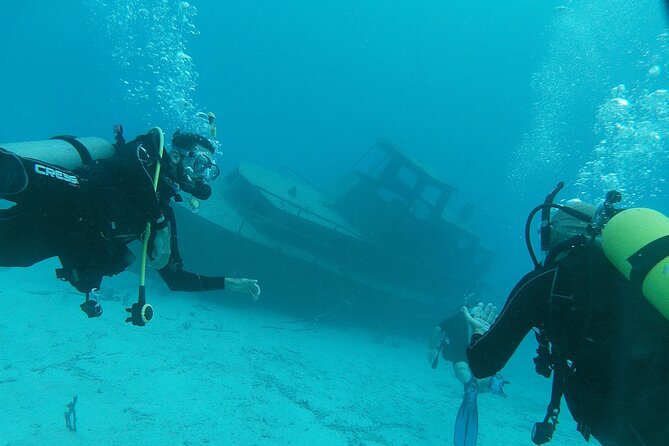
What you can hope to see: coral, fish, and marine life that’s typical for Aruba reef conditions. Some groups also report spotting shipwreck or sunken-ship sights during their underwater time. You should treat that as a nice possibility rather than a guarantee, since underwater visibility and site conditions can vary.
Meeting Point and Pickup: How to Avoid a Timing Headache
You’ll start at Ir. Luymesstraat 3, Savaneta, Aruba, and the activity ends back at the meeting point.
Pickup is offered. The easiest approach is to plan like this: if you request pickup, confirm the exact pickup spot and timing when you book. Aruba logistics can be simple, but being vague is how people end up stressed.
Also note the experience is described as near public transportation. That’s useful if you’re already staying in the area or you prefer to self-arrange transportation.
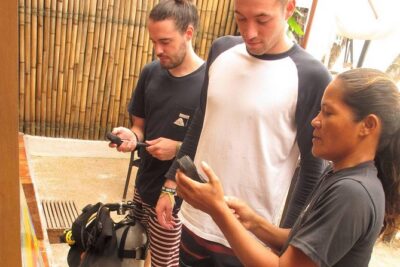
One real-world lesson from the experience style: show up ready and on time. Even with good instructors, the first steps include video, equipment organization, and coordination with the group. If you arrive late, you can lose precious time in the session.
Gear Included Means You Can Travel Lighter
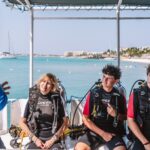
One of the strongest practical values here is simple: all your gear is provided.
That usually covers the essentials you’ll need for the underwater experience. You don’t have to bring a dive bag full of rental hunting, and you don’t have to hope your hotel neighbor knows a guy who rents masks at 8 a.m.
This is especially helpful if you’re doing Aruba as a cruise stop or short stay, where packing and timing are already tight.
Comfort Details That Matter More Than You’d Think
This isn’t just “scuba stuff.” You also get:
- water
- bananas or chocolate (to keep energy steady)
That sounds minor until you’re the one with nerves and a stomach that gets weird when you’re excited. A small snack and hydration can help you stay calm through the classroom portion and into practice skills.
Who This Program Is Best For
This is a great fit for:
- first-timers who want guidance before they commit to certification
- people who did scuba long ago and want a refresher style session
- anyone who values slow instruction and safety-focused coaching
The experience also asks for moderate physical fitness. You don’t need to be athletic, but you should be comfortable with basic movement and handling scuba gear during skill practice.
If you know you get very anxious around equipment or unfamiliar training, this program can still work—because you’re in shallow water first—but it’s smart to tell your instructor early so they can set the pace.
Price and Value: Is $99 Worth It?
For $99 per person for roughly three hours, the big value drivers are:
- instruction with a tight group size (max four)
- gear provided
- guided underwater experience tied to a known reef area
- a Certificate of Completion afterward
If you’ve ever tried to piece together rentals, lessons, and an instructor on your own, you know how quickly costs and headaches add up. Here, the whole structure is packaged. You pay once, you show up, and the basics are handled.
Also, the certificate matters in a practical way: it’s a record that you completed a guided program, which can support your next step if you decide to pursue full open-water certification.
The Most Praised Parts That Keep Showing Up in Real Feedback
The feedback pattern is consistent: the experience lands because instruction quality is high and the pacing is beginner-friendly.
Here are the top themes that come up repeatedly:
- Instructors take time to make you feel comfortable and safe before moving onward.
- The tone is calm and patient, especially for nervous first-timers.
- Skills practice is thorough enough that people feel they understand what to do.
- Attention stays personal because the group stays tiny.
- Many people leave energized—some even say they plan to pursue certification next.
You’ll also see instructor names pop up in feedback: Carlos, Javier, Gio, Sebastian, Izhar, and Jolene are mentioned across the experience. That suggests you’ll likely get a professional, team-based teaching approach, even if instructors vary by day.
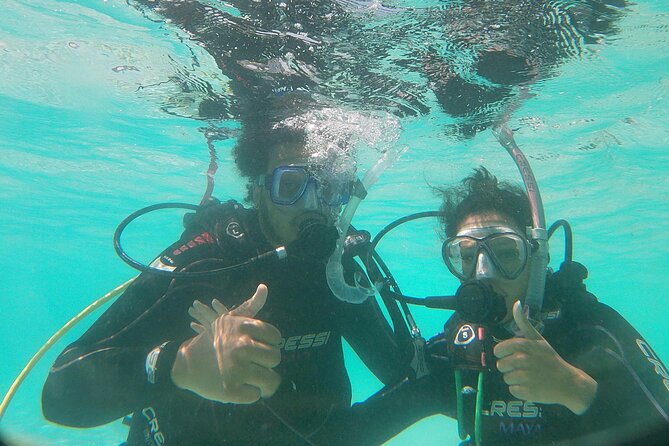
One more practical detail: some instructors use tools like a GoPro for video capture in certain groups. If you care about underwater photos or video, ask on the spot about what’s possible with your instructor and your group.
Possible Downsides (And How to Reduce the Risk)
No experience is perfect. The main downside theme isn’t the underwater part—it’s the session flow.
Some people mention organization and waiting time before they get into the water. That can happen when equipment needs fitting, paperwork and quiz steps take longer than expected, or the group has timing mismatches.
How you reduce that risk:
- arrive a few minutes early
- don’t over-schedule the rest of your afternoon
- eat something beforehand so the video-and-gear portion doesn’t turn into stress
Also, pickup communication can be a weak spot on certain days. The fix is simple: confirm pickup details clearly when you book and again close to your start time.
Underwater Expectations: What You’ll Actually Remember
This is a beginner-first program, so the underwater goal is not to chase depth or distance. It’s to help you:
- feel steady and in control
- breathe normally through the regulator
- see Aruba’s reef life without rushing
Many people report seeing lots of fish and coral, plus the occasional shipwreck or sunken-ship sight depending on the site and conditions. Even if you don’t spot a wreck, the reef scenery plus the novelty of moving underwater is usually the memory you carry home.
Should You Book Nautilus Dive Center’s Discover Scuba Tryout?
Book it if:
- you want a true beginner introduction with gear included and hands-on coaching
- you like the idea of practicing skills in shallow water first
- you’re curious enough to consider certification later, but you don’t want to jump in blind
Skip (or at least ask lots of questions) if:
- you hate training steps like video, reading, and quizzes
- you have very strict timing for the rest of your day (because the session can run with some waiting)
- you need the absolute clearest pickup choreography and can’t confirm details in advance
If you’re choosing between spending money on scattered rentals plus a rushed “try it” moment, this is the more structured, safer-feeling way to test the waters—literally—and decide if scuba is for you.
FAQ
FAQ
Is this a scuba certification course?
No. This is a supervised Discover Scuba-style program. You get a Certificate of Completion, not certification.
How long does the experience take?
It’s about 3 hours (approx.).
How many people are in a group?
The group size is capped at a maximum of four travelers.
Where does it start and end?
It starts at Ir. Luymesstraat 3, Savaneta, Aruba and ends back at the same meeting point.
Is pickup available?
Pickup is offered. You can also meet at the designated spot if that’s easier.
What do you do before getting in the water?
You watch about 20 minutes of video, read the PADI program book, and take a quiz.
Do you practice skills in shallow water first?
Yes. The program includes skills in shallow water before the reef portion in open water.
What reef area is visited?
The underwater portion is at Mangel Halto Reef.
Is scuba gear provided?
Yes. All your scuba gear is provided.
What fitness level do I need?
The experience is for people with a moderate physical fitness level.