REVIEW · OAHU
Safe and Educational Shark Dive from Haleiwa: Sharks Guaranteed
Book on Viator →Operated by One Ocean Diving · Bookable on Viator
Sharks, taught like science class. This Haleiwa shark swim is built around research and marine education, so you know what you’re looking at and how to act around it. Haleiwa is your starting line, and the whole day runs with safety and respect in mind.
What I like most is that you get real instruction before you ever enter the water. You’ll learn shark behavior and body language, plus how biology and even your own actions change what sharks do. Another big win: the team brings snorkeling and safety gear, and you spend quality time in the water with multiple sessions, plus optional photo/video coverage that people say is worth considering—names that show up in the field include Gina and Zac.
One consideration: your water time may be structured. Some people report staying on a secure rope line more than they expected, so if you’re hoping for totally free roaming, you’ll want to be ready for a guided, controlled setup.
In This Review
- Key highlights before you go
- Where You Meet in Haleiwa and What the 2-Hour Plan Looks Like
- Ocean Ramsey’s Research-Based Approach to Sharks
- The Pre-Water Briefing: Reading Shark Behavior and Staying Calm
- Snorkeling Setup: Gear, Rope, and How Many Times You Get In the Water
- Species Spotting in Oahu Waters: Sharks, Whales, and Pelagic Fish
- MANO and the Hawaii Shark Count: Why This Matters Beyond Your Trip
- The People on the Boat: Safety First, With Real Personalities
- Value Check: Is $165.71 Reasonable for This Level of Coaching?
- Weather, Motion Sickness, and Day-of Expectations
- Should You Book This Shark Swim From Haleiwa?
- FAQ
- How long is the shark experience?
- Where does the tour start in Oahu?
- Is this a private tour?
- What language is the tour offered in?
- Is snorkeling equipment provided?
- What happens if the weather is poor?
- What is the cancellation window for a full refund?
Key highlights before you go
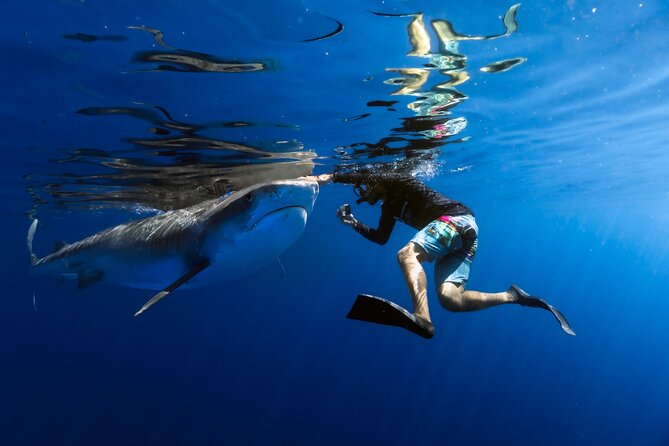
- Marine biologists teach you what sharks are thinking, including behavior and body language
- Safety-focused coaching that helps first-timers feel steady in the water
- Snorkeling gear provided, with a setup that keeps you connected to the boat
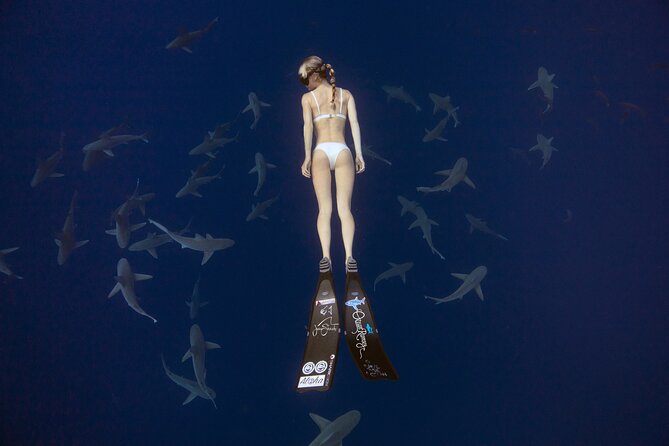
- Species-spotting skills so you can tell different sharks and pelagic animals apart
- MANO culture + Hawaii Shark Count ID support, so the day connects to conservation
- Photo/video options available, including a dedicated photographer (Bret is one name that comes up)
Where You Meet in Haleiwa and What the 2-Hour Plan Looks Like
Your tour starts and ends at the Haleiwa Commercial Loading Dock, 66-101 Haleiwa Rd, Haleiwa, HI 96712. The total outing runs about 2 hours (approx.), which is a sweet spot if you want a high-impact ocean experience without losing half your day.
This is a private format, meaning only your group participates. That matters because shark time rewards good instructions and calm coordination. If your group is comfortable following directions together, you’ll get more out of the briefing and the time in the water.
You’ll also want to plan around the fact that the activity depends on conditions. It’s not listed as weather-proof. The good news is that if it’s canceled for poor weather, you should be offered another date or a full refund, so you’re not stuck guessing forever.
You can also read our reviews of more tours and experiences in Oahu.

Ocean Ramsey’s Research-Based Approach to Sharks
This program is centered on a research story. It began as a research initiative and opened to the public as an educational experience meant to inspire marine conservation. Translation: you’re not just buying an adrenaline moment. You’re learning how researchers think about shark behavior and how sharks use the ocean.
You’ll study how sharks’ biology and physiology influence their behavior, and you’ll also learn how to interpret what you’re seeing in the moment. The tour team teaches the practical side, including how weather and seasonal patterns can affect what shows up during your specific outing.
A notable cultural connection is included too. You’ll learn the significance of MANO (sharks) in Hawaiian and Polynesian culture, and you’ll hear about ways to contribute to or support the ID program for the Hawaii Shark Count. That’s an important value add: it turns your experience into something that can help future conservation work, not just your own photos.
The Pre-Water Briefing: Reading Shark Behavior and Staying Calm
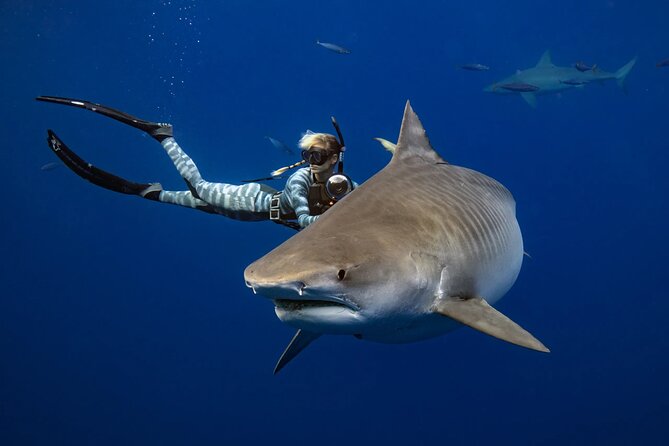
Most people are nervous at first. The best part of this experience is the time you spend understanding what you’re about to meet. On the ride out, your marine biologist and the safety lead go through shark behavior, biology, physiology, and—crucially—how to interact safely.
Here’s what that coaching covers, based on the program’s structure:
- What species of sharks (and other pelagic animals) to watch for, and how to tell differences between them
- How to determine gender and how behavior can differ
- What specific shark behavior and body language to look for
- How your behavior affects shark behavior
- Safe ideas about how to deter or entice a shark or pelagic animal (within research-based protocols)
- How weather and seasons affect activity levels
This is where the experience feels different from typical “go see sharks” tours. You’re not guessing. You’re learning a simple skill set: observe, stay calm, and follow the plan.
And if you get motion sickness easily, don’t ignore the hint you’ll likely receive. One review specifically called out reading instructions for Dramamine before the trip. If you’re the type who gets queasy on boats, plan to handle that before you’re on the water.
Snorkeling Setup: Gear, Rope, and How Many Times You Get In the Water
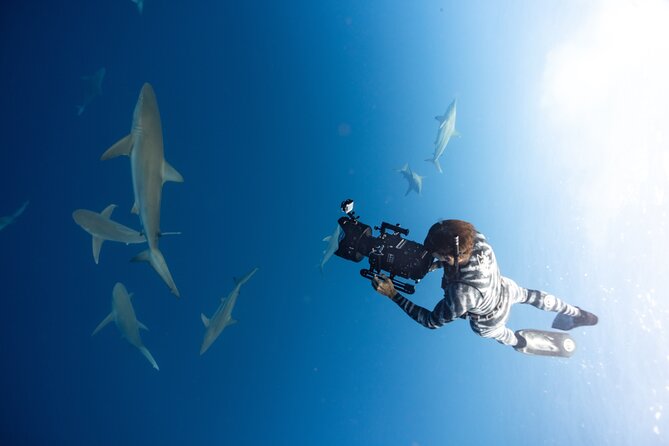
Snorkeling and safety equipment are provided. That’s a real convenience factor, especially if you’re traveling without bulky gear. You’re also not left to figure out the ocean logistics on your own.
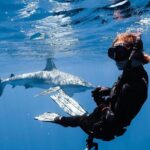
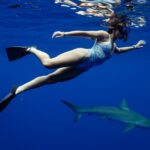
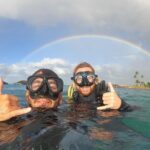
In the water, the setup is designed to keep you controlled and safe. A common description from people is that you hold a secure rope connected to the boat while snorkeling, looking down at sharks below. You’ll get guidance from a pro in the water, and there are structured opportunities for snorkeling time.
You should also know that the format can feel more guided than you might expect. Some folks love the rope-connected watching setup because it keeps everyone calm and organized. Others expected more free movement and reported being kept in a line holding the rope the whole time. So if you’re someone who needs lots of freedom to feel comfortable, set your expectations accordingly and focus on the experience of close observation.
Duration-wise, people have reported about an hour in the water, with several chances to get in and out. One description mentions each person getting about 3 to 5 water sessions, so you’re not stuck with a single brief moment.
Species Spotting in Oahu Waters: Sharks, Whales, and Pelagic Fish
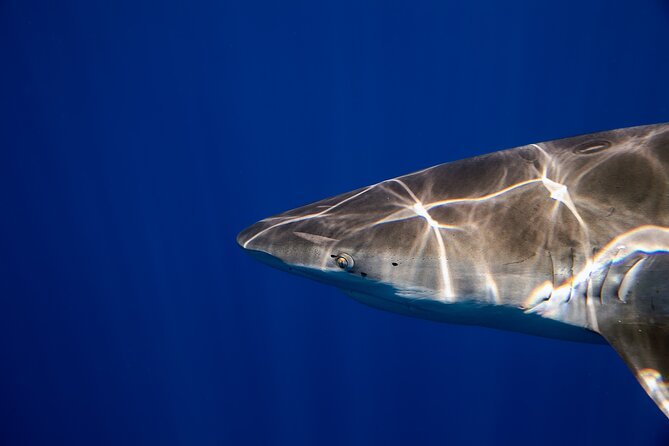
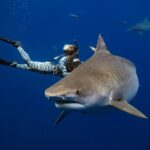
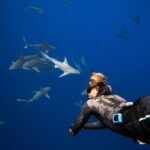
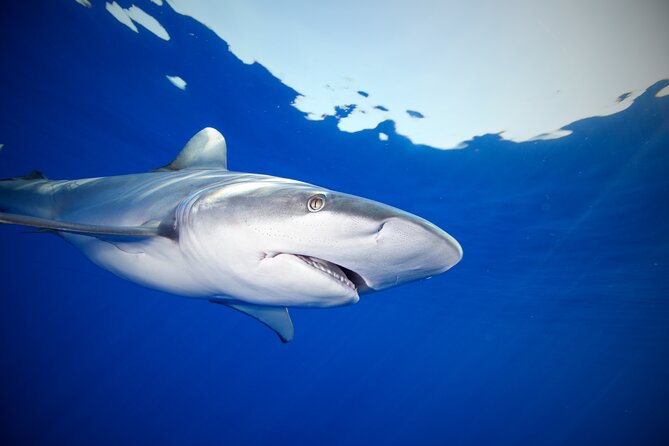
A big chunk of value here is that you’re learning how to see rather than just hoping. You’ll get instruction on which species of sharks and pelagic fish to look for, and how to tell the differences between species.
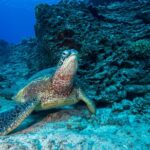
The program also includes non-shark wildlife context. Depending on conditions, you may spot other pelagic animals and even whales. One account describes a day with cloudy, rainy weather but still seeing whales with a brand new baby, plus turtles and fish during snorkeling. That’s a reminder that visibility and weather can shape what you see, but the ocean can still deliver.
You’ll practice reading behavior too—things like how gender differences might show up through behavior, and what body language indicates. The tour also covers how to determine gender differences, which is one of those details that turns a casual sighting into something more like learning a field guide.
If your goal is close, face-to-face contact, pay attention to the way the team explains “what to do” when you’re in range. When people feel safe and calm, sharks often act more naturally, and everyone’s time gets better.
MANO and the Hawaii Shark Count: Why This Matters Beyond Your Trip
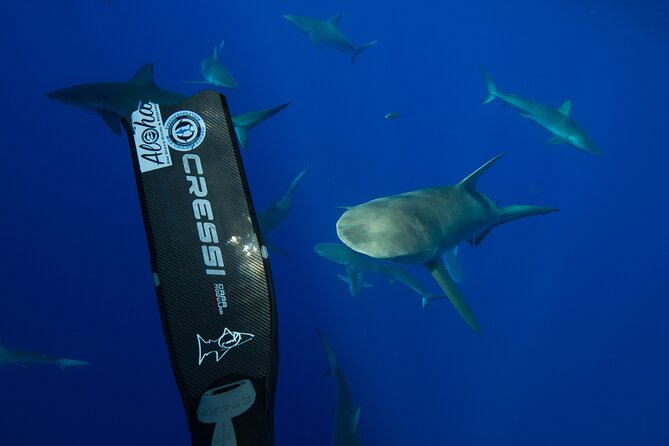
The shark encounter is the headline, but the lesson is the point. You’ll connect the day to Hawaiian and Polynesian culture with the meaning of MANO and how sharks have cultural significance.
Then comes the conservation tie-in: you’ll learn about the importance of supporting the Hawaii Shark Count ID program. Even if you’re not thinking about research when you book, this part changes how you remember the day. Instead of only wondering how big the shark was, you’re also thinking about how researchers track identities, locations, and behavior.
That’s a practical reason to choose a research-based operator. When the experience is tied to ID and education, the team tends to treat behavior cues seriously and follow protocols that aim to reduce harm and avoid unnecessary disturbance. That’s exactly what you want when your goal is to see sharks close-up while helping the ocean stay healthy for the long run.
The People on the Boat: Safety First, With Real Personalities
The experience is run by Ocean Ramsey and delivered through a marine biologist plus safety leadership. In practice, it often comes down to how well the team handles nervous first-timers—and many people say the crew did exactly that.
Names that show up in the field for instruction and ocean guidance include Gina, Zac, and others such as Brandon, Ben, Matt, Hayley, Drew, Faith, Mariah, and Kevin. You’ll also see a photographer supporting the experience, and Bret is one name mentioned for capturing the moments.
What stands out is the balance: the team communicates safety rules clearly, but still keeps the day fun. People describe guides as funny and patient, with a professional approach that helps you relax instead of feeling rushed. One reason the overall rating is so high (4.9 across 553 reviews) is that the education isn’t dry. It’s practical.
There’s also a realistic note: one review mentioned an introduction that didn’t land well for them and described a guide speaking in a way that felt rude when people were nervous. That doesn’t sound like the overall pattern, but it’s worth remembering that shark days can require quick movement and firm instruction. If you’re sensitive to strict tone, you may want to mentally prepare for direct guidance once you’re on the water.
Value Check: Is $165.71 Reasonable for This Level of Coaching?
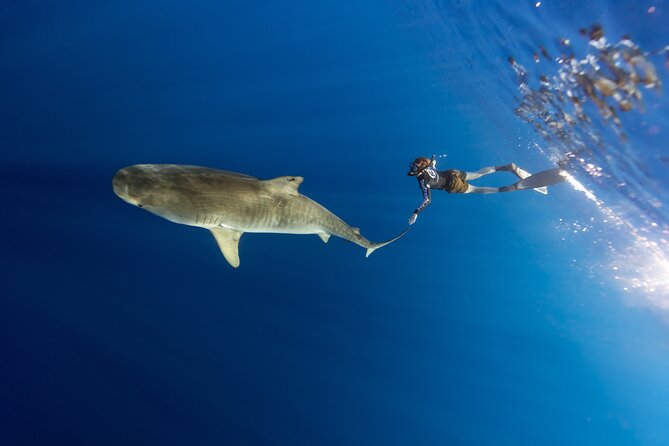
At $165.71 per person, this isn’t the cheapest thing you can book. But it’s also not sold as a barebones shortcut. The value comes from what’s included and what you’re paying for beyond the animal encounter.
Here’s what you’re getting for the price level:
- A private experience format (only your group)
- An educational program led by marine biologists
- Safety leadership during instruction and time in the water
- Snorkeling and safety equipment provided
- Structured water time across multiple sessions
- Optional photo/video coverage, with people mentioning it as a good add-on
This is also the kind of tour where instruction can directly affect your comfort. When you understand behavior cues and you follow the plan, you’re more likely to enjoy the moment instead of panicking.
If you’re the type who wants to compare prices, do it with an eye on what’s included: gear, education, and safety coaching cost money. The “cheaper” options can be fine if they match your style, but you’re paying for a research-backed experience here.
One practical tip: if you already own a camera like a GoPro, bring it only if you’re comfortable using it while following guide directions. Some people mentioned having their own GoPro, which suggests you can add your own documentation in addition to the guided photo/video options.
Weather, Motion Sickness, and Day-of Expectations
This activity requires good weather. If conditions are poor enough to cancel, you should be offered another date or a full refund. That matters because the ocean doesn’t run on your schedule, and shark encounters depend on ocean conditions.
Still, don’t assume “rainy” means “no wildlife.” One described day was cloudy and a little rainy, yet snorkeling still produced turtles and fish, and the boat outing included whales with a baby. So weather can change what you see and how it feels, but it doesn’t automatically erase the experience.
If boats make you queasy, handle that before you go. The most pointed practical advice in the info you were given is to read instructions about Dramamine. If you skip that, you’ll likely spend the trip fighting your stomach instead of learning shark behavior.
Finally, be mentally ready for a structured format once you’re in the water. Rope-connected watching, line coordination, and close monitoring are part of how the team keeps the experience safe and respectful.
Should You Book This Shark Swim From Haleiwa?
Book this if you want more than a photo. Choose it when you care about understanding shark behavior, recognizing species differences, and getting clear safety instruction before you’re in the water. The research-based teaching, the MANO + Hawaii Shark Count conservation connection, and the strong safety focus make it a smart fit for families, couples, and solo travelers who want a real learning moment.
Don’t book it only if you’re expecting total freedom to swim however you want. The setup can be rope-line guided, and the goal is controlled observation. If you’re okay following instructions and staying calm, you’ll get the payoff: face-to-face moments with sharks in their natural environment, backed by education that helps you feel confident.
If you’re on the fence because sharks scare you, this is one of the better options to consider. The format exists specifically to make the experience peaceful, educational, and safe—so fear doesn’t have to run the day.
FAQ
How long is the shark experience?
It runs about 2 hours (approx.), and it starts and ends at the same meeting point.
Where does the tour start in Oahu?
The meeting point is the Haleiwa Commercial Loading Dock, 66-101 Haleiwa Rd, Haleiwa, HI 96712.
Is this a private tour?
Yes. It’s a private tour/activity, so only your group participates.
What language is the tour offered in?
The experience is offered in English.
Is snorkeling equipment provided?
Yes. Snorkeling and safety equipment are provided for the experience.
What happens if the weather is poor?
The experience requires good weather. If it’s canceled due to poor weather, you’ll be offered a different date or a full refund.
What is the cancellation window for a full refund?
You can cancel up to 24 hours in advance for a full refund. Within 24 hours of the start time, the amount paid isn’t refunded.
![[GROUP] SCUBA DIVING for Certified Divers in Phu Quoc Island - The underwater plan: time, depth, and instructor support](https://8.scubadivelover.com/wp-content/uploads/group-scuba-diving-for-certified-divers-in-phu-quoc-island-400x267.jpg)