REVIEW · MAUI
Maui: Beginner Discovery Scuba Dive Excursion from Lahaina
Book on GetYourGuide →Operated by Extended Horizons · Bookable on GetYourGuide
First breaths underwater can feel surprisingly calm. This beginner-friendly Maui experience from Lahaina teaches you what it’s like to breathe, swim, and stay steady off the coast, with the reward of coral reef wildlife like green sea turtles. You’ll be working with a certified instructor, usually in a small setup that keeps things personal.
I especially like two parts: the PADI e-learning you do ahead of time, and the small group size (up to 4) that lets your instructor watch what you’re doing and adjust fast. In recent experiences, instructors such as Michael, Kevin, Rick, Bruce, Emma, Gu, and Dave were praised for keeping first-timers calm and confident.
One consideration is the schedule and safety rules. Flying within 24 hours after your underwater session isn’t permitted, and you’ll need to complete a medical waiver plus meet physical requirements—so it’s smart to review whether you fit the limits before you get excited.
In This Review
- Key highlights to look for
- What you’re really learning in this beginner scuba tryout
- 150 minutes in Maui: timing, pace, and small-group attention
- Shore skills first: how the training builds confidence
- Off Lahaina: what the ocean section feels like
- Wildlife expectations: turtles, fish, and rays
- Safety rules you should take seriously (even if you feel fine)
- Equipment and included items: what’s covered
- Price and value: is $238 worth it for beginners?
- Who this experience is best for
- Should you book this Lahaina beginner scuba session?
- FAQ
- How long is the beginner scuba experience from Lahaina?
- What is the price per person?
- Do I need scuba certification to participate?
- Is there a required online lesson before the ocean portion?
- What should I bring or prepare before arrival?
- Does the tour include equipment and water?
- Is hotel pickup and drop-off included?
- Can I fly the day after the underwater experience?
- Is this experience suitable for non-swimmers or people with medical limitations?
Key highlights to look for
- PADI e-learning in advance so you arrive ready for skills training
- Small group of 4 (and sometimes very close to one-on-one attention)
- Shore practice first, then shallow water off Lahaina with guidance
- Certified instructor coaching on breathing through the regulator and buoyancy control
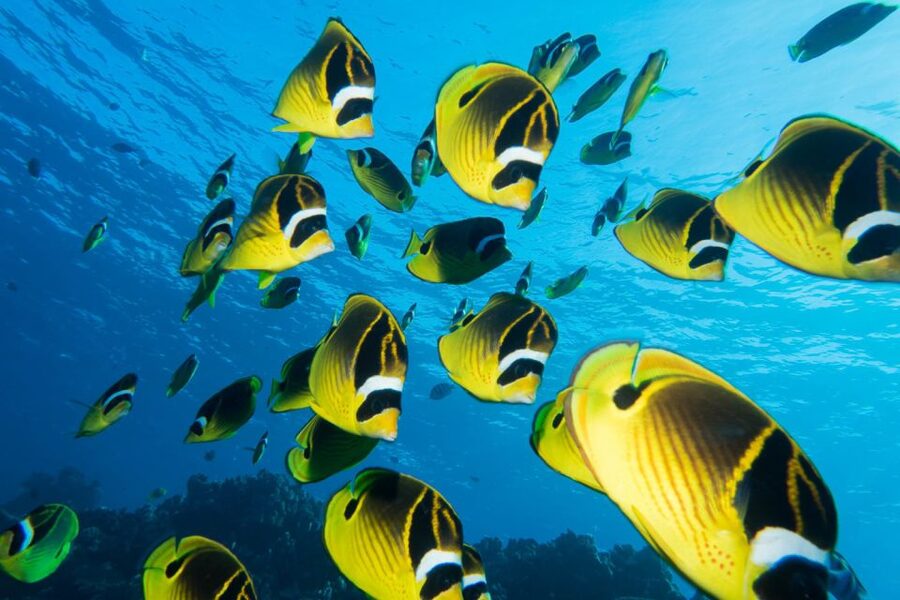
- Wildlife chances including green sea turtles, reef fish, and rays
- All equipment provided, plus water during the session
What you’re really learning in this beginner scuba tryout
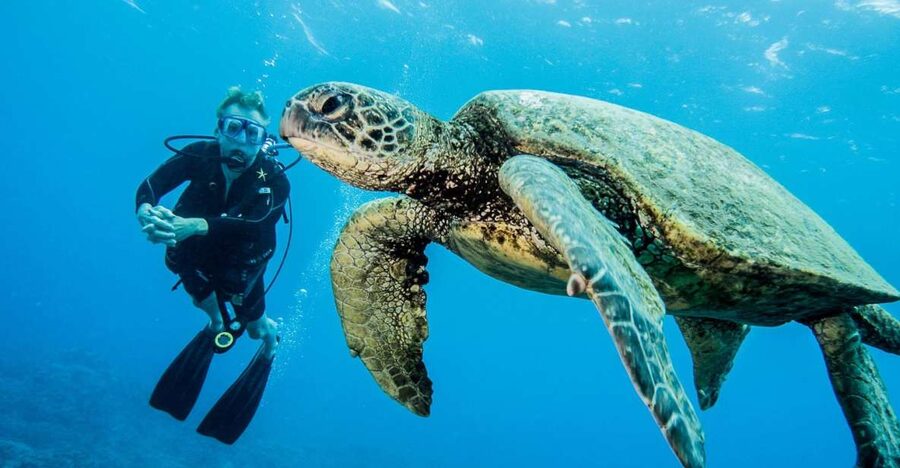
This is built for first-timers with no scuba certification required. Your goal isn’t to “perform” underwater—it’s to learn the basic motions that make scuba feel natural: breathing through a regulator, moving safely, and controlling your buoyancy so you don’t fight the water.
You start with a short online lesson from PADI before you ever step into the ocean. The timing matters: the e-learning must be done at least 24 hours ahead, and the link comes after you sign up. You’ll use that prep to get familiar with the core concepts so the in-person time can focus on real skills, not first-time confusion.
Once you meet your instructor, you’ll suit up and get a briefing on safety and what to do underwater. Then the program shifts into a structured flow: basic skills on shore in shallow water, followed by an ocean section with your instructor. Expect to practice enough to feel in control of your equipment and body position, not just follow along.
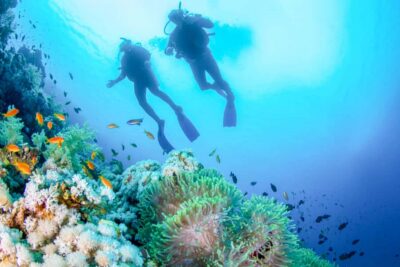
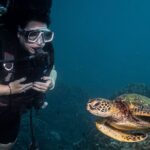
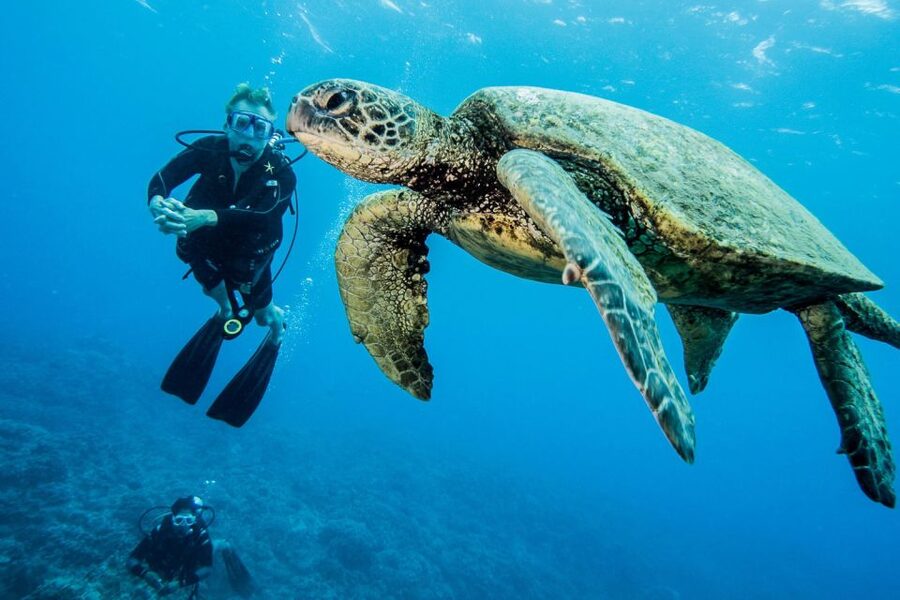
From there, you’ll swim over coral and reef areas off the coast of Lahaina. That’s where the experience turns from “training” into “wow factor”—reef fish, green sea turtles, and rays are specifically mentioned as possible sightings, depending on conditions.
You can also read our reviews of more tours and experiences in Maui.
150 minutes in Maui: timing, pace, and small-group attention
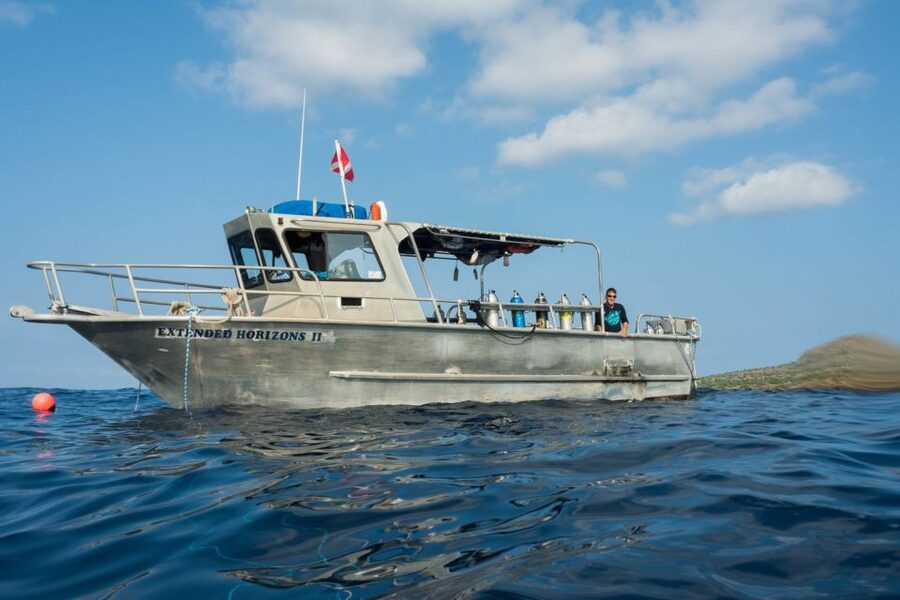
The total duration is about 150 minutes, so this isn’t an all-day production. It’s a concentrated experience that moves from classroom prep (online), to fitting and briefing, to skills practice, and then to the water portion.
The group stays small—limited to 4 participants. That’s a big deal for beginners. Underwater, tiny issues can feel huge fast (uneven buoyancy, panic breath, confusion about hand signals). With fewer people in the group, your instructor can give individual feedback and spot problems early.
In multiple recent experiences, instructors were praised for calming anxious first-timers and tailoring the pace to comfort level. You can expect that vibe here: you’ll be taught the steps, then your instructor will keep checking that you’re doing them in a way that feels steady to you.
Another practical note: there’s no hotel pickup and drop-off included. You’ll want to plan how you’ll reach the meeting point on time.
Shore skills first: how the training builds confidence
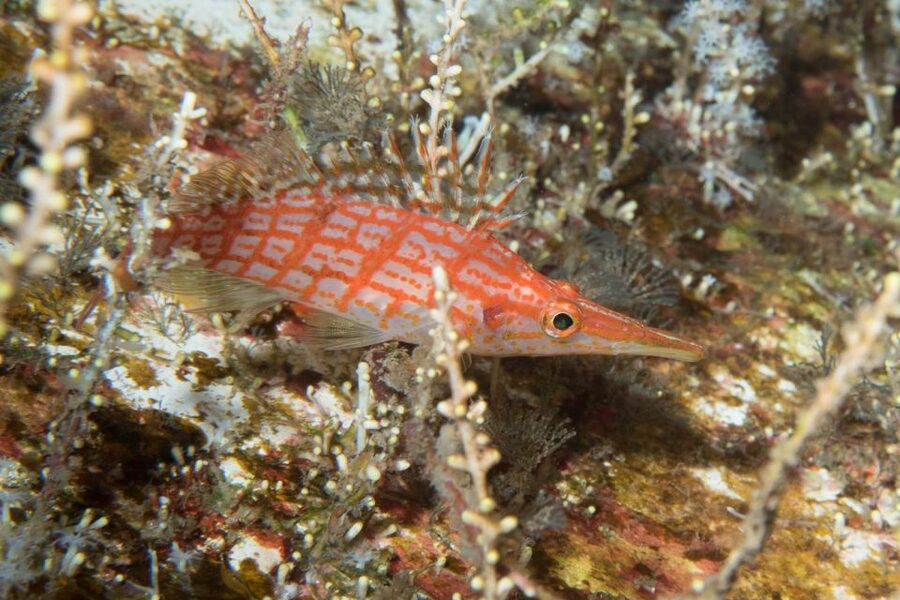
The format is simple and logical: learn the basics on land and in shallow water before you go out where it feels bigger.
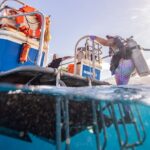
You’ll get fitted with the required gear. The program includes all needed equipment, so you aren’t stuck hunting down rental items. Once suited up, you’ll learn how breathing works through the regulator and how to manage buoyancy using your body and equipment together.
One thing I like about this setup is that it reduces the most common beginner problem: trying to master everything at once. By practicing first, you’re not arriving underwater with only theory in your head.
You might also notice a more formal prep rhythm, like a safety talk and underwater hand signal practice before you enter the water. Some experiences have included a quick attention check or small test after the safety briefing, followed by fitting and then a short, guided step into the ocean.
The key takeaway for you: if you want to feel ready instead of thrown in, this structure is exactly what you’re paying for.
Off Lahaina: what the ocean section feels like
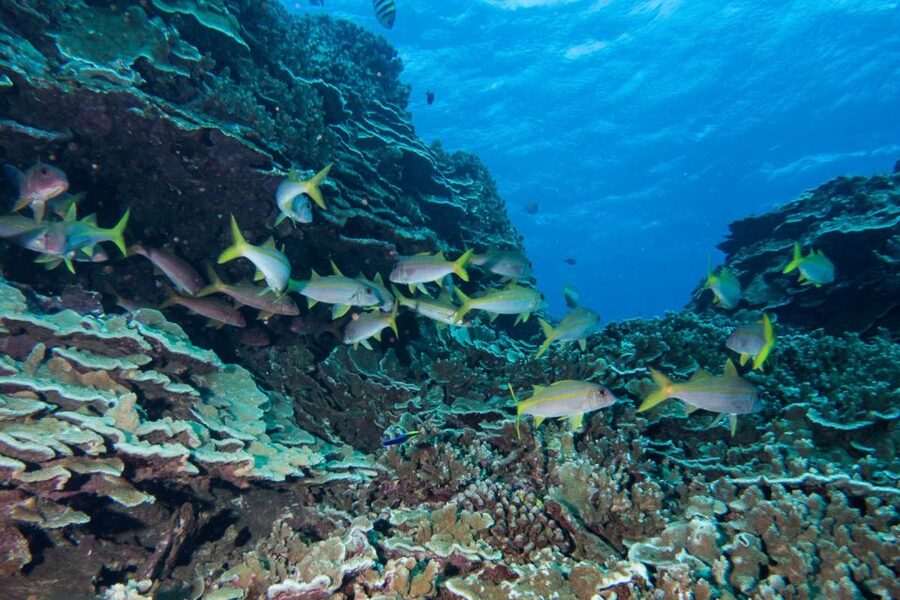
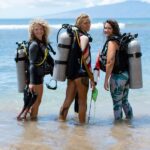
When you’re ready, the group heads to one of Maui’s tropical beaches for the ocean portion. The water is described as calm and clear, and the plan is to explore shallow areas with your instructor close by.
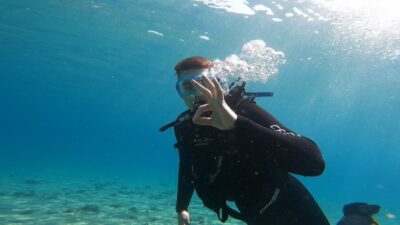
This is where you’ll likely notice the biggest differences from snorkeling. With scuba, you get a full underwater breathing setup, which changes both your movement range and how long you can observe wildlife. You’re still supported and guided, but you’re no longer limited to surface time.
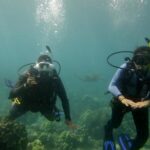
Your instructor will guide your route and pace. You’ll explore reef scenery and look for the animals mentioned in the highlights—green sea turtles and other marine life. Rays are also specifically called out, along with tropical reef fish.
Not every day is identical. In at least one recent experience, rain affected underwater visibility, but the group still saw a turtle and plenty of fish. That’s a helpful reminder for you: even when conditions aren’t perfect, the core experience can still deliver.
Wildlife expectations: turtles, fish, and rays
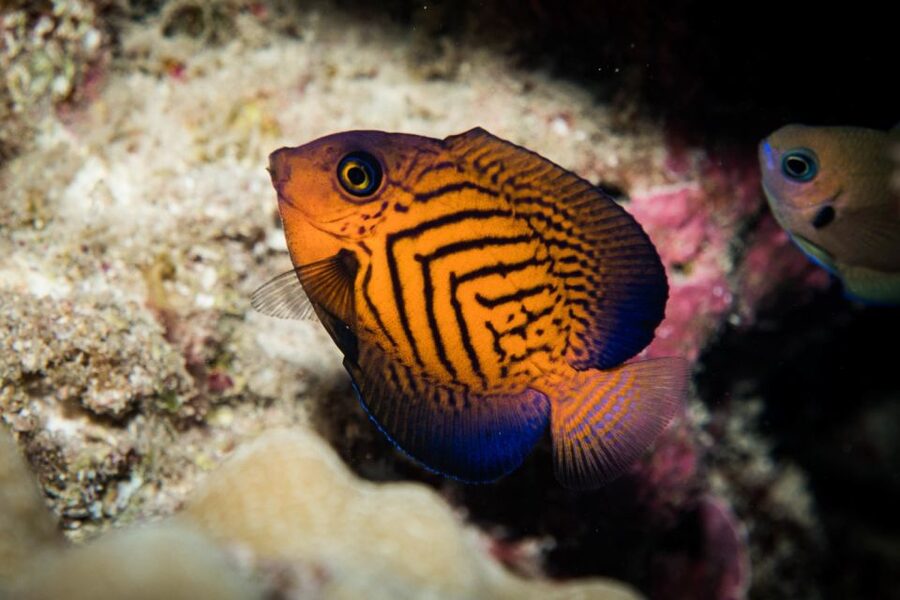
Let’s talk about what to actually hope to see, and how to think about it.
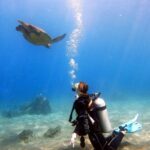
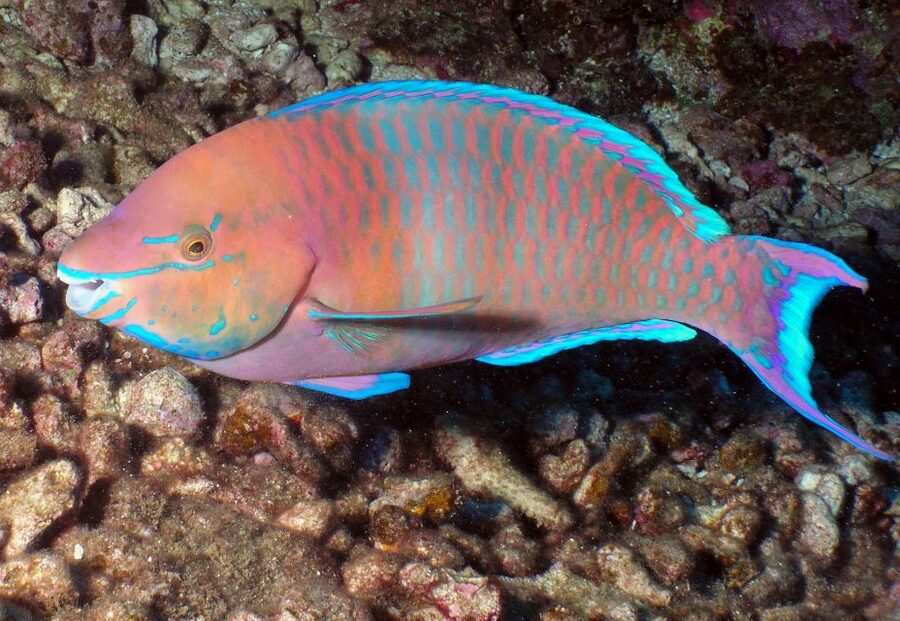
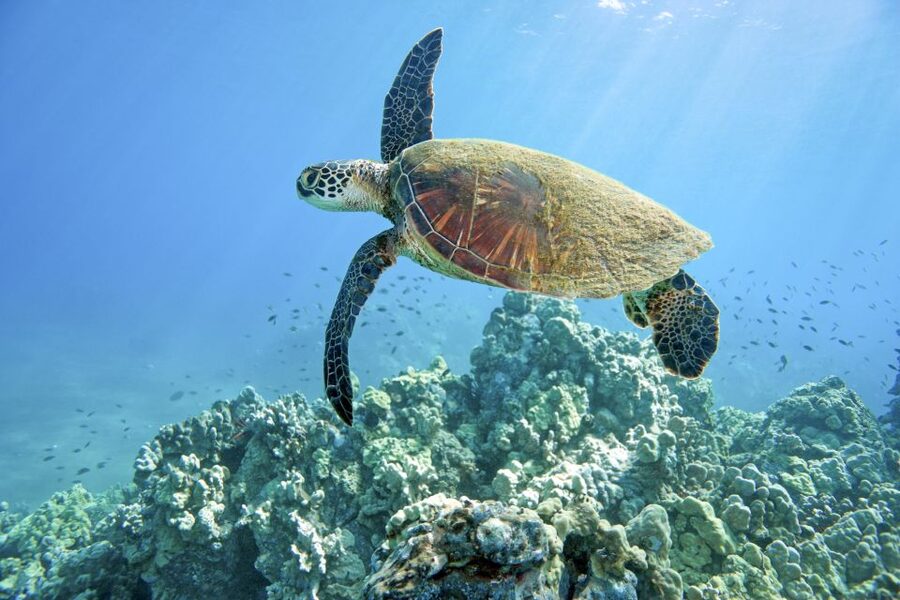
Green sea turtles are one of the headline animals for this activity. Reef fish are also a major part of the sightseeing. Rays are specifically mentioned too, which adds a little variety to what you’re scanning for beneath the surface.
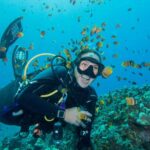
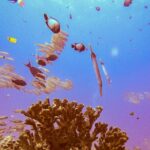
Coral reef scenery is part of the point. You’re not just swimming in open water—you’re moving through a living habitat where you can spot wildlife that you usually won’t notice from above.
For a first-timer, the most valuable thing isn’t making a checklist. It’s getting to a calm, controlled underwater position so you can watch instead of rushing. When your buoyancy feels manageable and your breathing is steady, everything becomes easier to enjoy.

Safety rules you should take seriously (even if you feel fine)
Scuba is one of those activities where rules protect you, even when you feel excited and ready.
First, you’ll need to fill out a medical waiver and submit it before arrival to the local dive operation partner in Maui (the wording varies by provider, but the requirement is clearly stated). The waiver matters because the experience has physical requirements and medical limitations.
The experience is not suitable for:
- Pregnant women
- People with back problems
- People with heart problems
- Wheelchair users
- Non-swimmers
Also, flying within 24 hours after your underwater session is not permitted. That one is easy to overlook when you’re mapping your trip around flights, so plan your travel days accordingly.
Finally, you should know you’ll be expected to be physically fit and in good health.
The best part is that instructors are trained to work with first-timers. Multiple recent experiences highlighted instructors who stayed patient when someone was nervous and helped them calm down before continuing. Your job is to be honest in the medical waiver and tell your instructor how you’re feeling.
Equipment and included items: what’s covered
This experience includes:
- Use of all required scuba equipment
- Water
- A certified instructor-led lesson and guidance for the intro session
What’s not included:
- Hotel pickup and drop-off
- Scuba certification (but the experience can count toward certification)
So in plain terms: you pay for instruction and gear, not for logistics from your hotel. If you’re staying near Lahaina, that may be simple. If you’re farther out, you’ll want to plan your transport early.
Also pay attention to the “certification but can count” piece. If your end goal is full certification, this intro session can be a stepping stone. Your best move is to ask your instructor what the next step looks like for counting toward certification, since that can vary based on your training path.
Price and value: is $238 worth it for beginners?
At $238 per person for about 150 minutes, the value depends on what you get besides the thrill.
Here’s what you’re buying:
- A certified instructor coaching you through breathing, buoyancy, and safe movement
- Small-group attention limited to 4 participants
- All equipment plus water
- A structured flow: online PADI prep, shore skills, then shallow ocean time
The price can feel like a lot until you break down what’s included. If you were to assemble rentals, instruction, and a tailored beginner program yourself, you’d likely spend more. And for beginners, the real cost is stress—bad instruction can make the whole experience miserable. This one is designed to prevent that by starting you on shore and keeping you under close supervision.
If you’re traveling as a couple or small group, the small-group size also improves your odds of getting the attention you need.
The main value “gotcha” is logistics: no pickup/drop-off is included. If you’re relying on taxis or rental cars, that’s a cost you should factor in. But once you’re on-site, the included gear and instruction are solid.
Who this experience is best for
This program is ideal if:
- You want to try scuba without needing certification first
- You’re a beginner who benefits from step-by-step coaching
- You want a small group and a calmer pace
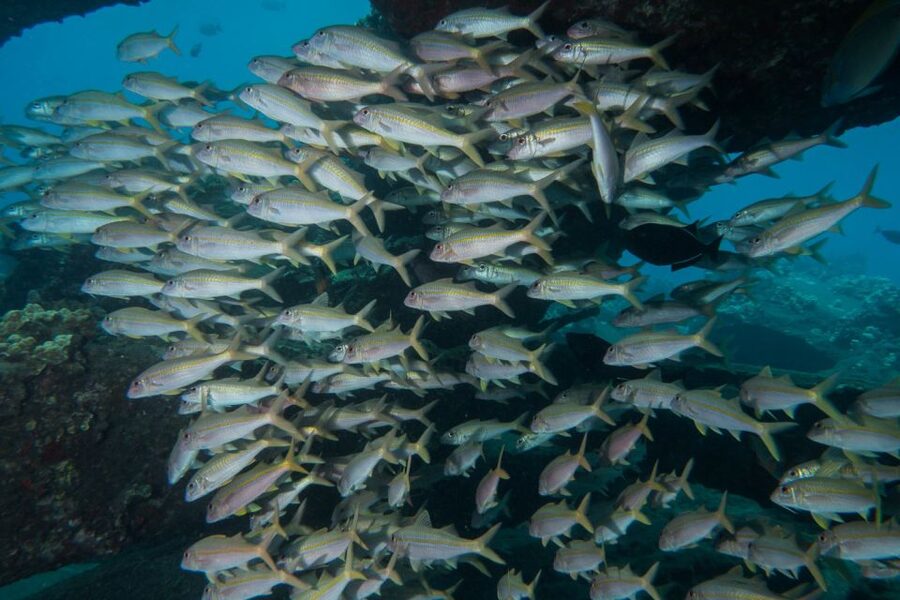
- You want a chance to see green sea turtles and reef fish off Maui
It’s also a smart tryout if you’re thinking about certification soon, because you’ll learn what the basics feel like and whether you enjoy the mechanics of scuba.
It’s not a good fit if:
- You’re a non-swimmer
- You can’t meet medical or physical requirements in the waiver
- You’re pregnant
- You have back or heart issues
- You’ll need wheelchair accessibility
If you’re anxious, that doesn’t automatically mean “no.” Recent experiences repeatedly mention instructors who slowed things down and used extra patience to get first-timers feeling safe.
Should you book this Lahaina beginner scuba session?
If you want a beginner-friendly way to experience scuba off Lahaina with shore training first, small-group attention, and a realistic chance of seeing green sea turtles, I think this is a strong book. The $238 price makes more sense because equipment and instruction are included, and the structure is designed for people with no certification.
Before you confirm, do two quick checks:
- Make sure you can handle the medical waiver requirements and the physical limits listed.
- Plan your trip so you’re not flying within 24 hours after your underwater session.
If those boxes work for you, you’re likely to leave with the one thing most people hope for from scuba: the feeling that you can breathe underwater, move with control, and actually enjoy the wildlife.
FAQ
How long is the beginner scuba experience from Lahaina?
The total duration is listed as about 150 minutes.
What is the price per person?
The price is $238 per person.
Do I need scuba certification to participate?
No. You can participate without certification, but the experience can count toward certification.
Is there a required online lesson before the ocean portion?
Yes. You’ll complete a short PADI e-learning lesson provided at no extra cost, and it must be done at least 24 hours before your session.
What should I bring or prepare before arrival?
You’ll need to fill out a medical waiver and submit it before arrival to the local dive partner operation partner in Maui. You should also be prepared to suit up on-site.
Does the tour include equipment and water?
Yes. Equipment is included, and water is included as well.
Is hotel pickup and drop-off included?
No. Hotel pickup and drop-off are not included.
Can I fly the day after the underwater experience?
No. Flying within 24 hours after diving is not permitted.
Is this experience suitable for non-swimmers or people with medical limitations?
No. It is not suitable for non-swimmers, wheelchair users, pregnant women, and people with back or heart problems.