REVIEW · OAHU
Oahu: Shallow Reef Scuba Dive for Certified Divers
Book on GetYourGuide →Operated by Dive Oahu Inc · Bookable on GetYourGuide
Shallow reefs can feel surprisingly wild. This 3-hour Oahu scuba outing takes certified divers over two southern reef sites, with PADI guidance and a focus on seeing marine life at a comfortable depth.
I love the hands-on PADI-certified instruction, especially the way the team sets you up with clear safety steps and keeps you moving as a group. I also like the chance to target specific reef areas like Kaisers and Turtle Canyons, where sea turtles and reef fish are real possibilities.
One heads-up: this is only for certified divers who meet the fitness and English-understanding requirements, and you’ll need to avoid flying for 24 hours afterward.
In This Review
- Key highlights that matter
- Your Ala Moana start point: getting set fast and feeling safe
- The 25-minute safety briefing: where you learn how the day will work
- Two 75-minute blocks: how the schedule feels in real time
- Cruising Southern Oahu on a 46-foot Newton boat
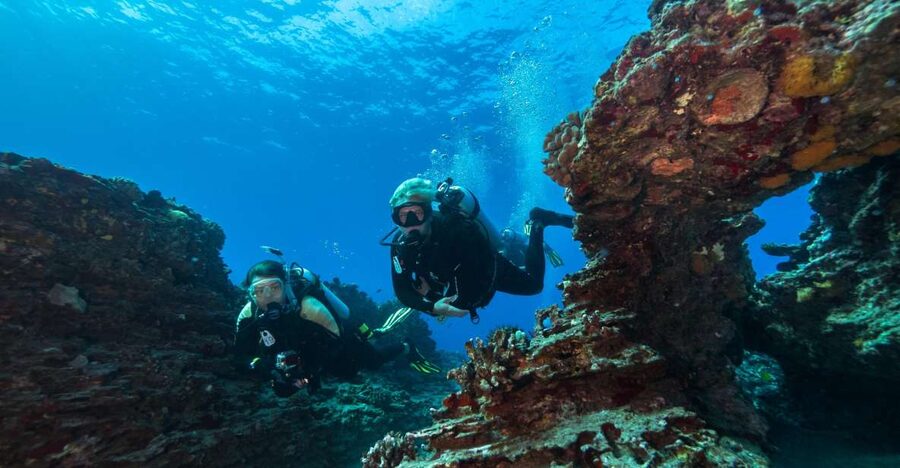
- Kaisers Reef: a targeted shallow-reef experience
- Turtle Canyons: volcanic reef shapes and green sea turtles
- What marine life you should plan for (and how to spot it)
- Gear rental and onboard comfort: included value you’ll feel
- Price and value: is $248 for 3 hours worth it?
- Who should book this and who should skip it
- Getting the most out of your experience (without overthinking it)
- Should you book this Oahu shallow reef scuba tour?
- FAQ
- How long is the scuba experience?
- Where is the meeting point?
- Do I need to show scuba certification?
- What gear is provided?
- What marine-life locations are visited?
- What should I bring with me?
- Is this activity suitable for kids?
- Can I fly after the activity?
- What add-ons are available?
Key highlights that matter
- Two reef sites in one morning at Kaisers and Turtle Canyons
- PADI-certified instructor + experienced local divers with a structured safety briefing
- 46-foot Newton boat with comfort onboard while you cruise Southern Oahu
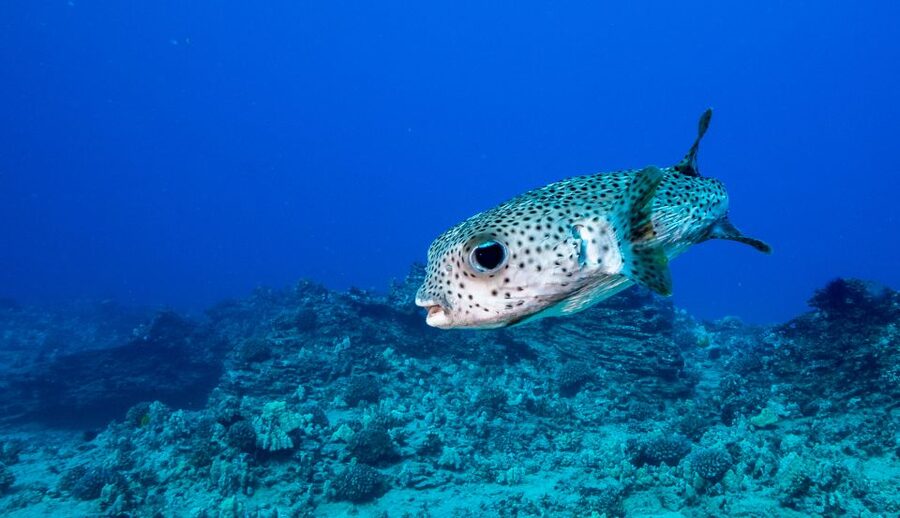
- Turtles and reef fish odds including Hawaiian green sea turtles, gold ring surgeon fish, and more
- Add-ons if you want extra gear like GoPro rental or Nitrox tank rental
Your Ala Moana start point: getting set fast and feeling safe
Most of the experience is underwater, but the vibe starts on land. You meet at the Dive Oahu location in Ala Moana, and the day runs on a tight clock. Plan to arrive about 30 minutes early so they can handle waivers and get your kit fitted without rushing.
This matters more than people think. Scuba gear fit and comfort affect everything you do under the surface—buoyancy, trim, and how quickly you relax. When the staff is organized up front, you spend less mental energy later and more attention on what you’re actually there to see.
The tour also uses English-speaking staff, so if you’re comfortable understanding verbal instructions, you’ll get more from the briefing and spotter calls. And if you’re sensitive to noisy environments or have trouble following spoken directions, keep that in mind.
You can also read our reviews of more tours and experiences in Oahu.
The 25-minute safety briefing: where you learn how the day will work
Before you ever hit the water, you get a safety briefing lasting about 25 minutes. That’s not wasted time. In shallow reef conditions, things can look easy from above, but your comfort depends on knowing exactly how your group will be handled once you’re in.
Expect the kind of briefing that helps certified divers run the plan smoothly: procedures, buddy awareness, how they’ll manage spacing, and how to handle common moments underwater. The goal is simple—everyone understands the plan, and nobody panics when conditions change a bit.
A standout from past experiences is the way the crew keeps it organized and feels professional. One recent rider specifically called out how well the team looked after everyone and how good the spotter was at picking out sea life. That spotter role is huge on a reef where tiny movements and quick swims can disappear fast.
Two 75-minute blocks: how the schedule feels in real time
You’ll spend two main guided stretches on the water, each set at about 75 minutes. The format is a mix of surface time for snorkeling and then scuba time, which is a smart rhythm.
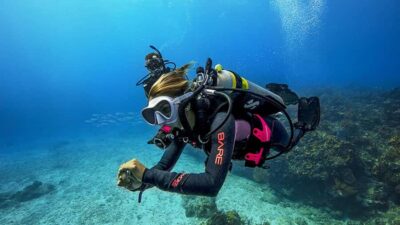
Here’s why it works for certified divers: the surface portion helps you settle into the day, check your gear feel, and get your bearings on what the reef area looks like. Then the scuba portion lets you explore underwater while staying close to the guided plan.
Between the two blocks, you’re likely repositioned by boat to the next reef area. The schedule keeps you from burning your whole energy budget on one spot only. It also gives you multiple chances at sea life—if the first location is busy with turtles, the second might shift focus to reef fish, or vice versa.
And yes, you are guided alongside other experienced PADI divers. That’s helpful if you like moving with a competent group rather than worrying about every small adjustment alone.
Cruising Southern Oahu on a 46-foot Newton boat
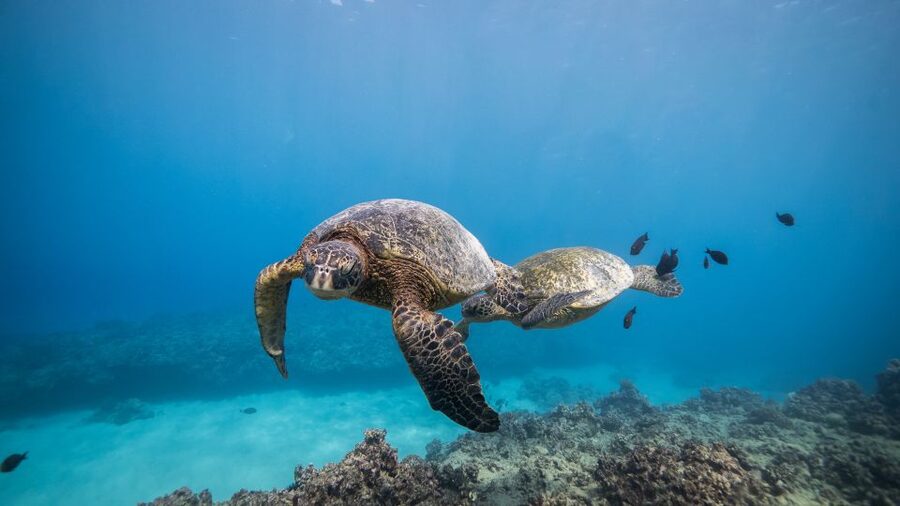
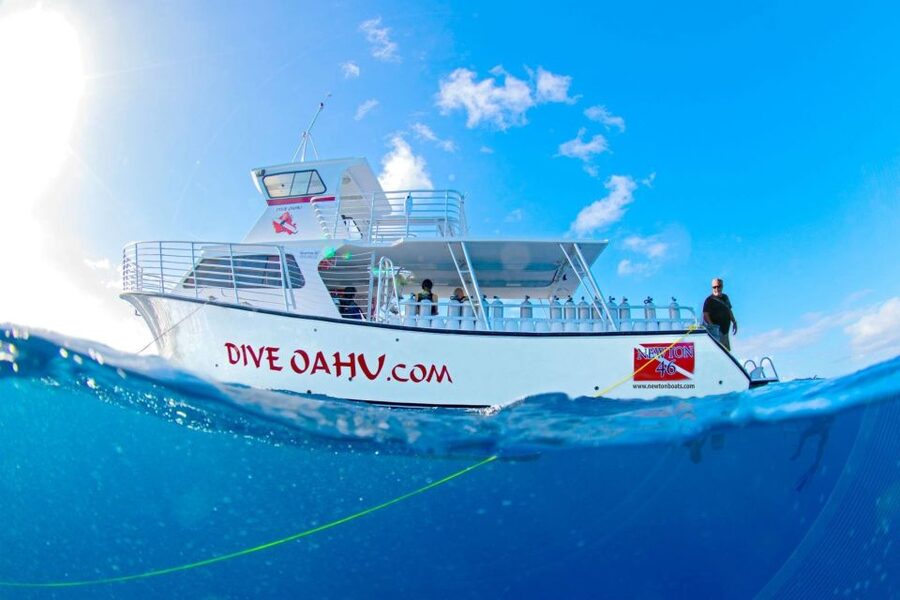
The tour runs from the Dive Oahu base using a 46-foot Newton dive boat. Even when you’re eager to get wet, onboard comfort is part of the value.
For most people, the best underwater moments feel like a bonus on top of a day that also works on the surface: shade and airflow, quick kit changes, and simple communication. When the boat setup is well managed, it reduces delays and helps you stay ready to gear up at the right moments.
Also, Southern Oahu conditions often mean short runs to reefs, which makes the schedule feel efficient. You get more time in the water and less time thinking about logistics.
Kaisers Reef: a targeted shallow-reef experience
Kaisers reef is one of the named sites for this tour. Think of it as a place built for certified divers who want solid reef time without the pressure of going too far from the plan.
Because the tour is designed around shallow reef conditions, you can often expect a comfortable pace. That’s not the same as being “bored.” Reefs at accessible depths often deliver the kind of marine life you want—fish hanging around coral structures, animals that don’t always stay in the spotlight, and brief moments of action that you only catch when you slow down.
If you’re the type of diver who likes to watch behavior—rather than just collecting photos—you’ll likely appreciate this style. The crew’s spotters also help you keep your eyes on the right spots, and several past guests have praised the team for spotting sea life effectively.
Turtle Canyons: volcanic reef shapes and green sea turtles
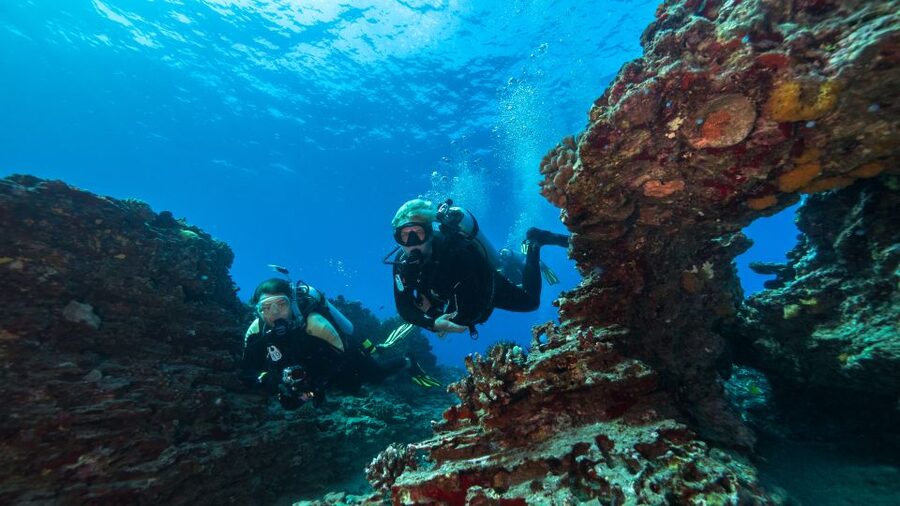
Turtle Canyons is the other big named target, and the description of the area gives you a clue about why it’s so popular. The reef formations are shaped by volcanic activity, which creates canyon-like structures and breaks that attract wildlife.
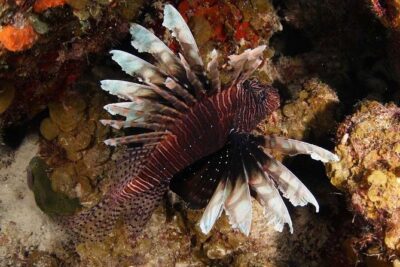
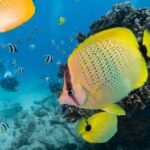
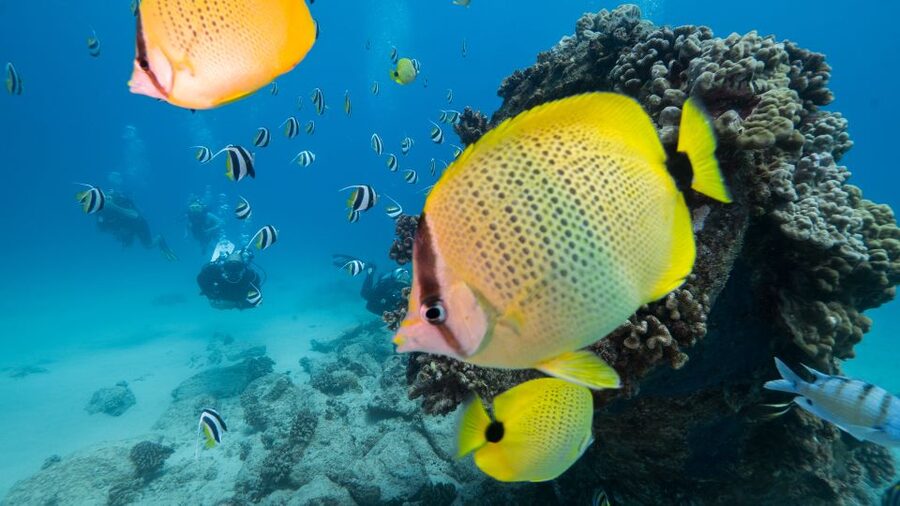
In practical terms, that means more places for animals to move through and around—turtles, reef fish, and other species that use natural structure for feeding or resting. Hawaiian green sea turtles are specifically mentioned as a highlight here, along with endemic reef fish like gold ring surgeon fish.
You might also see other notable reef residents listed for the experience, including saddleback butterflyfish and flame angelfish. The exact mix changes day to day, but Turtle Canyons is clearly chosen because it has the kind of habitat that supports those animals.
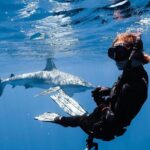
One of the most enthusiastic data points from prior participants: lots of sea turtles, plus even a couple of white tip reef sharks during the overall outing. That’s the kind of variety you want from a shallow reef plan—calm enough to enjoy, alive enough to feel like something happened.
What marine life you should plan for (and how to spot it)
This isn’t a hard guarantee list, but you can plan around the creatures the sites are known for and what the experience is set up to look for.
You’re in the “reef wildlife” lane. That includes:
- Hawaiian green sea turtles
- Reef fish such as gold ring surgeon fish
- Other colorful reef fish like saddleback butterflyfish and flame angels (spotting odds vary)
- Larger but still reef-associated wildlife that might include rays and sharks, depending on conditions
If you want to maximize your odds:
- Slow your movements and let your eyes adjust before you follow an animal
- Keep your buoyancy smooth so you don’t spook things out of your line of sight
- Listen for spotter cues, then position your body so you can observe without chasing
Also, shallow reef systems can be full of movement at different layers. You’ll often see more by watching the “in-between” moments—animals arriving, pausing, or changing direction—rather than only focusing on the first big sighting.
Gear rental and onboard comfort: included value you’ll feel
The tour includes premier gear rental, which is one of the easiest ways to judge value. If you’ve ever tried to rent scuba gear on vacation, you know the two biggest pain points: fit and hassle. Having rental handled for you means you arrive ready to go and don’t waste hours coordinating equipment.
Snacks and refreshments are also included. Small detail, big impact. After a short boat day, you’ll appreciate a real bite and a drink that keeps you from feeling wiped out before you even head back to your next stop.
If you want extra tech, add-ons are available when booking, including:
- GoPro rental
- DPV underwater scooter (if offered/selected)
- Nitrox tank rental
- Private guide
- Private photographer
That’s useful if you’re doing this as a photo trip or if you want to expand your underwater range (still within the tour’s plan).
Price and value: is $248 for 3 hours worth it?
At $248 per person for a 3-hour experience, you’re paying for more than “time underwater.” You’re paying for a guided, structured plan at two reef locations, plus instructor oversight, plus gear rental, plus the boat day.
The value equation for me looks like this:
- Two reef sites means your money buys variety, not just one spot
- Gear rental saves money and reduces pre-trip stress
- PADI instruction matters for safety and for making sure you get the most out of shallow reef conditions
- Snacks and refreshments keep the experience feeling complete, not like a rushed transfer
If you’re a certified diver and you already own reliable gear, the rental portion may feel less critical—but it still saves time and keeps the day moving. If you don’t own gear yet, this becomes a stronger deal, because it solves the biggest logistics problem in one shot.
Who should book this and who should skip it
This is designed for certified divers and it comes with clear limits.
You should consider booking if:
- You have PADI certification (or another approved diving course) and can show proof
- You can swim and are in good health
- You can understand verbal English instructions
- You want shallow reef scenery with guided support rather than a solo navigation task
You should skip it if:
- You’re traveling with children under 10
- You’re pregnant
- You’re not comfortable swimming or you’re not in good health
- You’re planning to fly within 24 hours after diving (you must not fly in that window)
One more practical note: you’re required to avoid flying soon after the scuba portion. If you’re building a tight Hawaii itinerary, you’ll want to schedule this earlier in your trip so you still have enough time.
Getting the most out of your experience (without overthinking it)
The best underwater days usually come from simple preparation:
- Bring swimwear, a towel, and sunscreen
- Bring your diving certification proof
- If you’re prone to losing track of time on vacation, set an alarm for the 30-minute early arrival
Also, think about comfort on a boat day. Even if the water is your focus, you’ll be wearing and managing gear around the deck and boarding area. Hydrate and keep your skin protected with sunscreen. Shallow reef tours can feel short, but sun and wind still add up fast.
And if your priority is seeing sea life rather than rushing through, let the guide and spotter do their thing. Your job is to stay calm, stay neutral, and watch closely.
Should you book this Oahu shallow reef scuba tour?
If you’re a certified diver looking for two reef locations in a short window, I’d say this is a strong option. The combination of PADI-certified instruction, included gear rental, and the focus on specific reef areas like Kaisers and Turtle Canyons makes it feel purpose-built, not generic.
I’d only hesitate if you’re not comfortable meeting the certification and health requirements, or if your schedule forces you to fly within 24 hours afterward. Otherwise, it’s a well-run, sea-life-focused day with plenty of structure—plus the kind of spotter attention that helps you actually notice what’s going on under the surface.
FAQ
How long is the scuba experience?
It lasts 3 hours total.
Where is the meeting point?
Meet at Dive Oahu in Ala Moana.
Do I need to show scuba certification?
Yes. You must show proof of certification through PADI or another approved diving course before boarding.
What gear is provided?
Premier gear rental is included.
What marine-life locations are visited?
You’ll explore popular reef sites including Kaisers and Turtle Canyons.
What should I bring with me?
Bring swimwear, a towel, sunscreen, and your diving certification.
Is this activity suitable for kids?
No. It is not suitable for children under 10.
Can I fly after the activity?
No. You must not fly within 24 hours after diving.
What add-ons are available?
You can request add-ons such as GoPro rental, DPV underwater scooter, Nitrox tank rental, a private guide, and/or a private photographer.