REVIEW · OAHU
First Time Introductory Scuba Dive
Book on Viator →Operated by Hawaiian Diving Adventures · Bookable on Viator
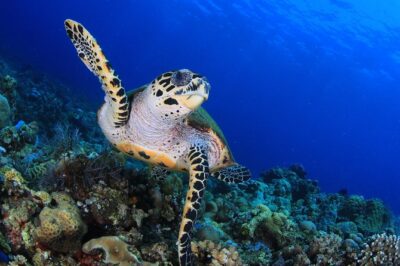
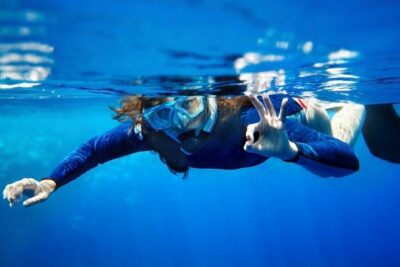
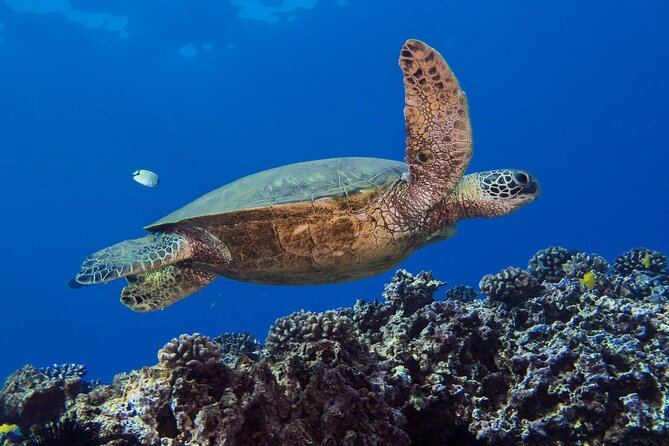
Watching turtles up close starts with one calm briefing. This first-timer scuba training in Honolulu keeps things controlled and instructor-led, with a focus on safety, comfort, and real-world guidance so you can enjoy the experience instead of guessing. I like how the program uses small groups of one to four people for hands-on coaching and a quieter approach around marine life.
Two other things I really appreciate: you don’t need to pack a single piece of scuba gear, and the day includes snacks to help you stay steady while you learn and then get in the water. That added food support sounds small, but after a morning of check-in and practice, it’s the kind of detail that keeps your energy up.
One consideration: the surface conditions can affect how “easy” the early skill practice feels. On a choppy day, one review noted that practicing skills in open ocean felt intimidating for a true beginner, even if underwater itself stayed fine.
In This Review
- Key Highlights at a Glance
- How the 11:00am Schedule Works in Honolulu
- What You Learn First: Safety Basics That Actually Help
- Gear, Snacks, and the Stuff That Makes Beginners Relax
- Getting In the Water: What Your Instructor-First Sessions Feel Like
- Wildlife You’ll Want to Look For (And How Small Groups Help)
- The Choppy-Water Reality Check (What to Do With It)
- Price and Value: Is $279 Reasonable for a First-Timer?
- Who This Ought to Suit Best in Oahu
- Should You Book This First-Timer Scuba Training?
- FAQ
- How long is the first-time scuba training experience?
- Where does the experience start and end?
- What time does the experience begin?
- How many people are in the group?
- Is scuba equipment provided?
- What’s included besides equipment?
- Do I need to fill out a medical waiver?
- What’s the cancellation policy?
Key Highlights at a Glance
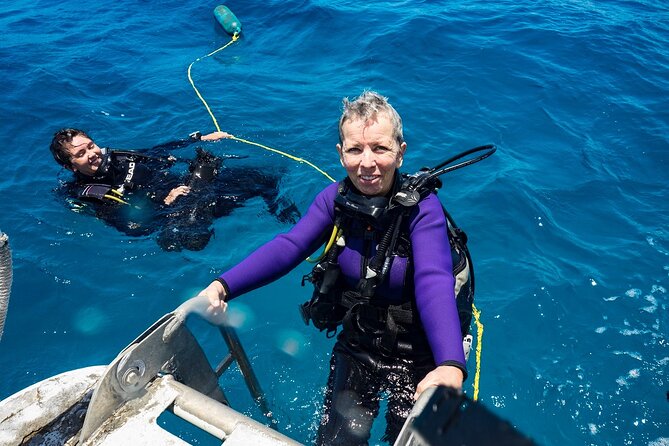
- Small groups (1–4 people) mean more time with the instructor and less disruption for wildlife
- Safety-first coaching targets your comfort before you’re underwater
- Gear provided takes away the biggest stress for first-timers
- Snacks included so you don’t run on adrenaline alone
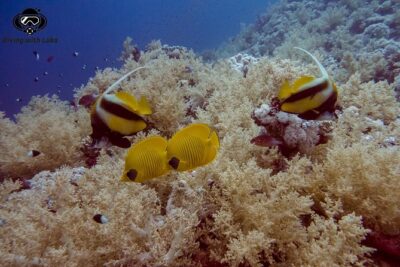
- Wildlife spotting focus includes sea turtles, octopuses, and even electric eels in the water
How the 11:00am Schedule Works in Honolulu
You’ll start at 11:00am at the meeting point near 74VV+4W Honolulu, HI, USA. The activity runs about 4 hours and ends back at that same meeting location. That “back to where you started” format is practical in a city with traffic and lots of moving parts.
This is offered in English, and confirmation comes at booking. If you’re traveling light, this experience is especially nice because you’re not responsible for bringing or assembling scuba equipment. A mobile ticket is part of the process, so you can keep things simple on your phone.
Because the maximum group size for the whole activity is 16 travelers, you’re not stuck in a huge crowd. And because the actual instruction format is small groups of one to four, you’ll get the attention that matters when you’re learning basics.
You can also read our reviews of more tours and experiences in Oahu.

What You Learn First: Safety Basics That Actually Help
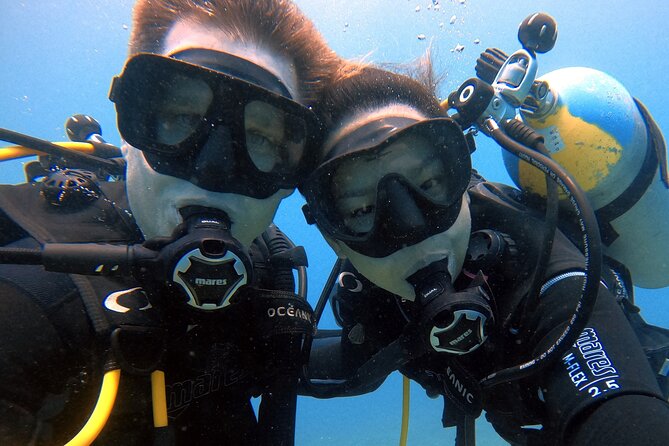
The core of this experience is the Basic Diver (Discover Scuba Diving) style program, built around the fundamental safety guidelines and skills you need as a first-timer. Your instructor’s job is not just to teach steps, but to make sure you’re comfortable enough to try them without panic.
In plain terms, expect a structured learning flow: listen first, then practice. One review mentions going from talking to practicing quickly, and another highlights how patient the guide was with the ins and outs. The payoff here is confidence. When you understand what you’re doing and why, you can spend your attention on what you came for.
A big practical detail: you’ll need to complete an RSTC Scuba Medical Waiver on the morning of the charter. If you answer yes to any part, you’ll need a doctor’s note before you’re allowed to scuba. This isn’t a formality to skip—plan to take it seriously so your day doesn’t stall at the start.
Gear, Snacks, and the Stuff That Makes Beginners Relax
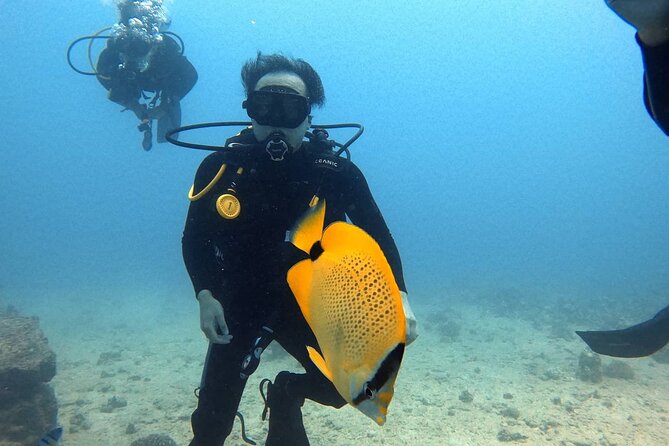
For many first-timers, the scariest part isn’t the ocean. It’s the gear. Here, the kit is handled for you. You’ll get the use of scuba equipment, which removes the hassle of figuring out sizing, setup, and what everything does.
I also like that snacks are included. That matters because your body needs fuel for the mix of learning, moving around, and then being in cooler water than you might expect. If you tend to get lightheaded or cranky when you miss a meal, this included food is the kind of built-in comfort that can save the whole experience.
Service animals are allowed, and the meeting point is near public transportation, which is helpful if you’re not renting a car in Oahu.
Getting In the Water: What Your Instructor-First Sessions Feel Like
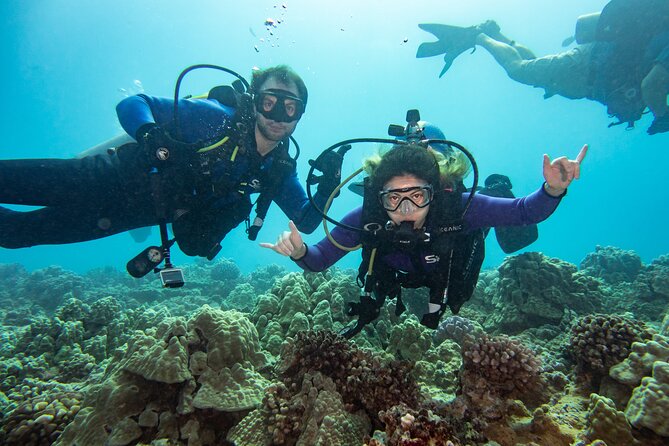
Your first open-water experience is taught with a strong safety-and-comfort focus. The program is designed specifically so your instructor can guide you through your first skills and then support you underwater.
Because the group is kept small (1–4 people), your instructor can watch what you’re doing instead of juggling a crowd. That’s a big deal for first-timers, where one overlooked detail can become a distraction. The reviews reinforce this: one person praised the instructor for checking gear constantly and responding quickly when needed.
You can also plan on learning plus conversation. One review described time to talk between water sessions about diving, sea animals, and where other diving locations are found. Even if you don’t plan to become a regular, that Q&A time is useful. It helps you connect what you’re seeing to how the underwater world works.
Wildlife You’ll Want to Look For (And How Small Groups Help)
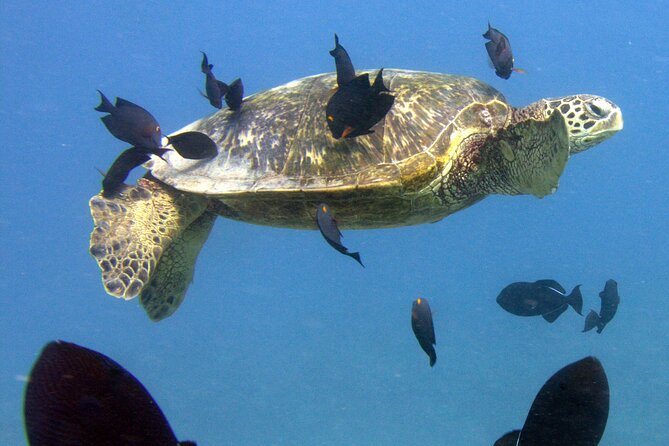
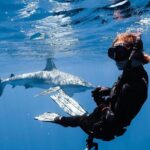
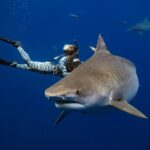
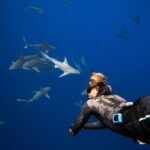
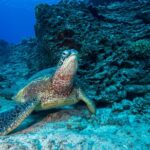
This is one of the best reasons to choose a small-group intro program. A larger group can disturb marine life, so these sessions keep things smaller to reduce stress on animals. In real life, that translates to better viewing conditions.
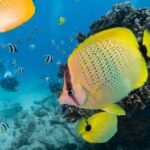
Based on what I’d expect from the program’s wildlife focus—and the examples people reported—you’ll want to keep your eyes open for:
- Sea turtles
- Octopuses
- Electric eels (mentioned in one review)
Here’s the practical tip I’d give you as you’re learning: don’t try to stare straight at everything. Move your attention slowly. When you’re new, you’ll be busy with breathing, buoyancy, and body position. If you try to track wildlife like a wildlife documentary camera, you’ll tire out fast. A calmer pace helps you notice animals and keep your own breathing under control.
The Choppy-Water Reality Check (What to Do With It)
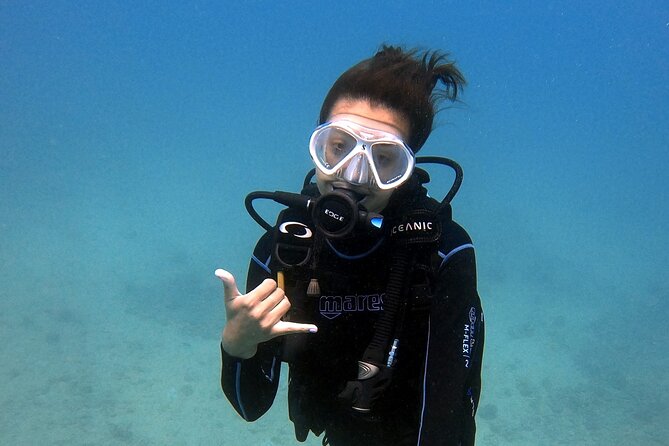
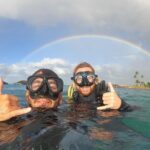
One review pointed out that the day was extremely choppy and that the open-ocean practice felt not ideal for beginners. The provider’s response made an important point: choppiness doesn’t extend underwater and doesn’t affect the actual dive experience.
Here’s how you should use that information. If you’re the type who feels uneasy when the water is rough on the surface, decide ahead of time whether you’re okay with a less-than-perfect travel day. The training may start with surface skill practice, and that portion can feel more intense when the ocean is moving.
If you do book, go in with a simple goal: treat the first session as learning, not performance. Your instructor’s focus is your safety and comfort. That mindset makes a choppy morning much easier to tolerate, because you’re not trying to “prove” anything—you’re absorbing basics and trusting the process.
Price and Value: Is $279 Reasonable for a First-Timer?
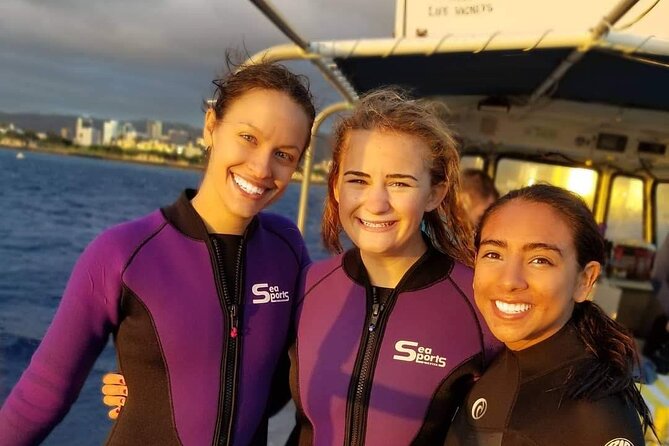
At $279 per person for about 4 hours, this isn’t a bargain-basement activity. But it’s also not a random tourist add-on. The value comes from the combination of:
- Instructor-led small-group coaching (1–4 people), which is what you need when you’re learning unfamiliar gear and unfamiliar breathing rhythms
- Scuba equipment provided, saving you money and time (and avoiding gear mistakes)
- Snacks included, which keep your energy up during a training-focused day
- A safety-and-medical process (including the RSTC waiver), which shows you’re not skipping the serious stuff
If you’ve ever tried to wing a first-time water activity on your own, you know how quickly it gets expensive in stress and confusion. Paying for a structured lesson with hands-on supervision is usually the smarter spend. For first-timers who want a guided, controlled introduction, $279 can feel fair—especially since you’re not paying extra for gear.
Who This Ought to Suit Best in Oahu
This experience fits best if you:
- Want to learn something new with guidance throughout
- Prefer smaller groups so you can actually hear your instructor and feel supported
- Like the idea of seeing marine life while being taught how to move underwater safely
- Appreciate that they provide equipment and include snacks, which reduces the usual beginner friction
The physical requirement is “moderate physical fitness level.” If you’re comfortable with basic movement and don’t have mobility issues, you’ll likely be fine. If you’re worried, pay attention to that medical waiver step and plan your day around it.
If you’re very anxious about open ocean conditions, you might want to think carefully. The choppy-day feedback suggests comfort can vary depending on sea state, and surface practice may feel like the hardest part.
Should You Book This First-Timer Scuba Training?
If you want your first underwater experience to feel structured, safety-focused, and guided by real instruction, I’d say this is a strong choice. The small-group format (1–4 people), equipment provided, included snacks, and English-speaking support are the big wins for beginners.
I’d book if you like learning with patience and hands-on attention—especially since one review specifically praised Ed for explaining the basics and being very patient. You’ll likely leave feeling more capable and more excited about what you saw, from sea turtles to octopuses.
I wouldn’t book blindly if you know you’re extremely uncomfortable with choppy surface conditions. That part of the day can be the make-or-break moment for a first-timer, and the learning setup can feel intense in rougher water.
FAQ
How long is the first-time scuba training experience?
It runs for about 4 hours (approx.).
Where does the experience start and end?
It starts at 74VV+4W Honolulu, HI, USA and ends back at the same meeting point.
What time does the experience begin?
The start time listed is 11:00am.
How many people are in the group?
Small groups are kept to one to four people, and the overall activity has a maximum of 16 travelers.
Is scuba equipment provided?
Yes. You’ll have use of scuba equipment.
What’s included besides equipment?
Snacks are included.
Do I need to fill out a medical waiver?
Yes. An RSTC Scuba Medical Waiver must be filled out on the morning of the charter, and if you answer yes to any question, you’ll need a doctor’s note before you can scuba.
What’s the cancellation policy?
You can cancel up to 24 hours in advance for a full refund, and the experience requires good weather. If it’s canceled due to poor weather, you’ll be offered a different date or a full refund.