REVIEW · OAHU
Two Tank Wreck and Drift Dive in Oahu
Book on Viator →Operated by Snorkel with Turtles · Bookable on Viator
A good underwater plan starts with the ocean behaving. This Oahu outing pairs a wreck stop with a second drift section, and the crew chooses sites in Maunalua Bay based on conditions and tides. I like that it’s built for Open Water certification and above, with clear safety focus from guides like Nadia and Gem. I also like the small-group feel, with a max of 14 on board.
The only real catch is the ocean runs the schedule. Some days the wreck or drift spot may feel more or less interesting, since the exact underwater locations shift day to day.
In This Review
- Key highlights you’ll care about
- Why Maunalua Bay is a smart choice for a wreck-and-drift day
- Price and value: what $225 really buys you
- The 7:30 am logistics that keep the day on track
- How the two-tank plan works step-by-step
- Before you get in the water
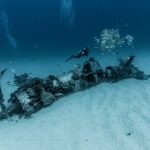
- Tank 1: the wreck stop
- Tank 2: the drift section
- Back on shore
- The wreck stop: what to expect in Maunalua Bay
- The drift section: handling current without stress
- Crew, safety, and the human side of the boat
- What to bring for comfort (and to avoid the last-minute scramble)
- Who this outing suits best
- Should you book this Two Tank wreck-and-drift charter?
- FAQ
- What is the price per person?
- How long does the outing last?
- What time does it start, and when does it end?
- Where do I meet for the tour?
- What is included in the price?
- What should I bring since it is not included?
- Do I need scuba certification?
- How many people are on the boat?
- Is the tour offered in English?
- Can I bring a service animal, and what happens if weather is bad?
- What is the cancellation window?
Key highlights you’ll care about
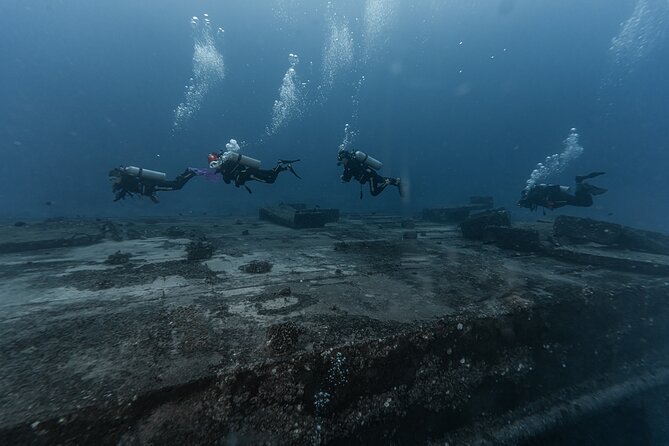
- Two underwater stops, two tanks: one wreck area first, then a drift-focused section after
- Maunalua Bay site selection: the crew picks locations daily based on tides and conditions
- Small group size (max 14): more manageable, easier to keep the group together
- Gear included: scuba equipment is part of the $225 price
- Safety-first guiding: calm, methodical support is a big theme from guides like Gem and Nadia
- Light snacks and water on board: you’re not starting the day totally empty
Why Maunalua Bay is a smart choice for a wreck-and-drift day
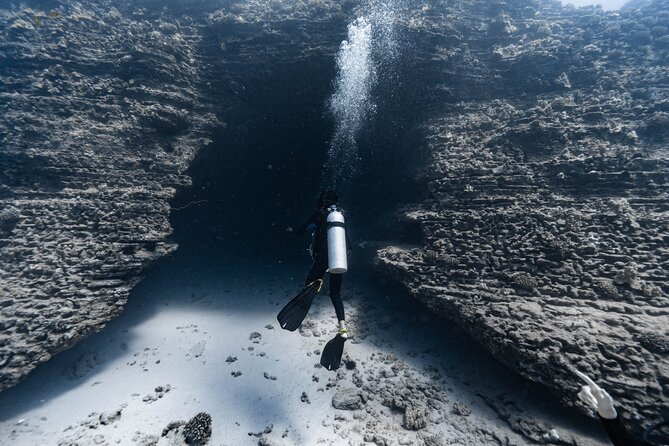
If you’re chasing variety in one morning, this setup makes sense. You get a wreck-focused underwater stop first, then you move to a second area for a drift section. It’s a one-day combo of structure and movement, and that mix is exactly what many people want when they only have a limited number of hours on Oahu.
Maunalua Bay is also convenient. You start from Island Divers Hawaii at 377 Keahole St STE E101, Honolulu, with the activity running about 4 hours 30 minutes. The morning start time (7:30 am) matters because it helps you get the first part of the day while conditions are often more predictable.
What I especially like is that you’re not locked into one exact underwater spot. The charter chooses “many options” in the bay, and the exact sites are determined by conditions and tides daily. That means the crew can steer you toward the best water that day instead of just checking a box.
On the comfort side, the vibe from staff names like Nadia, Gem, Ashley, Ryan, and Corbin shows up in a practical way: clear expectations, efficient help, and a group plan that keeps people from floating around confused. If you get nervous before getting in the water, that kind of methodical approach can make the whole day feel calmer.
You can also read our reviews of more tours and experiences in Oahu.
Price and value: what $225 really buys you
At $225 per person, this isn’t a budget snorkel-and-stroll. It’s a guided scuba outing with two tanks and gear included. When you compare that to the cost of renting equipment, lining up a boat, and paying for two guided underwater sessions, the price becomes more reasonable—especially for a small boat with up to 14 people.
Here’s what your money covers:
- Scuba equipment included (all gear is part of the price)
- Light snacks and water
- A two-tank plan split between wreck and drift sections
And here’s what it does not include:
- Sunscreen
- Towel
So the best way to think about value is simple: you’re paying for a full morning experience—boat time, crew time, equipment support, and two underwater parts—without needing to bring everything yourself. If you already own your own gear, the operator also offers a discount for bringing it (so it can be even better value).
Also note the booking rhythm. On average, this is booked about 11 days in advance, which is a hint that spots fill. If you’re planning a trip around a specific day, I’d treat it like something you should lock in sooner rather than later.
The 7:30 am logistics that keep the day on track
This outing starts at 7:30 am and ends back at the meeting point. The meeting location is Island Divers Hawaii, 377 Keahole St STE E101, Honolulu.
That timing affects your whole day plan. A morning start means:
- You’re likely back on land while your afternoon still feels wide open.
- You can pair it with other Honolulu plans without feeling like you lost the day to traffic and wait times.
It’s also a pretty group-friendly schedule. With a max of 14 travelers, the day usually runs with less chaos than larger charters. And you’re not doing all the prep alone; the crew is on hand with gear support.
A small but helpful detail: you get a mobile ticket. That saves hassle on a busy travel day when you’re juggling sunscreen, towels, and a million small reminders.
Physical readiness is part of the deal, too. The tour lists a strong physical fitness level as a requirement, and it also requires you to be Open Water certified or higher. That doesn’t mean you need to be an athlete, but you should be comfortable with the realities of entering and exiting water and keeping up with the flow of a guided day.
How the two-tank plan works step-by-step
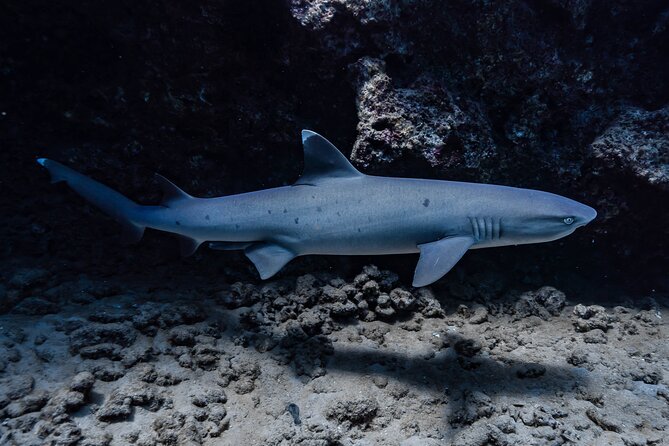
The day is built around a straightforward rhythm: get out to Maunalua Bay, do one underwater stop focused on a wreck, then move to a second area for a drift section. The exact sites can vary based on what the ocean is doing that day.
Before you get in the water
Expect a setup period where you get your gear squared away and your group gets organized. The crew style shows up in the feedback: people describe staff as efficient and helpful, and multiple guides are praised for being clear about the plan.
If you’re an anxious participant, this part matters a lot. People mention feeling safer when the guide lays out the plan and keeps the group cohesive, instead of going off-script. A methodical approach from guides like Gem is specifically called out as calming—especially for someone who usually gets pre-water jitters.
Tank 1: the wreck stop
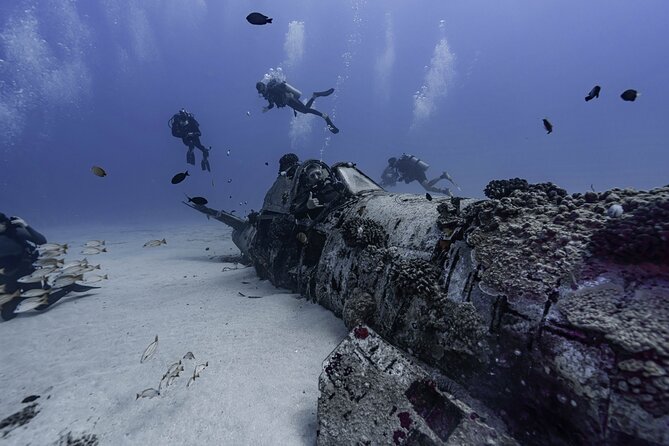
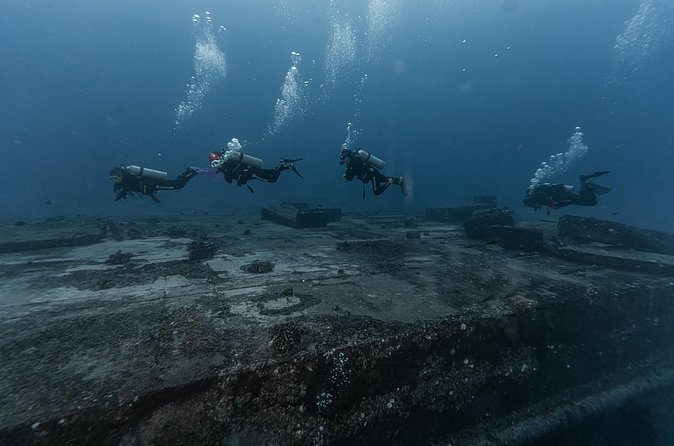
The first underwater stop is the wreck area. It’s designed for your first tank of the day, which is smart: you’re fresh, you can settle into buoyancy and breathing rhythm, and you have a clear “first goal” before switching to something with more movement.
What you’re looking for underwater is a wreck environment—structures that can give you orientation cues, plus that classic sense of exploring something built by humans. It’s also the kind of site where good guidance helps you make sense of the space without rushing.
One practical note: you’re not guaranteed that every day will feel equally dramatic. Sites depend on conditions and tides, and one experience mentioned that two of the spots felt boring for the price. That’s the tradeoff of ocean-based site selection—some days are more photogenic than others.
Tank 2: the drift section
After the wreck stop, the charter moves to another location for the drift section. A drift section usually means you’ll be dealing with current and movement more actively than at a stationary site.
If you want to feel confident here, focus on your fundamentals:
- Stay calm and breathe steadily
- Keep buoyancy controlled so you’re not fighting the water
- Listen closely to the guide’s instructions before you enter
The guide team is part of the value. People call out crew members like Nico and Oscar (among others) as professional and supportive, and Captain Matt is praised for choosing the best underwater spots the island has to offer.
Back on shore
You return to the meeting point as part of the scheduled timing. The whole outing runs about 4 hours 30 minutes, which helps when you’re planning meals and rest afterward.
The wreck stop: what to expect in Maunalua Bay
Wreck underwater areas tend to be a favorite because they give you more than just open seascape. Structures can offer a sense of shape and depth. They can also make it easier to follow a plan because you’re not searching for something abstract—you’re moving through a defined environment.
That said, a wreck stop can vary a lot from day to day depending on visibility, water motion, and how the chosen wreck area is behaving in the moment. That’s why the operator emphasizes daily site selection and “many options.”
If you care about first-tank success, aim to show up rested and ready. A nervous or fatigued start can make you want to rush, and wrecks reward calm movement and good buoyancy. This is also where a safety-first approach shows up. Guides like Nadia are mentioned as professional, clear, and focused on safety as a top priority.
If you’re bringing your own gear, it can help you feel even more in control. If not, the included rental gear is there to keep you from spending time sourcing equipment.
The drift section: handling current without stress
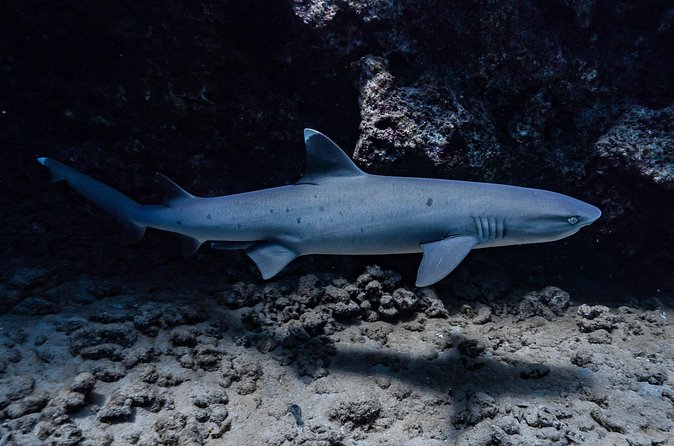
A drift section is where your technique really matters. You generally have to manage both your position in the water and your awareness of how the current affects your movement.
You’ll feel the difference immediately after the wreck stop—more motion, less “stay in place” behavior, and more attention to timing. That’s why I like that this outing keeps the group moving in a planned way. When people mention feeling safe and comfortable, they often point to the guide’s structured method and the crew keeping everyone cohesive.
If you’re someone who gets anxious in the water, this is exactly where a calm guide can turn the day around. The feedback includes a strong theme: being methodical, giving you a plan, and helping you understand what’s coming next melts nerves so you can focus on the experience.
A drift section can be an awesome upgrade from a stationary outing—just be honest with yourself about what you can handle. This charter lists a requirement for strong physical fitness, and that’s not just paperwork. Current, water entry, and staying relaxed all draw on stamina.
Crew, safety, and the human side of the boat
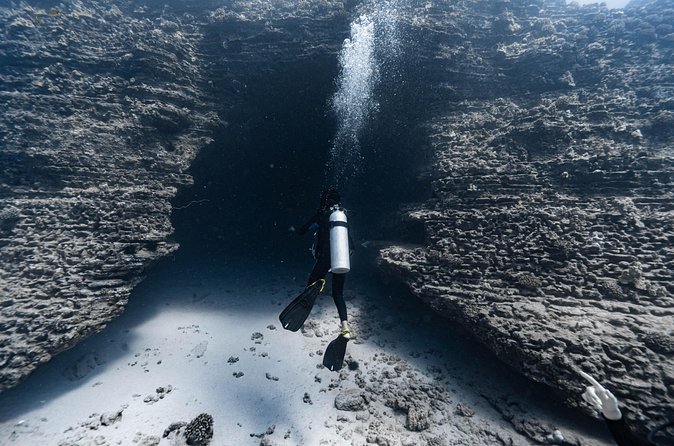
This is one of the best parts of the experience. Multiple guide names come up in a positive way, and the common thread is competence plus reassurance.
Here are a few examples of the kind of support you should look for:
- Gem: described as methodical and calming, especially for anxious participants
- Nadia: praised for clear safety focus and professional guidance
- Ashley: described as kind and helpful, including taking photos
- Ryan: praised for making the experience fun while helping a family feel safe
- Captain Matt: praised for selecting strong underwater spots
Even beyond the top names, people mention the crew being efficient—helping fix gear so a participant can keep going. That kind of quick, practical problem-solving is a big deal on a scuba day. It’s the difference between “one little issue ruined everything” and “we sorted it fast and stayed on schedule.”
Also, the charter allows service animals, which is a real consideration for some families and individuals.
What to bring for comfort (and to avoid the last-minute scramble)
Your gear is included, but you’ll still want a solid comfort kit.
Bring:
- Sunscreen (not included)
- A towel (not included)
- A way to keep your phone protected and dry during the boat ride
Also, think about hydration. The boat provides light snacks and water, but you’ll still feel better if you start with a normal breakfast and then snack lightly instead of waiting until you’re already tired.
And if you’re prone to cold or you’re sensitive after water time, pack layers for the ride back. The ocean air can feel different from shore, especially in the morning.
Who this outing suits best
This charter is aimed at people who are already scuba-ready. Specifically:
- You need Open Water certification or higher
- You should have a strong physical fitness level
- The tour is for an English-speaking group
It’s a great fit for:
- Anyone who wants two different underwater experiences in one morning
- People who benefit from clear safety instruction and structured planning
- Divers in families or mixed-experience groups who want a crew that keeps things organized
It might be a less perfect fit if:
- You’re chasing a very specific wreck photo in your head
- You need a guarantee about what you’ll see on a given day (the sites shift with conditions and tides)
- You’re uncomfortable with drift-style movement and current
Should you book this Two Tank wreck-and-drift charter?
I’d book it if you want a well-run, gear-included morning in Oahu that balances two underwater styles—wreck structure first, then a drift section—with a safety-focused crew. The small boat size (max 14) and the strong praise for guides like Gem and Nadia are exactly the kind of details that matter when you’re choosing where to spend your vacation time.
I’d hesitate only if your main goal is certainty about specific sites or you get easily disappointed when the ocean changes the plan. The charter is ocean-dependent by design, and that’s also why the crew can chase good conditions day to day.
If you’re flexible, Open Water certified, and you want variety without building a complicated schedule, this is a strong contender.
FAQ
What is the price per person?
The price is $225.00 per person.
How long does the outing last?
It runs about 4 hours 30 minutes.
What time does it start, and when does it end?
It starts at 7:30 am and ends back at the meeting point.
Where do I meet for the tour?
Meet at Island Divers Hawaii, 377 Keahole St STE E101, Honolulu, HI 96825, USA.
What is included in the price?
Scuba equipment is included, along with light snacks and water on the boat.
What should I bring since it is not included?
You should bring sunscreen and a towel.
Do I need scuba certification?
Yes. You must be Open Water certified or higher.
How many people are on the boat?
The maximum group size is 14 travelers.
Is the tour offered in English?
Yes, the tour is offered in English.
Can I bring a service animal, and what happens if weather is bad?
Service animals are allowed. If the experience is canceled due to poor weather, you’ll be offered a different date or a full refund.
What is the cancellation window?
You can cancel for a full refund up to 24 hours in advance of the experience start time. After that, the amount paid is not refunded.