REVIEW · PANAMA CITY BEACH
Wreck and Bridge Span Dive for Certified Divers
Book on Viator →Operated by Panama City Diving · Bookable on Viator
Wrecks and bridges, with serious safety. Off the coast of Panama City Beach, this SCUBA charter sends certified participants to two underwater sites, typically at 50–75 feet, where you can swim around a shipwreck and man-made structures. You also get snacks, drinks, and a crew that keeps gear and safety from turning into a stress test.
I especially like the way this trip handles real-world comfort: lead weights are included, and the staff helps with rental-gear setup and also checks your personal gear if you’re unsure. Another win is the site choice—shipwreck ecosystems plus inshore structures usually mean more to look at than just open water.
One thing to consider: if you have travel plans, try not to fly within 18 hours after the underwater session. That timing advice matters, especially if you’re heading home right away.
In This Review
- Key Things I’d Note Before You Go
- Wreck-and-Bridge SCUBA Outing from Panama City Beach
- What You’ll See: Shipwreck Life and Bridge-Span Structures
- The 4-Hour Plan: How Two Underwater Sites Usually Roll
- Safety and Coaching: What Matters When Experience Levels Vary
- Gear, Weights, and What You May Need to Bring
- Price and Value: Is $115.36 a Fair Deal?
- Conditions Off Panama City Beach: Visibility, Current, and Expectations
- Who This Trip Fits Best (And Who Should Think Twice)
- Should You Book This Wreck-and-Bridge SCUBA Charter?
- FAQ
- Do I need SCUBA certification for this outing?
- How deep are the underwater sites?
- What visibility and current should I expect?
- Are scuba tanks and regulators included?
- Are lead weights included?
- What’s included for snacks and drinks?
- Where do we meet, and where does it end?
- Is flying right after the session recommended?
- What are the group size limits?
Key Things I’d Note Before You Go
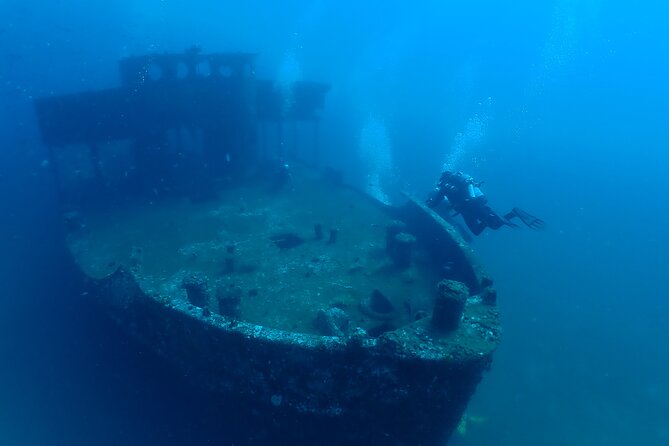
- Two structured stops: a shipwreck plus a second site with man-made structure
- Typical conditions: about 30 feet visibility with minimal current, often between 50–75 feet
- Crew support that reduces stress: help with rental gear and personal setup questions
- Ben is called out for calm coaching: clear, accommodating guidance when experience levels vary
- Snacks and drinks included: fruit, crackers, and Snickers bars plus water and Gatorade
- Small boat size: up to 14 participants, with a minimum of 4 required to run
Wreck-and-Bridge SCUBA Outing from Panama City Beach
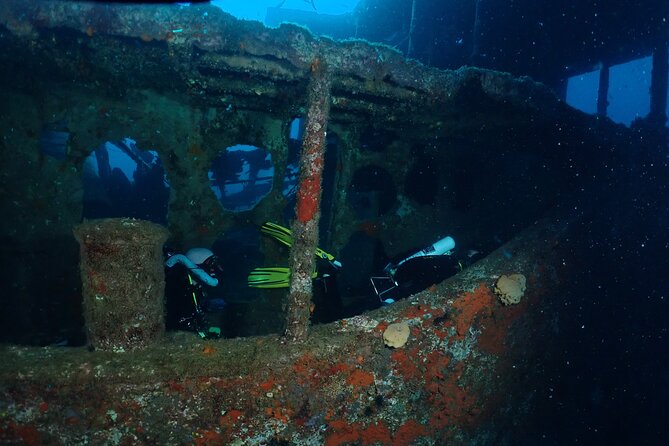
This is a practical, inshore-style SCUBA charter for certified participants who want more than the usual “pretty water” experience. You’re trading that for something with bones—actual structures on the seafloor, plus the life that forms around them. The payoff is a trip that feels like a mission you can actually picture: go out, work two sites, then come back.
Panama City Beach is also a smart base for this kind of outing. You’re not dealing with long offshore legs or complicated logistics described here. Instead, you can focus on what you care about: breathing underwater, seeing wildlife and textures on structures, and doing it with a crew that puts safety first.
You can also read our reviews of more tours and experiences in Panama City Beach.
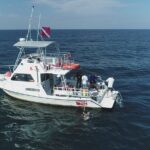
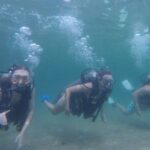
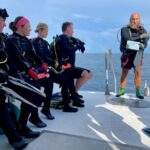
What You’ll See: Shipwreck Life and Bridge-Span Structures
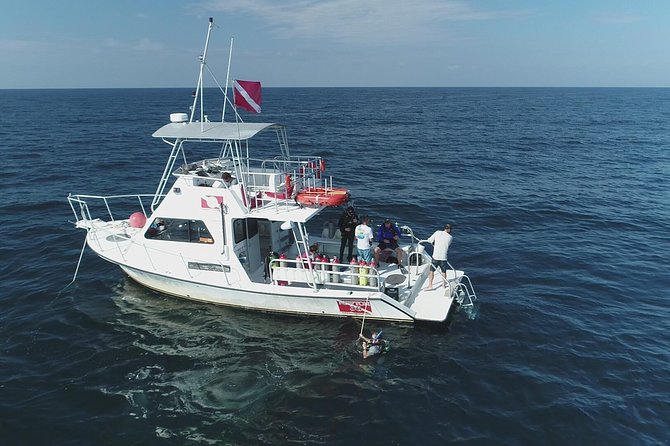
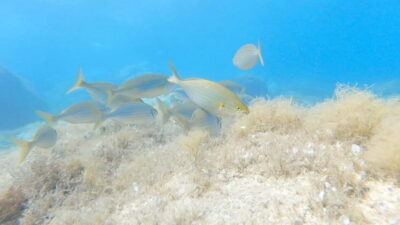
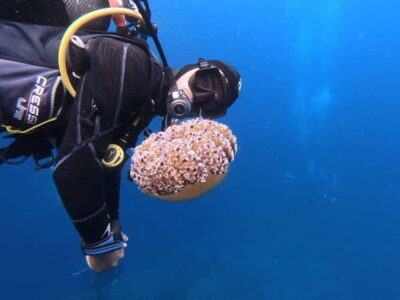
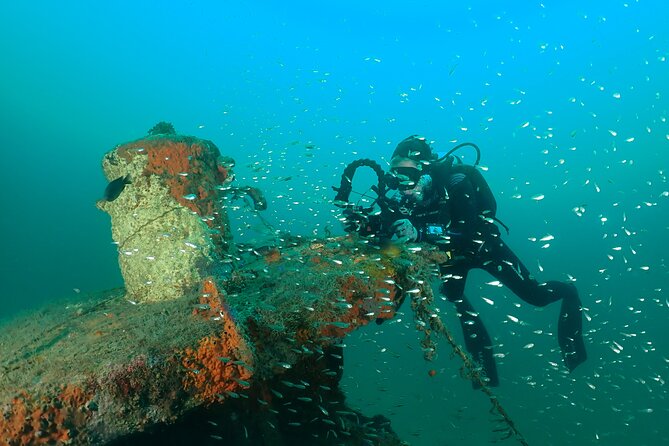
The main draw is the combo of a shipwreck and a second man-made site (a bridge span is specifically part of the plan). Shipwrecks tend to become neighborhood ecosystems. Even when visibility changes, structures give fish and other marine life something solid to associate with—so your eyes don’t spend the whole time scanning empty blue.
Depths are typically in the 50–75 foot range. That’s a workable range for many certified participants, but it’s still enough to remind you this is a real underwater environment, not a shallow snorkel. If you like thinking about buoyancy control and steady breathing, structures at these depths are where those skills start paying dividends.
Visibility is commonly around 30 feet with minimal current, which is exactly what you want for first-time structure work or for anyone who doesn’t want to fight the water. A review note also calls out visibility can run about 15–25 feet after storms, which is useful to know for expectations. In other words: you should plan for decent conditions, not fantasy clarity.
The 4-Hour Plan: How Two Underwater Sites Usually Roll
Expect roughly 4 hours total time on the water. The trip is set up so you’re not spending the whole day commuting or waiting around. You’ll head out from the meeting point on Navy Blvd in Panama City Beach, do two underwater stops, then return to the same starting location.
Because the time window is tight, the crew tends to run a structured flow: arrive, get gear sorted, do the pre-session briefing, then go to Site 1. After that, you’ll move to the second site—this is where the “wreck plus something else” part matters. You’re not just repeating the same swim. You’re seeing how different structures behave underwater and what life they attract.
One realistic consideration: the second site may not feel as exciting to everyone as the shipwreck. That’s not about safety—it’s about variety. Shipwrecks can be naturally more dramatic because they carry a full story of what’s happened down there. A bridge span is still interesting, but it may read more like a structured frame than a single iconic object.
Safety and Coaching: What Matters When Experience Levels Vary
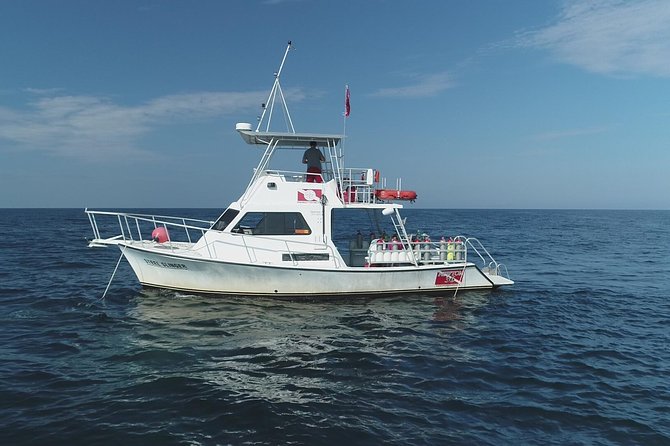
The strongest theme here is safety-first operations paired with practical guidance. One review, in particular, highlights how reassuring the crew is if you’re going out on your own or if your experience is still forming. That’s a big deal on a charter like this, because underwater confidence often depends on whether the briefing and gear checks feel organized.
You’ll notice a few details that point to how they manage confidence:
- Lead weights are included, which reduces one common friction point.
- Rental gear is available if you need it, and the crew helps make sure equipment is set up correctly.
- The staff also pays attention to personal gear questions—especially if you’re not 100% certain about how something is configured.
A specific name comes up: Ben is mentioned as the DM on board and is described as accommodating with less experienced participants. That lines up with the kind of trip this is. It’s not a solo-tech course or a specialized wreck class. It’s a charter designed to help you have a good, safe underwater time—especially when the group has mixed experience.
The key for you: bring the same attitude you bring to any structured SCUBA outing. Don’t be shy about asking questions before you hit the water. If something feels off during gear setup, get it clarified right away.
Gear, Weights, and What You May Need to Bring
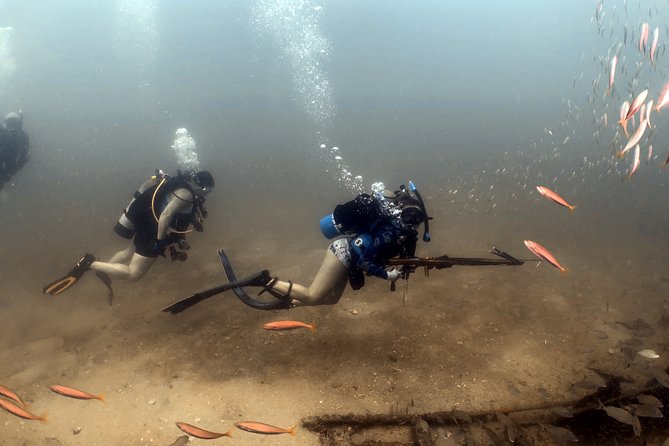
Here’s the straightforward gear reality:
- Lead weights are included
- Scuba equipment is not included
- Rental gear is available for an added cost (if you need it)
So you should plan around the assumption that you either bring your own full kit or pay extra for rentals. The listing specifically says the charter does not include the use of scuba equipment, which is important for budgeting. If you’re traveling with minimal gear, do the math early so you’re not surprised later.
Even if you bring your own equipment, you’ll still benefit from the crew’s gear support. The feedback mentions they help with rental setup and also check gear customers aren’t sure how to assemble. If you tend to reuse gear in a consistent way, great. If you’re swapping parts, traveling, or dusting off older gear, you’ll likely appreciate that extra attention.
Price and Value: Is $115.36 a Fair Deal?
At $115.36 per person, this charter sits in a range that makes sense for a two-site, inshore SCUBA outing—especially with snacks and weights included. The value isn’t just the sticker price; it’s what’s baked into it.
What you get included:
- All taxes, fees, and handling charges
- Snacks and drinks: crackers, Snickers bars, fresh fruit, water, and Gatorade
- Lead weights
What you don’t get included:
- Use of scuba equipment (rental gear is available at extra cost)
If you already own and travel with your scuba kit, you’re likely to feel this price is “normal charter pricing,” with food and weights handled for you. If you need rentals, your real total cost will rise, so it’s worth factoring in rental gear before you book.
The other value lever is time efficiency. Around 4 hours is long enough to do two meaningful underwater stops, but not so long that you waste half a day just waiting. For many certified participants, that’s the sweet spot.
Conditions Off Panama City Beach: Visibility, Current, and Expectations
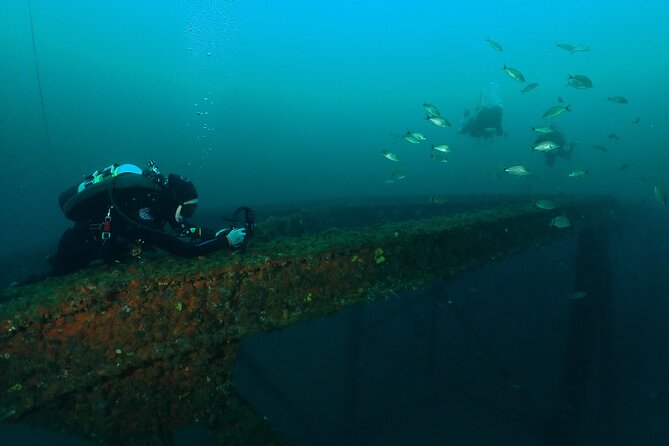
Conditions can shape how enjoyable structure work feels. Here, the typical pattern is about 30 feet visibility and minimal current. That’s a good match for both first-time structure sessions and more experienced participants who want a calm trip.
However, you should also plan for change. One note points out visibility can drop to 15–25 feet after storms. If that happens, the shipwreck and bridge span can still be excellent, but your experience will lean more toward close-up exploration—watching how life hides within and around the structure—rather than wide-angle “I can see everything” cruising.
Your best move: treat visibility as a bonus, not a promise. If you go in expecting variable conditions, you’ll enjoy the trip more and get less frustrated if the water isn’t perfectly clear.
Who This Trip Fits Best (And Who Should Think Twice)
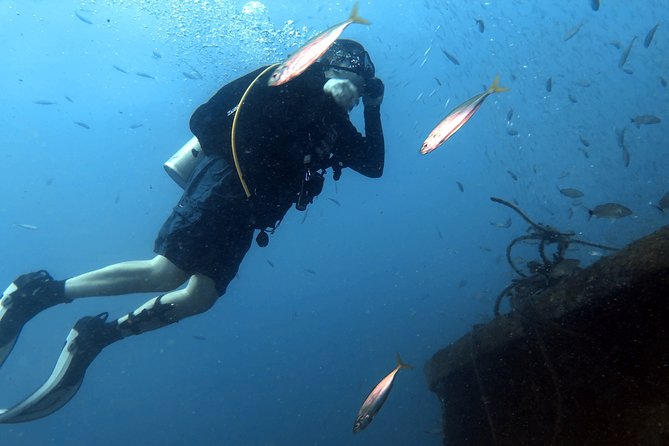
This is a strong fit for certified participants who:
- Want to practice skills in a realistic environment at 50–75 feet
- Prefer structure-based underwater seeing over open-water scanning
- Appreciate clear safety coaching and help with gear setup
- Like the idea of a shipwreck plus a second site in one outing
It may be less ideal if you:
- Have tight travel timing and need to catch a flight soon after
- Don’t have scuba equipment and aren’t prepared for rental costs
- Want a second site that will feel equally dramatic for everyone—shipwrecks often win that comparison
Also keep your physical planning realistic. The charter asks for moderate physical fitness. That doesn’t mean “hardcore athletic.” It means you should feel comfortable with the physical rhythm of getting aboard, gearing up, and handling the normal movements of an active boat day.
Should You Book This Wreck-and-Bridge SCUBA Charter?
I’d book it if you’re a certified participant looking for an organized, safety-forward outing with two underwater stops and built-in snacks and weights. The crew support stands out as the kind of detail that improves the trip for almost everyone—especially if your experience level is still developing.
If you’re the type who hates uncertainty about visibility, remember the charter notes typical 30 feet conditions but acknowledges it can be lower after storms. If that won’t bother you, you’re in good shape.
Bottom line: this is a practical way to see Panama City Beach underwater structures without turning your day into a gear-and-guessing exercise. Plan your timing, bring your certification proof, and show up ready to ask questions. You’ll likely have the kind of trip that leaves you wanting to return for another site.
FAQ
Do I need SCUBA certification for this outing?
Yes. The charter requires evidence of SCUBA certification from all divers wishing to participate.
How deep are the underwater sites?
Depths are typically in the 50–75 feet range.
What visibility and current should I expect?
Visibility is typically around 30 feet with minimal current. After storms, visibility may be about 15–25 feet.
Are scuba tanks and regulators included?
No. The use of scuba equipment is not included. Rental gear is available for an additional cost.
Are lead weights included?
Yes. Lead weights are included.
What’s included for snacks and drinks?
Snacks include crackers, Snickers bars, and fresh fruit. Drinks include water and Gatorade.
Where do we meet, and where does it end?
Meet at 106 Navy Blvd, Panama City Beach, FL 32408. The activity ends back at the same meeting point.
Is flying right after the session recommended?
Flying within 18 hours after diving is not recommended.
What are the group size limits?
A minimum of 4 people is required for the charter to run, and there’s a maximum of 14 travelers.