REVIEW · BALI
Bali: 2-Day PADI Advanced Open Water Course
Book on GetYourGuide →Operated by Bali Diving · Bookable on GetYourGuide
One day’s not enough to feel truly confident, and that’s why this 2-day course hits so well. I like the max-two diver setup, and I also love that you get five sea training sessions across Padang Bai Blue Lagoon and Tulamben’s USAT Liberty wreck. The one catch is the schedule: you’re up early and you’ll be out until around 5:30 PM both days.
For $339, the value is strong because you’re not just buying classroom time. You get hotel pickup from several Bali areas, marine park entry fees, boat and porters’ fees, lunch plus water/tea/coffee, equipment rental, and PADI course materials and certification. Do note: this isn’t suitable for pregnant travelers, or anyone with heart problems or respiratory issues.
This course is built for people who already have their PADI Open Water certification and want structured progress. Day one focuses on core advanced skills at Padang Bai Blue Lagoon, then day two shifts to Tulamben to work wreck-site techniques at USAT Liberty.
In This Review
- Key points you should know before you book
- Advanced Open Water in Bali: why this 2-day format makes sense
- Pickup, small-group size, and your training pace
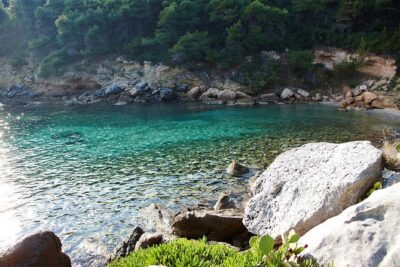
- Day one at Padang Bai Blue Lagoon: three skill sessions that build confidence
- Day two in Tulamben: USAT Liberty wreck-site training with real goal practice
- The advanced skills you’ll complete (and how they translate underwater)
- What you’re really paying for: price and value at $339
- Timing, transport, and comfort: plan for full days on the coast
- What to bring in Bali: the essentials that keep the day easy
- Who this course suits best (and who should skip it)
- Should you book this 2-day Advanced Open Water course in Bali?
- FAQ
- What certification do I need to join?
- How many people are in the group?
- Where do the course sessions happen?
- What sessions are included for the course requirements?
- What are the pickup and drop-off times?
- Is there a cancellation option?
Key points you should know before you book
- Max 2 participants means more attention and less waiting around between skill checks.
- Padang Bai + Tulamben gives you practice in two very different training settings.
- Mandatory deep descent and underwater navigation are part of the certification track you’ll complete.
- USAT Liberty wreck training adds a major real-world goal for your second day.
- All-in pricing at $339 includes marine park fees, boat/porters, lunch, and equipment rental.
- English and Indonesian instruction helps you follow directions clearly throughout the course.
Advanced Open Water in Bali: why this 2-day format makes sense
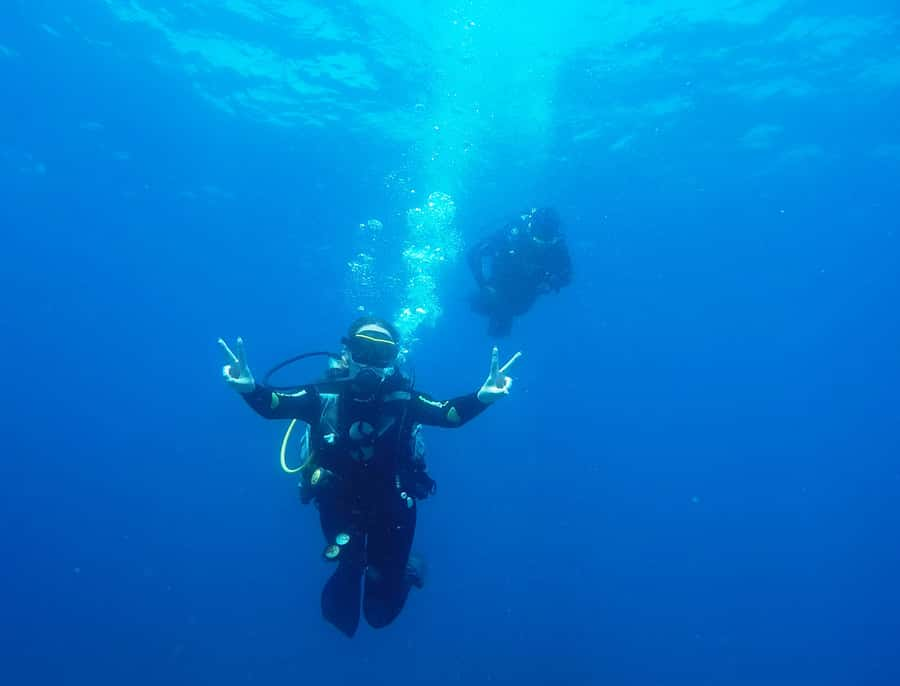
A good advanced course isn’t about collecting checkboxes. It’s about tightening your procedures so you can handle tougher conditions and new tasks without stress. This 2-day PADI Advanced Open Water course is designed around that idea, using two classic Bali sites and a structured skill progression across both days.
What I like most is that the schedule matches how learning usually works underwater. Day one builds technique and decision-making at Padang Bai Blue Lagoon with three ocean sessions. Day two then uses what you practiced to tackle the USAT Liberty shipwreck in Tulamben with two sessions, which is a natural step up in complexity.
You should also know that the course is designed exclusively for PADI Open Water certified divers. That matters, because you’ll be moving at an advanced pace, not repeating basics. If your buoyancy and comfort are already solid, you’ll likely get a lot out of the feedback cycle during the shorter timeframe.
You can also read our reviews of more tours and experiences in Bali.



Pickup, small-group size, and your training pace
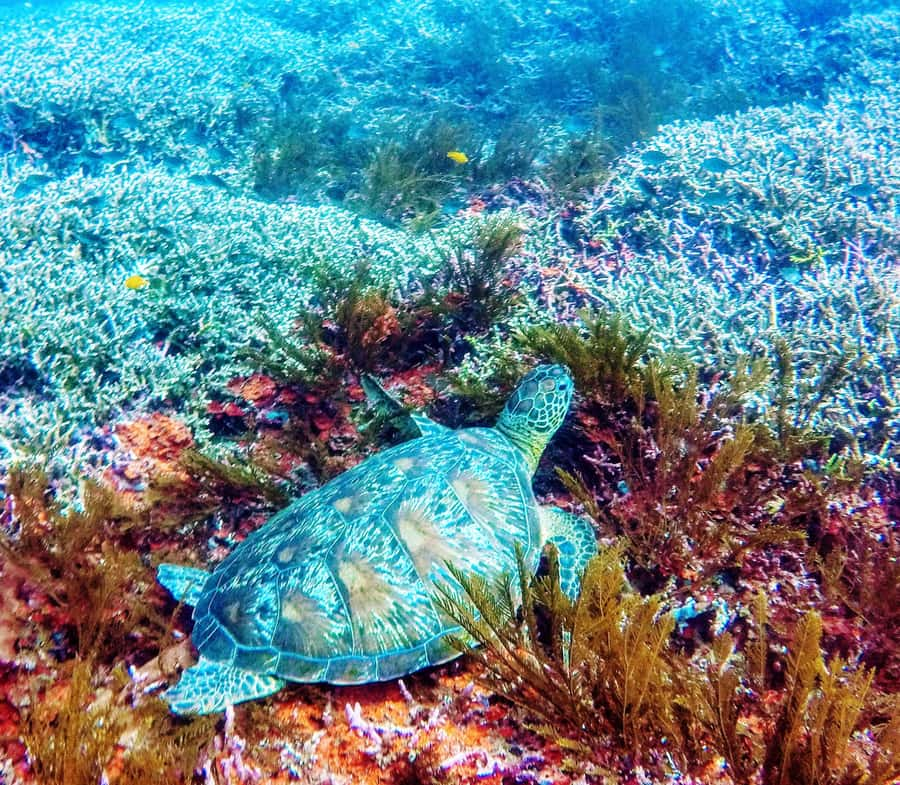
This course runs as a small group limited to 2 participants, and that’s more than a comfort detail. When there are fewer divers, the instructor can spend more time on your specific issues—like timing, breathing rhythm, buoyancy control, or navigation habits—rather than splitting attention across a larger group.
Pickup is included from Nusa Dua, Jimbaran Beach, Kuta, Legian, Seminyak, and Sanur. The morning timing is early: pick up is between 7:00 AM–7:15 AM for most areas, and 7:30 AM–7:45 AM for Sanur, with a request to wait about 10 minutes in the hotel lobby before the scheduled pickup.
Drop-off is at 5:30 PM. That long day can be tiring if you start with little rest or plan big dinner plans immediately afterward. Still, if you’re trying to get your advanced certification done efficiently, this timeline keeps the days productive.
Instructor languages are English and Indonesian. If you want to be able to ask follow-up questions without guessing, this bilingual setup is a practical benefit.
Day one at Padang Bai Blue Lagoon: three skill sessions that build confidence
Day one starts with the course paperwork at the scuba center. You’ll fill out forms and handle the necessary registration details before you even touch equipment. Make sure you bring your PADI Open Water certification card, since you must show it to participate.
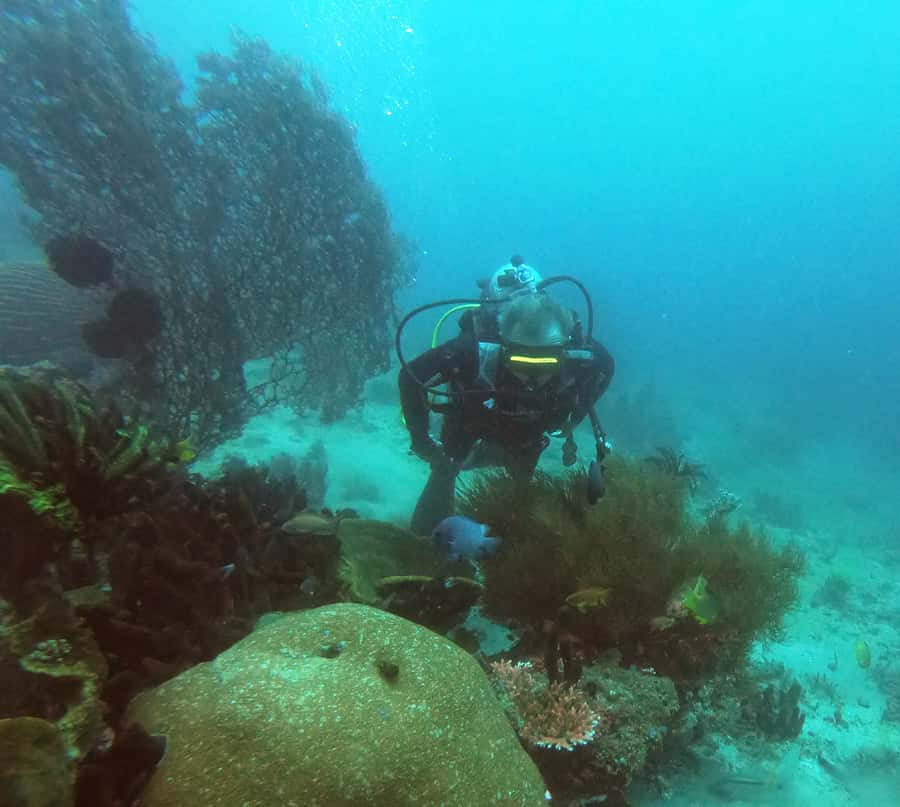
After admin, you’ll prepare gear and load vehicles for the transfer to Padang Bai Blue Lagoon. You then run three ocean training sessions guided by the instructor. This is where the advanced learning starts to feel real, because you’re not only being taught—you’re practicing specific techniques and receiving coaching on how to execute them safely.
Between sessions, you’ll re-energize with lunch and light refreshments included back at the scuba center. You’ll also have water plus tea and coffee available there, which helps if you’re prone to getting dehydrated in the morning heat.
A practical note: the value of a first day like this is the feedback loop. You’ll have time to correct habits while the course is still fresh and the conditions are familiar. If you go into day one tired or rushed, you’ll likely feel it during the skill checks.
Day two in Tulamben: USAT Liberty wreck-site training with real goal practice
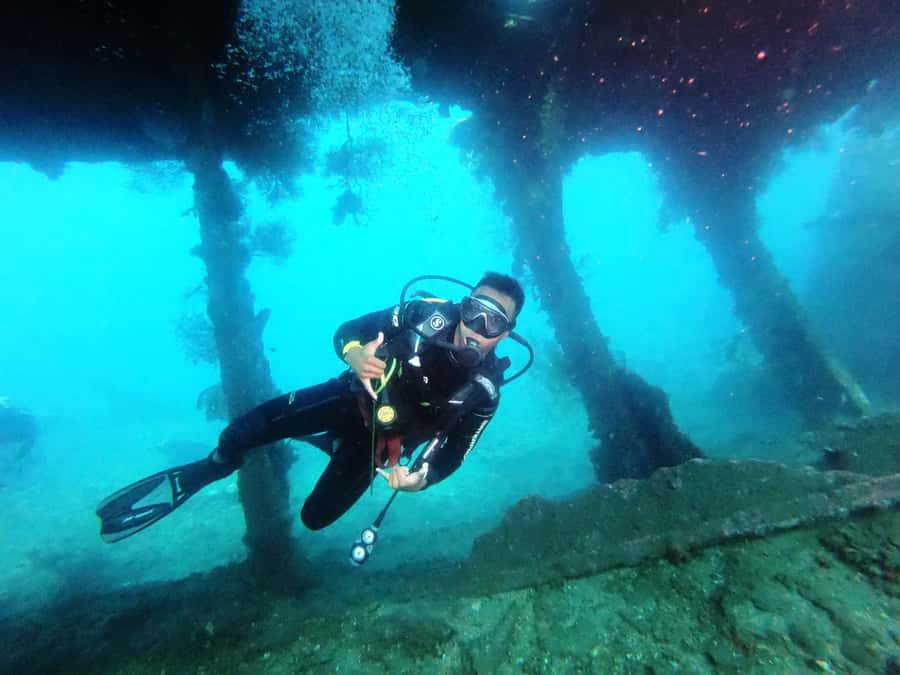
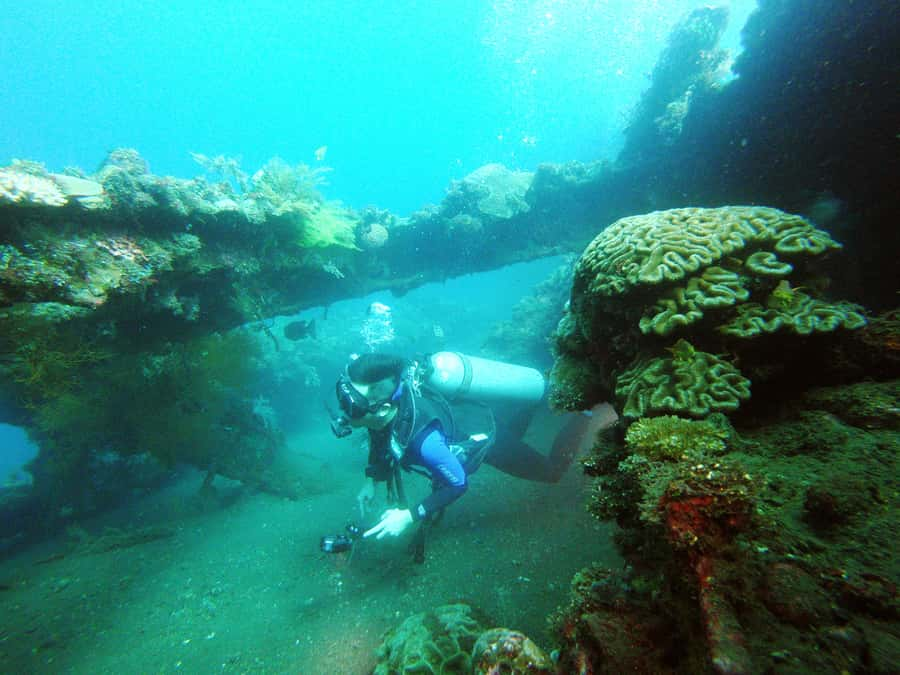
Day two goes to Tulamben to explore the USAT Liberty shipwreck. This is the “big picture” day, because wreck-site training changes how you think underwater. You typically need sharper awareness, careful buoyancy control, and clear orientation skills so you can move with confidence around a structured environment.
The course includes two ocean training sessions at the wreck site. You’ll work on wreck-related skills as part of completing your advanced training requirements. Even if you’ve seen wrecks before, a formal course format is useful because you’re practicing technique under supervision—not just visiting a site.
What makes Tulamben especially meaningful for advanced certification is that it gives you a tangible outcome. You’re not training in theory. By the end of day two, you’ll have completed the course requirements across several modules, including the wreck-site component.
One consideration: wreck-site days can feel slower because the environment demands more careful movement and more attention to buoyancy. If you hate taking your time underwater, it can feel less fun than an open-water scenic day. If you like learning and tightening your procedures, this is where you’ll likely feel the payoff.
The advanced skills you’ll complete (and how they translate underwater)
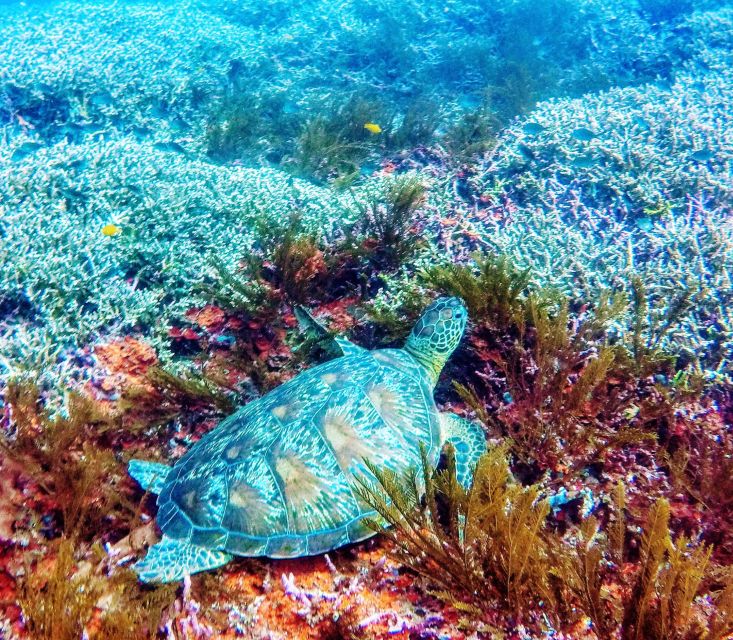
By the end of this course, you’ll complete the set of advanced skills required for your certification, including mandatory components and several electives you’ll practice during the sessions.
Here’s what’s included in your track:
- Deep descent training (mandatory)
- Underwater Navigation (mandatory)
- Boat-based session
- Peak Performance Buoyancy (PPB)
- Underwater Naturalist
- Search & Recovery
- Wreck-site training
So what do these actually do for you?
Deep descent training builds the specific comfort and procedure side of going lower, which is where many divers feel the most mental friction. Underwater Navigation helps you stop relying on easy landmarks and instead learn a method. PPB is where technique meets self-control: it trains you to stay stable and efficient, which usually means less fin work and less stress.
Search & Recovery and Underwater Naturalist are also practical additions. Even if you’re mainly a recreational diver, those skills train you to think like you’re responsible for your environment and your team. Wreck-site training then ties everything together in a real setting where orientation and buoyancy matter.
What you’re really paying for: price and value at $339
At $339 per person for a 2-day course, the pricing becomes interesting when you look at what’s included.
You’re not paying separately for:
- Hotel pickup and drop-off from multiple Bali areas
- Marine park entry fees
- Boat and porters’ fees
- Lunch
- Water, tea, and coffee at the scuba center
- An experienced diving instructor
- Equipment rental
- PADI course materials and certification paperwork
For me, that’s the real value: it reduces surprise costs. In Bali, transportation, site fees, and boat-related charges can add up quickly when they aren’t included. Here, you get one package price, and the course structure stays consistent across both days.
From the feedback I’ve seen from past participants, value for money and the team’s service quality are big themes. Marcello from Switzerland highlighted the value and the overall team, and Vaclav from the United Kingdom pointed out strong communication and flexibility. That lines up with what you want from a short-format course: clear coordination and a smooth day-to-day flow.
Timing, transport, and comfort: plan for full days on the coast
The course is built around early mornings. Your pickup window starts at 7:00–7:30 AM depending on where you’re staying, and you’re done at 5:30 PM. That means you should treat these days like a full schedule, not a quick activity squeezed into an afternoon.
Transport matters because you’ll move from your hotel to Padang Bai Blue Lagoon on day one, then over to Tulamben on day two. On both days, gear prep and loading happen before the main sea sessions, so arriving prepared helps you get more practice time.
A comfort trick that actually helps: keep a small kit ready for mornings so you aren’t searching for towel or sunscreen after pickup. If you’re hopping between pickup and gear prep, those tiny delays can add up.
What to bring in Bali: the essentials that keep the day easy
The course lists what to bring, and I’d follow it closely. You’ll want:
- Change of clothes
- Towel
- Sunscreen
They also ask you to bring swimwear and a hat. Wear what you’ll need for the heat and sea day, and plan on changing later.
I also suggest you bring a simple way to keep personal items dry. The course gives you equipment rental, but it can’t protect your phone and valuables from sea spray in the back-and-forth moments.
If you burn easily, prioritize sunscreen before pickup. You’ll be outside early, and long, sunny days are the norm for this kind of schedule.
Who this course suits best (and who should skip it)
This course is for adults and teens who already hold PADI Open Water certification and want the next step. Participants must be at least 12 years old, so it can work for older teens who are already certified.
It’s also designed as a small group for Open Water certified divers, so you should go in with real comfort in basic skills. If you’re unsure with buoyancy or feel anxious around equipment handling, you might find the advanced track moves quickly.
Health-wise, it’s not suitable for:
- Pregnant women
- People with heart problems
- People with respiratory issues
If any of those apply, don’t try to push through. Advanced training demands extra control and safety, and your best move is to choose a version that matches your situation.
Should you book this 2-day Advanced Open Water course in Bali?
Book it if you want a fast, structured path to your Advanced certification with minimal hassle. The max-two participant setup is a real advantage, and the included items (equipment rental, site fees, lunch, and transport) make it feel like a clean package.
Consider not booking if you’re not ready for early mornings and a long day schedule, or if you have health limitations listed as not suitable. Also, if you’re hoping for a purely scenic trip with little skill work, this course is built around training modules, not sightseeing-first diving sessions.
If your goal is clear—finish the advanced requirements while getting guidance on buoyancy, navigation, and wreck-site technique—this is a practical, good-value choice in Bali.
FAQ
What certification do I need to join?
You need PADI Open Water certification, and you should bring your certification card with you during registration.
How many people are in the group?
The course is a small group limited to 2 participants.
Where do the course sessions happen?
Day one is at Padang Bai Blue Lagoon. Day two is in Tulamben at the USAT Liberty shipwreck.
What sessions are included for the course requirements?
You will complete deep descent training (mandatory), Underwater Navigation (mandatory), plus boat-based session, Peak Performance Buoyancy (PPB), Underwater Naturalist, Search & Recovery, and wreck-site training.
What are the pickup and drop-off times?
Pick up is between 7:00 AM–7:15 AM for Nusa Dua, Jimbaran Beach, Kuta, Legian, and Seminyak, and between 7:30 AM–7:45 AM for Sanur. Drop-off is at 5:30 PM.
Is there a cancellation option?
Yes. You can cancel up to 24 hours in advance for a full refund.