REVIEW · CANCUN
Open Water Diver course PADI in Cancun
Book on Viator →Operated by Diversland Mexico · Bookable on Viator
A great first step into scuba training starts with calm coaching. This PADI Open Water course in Cancun mixes classroom theory, pool skills, and four ocean sessions with a certified instructor. I like that it’s structured, not chaotic, and that you get real support from the start.
Two things I’d bet on: you’ll get hands-on instruction in the pool before you head out, and you’re not paying extra for the big pieces like equipment, boat transport, and the PADI certification. One consideration: you’ll need to be medically cleared and you’ll also want to avoid flying right before the course, since a health questionnaire is required.
In This Review
- Key Highlights to Know Before You Go
- Price and What You Actually Get for $600
- What the 3-Day Course Feels Like: Learn, Practice, Prove
- Knowledge Development: The Theory Part That Saves You Later
- Confined Water Training: Pool Skills Built for Real Humans
- Open-Water Ocean Sessions: Four Attempts to Feel Safer Each Time
- Two Stops That Define the Course: Diversland and Blue Dive
- Stop 1: Diversland for the Training Base
- Stop 2: Blue Dive for the Ocean Part
- Instructor Quality: Why Names Like Patrick and Elana Matter
- Equipment, Digital Manual, and Boat Support (All the Stuff You Don’t Want to Hunt)
- Where Pickup Fits In: Mornings Start Easy
- Small Group Size: The Hidden Value
- Health Checks and Timing: The Practical Reality Before You Go
- Who This Course Is Best For in Cancun
- Tips to Get the Most Out of Your Course
- Should You Book Diversland Mexico for the PADI Open Water Course?
- FAQ
- What certification do I earn on this course?
- How long is the Open Water PADI course in Cancun?
- What is included in the price?
- Is hotel pickup included?
- What language is the course taught in?
- What is the minimum age?
- Do I need to complete any health forms?
- Is diving insurance included?
- What if I need to cancel?
Key Highlights to Know Before You Go
- PADI Open Water certification included, valid for up to 18 meters (worldwide level).
- Four ocean sessions plus pool practice, so your skills build in order.
- Small maximum group size of 15, which helps the instructor keep an eye on everyone.
- Hotel pickup and drop-off across Playa del Carmen, Cancun, and Riviera Maya.
- Equipment and digital manual included, so you’re not hunting gear last minute.
- Instructor support praised for patience, with named staff like Elana, Patrick, and Demetri mentioned in reviews.
Price and What You Actually Get for $600
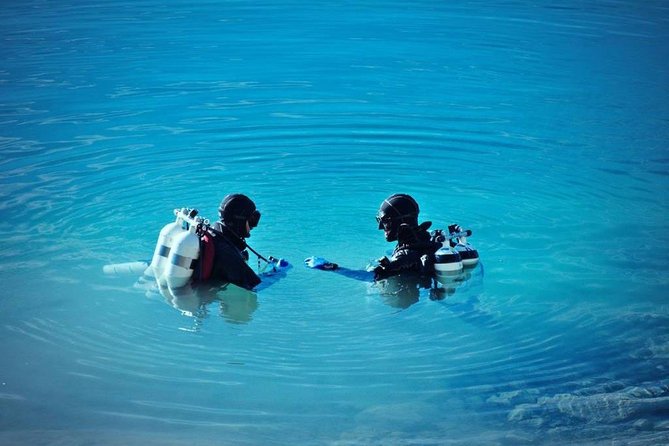
At $600 per person, this course can look like a chunk of money. The value improves fast once you see what’s inside that price: theory + pool sessions + four open-water ocean sessions, plus the gear and the paperwork.
Here’s what that means for you: you’re mostly paying for time with a certified instructor, training space (pool), and the logistics of getting you safely on the water. Equipment, boat transportation, fees and taxes, a digital manual, and bottled water are included. That’s the stuff that usually adds up in a “realistic” total when you price things separately.
The one thing not included is diving insurance (optional). If you already have insurance that covers scuba work, great. If not, you’ll want to arrange it separately before you go, so you’re not making a scramble decision on arrival.
You can also read our reviews of more tours and experiences in Cancun.
What the 3-Day Course Feels Like: Learn, Practice, Prove
This is a PADI Open Water course, meaning it’s designed to teach the fundamentals and then confirm you can use them. You’ll follow a clear flow: knowledge first, then skills in controlled water, then ocean training once you’re ready.
The timing is listed as about 3 days, with the start at 8:30 am. You’re not just watching. You’re working through theory, then building muscle memory in the pool, and then applying it out on the ocean. That order matters because it reduces that new-scuba panic factor.
Knowledge Development: The Theory Part That Saves You Later
Before you get in the water, you’ll complete knowledge development. The format can be online, independent study, or in a classroom setting, depending on how the course is run that week.
Why this matters: scuba has systems and procedures. If you understand the basics first, the ocean part feels like problem-solving, not guessing. You’ll also get a digital manual as part of the included materials, which helps you review key concepts at your own pace.
You’ll still have questions during training. That’s normal. The goal is to give you a base so your questions aren’t coming out of nowhere.
Confined Water Training: Pool Skills Built for Real Humans
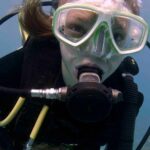
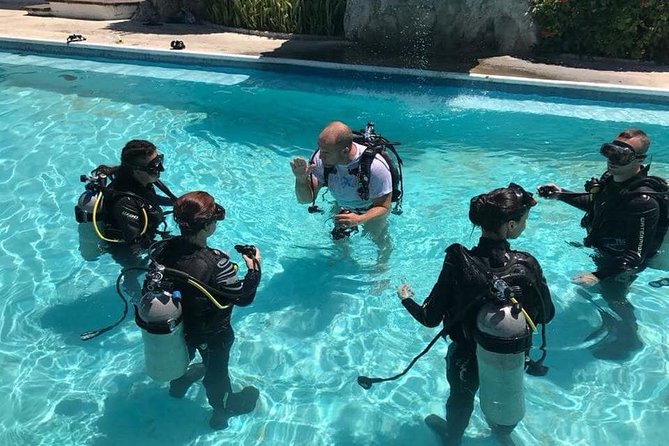
Next comes confined water work, typically a pool or shallow, controlled water. This is where you learn the scuba essentials and practice them until they feel familiar.
In plain terms, this is the stage where you learn how to:
- breathe using the scuba gear,
- control buoyancy and body position,
- handle basic procedures without rushing,
- feel comfortable enough to focus in open water.
This is also the phase that usually separates a stressful start from a confident one. The reviews emphasize patience and a calm pace, and that fits exactly with why confined practice is valuable.
Open-Water Ocean Sessions: Four Attempts to Feel Safer Each Time
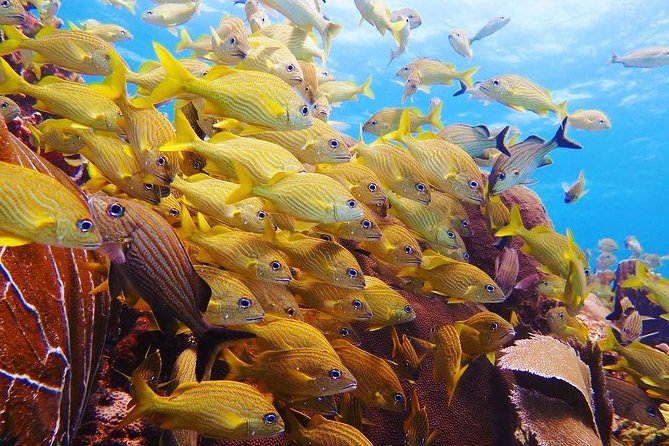
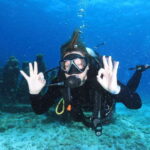
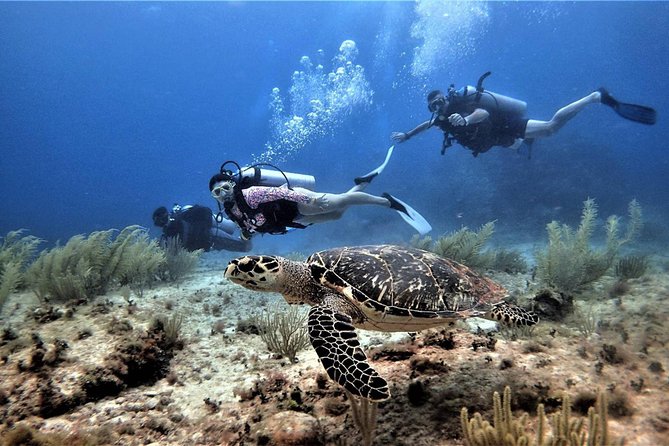
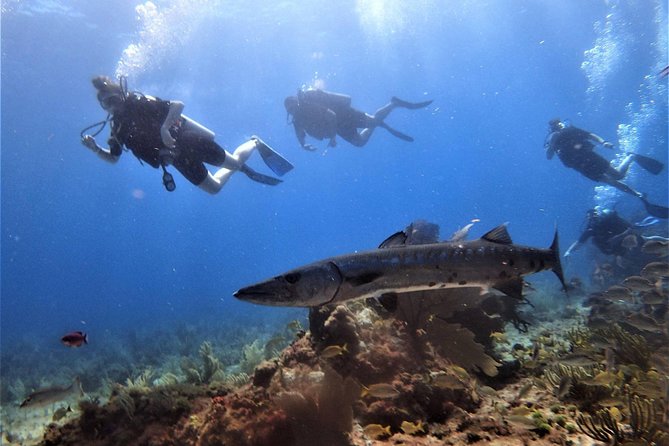
The course includes four ocean sessions, which is the bridge between pool skills and real-world conditions. Once you’re out on the water, you’re using what you practiced, under the watch of a certified instructor.
What I’d expect you to feel here: progressive comfort. Your first session is often about getting oriented and nailing procedures. Later sessions are more about smooth execution—less fear, more focus on technique and enjoyment.
Also, the course includes boat transportation, so you’re not walking or improvising. That’s a practical safety plus, because you’re moving with a team that already knows the local schedule and timing.
Two Stops That Define the Course: Diversland and Blue Dive
The itinerary lists two stops: Diversland and Blue Dive. Even without a super-detailed day-by-day schedule, you can understand the purpose of each location.
Stop 1: Diversland for the Training Base
Diversland is the logical place for the earlier course phases: theory support and pool practice. This is where you’ll spend time learning and tightening your skills in controlled conditions. Reviews also highlight the organization and coordination, with a named coordinator, Eugenia, mentioned for handling details efficiently.
In other words, this is the stop where you should feel logistics get taken off your plate. When the planning is smooth, you can focus on learning.
Stop 2: Blue Dive for the Ocean Part
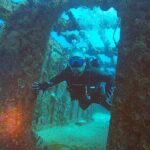
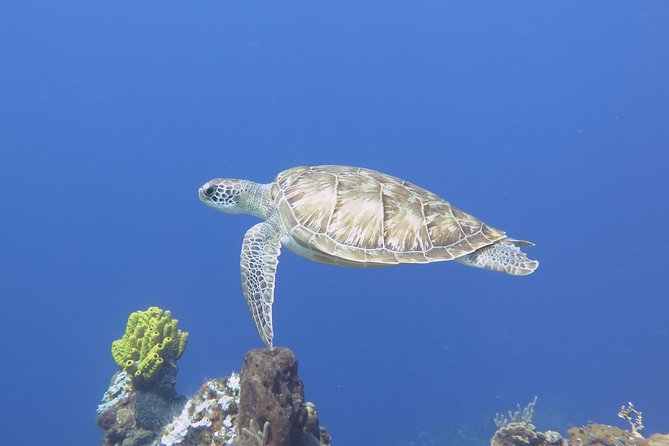
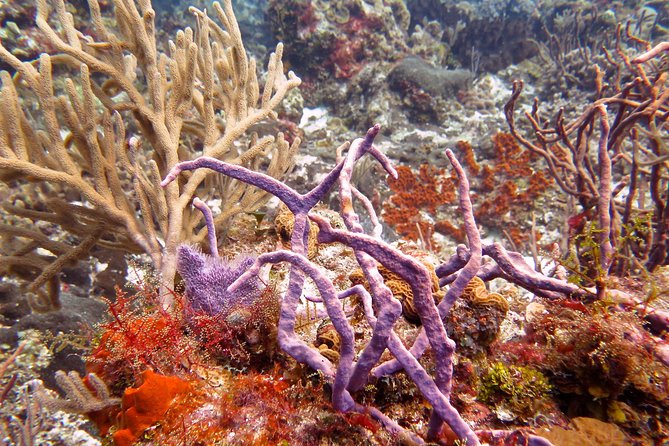
Blue Dive is where your ocean sessions happen. This is the part of the experience you’re really there for: applying your training in actual seawater, with real visibility and real movement.
Reviews also mention instructor teamwork and patient support. That kind of consistency is exactly what you want once you’re on a boat, geared up, and preparing to go in.
Instructor Quality: Why Names Like Patrick and Elana Matter
The biggest difference between a good course and a memorable one is the instructor. This course is led by a professional certified multilingual instructor, and the reviews give strong clues about what that looks like in real life.
I saw specific praise for:
- Elana, who started a course and was described as very good.
- Patrick, credited with being patient and helping a student stay calm enough to pass.
- Demetri, described as the owner who and his team help you relax and feel safe.
One review even points out that the company owner is Russian but speaks five languages, which is a nice detail if English isn’t your strongest language. The tour info also says the course is offered in English, but multilingual support can reduce confusion when you’re learning procedures for the first time.
If you get nervous easily, instructor temperament is huge. The reviews repeatedly connect the course success to patience and calm coaching, not just technical skill. That’s the kind of quality you should pay attention to when you choose a certification provider.
Equipment, Digital Manual, and Boat Support (All the Stuff You Don’t Want to Hunt)
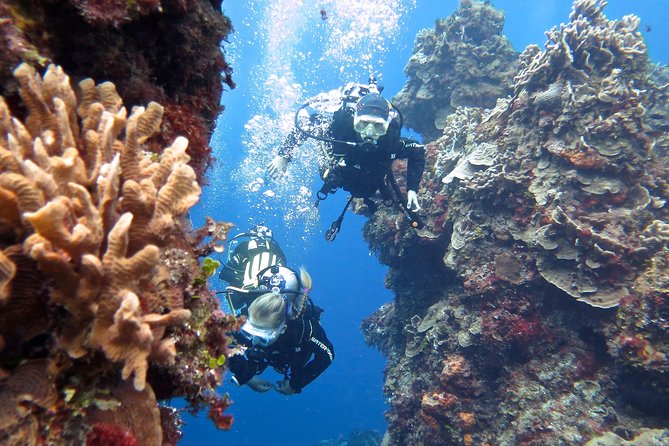
This course includes scuba equipment and the digital manual. You also get bottled water, and all fees and taxes are included.
That package matters for two reasons:
1) It removes a lot of friction on a trip. You’re not figuring out gear rentals or last-minute fitting.
2) It reduces the risk of mismatched equipment. Training works best when everything is consistent and the instructor knows the gear setup.
Boat transportation is included as well. That’s a practical benefit because getting to the water safely is half logistics and half safety. You’re not trying to solve timing and transport on your own while you’re learning.
Where Pickup Fits In: Mornings Start Easy
The course starts at 8:30 am, with pickup offered at hotels. Pickup covers all hotels in Playa del Carmen, Cancun, and Riviera Maya, and the activity ends back at the meeting point.
Why this matters: early starts are tiring. A clean pickup plan helps you show up ready to learn instead of rushed and irritated. Also, since the group size can be up to 15, being organized from the start keeps the day moving.
Small Group Size: The Hidden Value
There’s a maximum of 15 travelers. That’s not tiny, but it’s also not huge. For a first-timer certification, that size can matter because instructors need to watch air use, comfort levels, and skill progress.
In reviews, there’s mention of the slow season creating a situation that felt almost one-on-one. Even if your week isn’t that quiet, a capped group size usually means you’ll get better attention than you would in a large crowd.
Health Checks and Timing: The Practical Reality Before You Go
You’ll need to complete a health questionnaire prior to diving, and some pre-existing conditions (like asthma or heart conditions) may prevent you from participating. The course also notes that diving within 24 hours of flying is not recommended, so plan your travel schedule accordingly.
This is the kind of detail you don’t want to ignore. If you’re on medication or you have any medical questions, it’s smart to talk to your doctor before your trip—not after you’re already booked.
Also, if you’re arriving from elsewhere in Mexico or abroad, give yourself enough time to settle in. Your body will thank you before you ask it to learn new breathing mechanics.
Who This Course Is Best For in Cancun
This is a strong fit if:
- you want a worldwide PADI Open Water certification,
- you prefer clear structure: theory, pool skills, then ocean sessions,
- you like the idea of hotel pickup and included logistics,
- you want patient coaching for first-time scuba training.
It’s also a good option for people traveling with a partner or family, as the reviews suggest caring instruction that helps students feel calm and ready.
The minimum age is 12, so it can work for older teens who are ready to learn responsibly.
If you’re very sensitive to crowds or nervous about equipment, aim for a provider that matches your learning style. The tone from the reviews—slow, patient, supportive—fits that need well.
Tips to Get the Most Out of Your Course
A little prep helps a lot. Here are practical moves that match what this course is designed to do.
Bring a calm mindset. Your first attempts will feel awkward. That’s normal. Your job is to follow the instructor and practice.
Arrive early to your pickup window. Since the day starts at 8:30 am, you’ll want to avoid the stress of being late or scrambling for a meeting point.
If you’re prone to anxiety, tell the instructor early. A good teaching team can adjust pacing and reassurance fast—especially when they already have a reputation for doing exactly that.
Plan your flight schedule. The course explicitly warns against diving within 24 hours of flying, so build in buffer time.
Should You Book Diversland Mexico for the PADI Open Water Course?
If you want a first scuba certification that’s structured, organized, and backed by patient teaching, I think this is a solid choice. The best part is the package: theory + pool practice + four ocean sessions, with equipment, boat transport, fees/taxes, and certification included.
I’d only hesitate if you have medical concerns that might affect eligibility, or if your travel schedule makes it hard to follow the health and timing guidance. If you can meet those conditions, the small group size and instructor-focused reputation are exactly what you’re looking for when you’re learning something new.
In short: this is a practical way to earn your PADI Open Water certification in Cancun, with logistics handled and coaching that aims to keep you calm.
FAQ
What certification do I earn on this course?
You receive the PADI Open Water Diver certification, which allows you to dive up to 18 meters.
How long is the Open Water PADI course in Cancun?
The duration is listed as about 3 days.
What is included in the price?
The price includes theory classes and pool practice, practice in the pool and 4 open-water ocean sessions, bottled water, all fees and taxes, the PADI certification, scuba equipment, and the digital manual, plus hotel pickup and drop-off.
Is hotel pickup included?
Yes. Pickup is offered from all hotels in Playa del Carmen, Cancun, and Riviera Maya.
What language is the course taught in?
The course is offered in English. The instructor is listed as multilingual.
What is the minimum age?
The minimum age is 12 years.
Do I need to complete any health forms?
Yes. All participants must complete a health questionnaire prior to diving, and some medical conditions may prevent you from participating.
Is diving insurance included?
No. Diving insurance is optional and not included.
What if I need to cancel?
You can cancel for a full refund up to 24 hours before the experience’s start time. If you cancel less than 24 hours before, the amount paid is not refunded.