REVIEW · CANCUN
Two Tanks Scuba Diving for Beginners in Cancun
Book on Viator →Operated by A' HA' Scuba Diving · Bookable on Viator
Two tanks in the books fast.
This Cancún experience is built for first-timers and anxious beginners, with training on land and then two separate underwater stops, including the MUSA Underwater Museum. You’ll get guided help from instructors such as Marin, Lorena, and Carolina, so the day feels structured instead of thrown at you.
What I like most is the small group size (max 8), which means your guide can actually watch your body language and catch issues early. I also love the clear step-by-step progression: a medical check, a basic theory lesson, and pool practice before you ever go out on the water.
One consideration: you must be able to swim and complete the required skills safely. If you have asthma, heart or brain problems, high blood pressure, lung lesions, organ transplant, diabetes, epilepsy, or surgery within the last year, you can’t participate—and if you can’t perform the in-water skills, there’s no refund because the service is provided.
In This Review
- Quick Highlights
- Training First: How You Get Ready Without Certification
- The Two Stops: MUSA Museum Statues Then Manchones Reef Wildlife
- Boat Day Timing: What the Schedule Really Means
- What to Pack (and What Not to Do) for Comfort and Safety
- Price and Value: Why $169 Covers the Hard Parts for Beginners
- Safety and Small-Group Attention: What Makes This Feel Controlled
- Who Should Book This (and Who Should Probably Pass)
- Making Your First Day Go Smoothly in Cancún
- Should You Book This Two-Tank Beginner Scuba Experience?
- FAQ
- How long is the experience?
- What happens before the first underwater session?
- Where do the two underwater stops happen?
- What’s included in the price?
- Are photos or videos included?
- Can I take this if I have asthma or high blood pressure?
- How soon can I fly after the experience?
Quick Highlights
- Max 8 travelers so you get more direct coaching
- Pool practice + skill checks before going out
- Two sites: MUSA Underwater Museum then Manchones reef
- Full equipment and wetsuit included (BCD, regulator, mask, fins)
- Strong safety focus with instructors Marin, Lorena, and Carolina
- Optional photo/video package if you want a higher-quality souvenir
Training First: How You Get Ready Without Certification
This is a true beginners-first day. Before any boat ride, you fill out a medical questionnaire. The list of conditions that disqualify you is strict for safety—things like asthma, certain heart and brain issues, high blood pressure, lung lesions, diabetes, epilepsy, and any organ transplant. If you have any recent surgery (less than 1 year), you’re also not eligible.
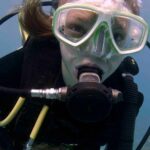
Next comes the learning portion. You’ll start with a basic theory lesson. Expect it to be practical: what the gear does, how breathing changes underwater, and what you must do to stay calm and in control. Then you move into the pool for skill practice. The goal is simple: by the time you head out to open water, you should be comfortable putting on the system, using it correctly, and doing a few key tasks while staying relaxed.
This matters because the instructors aren’t just teaching concepts. They’re coaching behavior. In the pool, you learn how to manage your breathing and how to handle small moments of stress. Several guides (including Lorena and Marin) are known for patient, calm instruction, and even for humor that helps first-timers stop spiraling.
A small but important note for your expectations: the day is designed so you’re not just spectating. You’re expected to perform the skills. If you freeze or can’t complete the required tasks during training, you won’t go into the water for your own safety.
You can also read our reviews of more tours and experiences in Cancun.
The Two Stops: MUSA Museum Statues Then Manchones Reef Wildlife
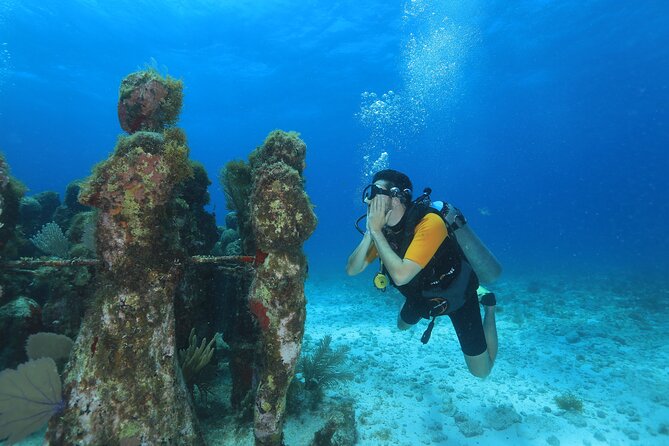
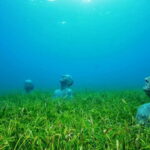
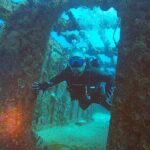
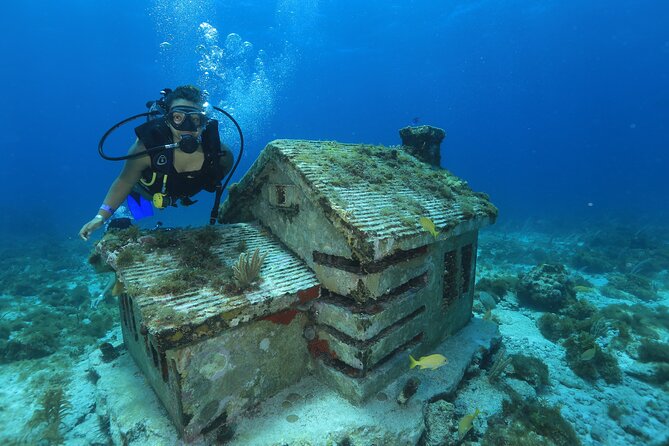
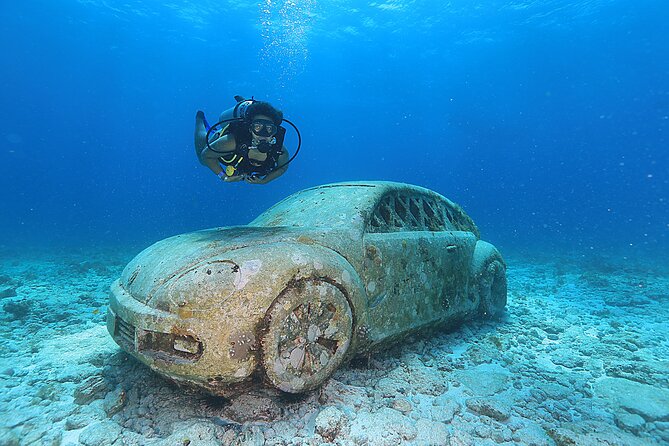
Your underwater program is split into two tank sessions. The first site is the MUSA Underwater Museum. People love this stop because it’s part cultural and part visual. Instead of only natural coral life, you get the added wow-factor of museum statues beneath the surface. If you like photography, this is also where your imagination kicks in—there’s lots to look at, and you’ll have plenty of chances to practice tracking what your guide points out.
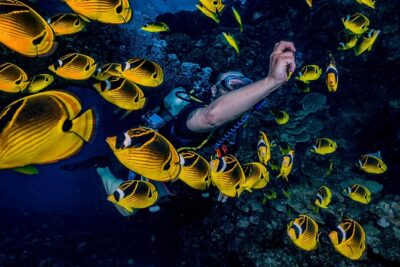
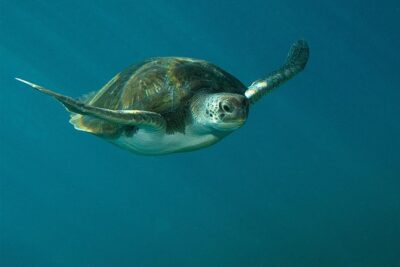
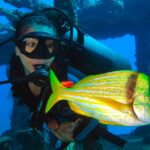
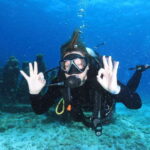
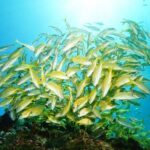
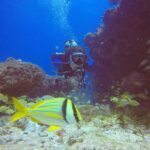
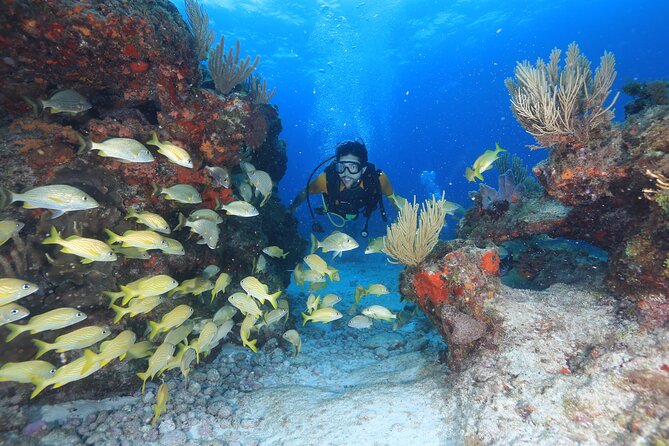
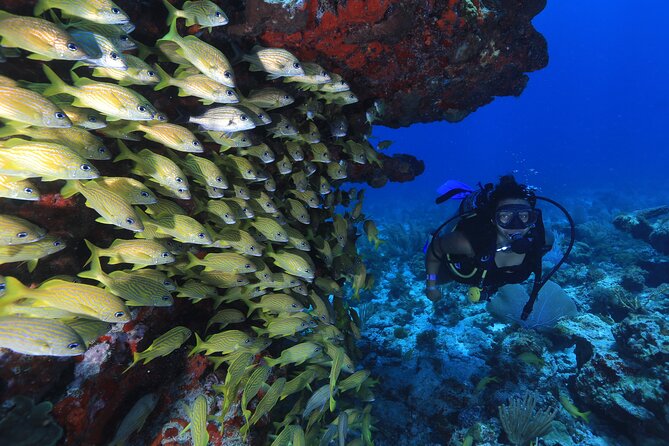
The second stop is Manchones reef, which shifts the vibe to wildlife and reefs. This is where you’re likely to see more motion: schools of tropical fish, turtles, sting rays, lobsters, eels, octopus, and other sea creatures people talk about after the fact. Your guide uses hand signals to help you focus on what’s around you, and the best moments often come from slow looking—turning your attention to the rocks, corals, and crevices where animals prefer to hang out.
If you’re worried about fear of the ocean, this two-stop format can help. You start with a site that many people find visually interesting, then move on to a reef that’s packed with life. Since your instructor stays close and checks in, you’re not left alone to figure it out.
Also, you’ll be doing this with a group that stays small. That tends to make underwater pacing smoother. Your guide can adjust to what the group is actually comfortable with—something you feel most during those first minutes when buoyancy and breathing are still new.
Boat Day Timing: What the Schedule Really Means
This is a half-day outing with a tight structure. You’ll check in at 8:00 a.m. and the boat typically leaves at 9:30 a.m. You’re back at the meeting point around 1:00 p.m. That timing is helpful because it protects your whole day. You get early training, then two underwater sessions, then you’re done—no full-day slog.
The meeting point is at Hotel Sotavento Cancún, on Km. 4, Blvd. Kukulcan, Zona Hotelera. It’s also described as near public transportation, so you may have options if you’re not using hotel pickup.
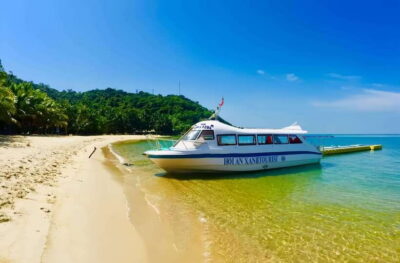
Because it’s a boat-based activity, plan for motion. The tour recommends taking anti-nausea pills one to two hours before boarding. I’d treat that advice as part of your success plan, not as a casual suggestion. Several people report dealing with seasickness at least mildly, and the easiest way to enjoy your time underwater is to avoid feeling off-balance above water.
On timing, one more real-world tip: if you bring extra items (like a waterproof phone pouch or camera gear), use a waterproof sack. People often store belongings at the start of the boat trip. If the day is choppy, keeping your stuff dry reduces stress before you even hit the water.
What to Pack (and What Not to Do) for Comfort and Safety
You only need a few basics, but they matter.
Bring:
- ID
- Towels
- Swimwear
- Personal care items you normally need after swimming (and anything you’ll want for comfort)
You should strongly consider packing a waterproof bag or sack for non-essential items so they stay dry during the boat ride and changing moments.
Motion sickness support is a big one. Take the recommended anti-nausea medicine before boarding, not after you feel bad.
One rule that might surprise you: sunscreen isn’t allowed for coral protection. So plan accordingly. That doesn’t mean you go unprotected—it means you rely on other methods like timing, clothing, and shade when possible.
And here’s the practical part: because you’ll be in wetsuit and gear, wear gear-friendly clothing and make your “after” routine easy. You’ll be changing sooner than you think, and having towels ready avoids that frantic last-minute scramble.
Price and Value: Why $169 Covers the Hard Parts for Beginners
At $169 per person, this is not just a ticket to see underwater life. You’re paying for the full beginner workflow.
What’s included:
- Medical check + basic theory
- Pool lessons
- Two tank sessions: one at MUSA and one at Manchones
- Full scuba equipment: BCD, regulator, mask, fins
- Wetsuit
That inclusion is where the value comes from. Equipment can be expensive if you have to rent it elsewhere, and training is the part that determines whether your day is fun or stressful. Instead of spending hours hunting down gear and figuring out how to use it, you show up and get coached through the entire process.
Not included:
- Photos and videos (optional)
- Transportation from your hotel
If you’re staying in the Hotel Zone area, not having transport might be manageable. If you’re farther out, confirm how you’ll get to the Sotavento meeting point. Also, if you care about high-quality footage, know that the optional photo/video package is a common add-on, with multiple people praising the quality of what guides capture.
Safety and Small-Group Attention: What Makes This Feel Controlled
Safety is handled in layers.
First, there’s the medical questionnaire and clear exclusions. That protects you and it protects the team. Second, you do pool practice to prove you can handle basic skills with guidance. Third, during the water time, your instructor stays involved and checks on you.
From what you’ll experience in practice, the “small group” part isn’t marketing fluff. With fewer people, you get closer attention during the moments that matter most: gear adjustments, breathing rhythm, and staying calm when something feels weird.
Instructors like Marin and Lorena are specifically known for being patient and watching your comfort level. Carolina is also described as helpful with meeting instructions and equipment. That team approach shows up between the two tank sessions too—people report that gear is well attended to, so you’re not hunting for something while your group waits.
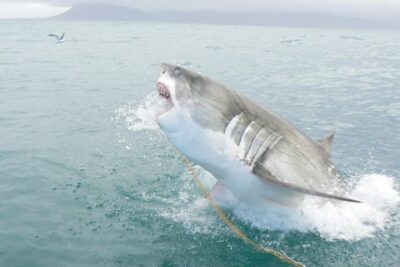
There’s also an emotional layer. Many first-timers are nervous, especially around ocean fear or concerns about sharks. The guides focus on keeping you at ease and reminding you what to do when your brain tries to take control. If you panic in the water, you’re not stuck alone with it. The instruction is designed to bring you back to calm.
One more safety-related detail you must plan around: after your underwater sessions, you need to rest 18–24 hours before flying. If you’re leaving Cancún soon, build your travel days with that buffer.
Who Should Book This (and Who Should Probably Pass)
This tour is best for:
- True first-timers who want the full beginner setup in one day
- People who want a refresher before they do more on their own later
- Anyone who can swim confidently and is willing to practice skills in the pool
It’s also a realistic choice if you prefer a smaller group. With max 8 travelers, the experience feels more personal than big-boat packing.
You should pass if:
- You have any of the listed health conditions: asthma; heart or brain problems; high blood pressure; lung lesions; organ transplant; diabetes; epilepsy; or any surgery within the last year
- You can’t swim
- You’re outside the age limits (minimum 10 years old, maximum 65 years old)
- You think you’ll refuse the in-water skill requirement. If you can’t perform the skills safely, you won’t go into the water, and there’s no refund because the service is provided.
One more practical fit check: the tour notes a moderate physical fitness level. Most people can handle it, but it’s not a sit-and-watch experience.
If you’re unsure about your health eligibility, don’t guess. Check your situation against the medical exclusions before you book.
Making Your First Day Go Smoothly in Cancún
A few small behaviors can make a huge difference.
1) Show up early and calm
Check-in and training start before the boat ride. If you’re rushed, you’ll feel rushed underwater too.
2) Listen in the pool and ask questions there
If something feels confusing, fix it during pool practice. That’s where guides can adjust your technique without the pressure of open water.
3) Take seasickness seriously
If you’re prone to motion sickness, use the recommended anti-nausea plan. You’ll enjoy the boat ride more, and your breathing underwater will be easier when your stomach feels steady.
4) Don’t fight your nervous thoughts
The guides’ style is about reassurance and technique. If you start worrying, tell your instructor what’s happening. They’re used to helping people reset.
5) Take advantage of the two different habitats
MUSA gives you statues and visual structure. Manchones gives you wildlife and reef life. Switching focus helps you stop thinking you’re supposed to be perfectly calm the whole time. You’re supposed to be present.
Should You Book This Two-Tank Beginner Scuba Experience?
Book it if you want a well-run beginners day that includes training, gear, and two meaningful underwater stops—MUSA plus Manchones—while keeping the group small. At $169, the value comes from having everything handled for you: pool lessons, equipment, wetsuit, and guided support from instructors like Marin, Lorena, and Carolina.
Don’t book it if you don’t meet the health restrictions, you can’t swim, or you’re not willing to do the required in-water skills. Also think twice if flying soon is on your calendar; plan for the 18–24 hour rest window after your sessions.
If you’re aiming for a memorable Cancún activity that mixes culture (museum statues) and nature (reef wildlife), this one has a strong chance of landing well.
FAQ
How long is the experience?
It lasts about 5 hours. You’ll check in at 8:00 a.m., boats typically depart at 9:30 a.m., and you’ll be back around 1:00 p.m.
What happens before the first underwater session?
You fill out a medical questionnaire, complete a basic theory lesson, and do pool practice to learn and practice basic scuba skills.
Where do the two underwater stops happen?
The first is at the MUSA Underwater Museum. The second tank session is at Manchones reef.
What’s included in the price?
The price includes basic theory and pool lessons, full scuba equipment (BCD, regulator, mask, fins), a wetsuit, and two tank sessions—one at MUSA and one at Manchones reef.
Are photos or videos included?
No. Photos and videos are optional and cost extra.
Can I take this if I have asthma or high blood pressure?
No. People with asthma, heart or brain problems, high blood pressure, lung lesions, organ transplant, diabetes, epilepsy, or surgery less than 1 year cannot participate.
How soon can I fly after the experience?
You should rest between 18 and 24 hours after the activity before taking an airplane.