REVIEW · CANCUN
Diving in the Mexican Caribbean for Beginners | 2 Tanks 2 Dives | All Inclusive
Book on Viator →Operated by Go Diving Cancun · Bookable on Viator
Most people only dream about breathing underwater. Then it happens.
This Cancun all-inclusive beginner course pairs tight hands-on coaching with real Caribbean sights: the MUSA underwater museum and a natural reef. You get two tank sessions, plus a pool practice block so the first time in open water feels less like a leap and more like a routine.
What I like most is the small group size (max 6), which means your instructor keeps a close eye on your comfort and breathing. I also really value the step-by-step flow: gear fit, safety-focused theory, pool practice, then two sites. One consideration: you must know how to swim, and the schedule is long enough that a touch of seasickness is possible—especially if you’re even mildly prone to it.
In This Review
- Key highlights worth knowing
- First-timer scuba in Cancun: what makes this course work
- What you’re paying for: training plus two real underwater sessions
- A small-group setup changes the whole feel
- One caution to plan around early
- The morning flow: Pescador meeting point to marina and boat time
- Gear first, worry later
- 35 minutes of theory: safety and communication basics
- Pool practice: your confidence comes from repetition
- Getting out to the sites: boat ride and the buoy descent
- Underwater Museum (MUSA): 35 minutes at about 33 ft / 10 m
- What you’ll see: sculptures and the surreal scale
- Weightlessness and clear breathing basics
- Second site: a natural reef for tropical life
- Wildlife you might spot
- Boats, group size, and equipment fit: how comfort affects learning
- Boat comfort is not a minor point
- Snacks and drinks: the underrated energy win
- Price and value: what $190.69 includes (and what you’ll add)
- Likely extra costs to plan for
- Who this experience fits best (and who should skip it)
- Good match if you…
- Not a match if you…
- Tips to make your day smoother (based on real first-timer issues)
- Plan for seasickness risk
- Bring a mindset for the long day
- If you want photos, do it thoughtfully
- The MUSA-to-reef combo: why this pairing works
- Should you book this Cancun beginner scuba course?
Key highlights worth knowing
- Max 6 students keeps attention personal and feedback fast
- Two ocean sessions after pool practice helps you build real confidence
- MUSA at 33 ft/10 m puts you near 400 underwater sculptures
- Natural reef second stop is where you’ll likely see the most casual wildlife variety
- Included snacks and drinks keep energy steady between classes and boat time
- Photo add-on is popular (plan roughly $70–$85 if you want the package)
First-timer scuba in Cancun: what makes this course work
If you’re thinking about trying scuba for the first time, Cancun is a great place to start. The water is clear, the sites are accessible, and you’re not starting from zero—you’re starting from a guided plan that’s built for beginners.
This experience is designed around one idea: reduce uncertainty as much as possible. Before you ever go underwater, you get a structured theory session plus pool practice. That matters because most first-timers don’t struggle with the scuba gear itself—they struggle with nerves, buoyancy basics, and the timing of breathing.
You can also read our reviews of more tours and experiences in Cancun.
What you’re paying for: training plus two real underwater sessions
At $190.69 per person for a roughly 6-hour block, the value isn’t just the gear rental. It’s the full chain of support:
- equipment fitted to your size
- safety-first instruction
- pool practice that mirrors what you’ll do outside
- two separate underwater sites
That’s the difference between dabbling and learning something you can repeat later.
A small-group setup changes the whole feel
The maximum group size is 6. In practice, that means fewer people competing for the instructor’s attention. You’ll likely feel more like someone getting coached than someone getting processed.
If you’ve ever watched a long classroom with one instructor and many students, you know the issue. Underwater it gets more serious, faster. Here, the small group reduces that risk.
One caution to plan around early
Your booking info lists a clear requirement: you need to know how to swim. The course also isn’t for people with asthma, respiratory problems, or uncontrolled/controlled high blood pressure. If any of those apply to you, you should double-check with a medical professional before you go.
And yes, a boat ride is part of the day. If you tend to get sea sick, it’s worth preparing, because you’ll be on the water before and between the two underwater sessions.
The morning flow: Pescador meeting point to marina and boat time
You meet at Pescador on Kukulcan Boulevard in the Zona Hotelera area (8:00 am start). The activity ends back at the same meeting point, so plan your day around that loop.
One practical thing: hotel transportation is not included. That can turn a simple morning into a time puzzle if you’re staying farther away. If you’re using a taxi or rideshare, build in buffer time so you’re not stressed before gear fitting.
Gear first, worry later
The process starts at the marina. The team assigns and fits your full scuba equipment based on your size. You shouldn’t have to hunt for fins, argue with straps, or figure out your setup while you’re anxious.
You’ll also have bottled water, juices, and snacks available right away. That’s a small detail with real value. First-timers often forget to eat early, then they get lightheaded or tense when the day starts moving.
35 minutes of theory: safety and communication basics
Next up is a theory class about 35 minutes. The focus is not random scuba trivia. You’ll go over:
- how the equipment works
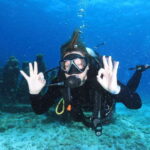
- how to communicate using hand signals
- how the body behaves underwater
- diving techniques
- and, above all, safety
This is where you should pay attention even if you feel excited. Hand signals and basic communication are the backbone of staying calm underwater. When something feels off, your brain needs a reliable way to connect with your instructor quickly.
If you’re the anxious type, this section can actually help—because you’ll leave it with a mental checklist for what’s coming next.
Pool practice: your confidence comes from repetition
After theory, you move to the pool for practice. This practice is meant to be very similar to what you’ll experience at sea.
This matters for two reasons:
- You can learn the movements on dry land conditions that feel controlled.
- You get used to how breathing, posture, and buoyancy basics feel before the real water adds extra variables.
In the reviews, patience comes up again and again. People describe instructors staying calm, working through gear or technique hiccups, and making sure everyone feels supported.
If you’re nervous about equipment fitting, timing, or feeling awkward, pool time usually fixes that faster than watching instructions in a crowd.
Getting out to the sites: boat ride and the buoy descent
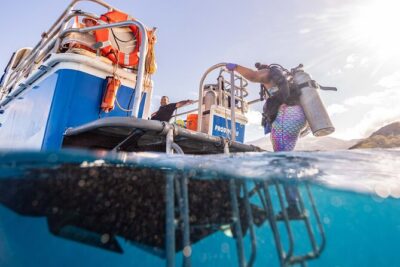
Once pool practice is done, you board a boat for about 30 minutes to the descent location. After that, you tie yourselves to buoys for the descent.
That buoy setup is important for beginners. It can reduce sudden drifting and keeps you in a stable position as you prepare to go down. It’s also one less thing for your brain to manage while you’re learning.
Underwater Museum (MUSA): 35 minutes at about 33 ft / 10 m
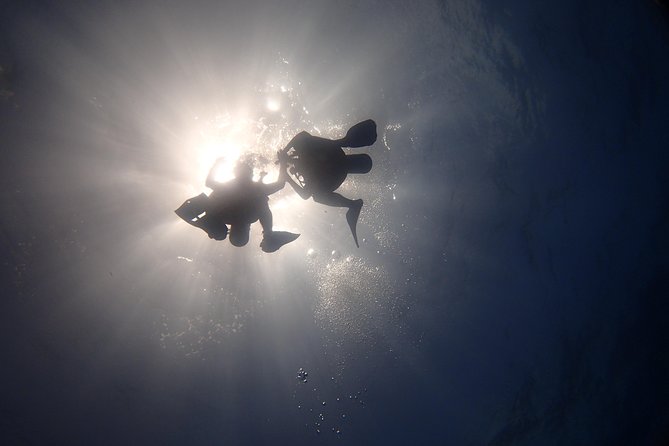
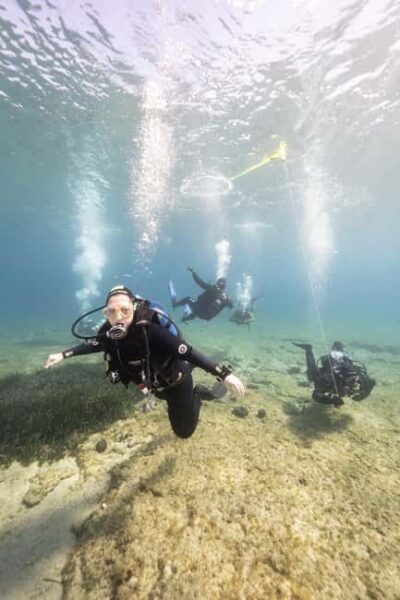
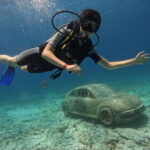
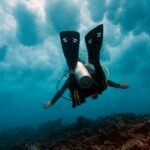
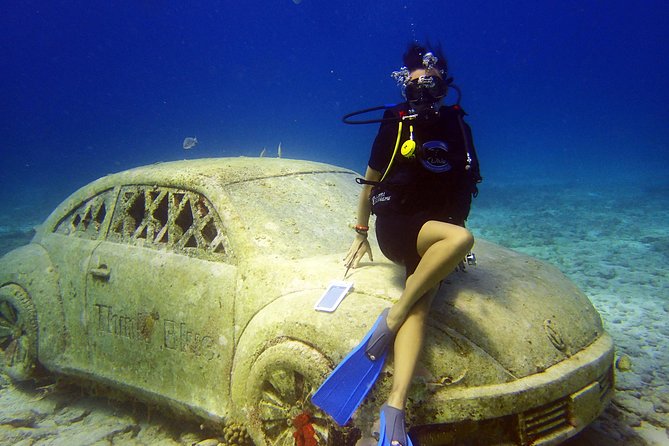
The first underwater site is the Museo Subacuatico de Arte, also known as MUSA. Your first tank session is about 35 minutes and around 33 ft / 10 m.
This is the place for wow-factor, and it’s also good for first-timers because the environment is structured. You’re not just chasing fish. You’re moving through an art installation designed for underwater viewing.
What you’ll see: sculptures and the surreal scale
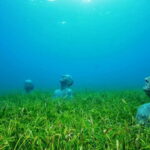
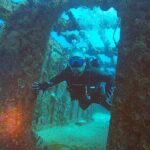
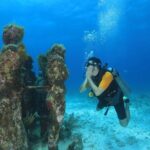
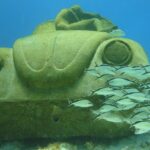
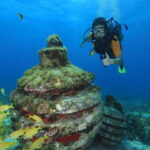
The plan here includes visiting an area with about 400 underwater sculptures. That kind of quantity changes the feel of the experience. Instead of a short moment of seeing a couple of statues, you get a whole path of scenes—so your attention stays on interesting objects rather than only on your breathing.
In the experiences people describe, the MUSA location is often memorable because it looks like another world, even when you’re still learning the basics.
Weightlessness and clear breathing basics
Your course highlights the ability to breathe underwater and experience weightlessness. That’s not just marketing—your body really does feel different once you’re stable and breathing smoothly.
If you’ve been worried about feeling panicky, MUSA can help because it gives your eyes something to focus on.
Second site: a natural reef for tropical life
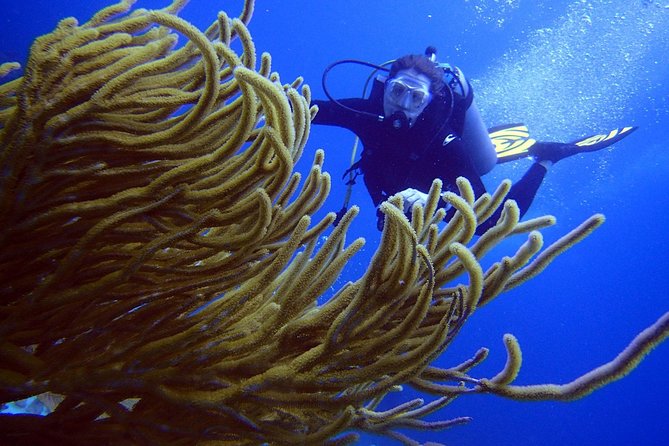
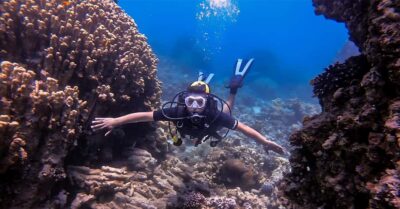
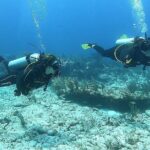
After the first session, you’ll make the short return back to the marina (about 30 minutes), then get ready for the second underwater site. Your second site is a natural reef, also about 35 minutes underwater.
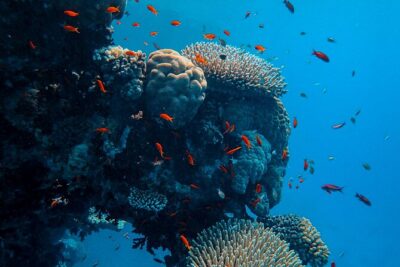
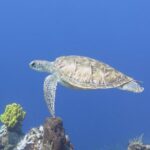
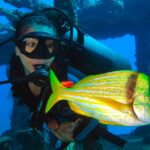
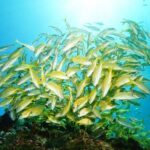
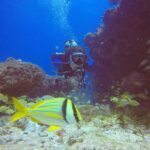
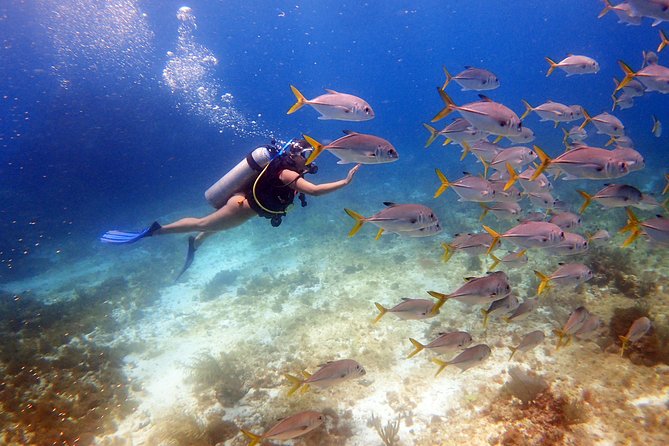
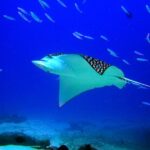
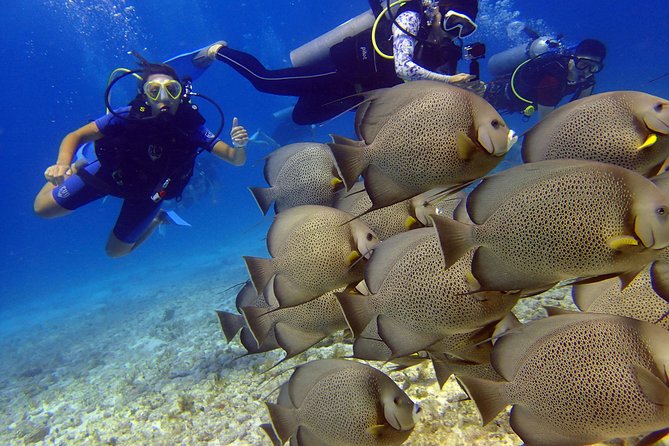
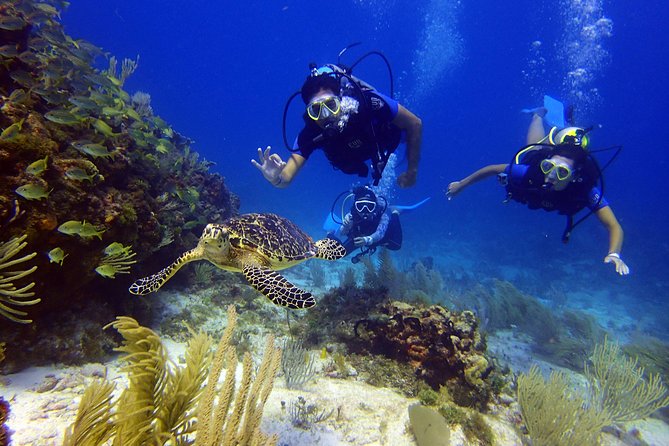
The natural reef is where you often get the most casual marine life variety—fish moving between coral, sea turtles gliding past, and other creatures that don’t have a human-made theme.
Wildlife you might spot
From the provided reviews, people mention seeing:
- sea turtles
- lobster
- sharks
- and plenty of tropical fish
You shouldn’t go in expecting the same exact animal lineup every time. Underwater sightings vary with conditions. But the takeaway is clear: the reef tends to deliver the kind of unexpected wildlife moment that makes people say they’d do it again.
Boats, group size, and equipment fit: how comfort affects learning
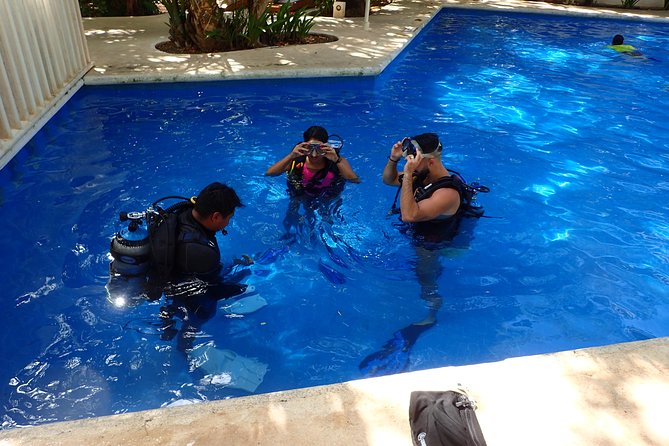
Most beginners underestimate how much comfort matters underwater. If your mask doesn’t fit right, your confidence drops. If your gear feels awkward, you spend energy fighting it instead of learning.
This tour includes all equipment needed. The team assigns it in advance based on your size, which helps you start in the correct fit range instead of wasting time adjusting.
People in the feedback also describe equipment as comfortable, in good condition, and easy to use. You want that because it supports the real goal: spend your attention on breathing and buoyancy, not on straps and seals.
Boat comfort is not a minor point
The trip uses big, fast, comfortable boats. You’ve got multiple boat blocks in the day: going out, and returning between sessions. If the boat ride is rough, you’ll feel it in your body and possibly in your stomach. Better boat comfort can make the whole learning process smoother.
Snacks and drinks: the underrated energy win
Between theory, gear, and the two underwater sessions, you can burn energy without noticing. The tour includes snacks like cookies and fruit, plus bottled water and juices.
In real life, that’s the difference between feeling steady and feeling drained. It also makes it easier to follow the day’s timing without trying to find food while you’re stressed.
Price and value: what $190.69 includes (and what you’ll add)
At about $190.69 per person, you’re getting:
- equipment use
- snacks and drinks (water/juice/cookies/fruit)
- all fees and taxes
- big, fast, comfortable boats
- theory and pool training time
- two underwater sessions (MUSA + a reef)
That bundled approach can be good value for a beginner. You’re not adding multiple separate costs just to get started, and you’re buying instruction plus two real site experiences.
Likely extra costs to plan for
Two additional costs come up in the reviews and in the tour details:
- Wetsuit rental if needed: one review mentions about $10 rental cost
- Photos: multiple reviewers suggest the photo package is worth it, with estimates around $70–$85 and one tip specifically mentioning about $85 for pictures
If you’re the type who wants proof and keepsakes, build that into your budget. If you’re trying to keep costs low, you can skip photos—your underwater day will still be complete.
Who this experience fits best (and who should skip it)
This course is clearly aimed at beginners. It’s also built for people who can meet the basic physical and swimming requirements.
Good match if you…
- want step-by-step coaching with safety as the priority
- prefer small group attention (max 6)
- like the idea of starting at MUSA’s sculptures, then switching to a natural reef for wildlife
- want a full day that ends back at the same meeting point
In the reviews, first-timers and even people who aren’t the best swimmers mention that the guide was patient and supportive. That’s a strong signal that the instruction style works for nervous learners.
Not a match if you…
- don’t know how to swim
- have asthma, respiratory problems, or certain blood pressure issues
- are flying within the next 24 hours (this is stated as a no-go)
- haven’t got the moderate physical fitness level listed for the experience
Tips to make your day smoother (based on real first-timer issues)
Here are a few practical moves that line up with what people said they experienced.
Plan for seasickness risk
One review mentioned getting sea sick and not finishing the last part. That doesn’t mean it will happen to you, but it’s enough to take seriously.
If you’re prone to motion sickness, consider speaking with a pharmacist ahead of time and bringing the right remedy. Even a simple plan reduces stress, and stress makes learning harder.
Bring a mindset for the long day
Some reviews note that the day can feel like a longer time commitment, including boat time and multiple practice/tank blocks. So treat this as a half-day adventure, not a quick taste.
If you show up rested, fed, and ready, the pace feels like part of the experience. If you show up tired, it can feel like a slog.
If you want photos, do it thoughtfully
You’ll be offered a photo package. Reviews call out that pictures are taken and that it’s worth the cost for the quality. If you think you’ll want underwater memories but you hate spending, decide before you go in so you don’t feel pressured later.
The MUSA-to-reef combo: why this pairing works
A lot of beginner courses pick one site. This one gives you two very different underwater moods.
- MUSA gives you the surreal sculpture environment at a controlled-feeling first site. It’s visual and memorable, and it can keep your attention anchored while you settle into scuba basics.
- The natural reef is where marine life tends to steal the show. You shift from art-underwater to coral-underwater, and the second session can feel like the reward for learning the mechanics.
That combo is smart. You get variety without having to handle a chaotic change of skills mid-day.
Should you book this Cancun beginner scuba course?
Book it if you want a beginner plan that doesn’t assume you’ll magically figure it out alone. The biggest reasons I’d recommend it are:
- the small group size (max 6) that keeps coaching close
- the safety-centered theory plus pool practice before open water
- the two-site structure (MUSA sculptures, then a natural reef) so you get both wow and wildlife
Don’t book if you can’t meet the basic requirements: you must know how to swim, and it’s not suitable for certain medical conditions listed for asthma/respiratory problems and blood pressure issues. Also, plan ahead for transportation since hotel pickup isn’t included.
If you’re ready for a hands-on learning day with a clear sequence and supportive instructors—this is exactly the kind of experience that turns a first-time curiosity into a real underwater memory.