REVIEW · CANCUN
Cancún: Underwater Museum & Reef for Certified Scuba Divers
Book on GetYourGuide →Operated by Aquaworld Cancún · Bookable on GetYourGuide
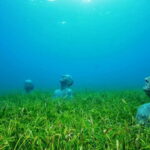
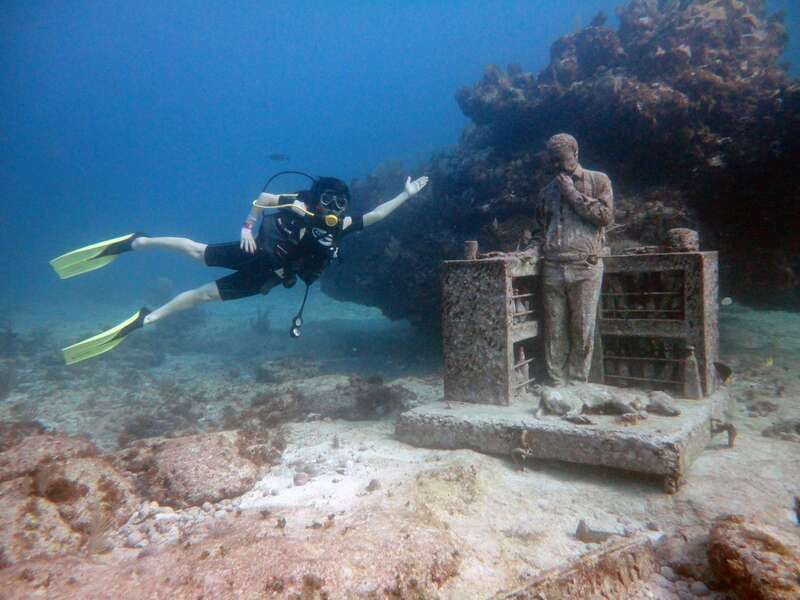
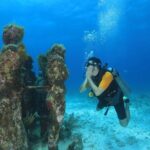
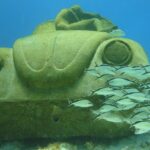
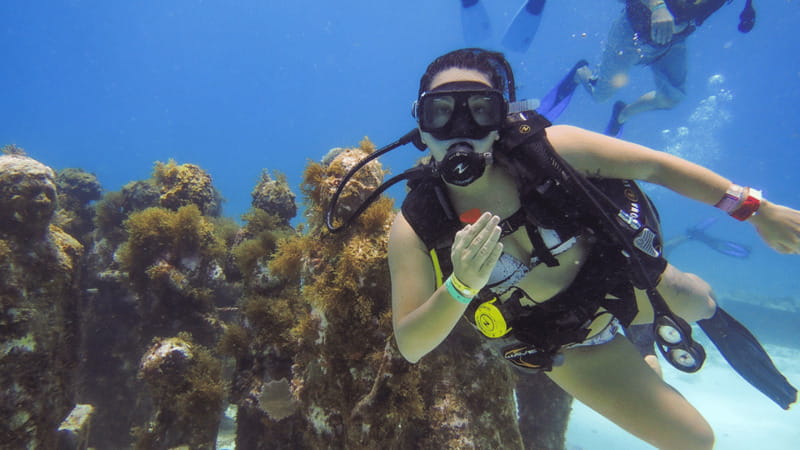
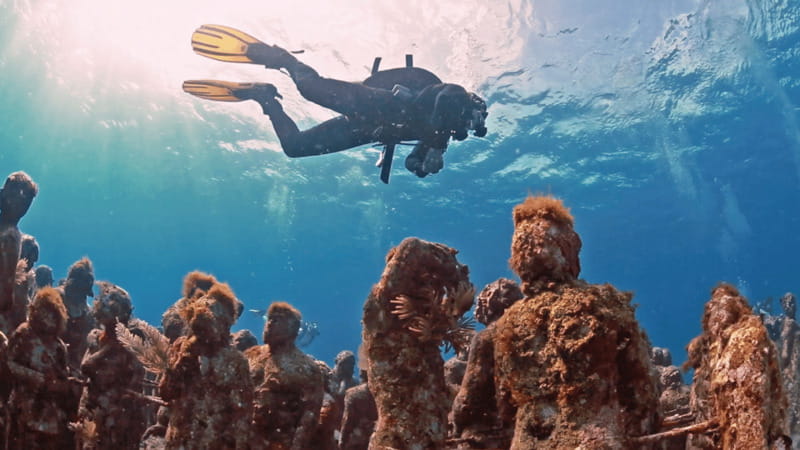
Manchones Reef turns art into a sea-world gallery. This MUSA trip pairs the Cancun Underwater Museum of Art with a second water session over a natural reef, so you’re not choosing between sculptures and marine life. I love the scale of the underwater 470+ life-sized statues—hundreds of coral-covered figures set about 30 feet down.
My second favorite part is what you can spot on the living reef side of the experience. You’ll see plenty of colorful fish, and you may even run into sea turtles and a stingray during the session over Manchones Reef. One thing to plan for: the base $98 price doesn’t include the $20 reef preservation fee per person, and you may also want a wetsuit rental or purchase.
In This Review
- Key takeaways before you go
- Cancun Underwater Museum and Manchones Reef: a rare art-meets-sea setup
- What the 4.5 hours are really for
- First tank at Manchones Reef: 470+ coral-covered statues at about 30 feet
- A note on depth expectations
- Second tank over a living reef: fish, turtles, and that Cancun color
- Price and what you get for your $98
- What’s included vs. not included (so there are no surprises)
- Rules and limits that affect who should book
- Where to start: check-in and how to keep the day smooth
- Who this MUSA reef tour is best for
- Should you book this Cancun underwater museum and reef trip?
- FAQ
- Do I need scuba certification to join this activity?
- How many scuba tanks are included?
- What is the reef preservation fee?
- Is a wetsuit included?
- What languages are the guides/instructors available in?
- Who is this not suitable for?
Key takeaways before you go
- Two tanks, two moods: museum sculptures first, then a natural reef experience with sea life.
- Manchones Reef is the stage: coral-covered statues and marine life both happen in the same region.
- MUSA started small: the museum’s public project began in 2009 with just three statues.
- You’re paying for two elements: instruction plus equipment for both tanks, but the reef fee is separate.
- Certification matters: you’ll need Open Water scuba certification, and a medical form check may be required.
Cancun Underwater Museum and Manchones Reef: a rare art-meets-sea setup
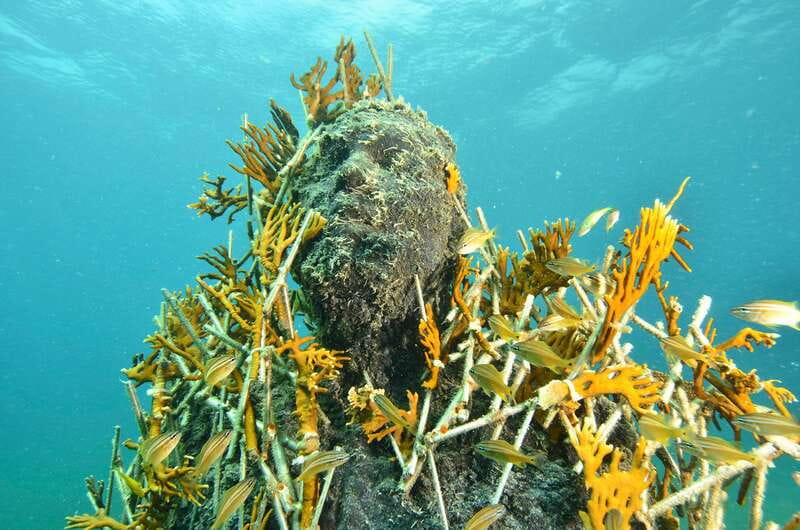
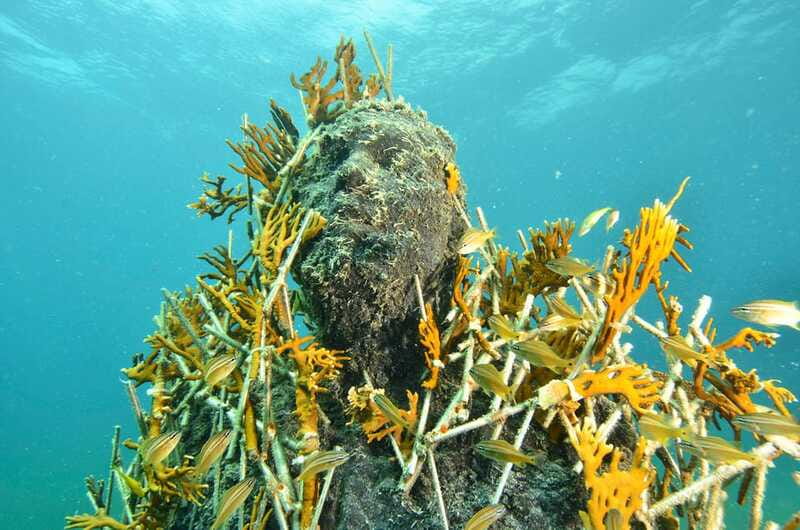
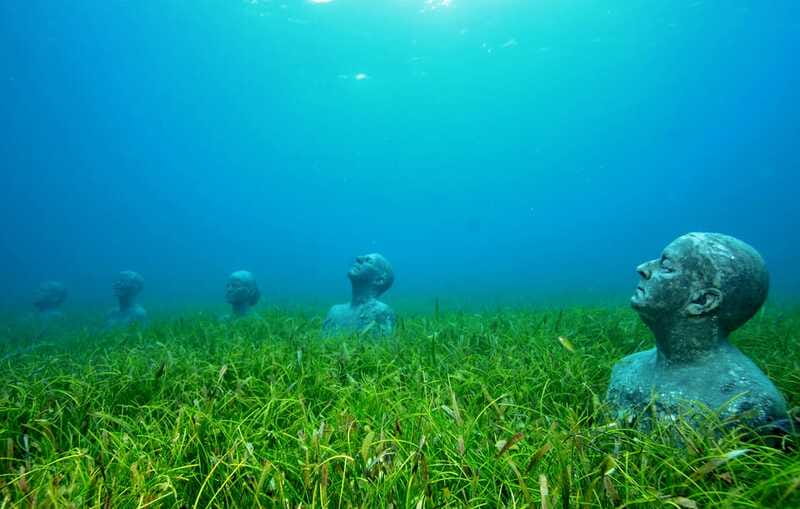
If you’ve ever wished museums could feel like real places, this is the clever answer. Cancun Underwater Museum of Art (MUSA) is built as both a sculpture collection and an artificial reef meant to support natural reef recovery. The idea is simple: place underwater structures that marine life can use, while giving you a totally different way to experience art.
What makes the experience work well is the pacing. You don’t spend all your time looking at sculptures, then pop back up and call it done. You do the museum side first—where the statues create a true underwater gallery—then you switch to a natural reef session where the focus shifts to fish, colors, and sea life sightings.
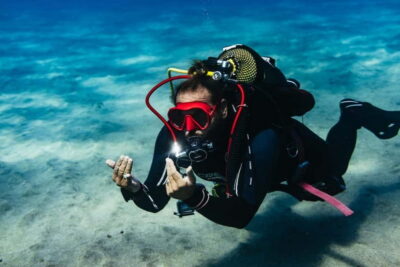
Also, you’re not doing this on your own. The trip includes an instructor, and it’s designed for people who already have Open Water certification. That matters because underwater conditions and buoyancy skills can turn “cool idea” into “smooth or stressful” fast. Here, you get the structure of a guided, two-tank format.
You can also read our reviews of more tours and experiences in Cancun.
What the 4.5 hours are really for
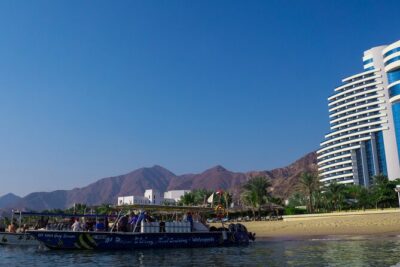
This outing runs about 4.5 hours, which is long enough to feel like a full scuba morning without dragging your day into a long ordeal. The schedule splits your water time into two tanks, with a boat transfer to the statue area at Manchones Reef, then a second session over the natural reef.
In practical terms, you should expect a quick rhythm: check in, gear up, then get to the water with enough time for two separate tank experiences. One of the best-value parts of the format is that you don’t just “see a bit.” With two tanks, you get time to locate the sculptures and then still have a fresh session focused on live reef and animals.
First tank at Manchones Reef: 470+ coral-covered statues at about 30 feet
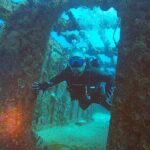
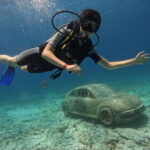
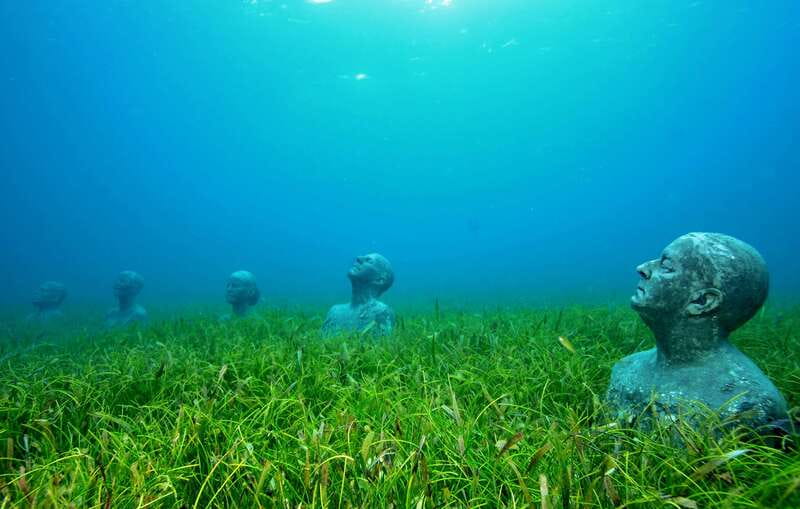
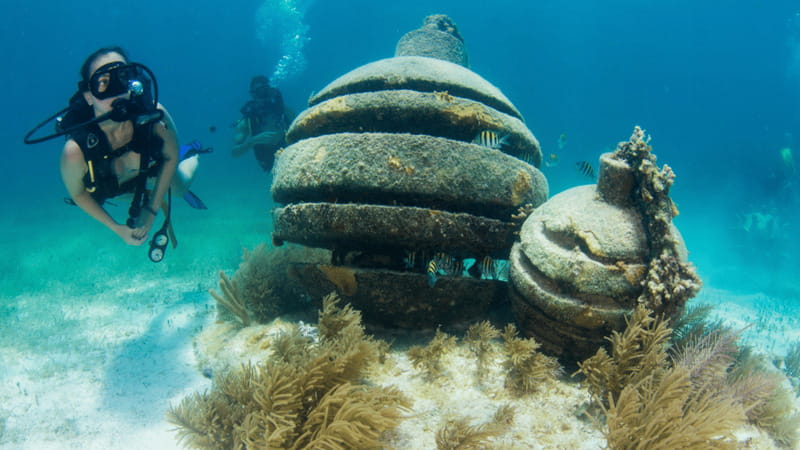
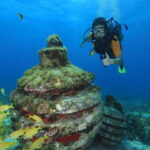
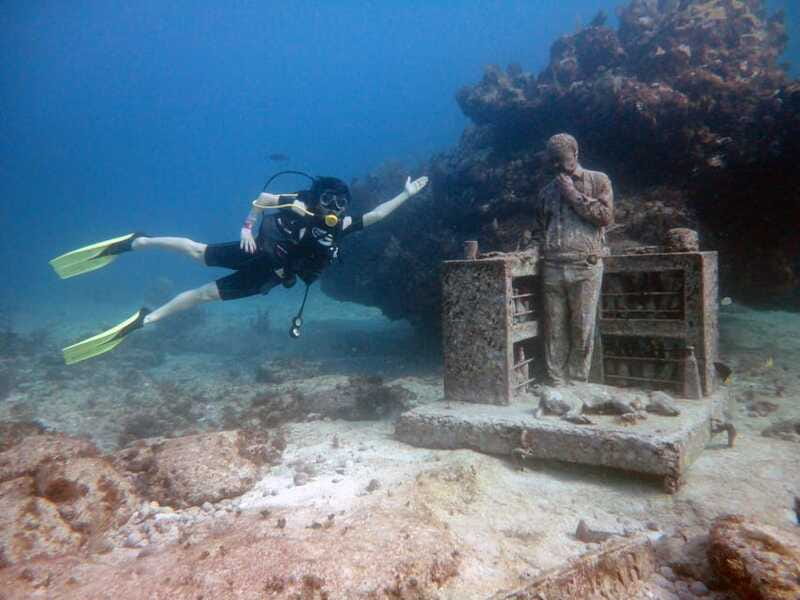
Your first underwater experience is the museum side. You’ll head to Manchones Reef by boat, and once you’re in the water you’ll see a large underwater gallery of coral-covered statues. The statue display sits around 30 feet under the sea, which helps it feel like you’re stepping into a built environment rather than looking at a handful of objects.
Here’s what makes this first tank special for most people: the sheer number and the variety of figures. The site includes over 470 life-sized sculptures, and you’re seeing them as an environment, not as a checklist. As you move through the area, the statues create sightlines that make the museum feel like an underwater city of figures.
It’s also worth paying attention to the museum’s origin story because it explains why the reef looks the way it does. MUSA began as a small project back in 2009, when it started with three statues. Over time, it grew into the underwater collection you’re experiencing now, while also developing into an artificial reef habitat meant to support recovery of natural reefs.
A note on depth expectations
One booking from Spain specifically highlighted that the experience can feel like shallow water, and that you can enjoy it even if you’re not brand-new underwater. Since this is for Open Water certified divers, you should still be ready to perform your basics calmly, but the overall feel can be more approachable than some deeper reef outings.
Second tank over a living reef: fish, turtles, and that Cancun color
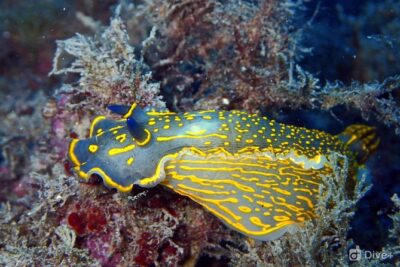
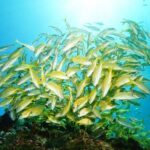
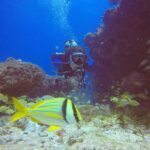
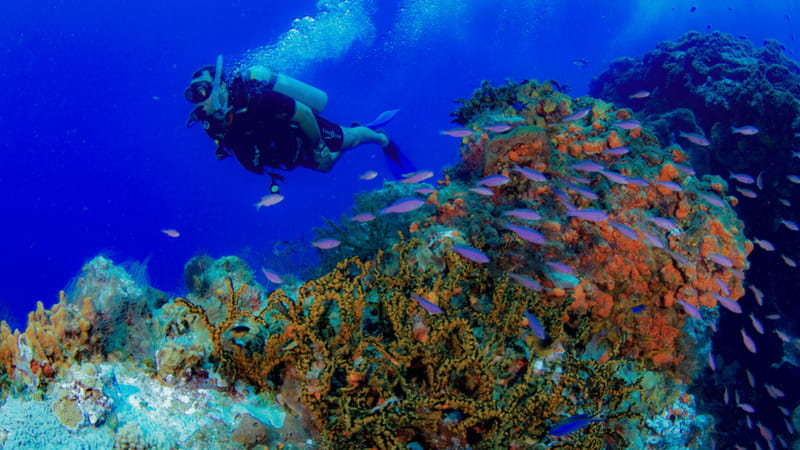
After the statue gallery, you switch to a natural reef session. This is where the trip changes tone. Instead of focusing on human-made art forms, you get to enjoy the reef ecosystem—colorful fish and marine life, with the chance to see turtles.
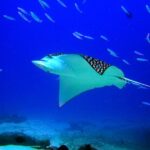
Based on the experience descriptions from past bookings, sea turtles are a real possibility, and one diver also reported a stingray sighting during the reef portion. You shouldn’t assume you’ll see the exact same animals every time, but the point is this: the natural reef stop isn’t treated like a quick add-on. It’s a full second tank experience that keeps the “museum plus nature” promise.
If you’re trying to decide whether this tour is art-forward or wildlife-forward, the two-tank structure is the answer. The statues are the hook, but the living reef is what gives you the feeling that you’re underwater in a real ecosystem.
Price and what you get for your $98
The listed price is $98 per person, and what you’re getting for that money is pretty clear: an instructor plus 2 tanks for the scuba portion. In other words, you’re paying for guided time underwater, not just access to a site.
What you should factor in early is the separate reef preservation fee of $20 USD per person. That’s not optional based on the info you have here, so treat it like part of the real cost of the experience. Once you add that fee, your expected total before any extras becomes $118 per person.
Then there’s the wetsuit. A wetsuit isn’t included, but it’s available for sale or rent in the tour boutique. If you run cold easily, you’ll likely want to plan for this cost. If you’re comfortable without one, you may be able to skip it, but the main takeaway is: check your comfort level and don’t rely on the base price to cover everything.
Also note that photos and videos aren’t included. If you’re the type who wants a record of the sculptures, plan on either bringing your own setup (if the operator allows it under their rules) or accepting that the memory is mostly yours and your own camera time will be limited by what’s offered.
What’s included vs. not included (so there are no surprises)
Included:
- Instructor
- 2 tanks for the scuba portion
Not included:
- Photos/videos
- Reef preservation fee ($20 USD per person)
- Wetsuit (available for sale/rent)
One more practical point: the experience is guided in English and Spanish, so you should be fine if you speak either of those languages. The instructor aspect matters here because the museum and reef components are both visual and technical—you want someone helping you stay oriented underwater.
Rules and limits that affect who should book
This isn’t a casual “anyone can try” activity. You’ll need to present your Open Water certification, and the tour is described as great as a refresher or for juniors (as long as they meet the age and certification requirements). If you don’t have certification, you won’t be able to participate.
You also need to check a medical form in advance. The activity requires you to review the SDI medical dive form and, if you answer yes to any questions, you’ll need authorization from your doctor allowing you to participate.
There are clear “not suitable for” categories:
- Children under 10
- Pregnant women
- People with mobility impairments, wheelchair users
- People with respiratory issues
- People over 65
- People with recent surgeries
- Divers without certification
And there are also behavior and safety rules:
- No alcohol or drugs
- No baby carriages
If you’re traveling with mixed ages or mixed experience levels, this tour is easy to sort: adults or certified divers with the right health clearance are the right match, and everyone else will need a different plan.
Where to start: check-in and how to keep the day smooth
You meet at the main front desk and do your check-in there. The trip also operates with live guidance in English and Spanish, so you’re not just showing up at a dock without support.
One real consideration: scheduling hiccups can happen. A past booking described an arrival-time issue where the activity was moved to the next day and communication on the spot wasn’t what they expected. I can’t control weather or operations, but I’d handle it the same way I handle any small-window excursion: be early for check-in, and if you see any last-minute messages or updates, take them seriously so you don’t get blindsided.
Who this MUSA reef tour is best for
You’ll probably love this tour if you want:
- Scuba time with guidance and two separate underwater experiences
- A balance of art sculptures and living reef sightings
- A structured refresher for Open Water certified divers
It’s also a strong pick if you’re the kind of person who enjoys details—because the museum’s story (starting with three statues in 2009 and growing into an underwater collection of hundreds) makes the whole reef feel purposeful.
On the other hand, don’t book it if:
- You’re not Open Water certified
- You’re in any of the listed categories where it’s not suitable (age, respiratory issues, mobility limits, recent surgery, pregnancy)
- You’re expecting a “quick look only” experience. This is set up as a real scuba activity with two tanks, so you’ll be fully in it for the better part of the morning/afternoon.
Should you book this Cancun underwater museum and reef trip?
Here’s my bottom line: if you’re Open Water certified and want a two-tank experience that mixes MUSA sculptures with a real reef session featuring fish and possible sea turtle sightings, this is a great way to spend your time in Cancún. The included instructor and the two-tank format give it more value than tours that try to squeeze everything into one tank.
Just go in with two eyes open: the $20 reef preservation fee is a real add-on, and you need to match the health and certification requirements. If those boxes are checked and you want an art-and-nature combo that feels genuinely different, I’d book it.
FAQ
Do I need scuba certification to join this activity?
Yes. You must present your Open Water certification. Divers without certification aren’t suitable for this experience.
How many scuba tanks are included?
The tour includes 2 tanks for the scuba portion.
What is the reef preservation fee?
A reef preservation fee of $20 USD per person is not included in the base price.
Is a wetsuit included?
No. A wetsuit is available for sale or rent in the boutique, but it isn’t included.
What languages are the guides/instructors available in?
The live tour guide/instructor is available in English and Spanish.
Who is this not suitable for?
It’s not suitable for children under 10, pregnant women, people with mobility impairments or wheelchair users, people with respiratory issues, people over 65, people with recent surgeries, and divers without certification.