REVIEW · CANCUN
PADI Open Water Diving Certification Course Activity
Book on Viator →Operated by Coconut Divers · Bookable on Viator
A PADI course in Cancun is a smart way to get real skills fast. I like the small-group setup, since you get time to ask questions without feeling rushed, and I also like that scuba gear is included, so you can focus on learning. The big thing to consider is this is weather-dependent, so if conditions aren’t right, your schedule can shift.
What makes this one especially interesting for your trip is the underwater goal: you’re not just doing basic training, you’re also planning sessions around the Underwater Museum of Art (MUSA). And from the experience side, I love the human touch I picked up from past divers there—Captain Ricardo handled the boat outing even when seas can be rough, and instructors like Manuel and Ulysses made the explanations clear in English. If you’re short on time, that start-to-finish structure can feel intense, but it’s also what helps you move toward certification.
In This Review
- Key things I’d plan around
- Cancun PADI Open Water: what you’re really buying
- The first step: Coconut Divers and a real learning setup
- Theory and pool class: how you build comfort without rushing
- Stop 1: Museo Subacuatico de Arte (MUSA) and why it’s a smart training target
- Stop 2: Isla Mujeres for your next stage of confidence
- Instructor time, coaching style, and the small-group advantage
- What’s included (and what you may still pay for)
- Timing and how to plan your Cancun days
- Who this course is best for
- Photo help and the payoff of training in real settings
- Should you book Coconut Divers in Cancun for PADI Open Water?
- FAQ
- How long is the PADI Open Water course in Cancun?
- What time does the activity start?
- Where do I meet the group?
- Is the course offered in English?
- What is included in the price?
- What extra fees should I expect?
- Do I need to rent scuba gear?
- How big is the group?
- What happens if weather is poor?
- What is the cancellation policy?
Key things I’d plan around
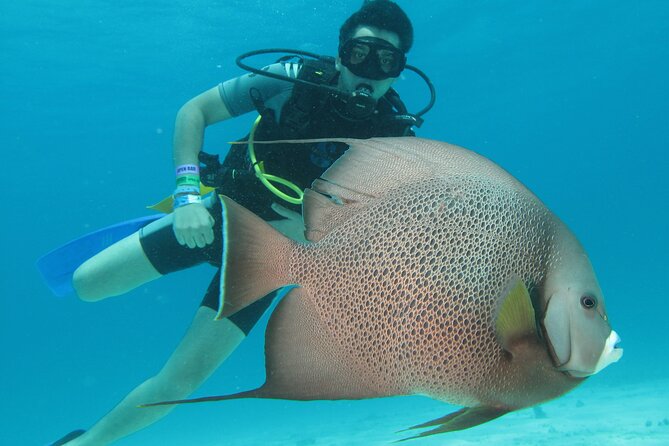
- Small group (max 4 travelers) means more instructor attention during skills and Q&A.
- Gear is included, including your scuba equipment, so you avoid the hassle of rental gear days.
- MUSA is built into the open-water portion, giving your training a memorable underwater goal.
- English instruction keeps theory and coaching easy to follow.
- Local guides by name: Captain Ricardo, instructor Manuel, instructor Ulysses, and photographer Poncho have been part of strong experiences.
- Weather matters: the program requires good conditions and will adjust if it can’t run safely.
Cancun PADI Open Water: what you’re really buying
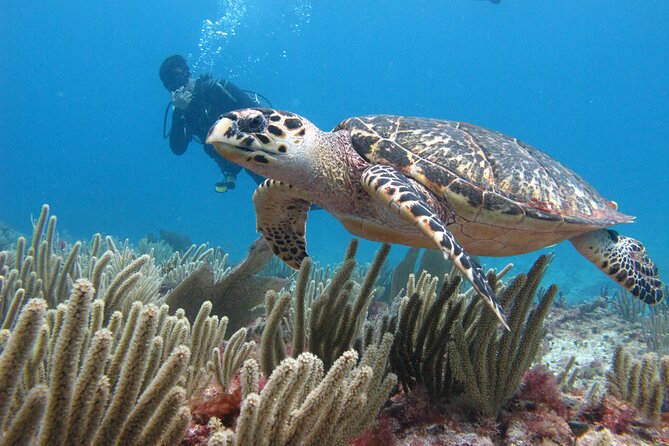
You’re paying for more than a badge. You’re paying for a structured progression that takes you from basic concepts to real comfort in the water—then toward a certification that’s valid lifetime worldwide.
This PADI Open Water course in Cancun runs about 2 days, starting at 8:00 am from Coconut Divers’ base at Hotel and marina Sotavento (Blvd. Kukulcan Km 4.0, Zona Hotelera). For most people, the schedule is straightforward: theory in a classroom setting, then skills in the pool, then open-water sessions in the Caribbean.
For value, the biggest win here is including scuba equipment. Many “learn to scuba” options quietly add gear rental later. Here, you get your scuba setup as part of the package, then you only have to think about what you bring (and whether you want a wetsuit).
You can also read our reviews of more tours and experiences in Cancun.
The first step: Coconut Divers and a real learning setup
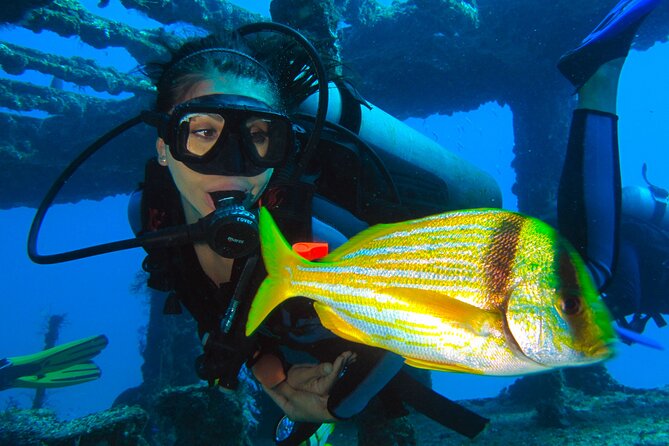
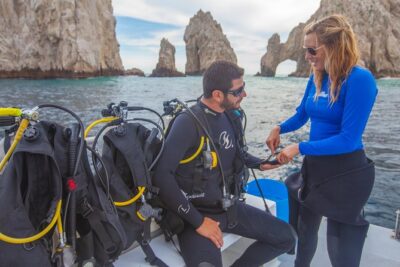
I like courses that run like a tight operation, not a loosely organized day. The meeting point is at Coconut Divers, at the marina side near public transportation, and the activity includes a safe place to store personal items and keep your gear stored securely.
That sounds small, but it matters when you’re juggling a classroom session, pool skills, and then an ocean day. You don’t want to be worrying where your bag is or whether your stuff will be safe between activities. Having a dedicated storage space lets you keep your focus where it belongs.
This program also keeps group size small—maximum of 4 travelers—so you’re not competing for attention when it’s time to practice. If you like asking questions (or you just get nervous and need reassurance), that small group is a big part of the appeal.
Theory and pool class: how you build comfort without rushing
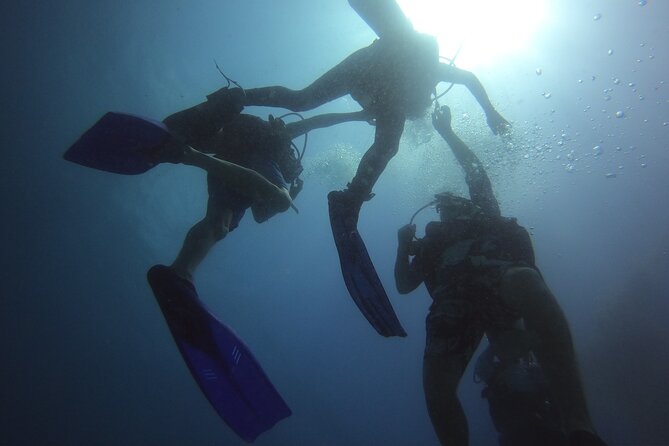
Your training starts with PADI materials plus theory and pool class. This is the stage where you learn what to do, then practice how to do it in controlled conditions.
Here’s why that matters: open water feels different from a pool. Motion, buoyancy control, and basic safety routines all need repetition before you’re in the real ocean environment. Doing theory first also helps you connect the steps you’ll perform later instead of treating them like random checklists.
The best part of this setup is how it’s structured for understanding. In one example course experience, instructors Manuel and Ulysses communicated clearly in English, and the coaching helped the diver feel prepared even with scheduling worries tied to sea conditions. You’ll feel that difference when you’re not just memorizing skills, but understanding why you’re doing them.
Stop 1: Museo Subacuatico de Arte (MUSA) and why it’s a smart training target
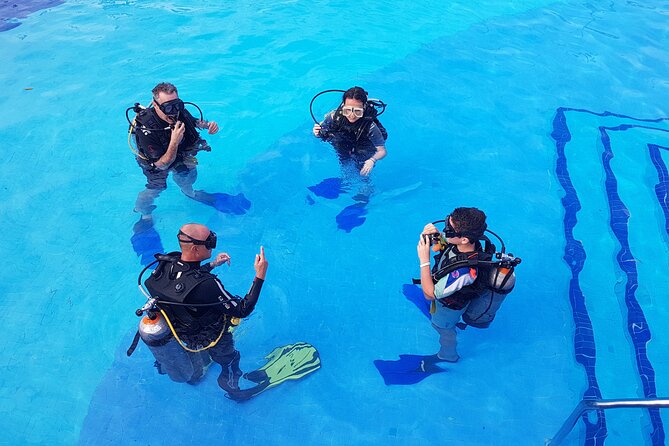
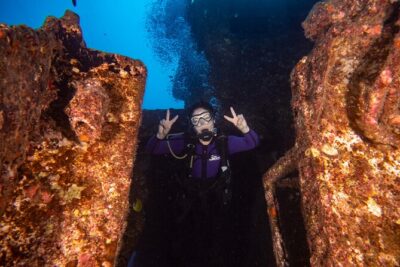
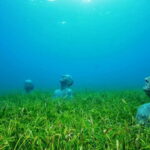
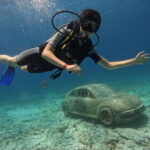
MUSA is the headline underwater stop here, built into the ocean portion of the course. Even if you’ve never planned an underwater museum visit before, the idea is simple: you get a meaningful underwater environment as part of your training, not just a random sightseeing stop.
Why I think MUSA works so well for learners: it gives your ocean sessions a clear purpose. When you’re practicing new routines, it’s easier to stay engaged if there’s something specific to see and explore—especially something as distinctive as the Underwater Museum of Art.
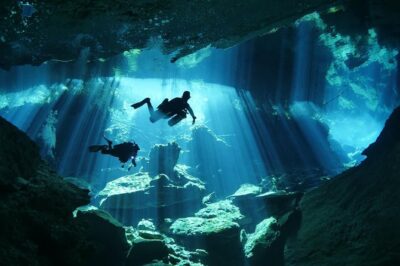
What to watch for during this kind of underwater experience is balance between curiosity and control. Your course is still about comfort, technique, and safety routines. If you can keep that mindset, you’ll enjoy the scenery without turning your training session into a frantic “look at everything” moment.
Stop 2: Isla Mujeres for your next stage of confidence
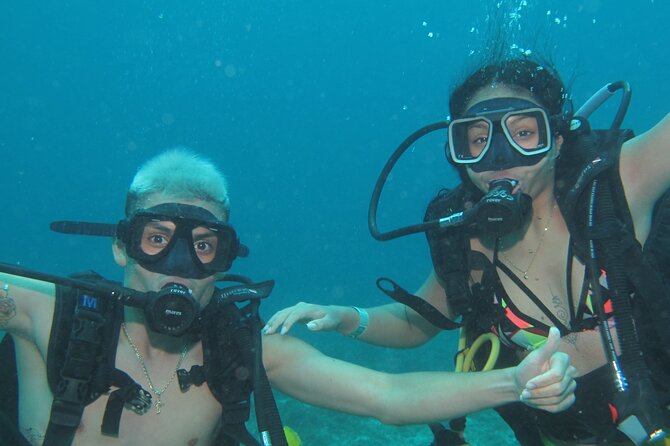
After the MUSA stop, the program continues with Isla Mujeres as the other key location in the itinerary. In practice, this gives you another ocean-session setting after your first major underwater highlight.
That pacing is useful. Your first ocean experience can feel like a mix of adrenaline and concentration. Then you get a second location so you can refine what you learned and keep confidence building instead of everything being “one and done.”
If you’re the type who wants momentum—one accomplishment after another—this structure helps. You’ll have time to settle after MUSA, then apply what you’ve practiced in another setting around Isla Mujeres.
Instructor time, coaching style, and the small-group advantage
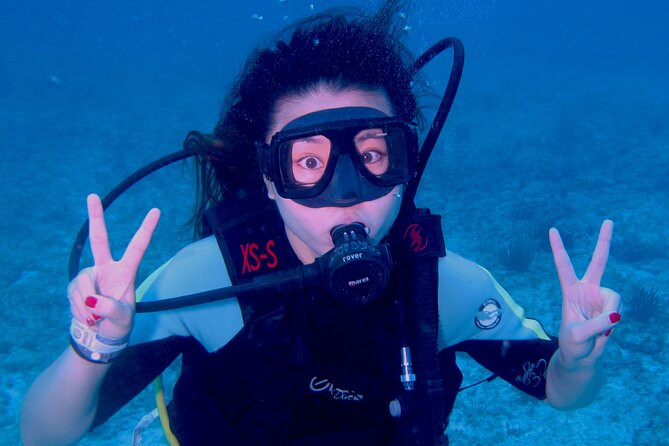
The course is designed to be a small-group experience, and the real advantage is the number of times you can get your questions answered.
In one past experience, the diver highlighted that instructor Manuel was very knowledgeable in explaining the process, with Ulysses also speaking clear English. On a different practical level, Captain Ricardo got the group out smoothly even when a diver was concerned about rough seas and cancellations.
That combination matters: good instruction plus steady leadership. Underwater learning is not just about gear and locations—it’s also about calm problem-solving when conditions aren’t perfect.
You should expect instructors to offer diving tips beyond the course. That’s valuable because you’re in Cancun. Once you earn your skills, you’ll want to know where to spend more time and what to ask for on future outings.
What’s included (and what you may still pay for)
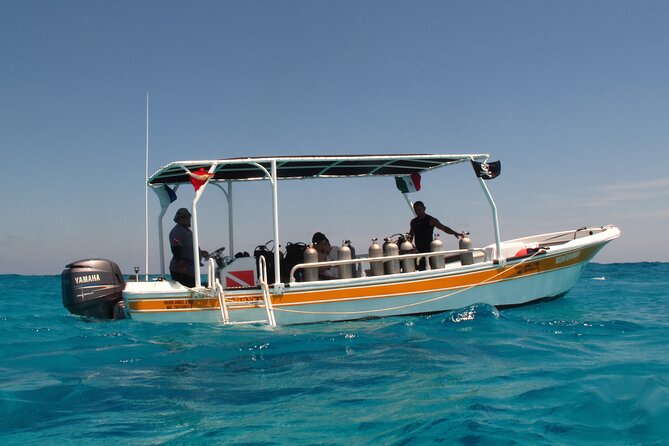
Here’s where you can quickly sanity-check the total cost.
Included in the course price ($559 per person):
- PADI materials
- Theory and pool class
- 4 ocean sessions including the Underwater Museum of Art (MUSA)
- Use of scuba equipment
- PADI Open Water certification valid lifetime worldwide
Not included:
- Government fees: $20 per person
- Wetsuit rental: $10 per person
So your likely baseline total is $559 + $20 government fees, plus wetsuit rental if you want it. That’s a good setup because the big-ticket item—your scuba gear—is already covered. If you’ve ever done sport activities on vacation, you know rentals can quietly add up.
Also note: the activity provides a mobile ticket, and it’s offered in English.
Timing and how to plan your Cancun days
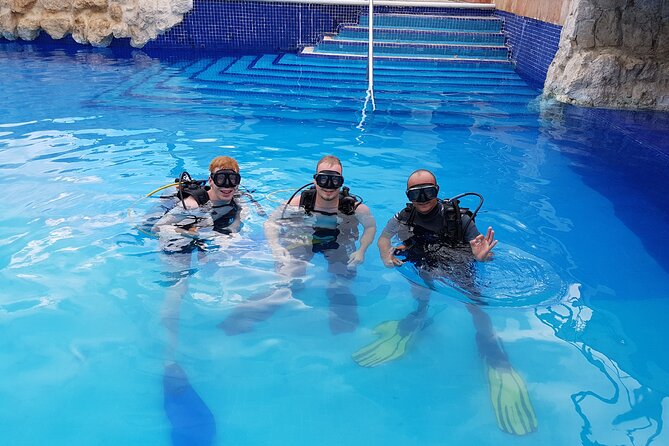
Start time is 8:00 am, and the activity ends back at the meeting point. Since the course takes about 2 days, you should treat those dates like your main training blocks.
You’ll likely spend your first day on theory and pool work, then follow with open-water sessions across the next day and/or split time depending on conditions. Because the program requires good weather, give yourself a little scheduling buffer before and after your course if you can.
Also keep in mind the “maximum 4 travelers” factor. Smaller groups can mean less waiting, but it also means they may run the day carefully to protect safety and learning time.
Who this course is best for
This is a strong fit if:
- You want PADI Open Water certification with structured support.
- You like small groups and clear communication in English.
- You care about seeing something special underwater (MUSA) while you learn.
- You want a provider that seems organized—especially if you’re worried about weather affecting schedules.
You might want to think twice or check details closely if:
- You have medical considerations listed for the activity, such as diabetes, asthma, or recent surgeries. The program notes these conditions in the additional information, so don’t assume it’s automatic—ask the operator what applies to your situation.
- You’re looking for something more casual than structured training. This is a certification course with steps you’ll need to complete, not just a fun snorkel day.
Age note: it also lists under 10 years old, so this course is not positioned for very young kids.
Photo help and the payoff of training in real settings
A practical perk that often gets overlooked is keeping evidence of the moment. In one strong experience, photographer Poncho took excellent pictures. Even if you don’t normally plan on photos, having underwater images can turn your course from a checkbox into a memory you actually care about.
More than that, seeing the underwater art museum (MUSA) and the Isla Mujeres setting gives your training a clear story. You’re not just learning to use gear—you’re building comfort in the water while your trip delivers an experience you can’t replicate at home.
Should you book Coconut Divers in Cancun for PADI Open Water?
Yes, if you want a well-structured certification course with small-group attention, scuba equipment included, and MUSA as part of your open-water sessions. The combination of clear instruction, calm leadership (Captain Ricardo’s steady boat handling shows up in past experiences), and a plan that keeps learning moving is exactly what you want when you’re investing two days.
Before you book, do two quick reality checks:
- Confirm your total cost in your head: $559 plus the $20 government fees, and decide on the $10 wetsuit rental if you want it.
- Give your dates flexibility since the activity requires good weather.
FAQ
How long is the PADI Open Water course in Cancun?
It runs for about 2 days.
What time does the activity start?
The start time is 8:00 am.
Where do I meet the group?
You meet at Coconut Divers, Hotel and marina Sotavento, Blvd. Kukulcan Km 4.0, Zona Hotelera, 77500 Cancún, Q.R., Mexico.
Is the course offered in English?
Yes, it is offered in English.
What is included in the price?
Included are PADI materials, theory and pool class, 4 ocean sessions including the Under Water Museum of Art, and use of scuba equipment. The PADI Open Water certification is valid lifetime worldwide.
What extra fees should I expect?
Government fees are $20.00 per person, and wetsuit rental is $10.00 per person.
Do I need to rent scuba gear?
No. Use of scuba equipment is included.
How big is the group?
The activity has a maximum of 4 travelers.
What happens if weather is poor?
The experience requires good weather. If it’s canceled due to poor weather, you’ll be offered a different date or a full refund.
What is the cancellation policy?
Free cancellation is available up to 24 hours in advance for a full refund. Changes made less than 24 hours before the start time aren’t accepted, and cancellations inside that window aren’t refunded.