REVIEW · CANCUN
Cancun: 2-Tank Dive for Beginners with MUSA and Reef Dive
Book on GetYourGuide →Operated by Go Diving Cancun · Bookable on GetYourGuide
Two sites make the learning feel real. This beginner-friendly Cancun program pairs guided scuba fundamentals with two fun underwater stops: MUSA and a natural reef.
I love how the day is built around real skills, not just equipment time. You start with a theory class on scuba gear, underwater body basics, and hand signals, then practice the same key moves in a pool before you head out.
One catch: you must be able to swim. The experience also isn’t suitable for certain medical conditions, so it’s worth checking health restrictions first.
In This Review
- Key points I’d circle before you book
- Cancun’s Two-Tank Scuba Plan: MUSA Plus a Natural Reef
- Theory Class First: What They Teach Before You Get Wet
- Pool Practice: Training That Mimics Open Water
- Boat Ride and Descent Setup: How the Day Flows
- First Underwater Stop at MUSA: Art, Atmosphere, and a 10-Meter Target
- Second Stop on the Reef: Colorful Life After the Art Museum
- What’s Included (and What You’ll Need to Sort Out)
- Included
- Not included
- Gear, Comfort, and Simple Rules That Matter
- Price and Value: Is $157 a Good Deal?
- Who This Tour Suits Best (and Who Should Skip It)
- What to Watch For Day-of: Small Details That Affect Your Enjoyment
- Should You Book the Cancun MUSA and Reef Beginner Experience?
Key points I’d circle before you book
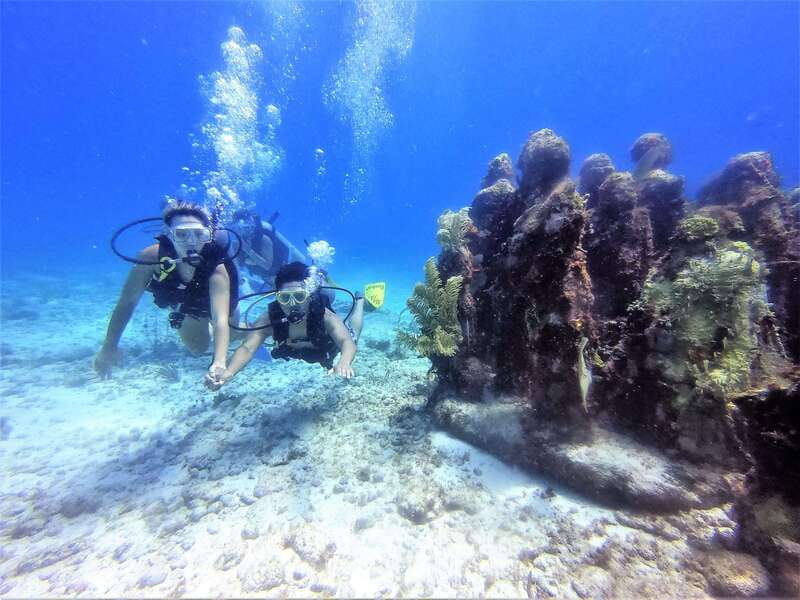
- MUSA’s underwater art field of about 400 sculptures on a beginner-friendly first descent
- Small group limited to 6, with English or Spanish instruction
- A theory class plus pool practice that aims to remove the mystery before open water
- Two separate underwater sessions (about 35 minutes each) in different settings
- Go Diving Cancun-style convenience, including hotel pickup/drop-off in Cancun (confirm coverage)
Cancun’s Two-Tank Scuba Plan: MUSA Plus a Natural Reef
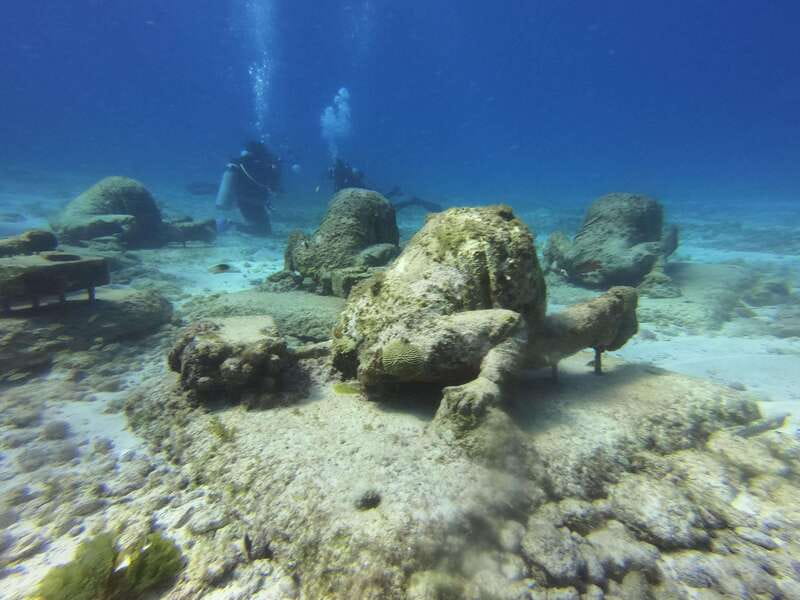
If you’re picturing Cancun as all beaches and no skill-building, this tour quietly changes that. It’s a first-timer setup that doesn’t pretend you’ve been scuba before. Instead, it teaches you what you need, then gives you two different kinds of underwater experiences in one day.
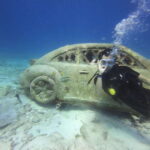
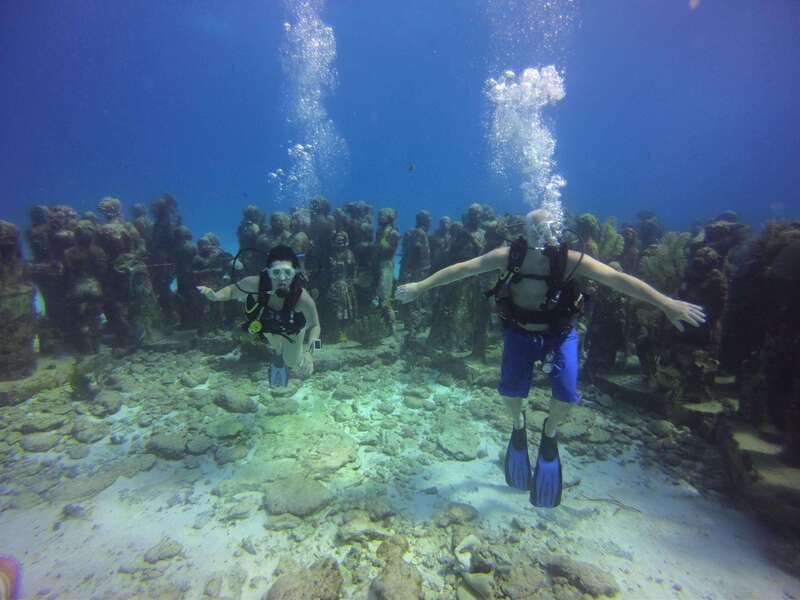
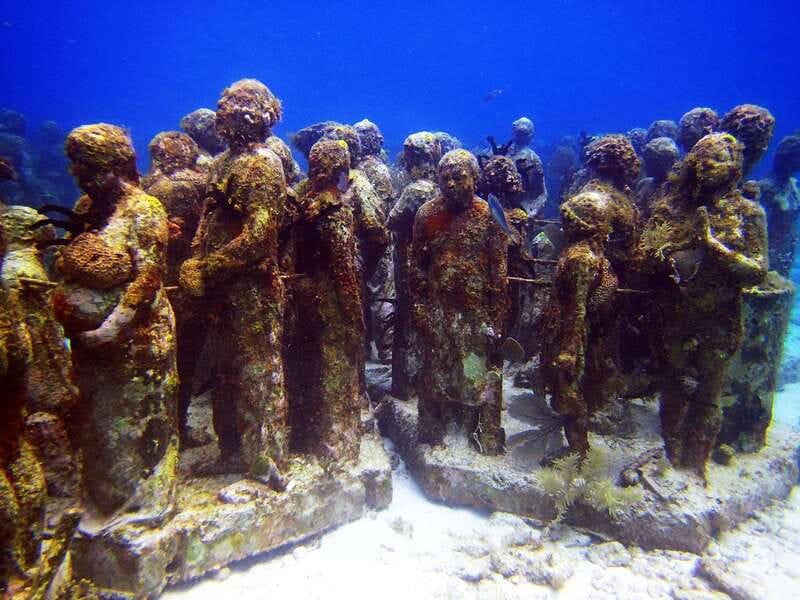
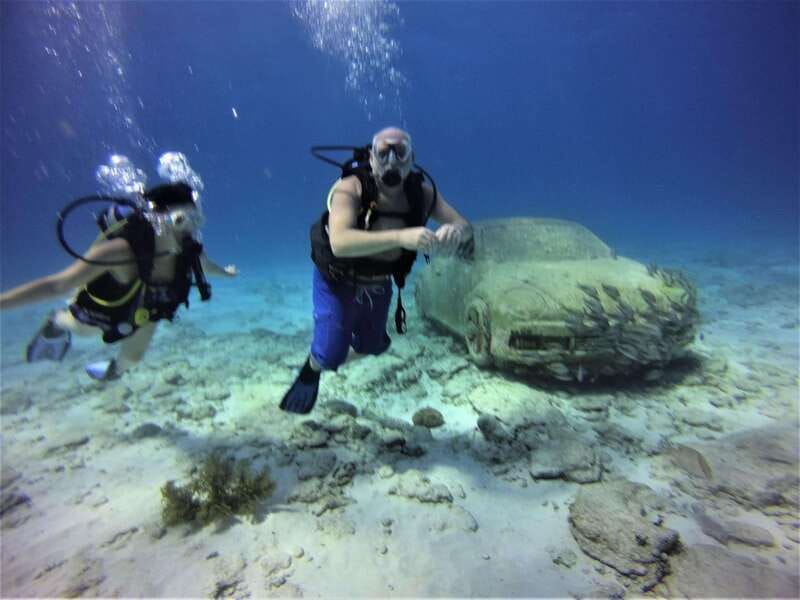
The first site is the Cancun Underwater Museum of Art—MUSA—with hundreds of underwater sculptures laid out across the seabed. The second is a natural reef where you get the more typical Caribbean look: tropical fish, colorful life, and the feeling of seeing an ecosystem rather than art installations.
This pairing is smart for beginners. The museum helps you focus on buoyancy and technique while you’re surrounded by structured shapes. The reef then lets you relax into exploration, because the underwater world looks and behaves more like what most people expect.
You can also read our reviews of more tours and experiences in Cancun.
Theory Class First: What They Teach Before You Get Wet
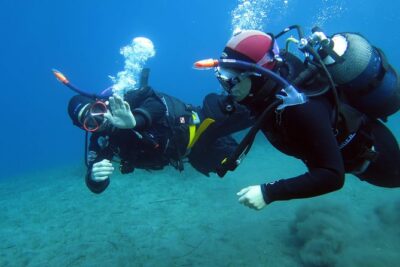
Your day starts with a classroom-style orientation. The goal is simple: you understand your gear and your role underwater before you’re ever in the water. You’ll cover:
- How scuba equipment works and how to use it properly
- How to communicate with underwater signs
- How your body works under pressure and in the water
- Basic diving/scuba techniques, with safety as the priority
This is the part that usually makes or breaks beginner confidence. If you show up knowing only that you want to see fish, you can still have a great time—but you’ll feel calmer if you understand the basics ahead of your first descent.
You’ll also notice the tour is designed for speed without cutting corners. They’re not trying to sell you a long, expensive course. You’re getting the essential knowledge you’ll actually use during the day.
Pool Practice: Training That Mimics Open Water
After the theory, you move into pool training. The key idea here is familiarizing you with movements and procedures in a controlled setting—so the real ocean doesn’t feel like a surprise test.
The pool practice is very similar to what you’ll do at sea. That matters because the first underwater tasks are often the ones that make beginners nervous: handling your equipment, staying steady, and following your instructor’s cues.
Small-group instruction makes a difference. With limited spots (up to 6 participants), you’re more likely to get clear feedback, not just general announcements. In the best moments, that feels like one-on-one attention.
In reviews, English instruction is specifically praised as careful and patient. One diver credited Clemente Herrera with professional, informative guidance, and another noted that the teaching helped them feel safe and see lots of marine life during the day.
Boat Ride and Descent Setup: How the Day Flows
Once you’re trained and ready, you board a boat for a short trip to your first underwater location. It’s about 30 minutes out, then you arrive and prepare for entry.
Here’s what you can expect during the transition from boat to water:
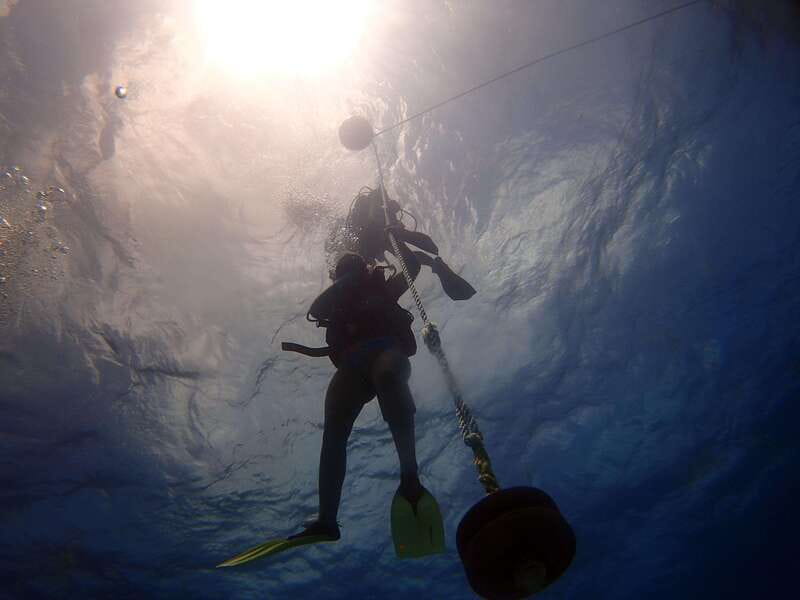
- You’ll tie yourself to buoys for the descent
- You’ll enter the water and be guided down
That “buoys first” rhythm is good for first-timers. You’re not scrambling to figure out positioning while everyone else is already dropping. It’s a structured start that supports safety and reduces panic.
Then you’ll return to the marina with another 30-minute ride. So yes, you spend time traveling—but it’s also part of the value. You’re not stuck in shallow water next to the hotel. You’re going to the sites that people come to Cancun for.
First Underwater Stop at MUSA: Art, Atmosphere, and a 10-Meter Target
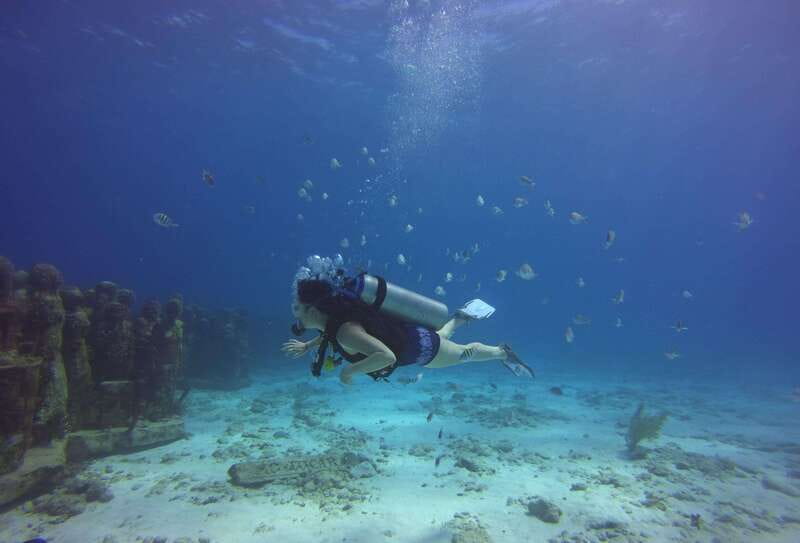
Your first underwater session is designed for beginners: about 35 minutes at around 10 meters depth. That depth target keeps things within a manageable range while still giving you a meaningful underwater experience.
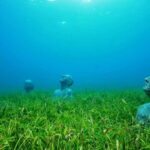
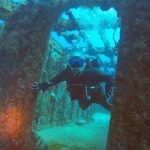
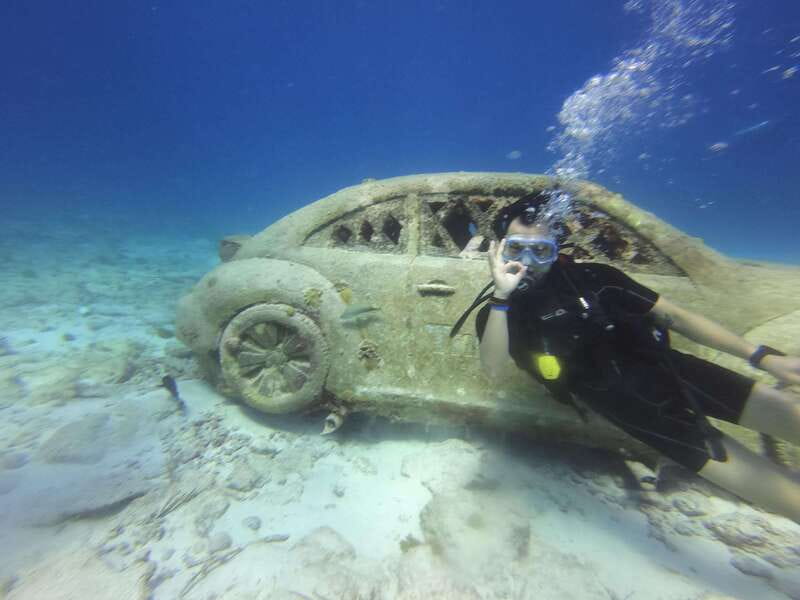
At MUSA, you’re surrounded by underwater sculptures—reviewers describe it as fascinating and unique in atmosphere. One specific point from feedback: the sculptures are the big star, even if fish visibility may be limited depending on conditions.
That’s an important consideration for your expectations. If you’re hoping for the most fish-packed visibility on your very first tank, the museum stop may not always be the strongest choice. Still, it’s a great place to focus on technique because the shapes and layout give your brain something to look at besides just searching for marine life.
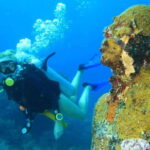
Think of MUSA as the “control-and-camera-ready” stop. You learn how it feels to be neutrally stable, how to follow cues, and how to enjoy the world without rushing. Then, you get a second chance on the reef where marine life often feels more abundant.
Second Stop on the Reef: Colorful Life After the Art Museum
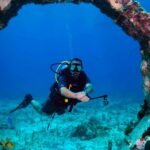
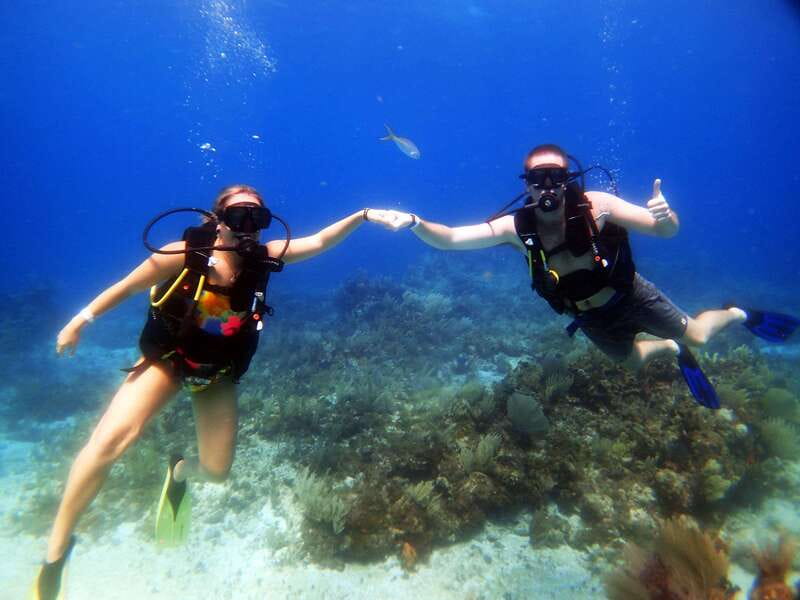
The second underwater session is also about 35 minutes, and it’s in a natural reef environment. This is where many first-timers feel the day really clicks.
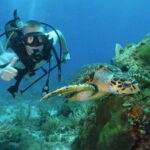
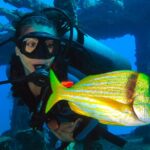
Reef time tends to bring more of the eye-catching variety: different fish shapes, brighter colors, and that Caribbean feeling of being in an actual habitat. In the strongest praise from reviews, the second stop is often described as the highlight—more fish, more color, and a clear sense of excitement after the structured museum experience.
Why it works well for beginners:
- You already practiced your basics in the pool
- You completed your first underwater session, so your body and gear feel more familiar
- Reef environments reward calm attention—so once you settle, you notice more
If you’re the type who wants a clear payoff, this two-part structure is a good match. Even if MUSA isn’t the fish-festival you hoped for, the reef usually helps you leave satisfied.
What’s Included (and What You’ll Need to Sort Out)
This tour is designed to reduce your decision fatigue. You don’t have to rent equipment or worry about fees.
Included
- Scuba equipment use
- Bottle of water or juice, plus cookies and fruit
- Bottled water
- All fees and taxes
That’s a solid value package for a guided beginner experience. Equipment and instructor time are the expensive bits, and they’re handled here.
Not included
- Transportation to the location (even though hotel pickup/drop-off in Cancun is advertised in the experience highlights, you should confirm whether your exact hotel is covered)
- Wetsuit (if needed)
So, plan to handle your own getting-where-you-start logistics unless your hotel is within pickup coverage. And if you run cold easily, ask about whether you’ll want a wetsuit.
Gear, Comfort, and Simple Rules That Matter
This is a day where comfort affects your focus. You’ll want to show up ready to swim and move easily in and out of the boat.
What to bring:
- Swimwear
Not allowed:
- Sunscreen
No sunscreen can be surprisingly inconvenient if you’re used to coating up before beach activities. The practical move is to plan sun protection that doesn’t involve sunscreen. If you rely on sunscreen for medical or skin reasons, that’s a good reason to double-check what alternatives your provider allows.
Two other notes you shouldn’t ignore:
- You need to know how to swim
- The tour isn’t for several medical situations, including asthma and uncontrolled high blood pressure, plus other respiratory problems
That’s not paperwork red tape. It’s a safety issue because you’re in open water and relying on your own comfort and control as well as your instructor’s guidance.
Price and Value: Is $157 a Good Deal?
At $157 per person for about 6 hours, you’re paying for three things that matter most to first-timers: instruction, equipment, and two guided underwater sessions with an instructor.
For value, I look at what you don’t have to pay separately:
- Equipment is included
- Fees and taxes are included
- You’re guided through theory, pool practice, and two open-water stops
The day is also optimized: theory and pool happen before you ever hit open water, and you get two different underwater locations without needing separate tours. That reduces the hassle factor and helps you actually see more than one type of underwater scene.
If you’re comparing against longer courses, this approach can feel like a shortcut—but not a careless one. It’s a targeted beginner experience that focuses on getting you confident enough to handle a controlled beginner setup.
Who This Tour Suits Best (and Who Should Skip It)
This is aimed at true beginners—people who want the excitement of underwater art and reef life without signing up for a big, long certification program.
It fits you best if:
- You want a small group experience (limited to 6 participants)
- You want English or Spanish instruction
- You’re comfortable following safety instructions and signs underwater
- You can swim confidently
It’s not suitable for:
- Children under 14
- Pregnant women
- People with back problems, mobility impairments, heart problems, epilepsy
- Non-swimmers
- People with respiratory issues
- People over 331 lbs (150 kg)
- People with recent surgeries
- People over 70
- People flying within the next 24 hours
- People with asthma or uncontrolled high blood pressure
If any of those apply, don’t try to “test it.” For this kind of underwater activity, it’s better to choose a different experience that matches your health and comfort needs.
What to Watch For Day-of: Small Details That Affect Your Enjoyment
Even with great instruction, a beginner day can go smooth or stressful. These details are worth keeping in mind:
- You’ll spend time on the boat and doing transfers. Stay hydrated and wear swimwear you can move in comfortably.
- Expect to tie into the descent process using buoys. Listen carefully before entry.
- MUSA may have limited fish visibility depending on conditions. Set your mental target on the sculptures and the unique underwater atmosphere first, then look forward to the reef as your marine-life payoff.
- The best “first day” feeling often comes from patience. Reviews repeatedly highlight careful, professional teaching, with instructors who guide you and help you feel safe. If you arrive ready to learn, you’ll get more from every moment.
Should You Book the Cancun MUSA and Reef Beginner Experience?
I’d book this if you want a structured beginner scuba day that includes real training (theory + pool), then delivers two distinct underwater experiences in one outing. It’s especially appealing if you care about safety, small-group attention, and seeing both underwater art and a natural reef.
Skip it and look for another option if you can’t swim, have any of the listed medical restrictions, or you strongly prefer sunscreen-based sun protection and can’t adapt to the no-sunscreen rule.
If you’re the type who likes clear milestones—learn the basics, practice on cue, then earn your underwater time—this two-tank plan is a pretty smart way to spend a Cancun day.