REVIEW · SICILY
Basic Scuba Diver
Book on Viator →Operated by Etna & Sea Excursion · Bookable on Viator
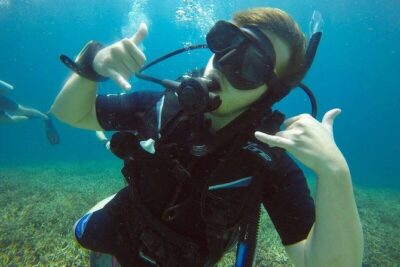
Aci Trezza’s water time starts fast. This Basic Scuba Diver course in Sicily mixes classroom standards with guided practice so you can earn your international certification. I love how much structure you get, from early punctual check-in to step-by-step coaching with Andrea. I also like that you do shallow-water exercises first, so the scary part stays small.
The one thing to keep in mind: this is a concentrated training block, and you’ll need to pass a health check before going underwater. If you have asthma or heart issues (or anything similar), talk to your doctor before you commit.
In This Review
- Key highlights you’ll feel right away
- Where it happens: Aci Castello’s base and the 8:30 am rhythm
- The course format: classroom standards plus water skills
- What you’ll learn in the classroom (and why it’s worth your time)
- In-water training: shallow first, deeper only when you’re ready
- Your guide experience: Andrea’s teaching style (and multilingual support)
- Gear rental and what “included” really means for value
- Price and logistics: is $520.92 fair?
- Health checks and the reality of who can participate
- Weather dependence: why “good conditions” are part of the deal
- Who this course suits best
- Quick verdict: should you book it?
- FAQ
- What time does the course start?
- Where does the course start?
- How long is the experience?
- Is gear included?
- Do I need prior certification?
- What happens if I have medical conditions?
- How big is the group?
- What if weather is bad?
Key highlights you’ll feel right away
- 8:30 am start near Aci Trezza port: quick setup, wetsuit measurements, then you’re moving.
- Andrea and the team’s hands-on coaching: clear explanations and extra attention when you’re new.
- Shallow-water practice before deeper work: confidence-building in stages.
- Gear rental included: you won’t waste time sourcing equipment.
- Small groups (max 15): easier for the instructor to watch everyone closely.
- International certification after the exam: you leave with a globally recognized credential.
Where it happens: Aci Castello’s base and the 8:30 am rhythm
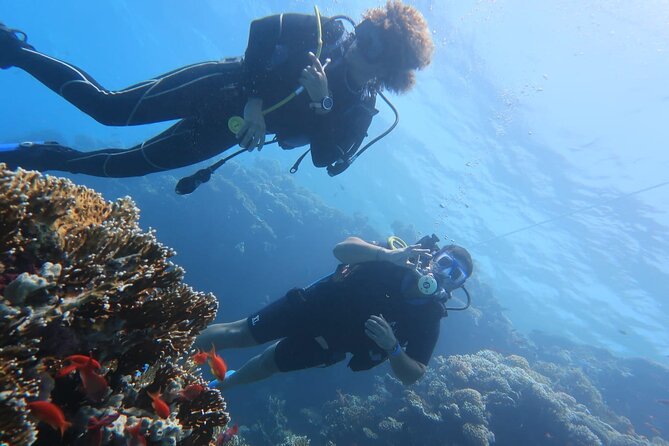
Your training kicks off at Via Provinciale, 23, 95021 Aci Castello CT, with a listed start time of 8:30 am. It’s set up close to the port area at Aci Trezza, so you’re not fighting long transfers before you even get your wetsuit.
This early start matters more than it sounds. When you’re learning new skills, timing is everything: less rushing, fewer “everyone’s late” vibes, and more calm attention for fit checks and gear setup. In the reviews, people praised how punctual the appointment is, including an initial wetsuit measurement moment right by the support base—exactly the kind of detail that makes day one feel organized.
You can also read our reviews of more tours and experiences in Sicily.
The course format: classroom standards plus water skills
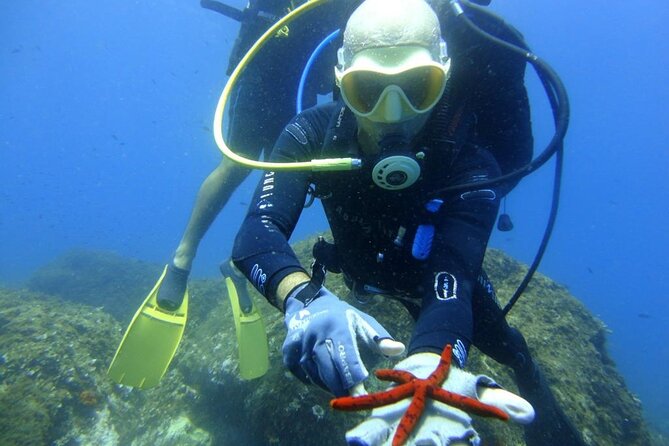
The program description is a bit “packed.” It’s listed as about 2 days, but the course content is described as roughly three days’ worth of intense learning activity split between the classroom and the water. Translation: expect steady training, not a casual try-it session.
You’ll alternate between:
- theory lessons in the classroom (with the diving center’s instruction setting)
- water lessons with an instructor guiding you
- an exam at the end of the course, followed by certification
That classroom-water combo is the real value here. Scuba isn’t just the thrill; it’s controlled habits and safety. Learning the standards up front helps your water training make sense—what you do, why you do it, and what the instructor is watching for.
What you’ll learn in the classroom (and why it’s worth your time)
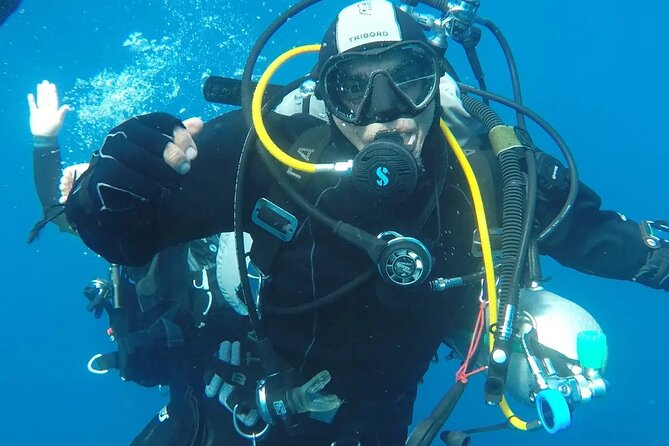
The course is built around implementing teaching standards, not just memorizing facts. In practice, that usually means you’ll be taught the safety logic behind the basics and then trained to apply it when you’re wearing the gear and breathing underwater.
If this is your first time, this classroom time is where you get your mental map. You’ll likely cover how to manage breathing, basic equipment use, and the safety checks that keep the experience smooth. And because the structure is set, you’re not guessing what matters most—you’re learning it in the order your instructor wants.
One reason I’m glad they pair theory with exam: it helps separate confidence from comfort. You don’t just feel brave; you prove you can handle the steps under supervision.
In-water training: shallow first, deeper only when you’re ready
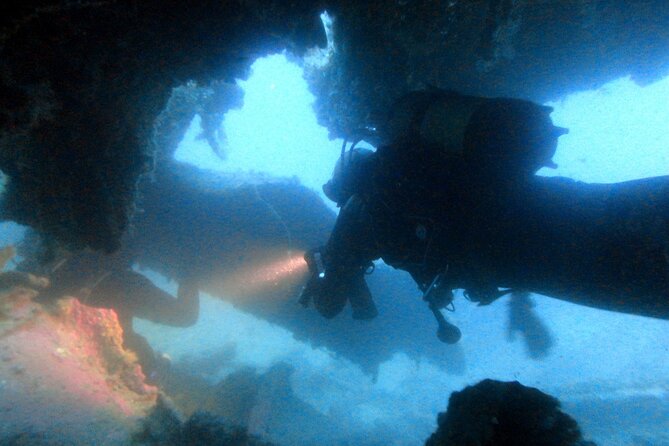
The most repeated satisfaction point in the feedback is the way the instructor teaches in stages. For first-timers, that’s everything.
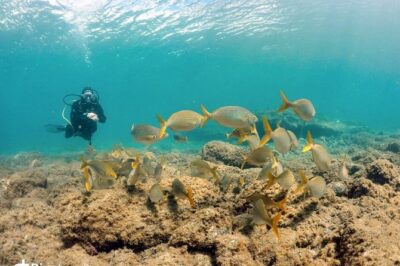
You do practice in shallow water first, while the instructor checks your comfort and understanding. Only then do you move to deeper water once you’re ready. One review specifically highlighted that Andrea always made sure everything was okay before going deeper—exactly the kind of method that keeps nerves from turning into poor control.
You’ll also get guided exercises with professional support. That matters because your job isn’t to “perform.” Your job is to learn the movements, the breathing habits, and the checks. A good instructor builds calm by making the next step conditional on readiness, not on a timer.
Your guide experience: Andrea’s teaching style (and multilingual support)
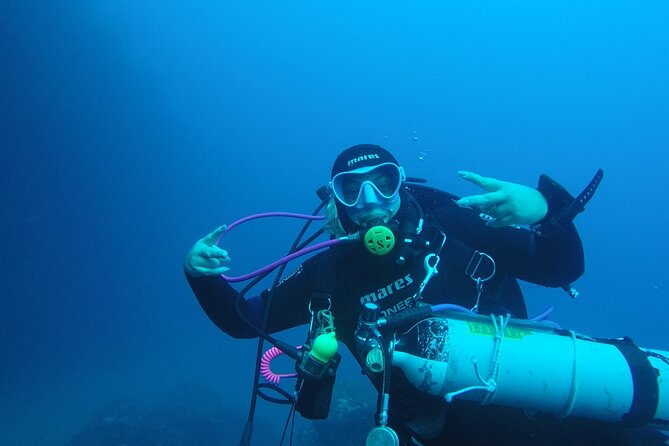
Guide quality can make or break a first certification course. Here, Andrea shows up in multiple reviews for clear explanations and friendly, available support.
People noted:
- he explains everything clearly for beginners
- he’s hands-on and attentive during practice
- the team feels approachable and ready to help
There’s also a note that the experience may be operated by a multi-lingual guide. In other words, you should have a fair chance of getting instruction in a language you can actually follow—important when the topic is safety.
Finally, one review mentioned the team’s traditional boat. That’s not just decoration. A comfortable, stable setup helps when you’re getting ready, and it adds that Sicilian feel without turning the training into a sightseeing detour.


Gear rental and what “included” really means for value
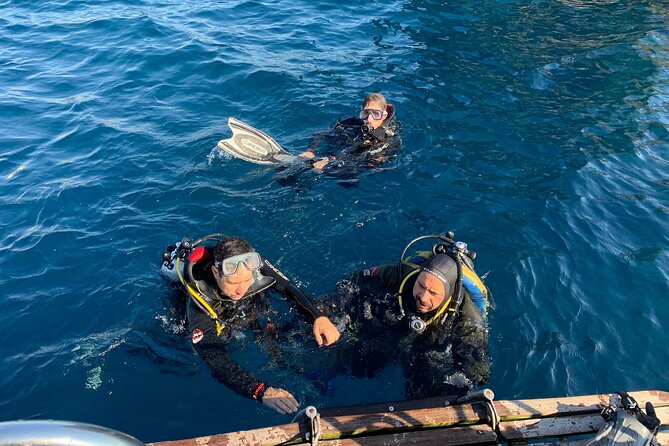
The package includes rent of scuba equipment, plus a professional guide and the underwater training portion. That simplifies your prep. You don’t have to hunt for gear in advance or worry about whether you rented the wrong size for a wetsuit fit.
Equipment rental sounds basic, but it’s a real money-saver once you factor in rental shops, transport, and the stress of showing up unprepared. It also improves your odds of having the right fit, which helps everything from comfort to buoyancy control.
Taxes, fees, and handling charges are included too. For a learning course, this matters because you avoid last-minute surprises. You can focus on the training day.
Price and logistics: is $520.92 fair?
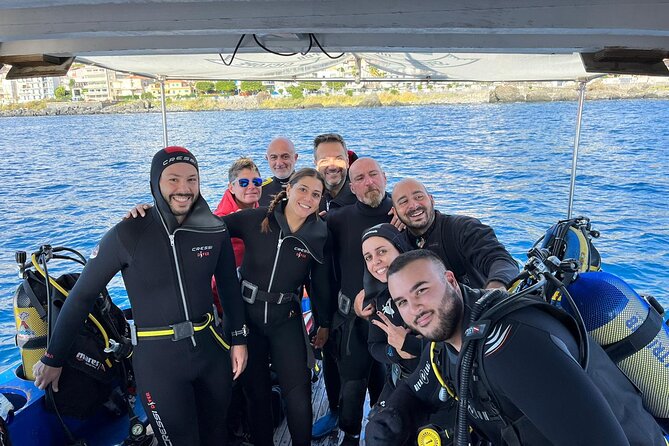
At $520.92 per person for a short, structured certification course, this is the right kind of price to compare against what you’re actually getting: instructor-led classroom instruction, guided water practice, gear rental, and an international certification after the exam.
Where it becomes good value is in the “support layer.” You’re not paying just for time in the water. You’re paying for coaching, safety oversight, and the standard-based curriculum that culminates in certification.
Two practical logistics points to consider:
- Transfers aren’t spelled out as exact minutes, and time can change with traffic.
- The training ends back at the meeting point, so you can plan your day with that fixed anchor.
If your priority is a smooth first certification experience without equipment hassles and without confusing instruction, the package looks like a solid deal.
Health checks and the reality of who can participate
Before any underwater work, you’ll need to complete a health questionnaire. The guidance also says some pre-existing conditions (for example asthma or heart conditions) may prevent you from diving, and you should consult your doctor.
Here’s the practical takeaway: don’t treat the health check as paperwork. It’s part of the safety system. If you’re unsure, get medical advice early so you don’t gamble on the day-of outcome.
Also note a separate requirement: evidence of dive certification is required from all divers wishing to participate in a certified underwater session. If you’re already certified and you plan to join any certified activities, bring proof.
Weather dependence: why “good conditions” are part of the deal
This experience requires good weather. If it’s canceled because of poor conditions, you’ll be offered a different date or a full refund.
That doesn’t mean you should fear bad weather. It means you should travel with flexibility. For early starts and a course format with both theory and water sessions, weather is one of the few variables you can’t control—and the provider has a straightforward fallback.
Who this course suits best
This one fits best if you:
- want a structured international certification pathway
- are a first-timer who benefits from step-by-step coaching
- prefer a small group setting (max 15) where the instructor can watch you closely
- care about safety standards, not just the thrill factor
It may be less ideal if you want a “casual day on the water” with no classroom focus. This is learning-heavy. You’ll be busy, and you should be ready for intense training blocks.
Quick verdict: should you book it?
Yes, I’d book it if you’re after a first-time course with strong instructor attention. The repeated praise for Andrea’s explanations, the shallow-to-deeper progression, and the punctual setup around wetsuit measurement all point to a training style that protects beginners from chaos.
I’d pause only if the health questionnaire is a concern for you, or if you can’t handle a concentrated schedule that combines classroom instruction and water practice.
If you want your first certification experience to feel organized, safety-led, and supportive from check-in to exam, this Sicily course is a smart choice.
FAQ
What time does the course start?
The start time is 8:30 am.
Where does the course start?
The meeting point is Via Provinciale, 23, 95021 Aci Castello CT, Italy.
How long is the experience?
It’s listed as about 2 days.
Is gear included?
Yes. Scuba equipment rental is included.
Do I need prior certification?
Evidence of dive certification is required from all divers wishing to participate in a certified underwater session. (If you’re taking the Basic Scuba Diver course, this is about what the provider requires for any certified participation.)
What happens if I have medical conditions?
You’ll complete a health questionnaire before diving. Some conditions (like asthma or heart conditions) may prevent you from diving, so consult your doctor if you’re unsure.
How big is the group?
The maximum group size is 15 travelers.
What if weather is bad?
This activity requires good weather. If it’s canceled due to poor weather, you’ll be offered a different date or a full refund.