REVIEW · MAURITIUS
Diving in the North with Blue World Adventures
Book on GetYourGuide →Operated by BLUE WORLD EXPLORER ADVENTURES · Bookable on GetYourGuide
A lesson in confidence starts before you ever go under. This two-hour North Mauritius scuba intro turns into real underwater time, led with close PADI professional supervision. I love how they teach skills first, then guide you into open water. I also love the practical focus on safety and gear use. One consideration: since it’s a water activity with medical and liability forms, it’s not for everyone—pregnancy and some mobility limits are ruled out.
You’ll meet at Le Méridien Ile Maurice in Pointe aux Piments, and the schedule is built around a short but complete arc: safety briefing, skill practice in shallow water, then a supervised open-water session with Mauritius’ underwater life. It’s priced at $159 per person, which is often worth it here because equipment, instruction, and instructor attention are included—though food and transfers aren’t, so plan those separately.
In This Review
- Key takeaways before you go
- North Mauritius in 2 hours: what the experience really feels like
- Gear, instructors, and the training setup that builds confidence
- Shallow-water skills: your first steps toward looking around
- Open-water time on Mauritius’ north coast: what you’re likely to see
- Price and value: is $159 per person a good deal?
- Where to meet and how to plan your day around it
- What to bring (and what to leave behind)
- Safety rules and paperwork you can’t skip
- Instructors who get it right: what the best feedback reveals
- Timing, stress, and comfort: how to get the most from your session
- Who this is best for (and who should pick something else)
- Should you book this North Mauritius scuba intro?
- FAQ
- How long is the scuba introduction experience?
- What’s included in the price?
- What’s not included?
- Where does the activity meet?
- Do I need prior scuba certification?
- What should I bring, and is there anything I can’t bring?
Key takeaways before you go
- First, you practice the basics in shallow water, so you’re not guessing underwater
- Equipment is provided, which cuts down on stress and packing
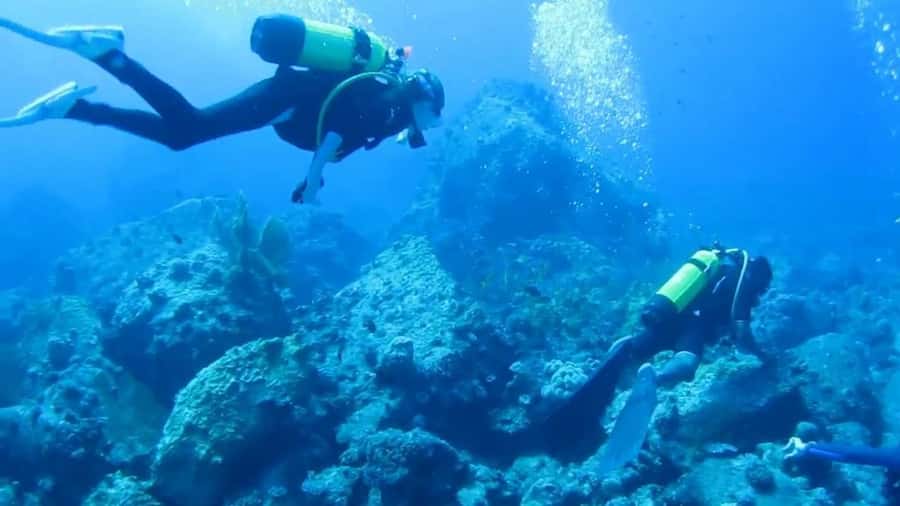
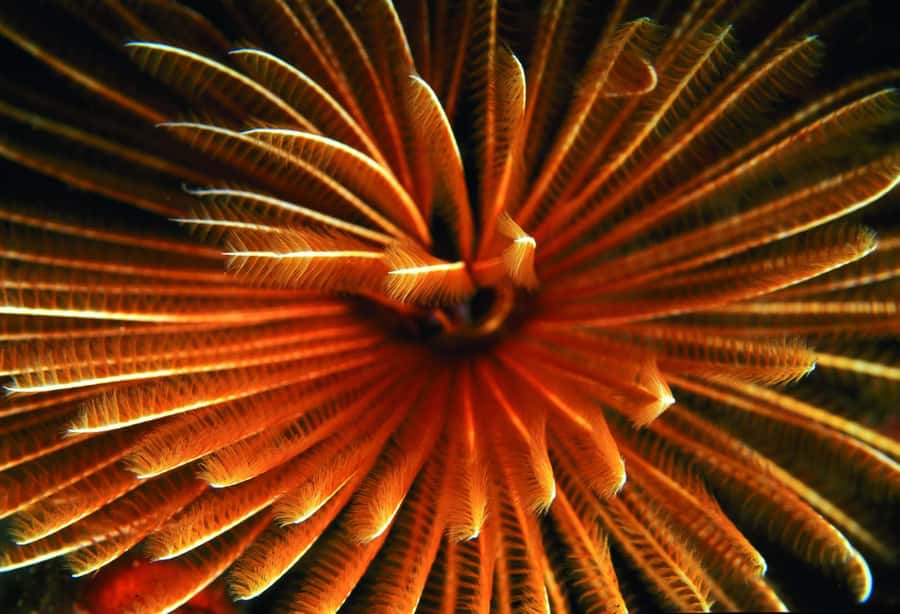
- North-coast underwater sights include colorful coral and 18th-century shipwrecks
- Safety is built into the plan, with oxygen and medical kits on the boats
- Cameras are encouraged, because the sea life can move fast
- Language support is practical (English and French)
North Mauritius in 2 hours: what the experience really feels like
This isn’t a “watch from the boat” kind of activity. You’re there for an introduction that aims to get you comfortably underwater—fast, but not carelessly. The whole structure makes sense for first-timers: you start with guidelines and skill coaching, then you earn your way into the open water with direct instructor supervision.
That matters more than people expect. If you’ve never worn scuba gear before, your biggest challenge is usually not “the ocean.” It’s your brain learning a new set of movements, breathing rhythm, and hand signals while buoyancy feels strange. This experience is designed to handle that learning curve by slowing things down at the start and keeping the support close.
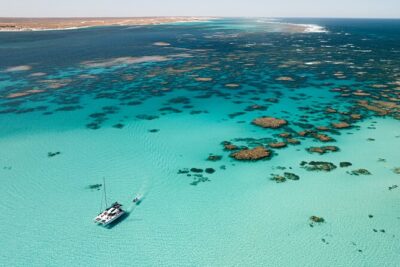
You’ll also be in a part of Mauritius known for underwater variety. The north coast is described as having some of the best scuba sites in the area, with clear water and warm temperatures. That combination is what makes the short time feel special—you can actually see what’s around you, not just “experience being underwater.”
You can also read our reviews of more tours and experiences in Mauritius.

Gear, instructors, and the training setup that builds confidence
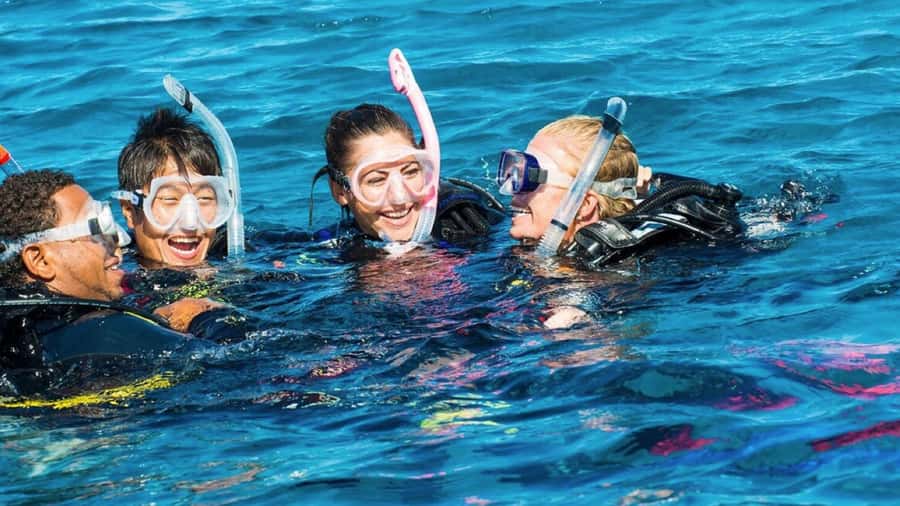
You’re not expected to know scuba ahead of time. The activity starts with a safety briefing and the basic skills needed to participate underwater under professional supervision. Then comes a practice phase in shallow water, where you can get used to breathing through the equipment and using the gear correctly.
From the feedback, the coaching style is a big deal. People singled out instructors who stay attentive and professional—especially during the moments when a first-time diver tends to get nervous. One review named Brian as the person who coached and guided the session, with clear professionalism and real support. Another also mentioned the welcome on-site, plus the team’s responsiveness.
You’ll get:
- An introduction to scuba
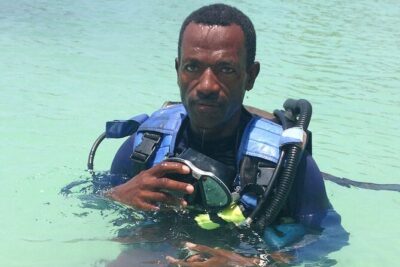
- All necessary equipment
- Expert instructors/guides
- Mineral water
There’s also a practical safety layer: boats are equipped with medical kits and oxygen. That’s the kind of detail you want to know exists when you’re trying something new.
Shallow-water skills: your first steps toward looking around
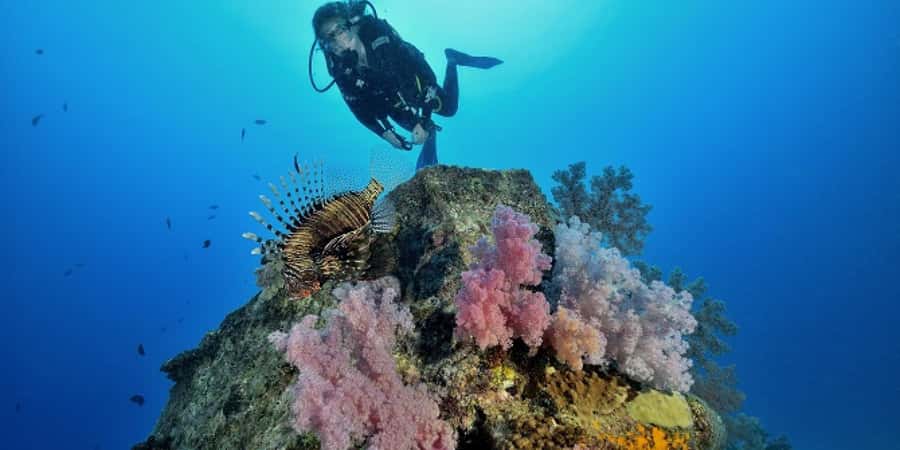
The shallow-water practice is where you learn how the system works. In plain terms, you’re training your body and mind to coordinate a few key actions—breathing, positioning, and using the gear properly—before you’re out where you can’t simply stand up and reset.
For many first-timers, this is the “make or break” part. If you feel rushed here, you’ll carry that tension into the open water. The best part of this plan is that it gives you a runway: you learn skills first, then you go forward once you’ve practiced them enough to feel steady.
My advice: treat the shallow-water phase like your main event. The more calm you are there, the more enjoyable your underwater time becomes later.
Open-water time on Mauritius’ north coast: what you’re likely to see
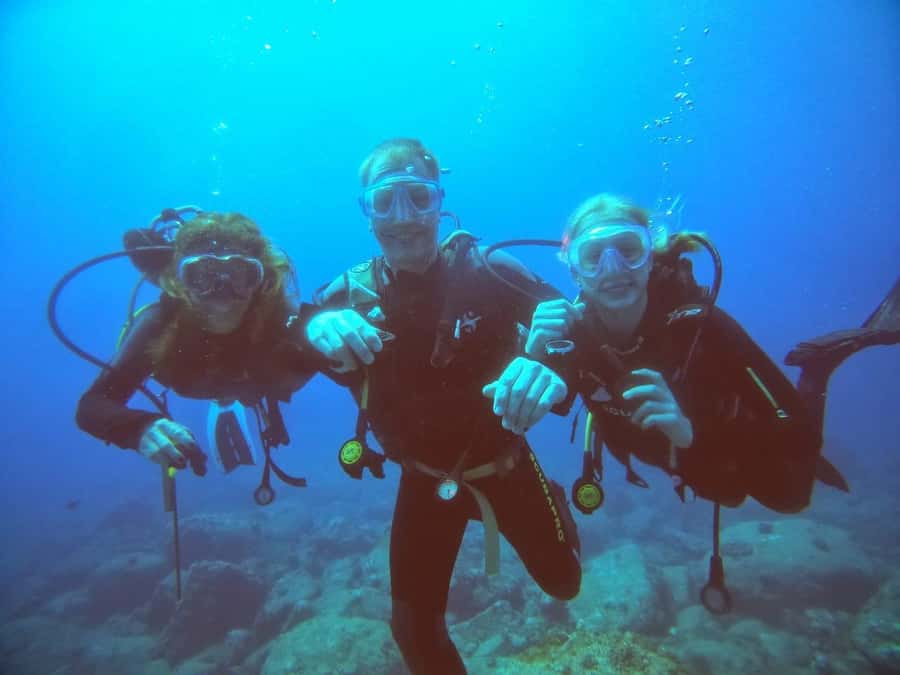
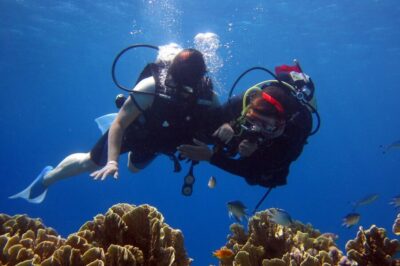
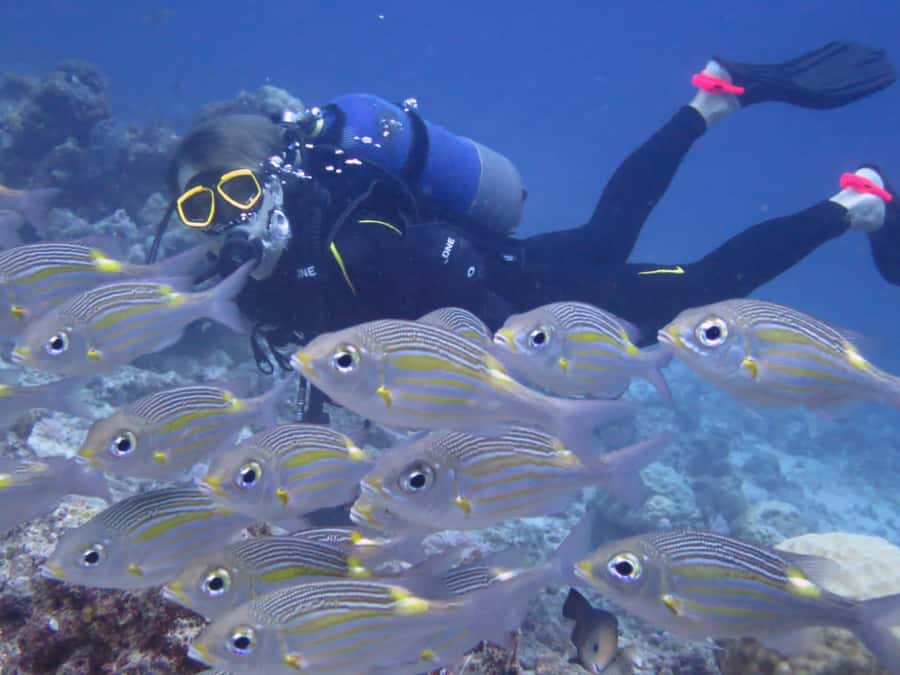
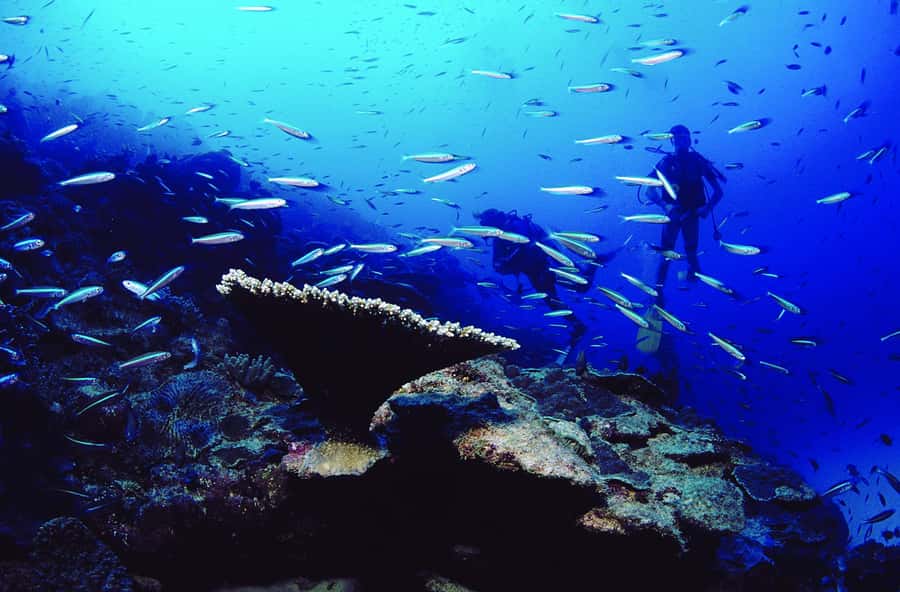
After practice, you move into a supervised open-water session. This is where the north coast reputation shows up: clear water, warm temperatures, and lots to look at.
You can expect underwater sights that include:
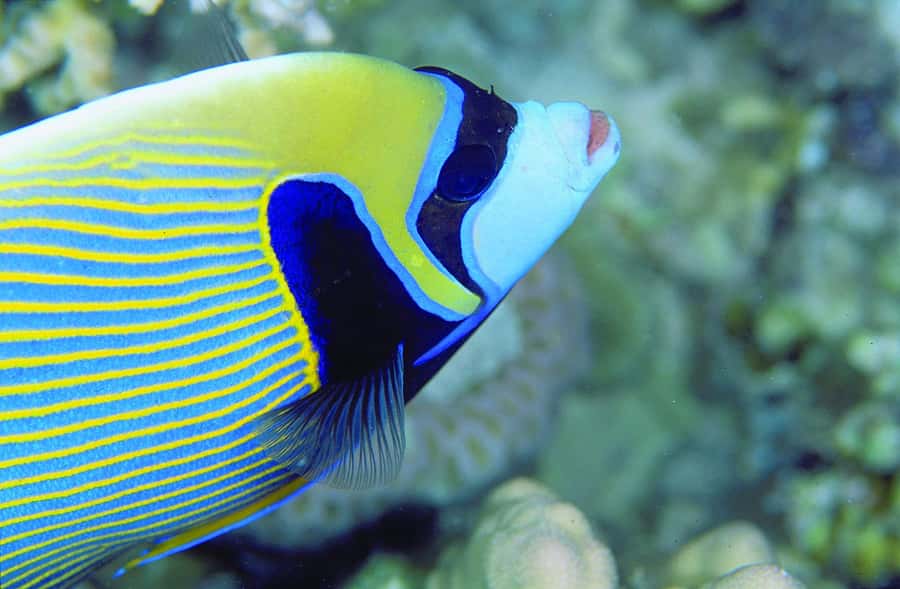
- Colorful coral
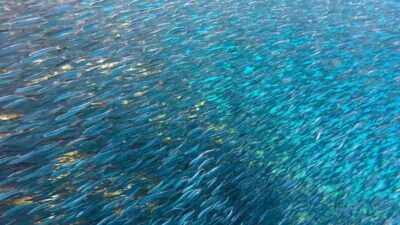
- Marine life worth noticing close-up
- 18th-century shipwrecks
Shipwrecks change the underwater mood. Coral tends to spread across living structures; wrecks often create a “scene” with nooks and edges where sea life gathers. Even if you only spend a short amount of time underwater here, wrecks can be visually memorable because they’re structured objects, not just open scenery.
Warm, clear water helps too. It makes buoyancy feel less stressful because visibility is good, and you can orient yourself visually rather than guessing where you are.
Price and value: is $159 per person a good deal?
At $159 per person for about two hours, the value depends on what you’d otherwise pay for yourself. What makes this price feel more reasonable is that it includes the heavy-ticket items for a first-timer:
- Intro instruction
- All necessary scuba equipment
- Expert guides/instructors
- Mineral water
What’s not included is also important:
- Food
- Transfers
So, the “true cost” for most people is really: $159 plus whatever you spend for food and getting to the meeting point. The meeting point is clearly stated: Le Meridien Ile Maurice, Pointe aux Piments. If you’re already near there, the price feels even better. If you need extra transport, budget for it so you don’t end up paying more than you expected.
My take: this is good value if you’re first-timing scuba and want equipment and instruction bundled. It’s less of a bargain if you already have gear, because the price is strongly tied to the guided, supervised learning component.
Where to meet and how to plan your day around it
The meeting point is Le Meridien Ile Maurice at Pointe aux Piments. Plan to arrive with enough time to check in, get sorted, and handle any paperwork without rushing.
Duration is listed as 2 hours, and the start times depend on availability. That short timeline can be a win if you’re building a tight island plan. It also means you’ll want to eat and hydrate in advance (especially since food isn’t included).
What to bring (and what to leave behind)
This is one of those activities where packing wrong can make your experience worse. Bring practical items that match the water-and-camera reality.
Bring:
- Change of clothes
- Towel
- Camera (if you want photos)
- Snacks
- Sunscreen
Not allowed:
- Luggage or large bags
My advice: bring only what you truly need. A change of clothes and a small bag for essentials beats trying to manage bigger luggage around the check-in process.
Also, since you’ll be in the water and in the sun, sunscreen is not optional. If you do skip it, you’ll feel it afterward.
Safety rules and paperwork you can’t skip
You’ll need to complete necessary medical and liability release forms before participating in any water activity. That’s standard, but it’s worth treating as a real step—not something to ignore until the last minute.
The participation guidelines say:
- Anyone 10 years or older in good physical health may participate.
- For safe diving, boats have medical kits and oxygen.
And there are clear restrictions:
- Not suitable for pregnant women
- Not suitable for people with mobility impairments
There’s also a note saying the activity is wheelchair accessible. At the same time, it’s listed as not suitable for mobility impairments. If you’re in that gray zone, don’t assume. Ask the provider directly before booking so you don’t waste time—or risk mismatched expectations.
Instructors who get it right: what the best feedback reveals
The most praised aspect across the reviews is how safe and supported people felt. One review praised the instructors and called the lessons reassuring and safe. Another highlighted that the dive master (the scuba leader) was especially attentive.
A standout detail: one review named Brian as the person who initiated and coached during the session, and described how he stayed professional throughout. That’s important because first-timers often need reassurance at two separate moments—during setup, and again once you’re under.
Another review mentioned Alain on the boat, plus a warm welcome on-site and strong listening to what they wanted. The combination—front-desk welcome, coaching under water, and a calm presence on the boat—is what turns “new experience” into a memory you actually want to repeat.
Timing, stress, and comfort: how to get the most from your session
For new scuba participants, your success is usually about comfort, not bravery. You’ll be learning breathing through equipment, keeping position steady, and managing your awareness in open water.
If you feel stress, that doesn’t mean you should quit. It means you should lean into the coaching. One review described a spouse who had serious stress about going underwater, but still chose to try thanks to the team’s welcome and Brian’s professionalism during the session. That tells you the staff can help you settle in—if you communicate your worries and follow instructions.
My practical checklist:
- Do the shallow practice calmly, even if it feels slow
- Tell your instructor if you feel uneasy
- Listen for cues and stick with them
- Use your camera plan. If you want photos, bring it and ask how to manage it safely with your gear
Who this is best for (and who should pick something else)
This is a strong fit if:
- You want a first-time scuba introduction
- You prefer close instruction and direct supervision
- You’re interested in the north coast’s coral and shipwreck underwater scenes
- You’d rather get equipment provided than shop or rent it separately
It may not be a good fit if:
- You’re pregnant
- You have mobility impairments that affect safe participation
- You’re not able to complete the medical and liability paperwork requirements
Age wise, it’s open to people 10+ who are in good physical health. That makes it more approachable for families than many adult-only activities—though you’ll still need to meet the medical and physical requirements.
Should you book this North Mauritius scuba intro?
If you want your first underwater experience to feel structured and safe, I’d book it. Two hours is short enough to stay manageable, but the flow—briefing, shallow-water skills, then supervised open-water time—gives you a real chance to enjoy the underwater sights rather than just “survive the setup.”
Book it if you like hands-on learning and you want equipment included. Don’t book it if you know you can’t meet the medical/safety requirements or if pregnancy or mobility limitations apply.
If you’re on the fence, ask one simple question before paying: how they handle first-timer nerves and how much time you’ll get in shallow practice. Based on the feedback and the training structure, that’s the area where this experience earns its excellent reputation.
FAQ
How long is the scuba introduction experience?
The duration is 2 hours.
What’s included in the price?
Included are the introduction to scuba, all necessary equipment, expert instructors/guides, and mineral water.
What’s not included?
Food and transfers are not included.
Where does the activity meet?
The meeting point is Le Meridien Ile Maurice, Pointe aux Piments, Mauritius.
Do I need prior scuba certification?
The experience includes an introduction to scuba and skill practice, and it’s offered for participants who are in good physical health and complete the required forms. Prior certification isn’t stated in the provided details.
What should I bring, and is there anything I can’t bring?
Bring a change of clothes, towel, camera, snacks, and sunscreen. Luggage or large bags are not allowed. You’ll also need to complete the required medical and liability release forms before participating.