REVIEW · SAINT LEU REUNION
One-hour introduction to scuba diving!
Book on GetYourGuide →Operated by SUB EXCELSUS · Bookable on GetYourGuide
In This Review
- One first-time scuba session in Réunion
- Key highlights that matter in real life
- The SSI Basic Diver setup: why it’s a smart first scuba try
- The 210 minutes: what you’ll do before you’re in the water
- What happens underwater (up to 6 meters in a natural setting)
- The instructor factor: safety and communication you can feel
- Equipment and what to bring (so the day stays easy)
- Price and value: is $160 fair for a beginner intro?
- Who this experience fits best (and who should skip it)
- Quick reality check: the underwater expectations
- Should you book this SSI Basic Diver intro in Réunion?
- FAQ
- How long is the SSI Basic Diver introduction?
- What is the price per person?
- What is the maximum depth for this experience?
- What’s included in the price?
- Do I need prior scuba experience?
- What languages are available with the instructor?
- What should I bring?
- Is this suitable for children?
- Who is it not suitable for?
One first-time scuba session in Réunion
Trying scuba gear for the first time can feel intimidating, but this SSI Basic Diver intro is built to make it calm and step-by-step. You get the core basics on breathing and safety, then a supervised underwater experience in a natural setting (up to 6 meters).
I especially like the emphasis on safety, from the center process through the water. I also like the way the instructors teach communication and ear equalization early, not as an afterthought.
One thing to consider: the total time is 210 minutes, so it’s more than a quick 60-minute taste. If you’re tight on schedule, plan for the full session.
Key highlights that matter in real life
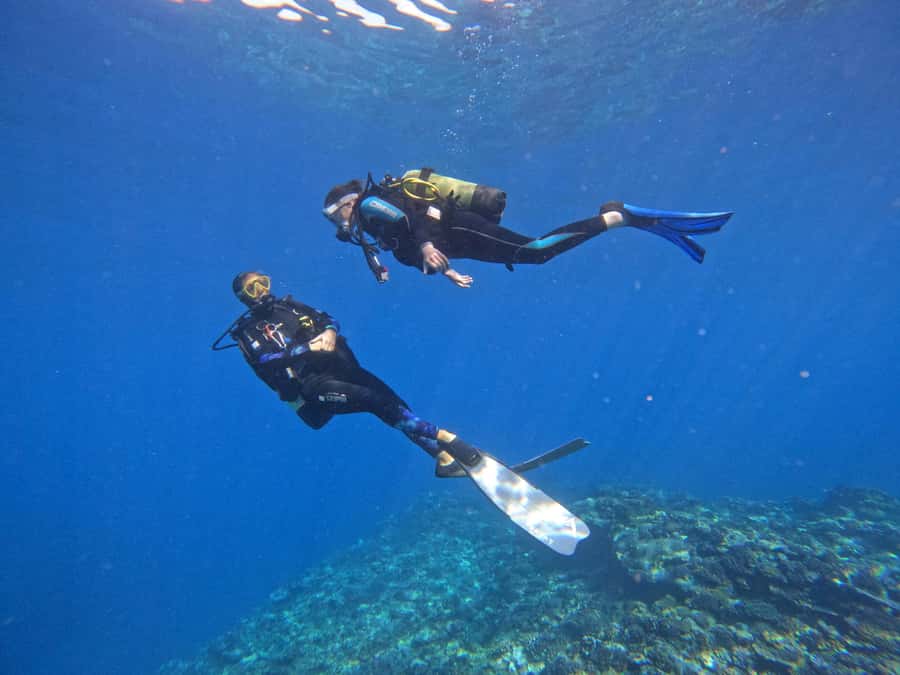
- Safety-focused coaching: clear instruction on what to do and how to behave underwater
- Structured skill prep: breathing technique, equalizing your ears, and simple hand signals
- Nature Reserve exploration: you’re working in a natural environment, not a closed-off setup
- Equipment included: you don’t have to source or figure out gear first
- Good instructor vibes: the teaching gets praised for patience and clear communication
The SSI Basic Diver setup: why it’s a smart first scuba try
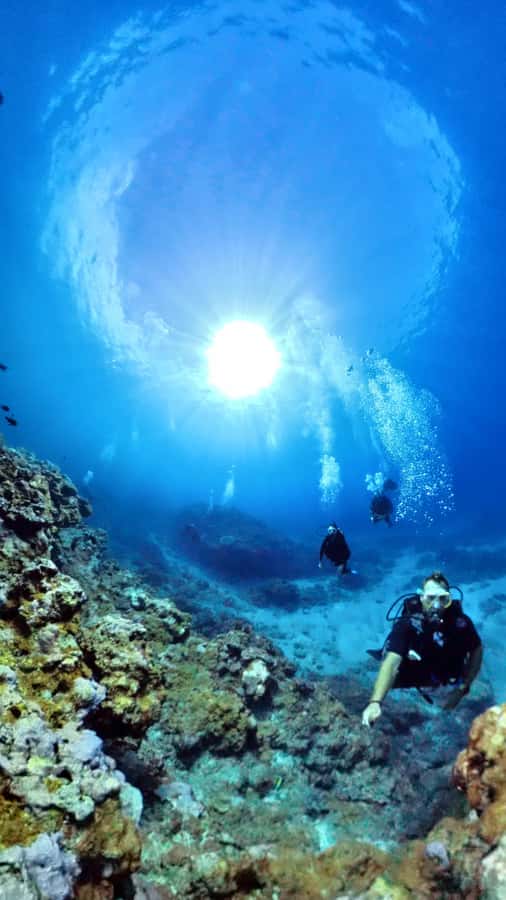
If you’ve ever watched people in scuba gear and thought, That looks cool, but I’d panic—this is the kind of intro that’s trying to prevent that panic. The format is made for beginners: you’ll learn the essential theory basics and then do a supervised underwater session in a natural environment, up to 6 meters.
In plain terms, you’re not just handed a tank and wished luck. You get a guided process with real teaching time. That matters because first-timers usually struggle with three things: breathing through the regulator, feeling comfortable with buoyancy and body position, and handling ear pressure changes. This experience is explicitly designed around those points.
Also, Réunion’s underwater life can be spectacular for small moments. The description includes multicolored tropical fish, pelagic fish, rays, turtles, crustaceans, and even marine mammals—so you’re not just training your body, you’re also going to look around.
One more practical bonus: this session is listed as included as part of an OPEN WATER SSI training entry within 6 months. If you think you might want to keep going after your first experience, it’s a nicer on-ramp than starting from zero later.
The 210 minutes: what you’ll do before you’re in the water
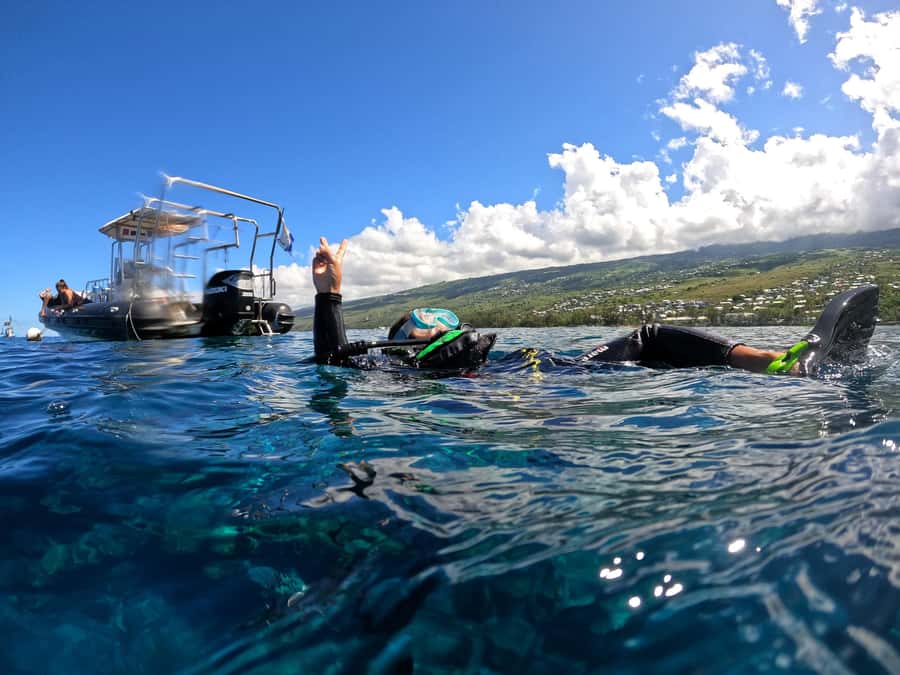
Even though the headline is a one-hour introduction, the full duration is 210 minutes. That extra time is usually where beginners win or lose the experience. You’ll use that time to get ready properly: equipment handling, the safety briefing, and the basics you’ll practice during the supervised water time.
Here’s what to expect before you go underwater:
1) Instructor briefing on the fundamentals
You’ll review how breathing underwater works, how the regulator system relates to the scuba equipment, and what you need to remember for safety. The key idea is that you learn the equipment logic, not just the steps.
2) Ear equalization training (before pressure becomes a problem)
Equalizing your ears is one of the most common beginner issues. You’ll be taught the basics so you know what to do when pressure starts to change.
3) Equipment basics and how it works
You’ll learn what your equipment is made of and how it works. That can sound technical, but it usually turns into reassurance: you understand what’s connected to what, and you’re not guessing underwater.
4) Simple underwater communication signs
You’ll learn basic communication signs. That is hugely calming for first-timers. If you can communicate clearly, you feel less at the mercy of random situations.
5) Safety instructions and behavior expectations
You’ll get behavior and safety guidance underwater. For beginners, that includes things like what not to do and how to move and respond when you feel off.
If you’ve done an intro experience already, great—this still helps you build confidence. If you haven’t, you can still do this. It’s recommended, but not required, to have a first introductory experience beforehand.
What happens underwater (up to 6 meters in a natural setting)
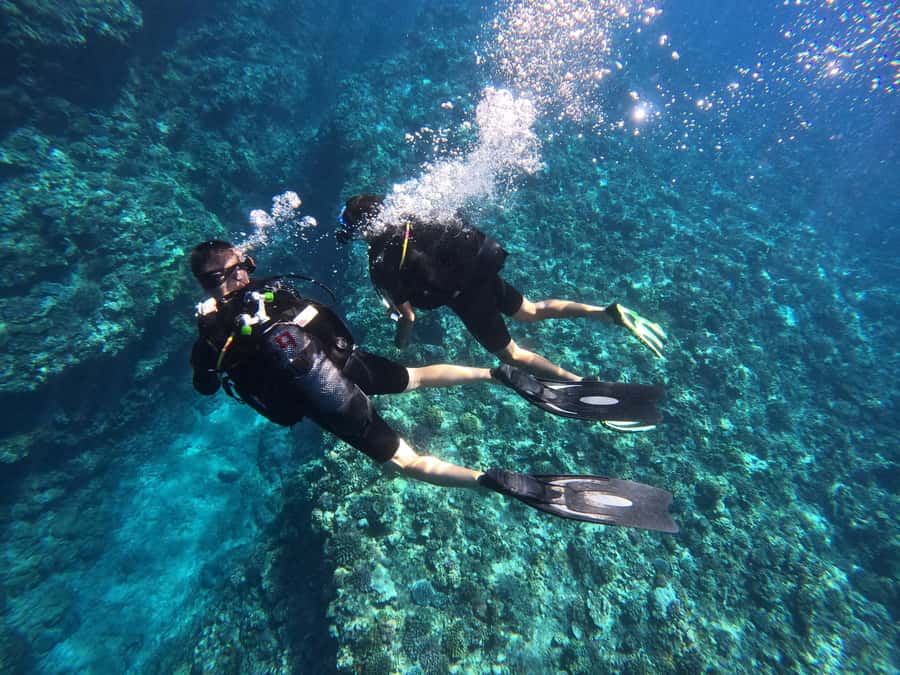
Once you’re suited up and the briefing is done, the underwater part is where the learning becomes real. You’ll be supervised and guided, and the experience is set with a maximum depth of up to 6 meters.
At this point, you’re focused on two tracks at the same time:
Track A: applying the basics
Breathing technique, staying calm, and equalizing your ears when needed. The goal isn’t speed or performance. It’s steady control and comfort.
Track B: seeing animals without ruining your concentration
The natural environment matters because it keeps things interesting. The underwater world you’re looking for can include rays, turtles, pelagic fish, crustaceans, and other marine life. You’ll likely see multicolored tropical fish too—those are often the easiest to notice when you’re learning buoyancy and trim.
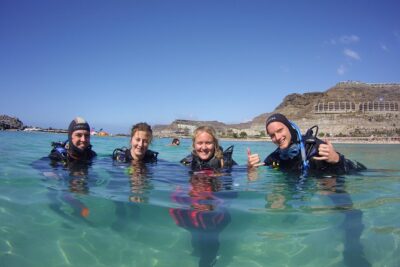
One detail I find important: you’re learning with a partner or with a group, depending on how you book. That changes the vibe. With a partner, you can check each other’s signals and stay calmer. In a group, you follow your instructor’s rhythm and watch for how others handle the first sensations.
The instructor factor: safety and communication you can feel
The biggest “value clue” in the reviews is instructor quality. The course is sold as safety-first, but the real proof is how people describe the teaching style.
One verified booking specifically thanks Laurent for the discovery, calling the team top and the experience a dream realized. Another reviewer highlights a monitor who was extremely attentive and communicated well both on the boat and underwater. That same review also notes Laurent helped them reach 10 meters despite ear fragility.
Now, the program description lists a max depth of 6 meters, so you should treat that 10-meter moment as outcome-dependent. In other words: your depth will follow your comfort and the instructor’s plan. Still, it tells you something useful—this team appears to take individual needs seriously, especially around ear issues.
For your decision-making, here’s what you should look for in the instructor approach (and you can reasonably expect it here):
- Clear explanation on the surface before anything scary happens
- Patience during repeated practice (breathing, equalizing, signals)
- Consistent communication so you’re not guessing underwater
That last part is underrated. When you know what a signal means, you feel more in control, and your body relaxes. Relaxation improves breathing. Better breathing improves the whole experience. It’s a chain.
Equipment and what to bring (so the day stays easy)
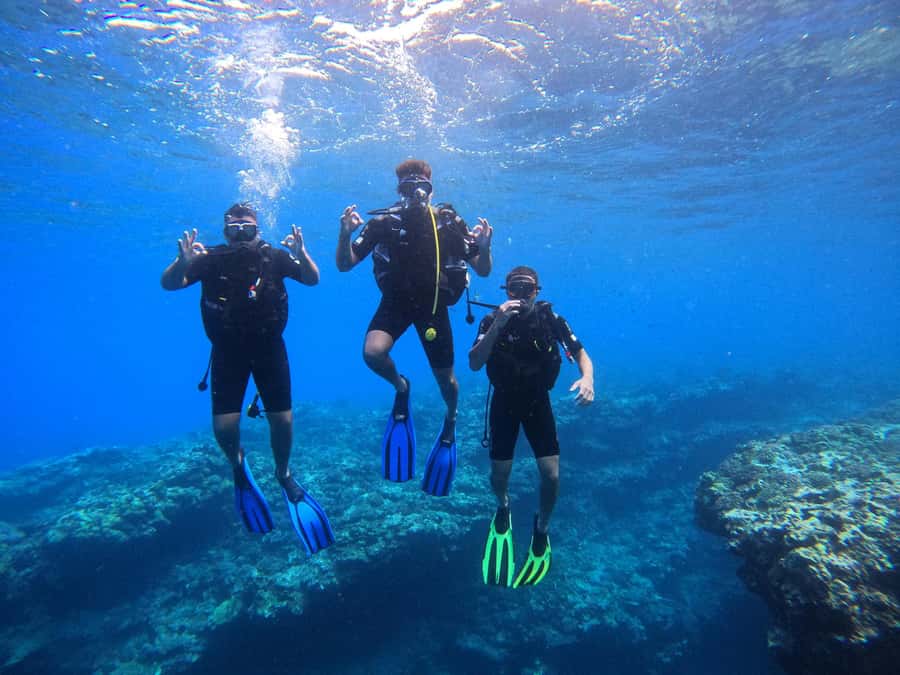
The experience includes equipment and instructor supervision, which is a big deal for beginners. You avoid the usual frustration of trying to rent gear, get the sizing right, and learn how it all works while you’re also trying to calm your nerves.
What you should bring is simple:
- Towel
- Beachwear
That’s it from the provided info. Keep it light. You want to move easily and change quickly if needed.
A practical tip: bring a towel you actually don’t mind using. You’re dealing with wet gear, rinsing, and the kind of salt-and-splash day where you’ll be glad you didn’t pack your best linen towel.
Price and value: is $160 fair for a beginner intro?
At $160 per person for an approximately 210-minute experience, you’re paying for three things:
1) An instructor-led teaching session
2) Equipment included
3) Supervised underwater time in a natural environment (up to 6 meters)
Compared to DIY rentals, it’s a better deal because your cost isn’t just the gear—it’s the time and coaching. The reviews also point to patient instruction and good communication, which is exactly what you’d hope you’re buying.
If your goal is to “try scuba” once and see if you like it, this is a clean entry point. If your goal is to eventually complete SSI OPEN WATER training, this session is listed as part of an entry within 6 months, which can reduce friction later.
The main value trade-off is time: you’ll spend the better part of the afternoon, not just a quick hour. If you’re planning activities back-to-back, build in breathing room.
Who this experience fits best (and who should skip it)
This SSI Basic Diver intro is aimed at beginners, and it’s designed for people who want to dive with a partner or with a group. It’s also suited for couples, family groups, or friends looking for a shared challenge with structured instruction.
It’s not suitable for:
- Children under 8
- Pregnant women
- People with respiratory issues
- People with epilepsy
- People with a cold
- People with recent surgeries
If any of those apply, don’t push it. Scuba is not a “tough it out” activity.
If you have ear fragility, you’ll want to pay attention to how the instruction handles equalization. One verified booking specifically praised the instructor for helping them manage ear concerns. Still, your body decides. Expect coaching to help, but don’t assume you’ll automatically reach the same depth as someone else.
Quick reality check: the underwater expectations
The description paints a strong picture of marine life: tropical fish, pelagic fish, rays, turtles, crustaceans, and marine mammals. Here’s the honest way to think about that as a beginner:
- You’ll likely see plenty of fish and interesting shapes
- Big animals like turtles and rays may show up depending on conditions and time
- The point of the experience isn’t to guarantee every animal; it’s to help you feel safe while you look
Your main job underwater is not to hunt for wildlife. It’s to manage breathing, buoyancy, and signals so you can enjoy what’s around you.
Should you book this SSI Basic Diver intro in Réunion?
I’d book it if:
- You want a structured beginner course with safety and teaching built in
- You prefer an instructor-led experience where communication and equalization are taught early
- You like the idea of seeing real marine life in a natural setting, up to 6 meters
- You might continue toward SSI OPEN WATER within 6 months
I’d hesitate or look for alternatives if:
- You don’t have a flexible half-day (210 minutes is the real time commitment)
- Any of the listed medical limitations apply
- You’re looking for something fully independent. This is supervised coaching, and that’s the point.
Bottom line: this is one of those experiences that turns a scary idea into a manageable skill. If you show up ready to learn, you’ll likely leave feeling proud—and maybe already thinking about the next step.
FAQ
How long is the SSI Basic Diver introduction?
The duration is listed as 210 minutes.
What is the price per person?
The price is $160 per person.
What is the maximum depth for this experience?
The supervised underwater session is up to 6 meters.
What’s included in the price?
Equipment and supervision by an instructor are included.
Do I need prior scuba experience?
An initial introductory experience is recommended but not required.
What languages are available with the instructor?
Instructors are listed as French and English.
What should I bring?
Bring a towel and beachwear.
Is this suitable for children?
It is not suitable for children under 8 years old.
Who is it not suitable for?
It’s not suitable for pregnant women, people with respiratory issues, people with epilepsy, people with a cold, and people with recent surgeries.