REVIEW · TENERIFE
Discover Scuba Diving with two dives in the Ocean in Tenerife with Transfers
Book on Viator →Operated by GooDiving · Bookable on Viator
Saltwater education, no guesswork. This Tenerife experience builds scuba skills with two ocean training sessions under a PADI professional, plus round-trip hotel transfers so your day stays easy to manage.
What I like most is the way the course moves step-by-step: you start with pool skill practice, then you go into open water once you’re ready. I also appreciate the practical extras baked in, like full equipment, scuba insurance, and snacks, so you’re not scrambling for rentals or paperwork.
One thing to consider: you’ll need to pass a medical questionnaire before you get in the water, and you’re required to bring your own bottled water. If you’re traveling right after flying, there’s also a caution around going too soon after your flight.
In This Review
- Key Highlights to Know Before You Go
- Tenerife’s Coast Works Well for First-Time Scuba Certification
- A 6-Hour Day That Fits Into Vacation Time
- Meeting Point and Transfers: Where Comfort Starts
- Pool Practice First: The Confidence Checkpoint
- Two Ocean Training Sessions: What You’ll Do and See
- Gear, Insurance, and Snacks: The Value You Feel Mid-Day
- Price and Value: Is $288.70 Worth It?
- Medical Questionnaire and Other Rules You Should Not Ignore
- Who This Is Best For (and Who Should Pause)
- Should You Book This Tenerife Scuba Course?
- FAQ
- How long is the scuba certification experience in Tenerife?
- Do I need any prior scuba experience?
- Is the course offered in English?
- What’s included in the price?
- Are photos included?
- What are the minimum age and physical requirements?
- Do I need to fill out a medical questionnaire?
- Is transportation included, and where do I meet?
Key Highlights to Know Before You Go
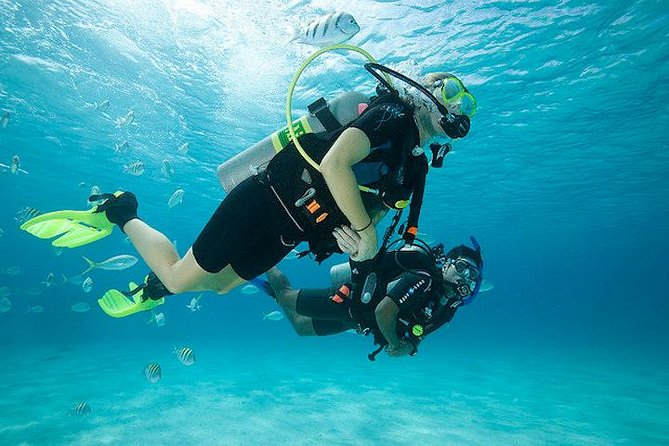
- Small group size (max 8) means you get more direct attention and fewer people to wait on
- Pool-to-ocean progression helps you build confidence before you’re off in the sea
- Instruction from the team includes clear coaching and quick tips during the session (Andrea and Roberta are frequently mentioned)
- Real marine-life encounters are part of the point, from turtles to octopus, depending on conditions and your route
- Transfers included so you spend less time navigating and more time learning
- Photos not included by default, though they may be available for purchase
Tenerife’s Coast Works Well for First-Time Scuba Certification
Tenerife is a strong choice for learning scuba because you’re not only studying theory. You’re also moving through a real underwater environment with reefs and marine life that can be seen even during a training-style day.
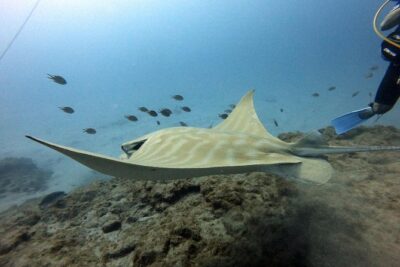
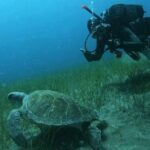
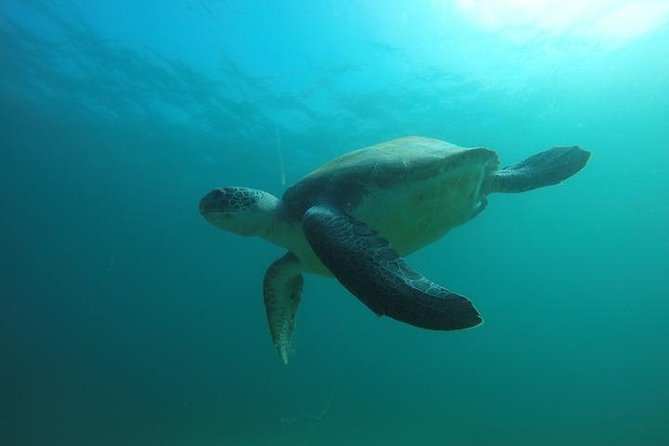
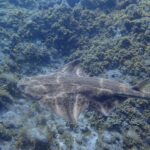
In the experiences shared by others, the kinds of animals they were guided to spot include turtles, sharks, pufferfish, octopus, and parrotfish. That matters because your first goal shouldn’t be depth records. It should be learning how to breathe calmly, control your gear, and enjoy what’s around you.
Also, the training can be flexible with site choice. One person described going to Las Eras, while another noted a trip to the north of Tenerife. The takeaway for you is simple: you’re not stuck doing one single “generic” route. The school adjusts based on what’s workable that day.
You can also read our reviews of more tours and experiences in Tenerife.
A 6-Hour Day That Fits Into Vacation Time
This experience runs about 6 hours. That’s a useful length because it’s long enough to do real skill building, but short enough that you can still enjoy the rest of your Tenerife day afterward.
It’s offered in English, and you’ll get a straightforward explanation before you start using the equipment. The day is built around two main phases: pool training, then two ocean training sessions where you apply what you practiced.
The small group limit of up to 8 travelers also shapes the feel. Fewer people means more time for the instructor to check your breathing, buoyancy control, and comfort level, instead of rushing everyone through the same checklist.
Meeting Point and Transfers: Where Comfort Starts
The meeting point is at Urb Terrazas de la Paz, 113 Av de Jose Miguel Galvan Bello, Arona, 38639 Golf del Sur, Santa Cruz de Tenerife, Spain. The activity ends back at the same meeting point, and the experience includes round-trip transportation from your hotel.
That “door-to-coast” setup is a big deal when you’re on vacation. You don’t have to line up taxis, figure out parking, or worry about being late while you’re still learning how the local area works.
If you’re planning your day around this, aim to be ready at pickup time. Even with transfers included, you’ll want your swimwear and essentials sorted so you don’t waste time once you arrive.
Pool Practice First: The Confidence Checkpoint
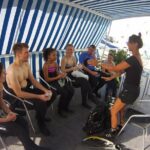
Before you go into open water, the plan is simple and smart: you’ll get an explanation of the basics, then practice with scuba equipment in the pool. That pool phase is where you learn the skills that keep everything calm later.
In the experiences described, instructors like Roberta and Andrea are repeatedly praised for being patient and for giving tips you can use immediately. People described feeling comfortable fast, not like they were just being handed gear and told to figure it out.
This is also where you test whether you can stay relaxed in the equipment. If you get tense, instructors can slow you down and coach you through the feeling. If you’re doing fine, they’ll help you move toward more control.
One more practical point: pool training is usually the moment you find out what you personally need. For some people, it’s learning how to manage breathing comfortably. For others, it’s getting used to how the regulator feels, or how to handle your buoyancy.
Two Ocean Training Sessions: What You’ll Do and See
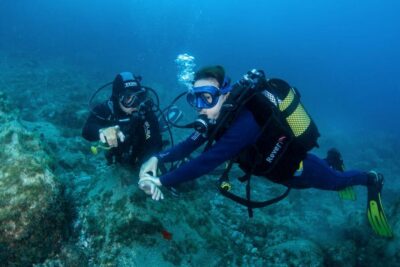
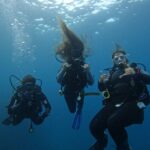
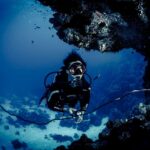
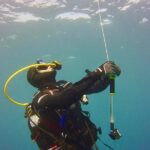
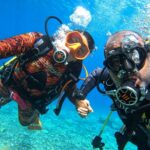
Once you’re comfortable in the pool, you head out for two ocean training sessions. The whole idea is supervised practice in the real environment, with an instructor guiding you through what to do and what to watch for.
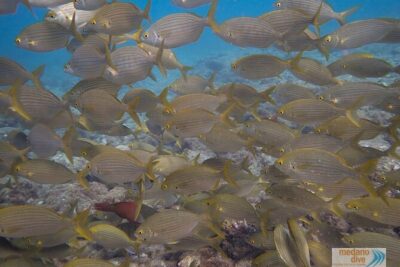
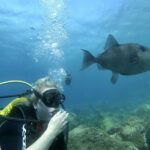
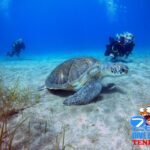
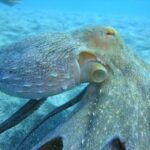
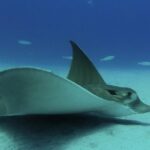
Marine life is part of the payoff. In the reports you provided, people mention seeing turtles, sharks, pufferfish, octopus, parrotfish, and lots of reef fish. Even when visibility or movement in the sea changes, your guides help you focus on what you can observe safely.
Depth is handled based on training level and comfort. One first-timer described reaching around 12 meters, and another experience later extended to about 18 meters once skills were solid. Don’t treat those numbers as guarantees. Treat them as examples of the range instructors can work within as your ability grows during the day.
You’ll also get coaching that’s not just technical. One person described teaching additional skills like backroll in the open water phase. That’s not necessarily what every participant will do, but it shows the school’s willingness to work on real control and technique when you’re ready.
Gear, Insurance, and Snacks: The Value You Feel Mid-Day
This experience includes the use of scuba equipment plus scuba insurance. It also includes snacks.
That combination matters because it removes three common vacation headaches:
- Equipment rental logistics
- Extra cost after you arrive
- Uncertainty about coverage
With the gear included, you can focus on learning instead of thinking about fit, sizing, or whether you picked the right package. And with insurance included, you’re less likely to end up with last-minute questions about what’s covered.
The requirement to bring your own bottled water is one small extra you should plan for. Bring a bottle that’s easy to carry and won’t leak in your bag. It’s one of those details that makes the day smoother.
Price and Value: Is $288.70 Worth It?
At $288.70 per person, this isn’t a budget activity, but it also isn’t just a quick sightseeing stop. You’re paying for a full training structure that includes:
- A progression from basics to pool practice
- Two ocean training sessions under professional supervision
- All equipment
- Scuba insurance
- Snacks
- Round-trip hotel transfers
- A maximum group size of 8
If you’ve priced these things separately while traveling, the value often comes from not having to stitch together multiple suppliers. Equipment rental plus local transport plus insurance tends to add up fast, especially when the schedule is tight.
What’s not included is also clear: pictures may be available for purchase. So if you want photo memories, assume you’ll pay extra later. That doesn’t make it bad value; it just helps you plan.
Medical Questionnaire and Other Rules You Should Not Ignore
Everyone has to complete a medical questionnaire before scuba training. Some pre-existing conditions, such as asthma or heart conditions, may prevent you from diving or participating. The safe approach is to talk with your doctor early if you have any health concerns.
There’s also a caution about flying timing: underwater training within 12 hours of flying isn’t recommended. If you’re landing late and trying to do this early the next day, you should reconsider your schedule.
You’ll also need a current valid passport on the day of travel. That’s worth remembering because even within Spain, you still want to have the right ID ready for the activity.
For physical readiness, the experience says you should have moderate physical fitness. That doesn’t mean you need to be an athlete. It does mean you should be comfortable with being in water, handling your equipment, and moving calmly during instruction.
One more rule: you must be at least 8 years old to participate. That opens the door for families, but still expect a careful, coached environment based on age and comfort.
Who This Is Best For (and Who Should Pause)
This experience is a strong match if you want guided scuba certification with structure. It’s especially good for:
- First-timers who want pool training before open water
- People who benefit from calm coaching and clear, repeated tips
- Couples or small groups who want to learn together without feeling lost
- Families with children age 8+ who can follow instructions and manage calm participation
It may not be the best fit if:
- You’re not able to complete the medical questionnaire requirements
- You’re dealing with health constraints that need doctor clearance
- You’re traveling with a tight flight schedule that puts you within the 12-hour caution window
- You want a long, advanced tech training day rather than a structured certification-style experience
If you’re unsure, it’s worth contacting the operator before booking with your questions, especially around medical history and comfort level.
Should You Book This Tenerife Scuba Course?
I’d book this if your goal is a well-run first scuba certification day with two supervised ocean sessions, full gear, insurance, snacks, and transfers that remove logistics stress. The small group size and the coaching style (names like Andrea and Roberta come up often) are exactly what you want when you’re learning to feel confident underwater.
Skip it or rethink timing if you can’t meet the medical requirements, you’re traveling soon after flying, or you’re expecting photo coverage to be included. Also, go in with the right mindset: the best day isn’t the deepest day. It’s the one where you breathe steadily, learn what matters, and leave feeling proud of the skills you gained.
FAQ
How long is the scuba certification experience in Tenerife?
It’s about 6 hours.
Do I need any prior scuba experience?
You start with a basic explanation and pool practice with the equipment before going into the ocean, so prior experience is not required in order to begin.
Is the course offered in English?
Yes, it’s offered in English.
What’s included in the price?
Equipment use, scuba insurance, and snacks are included. Transfers from and back to your hotel are also included.
Are photos included?
Photos are not included, though they may be available for purchase.
What are the minimum age and physical requirements?
You must be at least 8 years old, and participants should have moderate physical fitness.
Do I need to fill out a medical questionnaire?
Yes. Every participant must complete a medical questionnaire prior to scuba training, and some conditions may prevent participation.
Is transportation included, and where do I meet?
The experience includes round-trip transportation from your hotel, and it begins at the listed meeting point in Golf del Sur (Arona) and ends back at that meeting point.