REVIEW · CRETE
Try Scuba in Crete – Free Certification & Photos (Beginners)
Book on Viator →Operated by Chania Diving Center · Bookable on Viator
Your first breath underwater is surprisingly simple. This beginner-focused Try Scuba class in Crete pairs small-group attention with a first descent target around 9–10 meters, so you’re not guessing your way through anything. With an instructor right there the whole time, it’s built for people who want to try the real thing without any prior experience.
I especially like how practical the coaching is. You get clear steps from real pros (including instructors named Dimitri and Joana in past sessions), then you practice the key skills in calm water before moving on to exploring time.
One thing to consider: this experience is not recommended if you don’t know how to swim, and in some cases you may need doctors confirmation if you have a health issue. Also, good weather matters, so you’ll want flexibility in your schedule.
In This Review
- Key things that make this Try Scuba class worth your time
- Try Scuba in Chania: what makes the first-timer setup feel safe
- Price and timing: why $144.18 can be good value (if you’re the right fit)
- Pickup, meeting point, and how to avoid the most common timing headache
- What actually happens during your first underwater session (step by step)
- Skills, safety, and what to do if you feel panic jitters
- Gear, snacks, and the little comfort wins that make a difference
- Free underwater photos and the SSI Try Scuba recognition card
- Expectation check: sea life, visibility, and how to read “gorgeous water”
- Who this is best for (and who should rethink the plan)
- A simple value verdict: should you book Try Scuba in Crete?
- FAQ
- Do I need any scuba experience to take part?
- Will I get certified after this Try Scuba experience?
- How deep will I go?
- Are underwater photos included?
- Is pickup included, and where does it work?
- What’s included in the price?
- What should I bring?
- Who can participate?
- What happens if weather is bad?
Key things that make this Try Scuba class worth your time
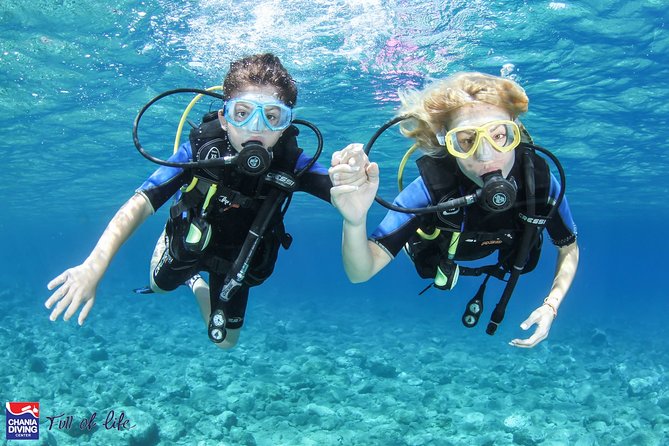
- A true beginner setup: you get a briefing, gear-up, and guided time with skills done in a safe zone
- First descent around 9–10 meters: you’re aiming for about 32 feet on your first underwater session
- Instructors stay close: small-group class size (max 15) and hands-on support show up in the reviews
- Free underwater photos: you leave with images of the experience, not just memories
- You get an SSI Try Scuba recognition card: it’s not the same as full scuba certification
- Pickup is flexible, with limits: pickup is offered from your accommodation, but not from several Cretan areas
Try Scuba in Chania: what makes the first-timer setup feel safe
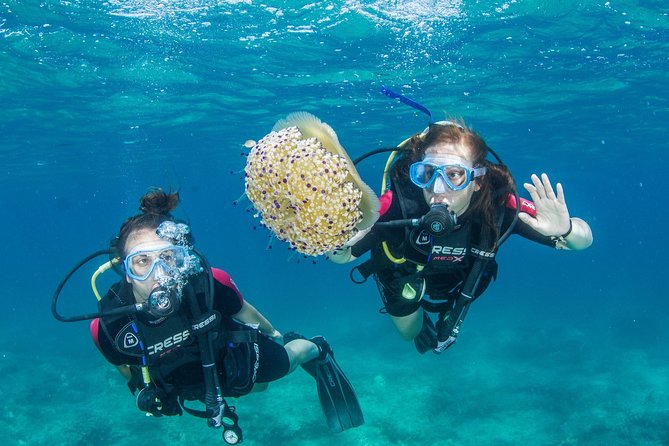
This is a classic “start here” program for anyone who’s curious about scuba but has never worn the gear. The point is simple: you learn the basics, get comfortable with how everything works, then spend a focused amount of time underwater in a controlled area.
What makes it feel different from the usual tourist demos is the way they teach. You’ll get a straightforward briefing first, then you’ll be kitted up and coached as you go into the water. Even if you feel nervous, the experience is designed so your instructor can guide you step by step.
There’s also a strong beginner mindset throughout. One review described the process as real and hands-on—no platform gimmick—plus the instructor stayed right beside them during key moments. That’s what you want on day one: reassurance plus competence.
You can also read our reviews of more tours and experiences in Crete.
Price and timing: why $144.18 can be good value (if you’re the right fit)
At $144.18 per person for about 3 hours, you’re paying for more than “a taste.” This price covers scuba equipment use, diving insurance, snacks, and an air-conditioned vehicle—plus all fees and taxes. That matters, because first-time scuba often turns into extra costs if you have to buy gear, pay for insurance, or arrange separate transfers.
You should also know what this time window is likely to include: pickup or meeting, briefing, getting suited up, time on the water for skills and underwater practice, and then time back to the meeting point. Some sessions also include extra water time afterward (like snorkeling), depending on the day’s plan—so I’d treat the 3-hour label as a realistic “whole outing,” not just a short splash.
Booking rhythm helps too. This is typically booked about 27 days in advance on average, so if you’re traveling in a busy stretch, plan to lock in your spot sooner rather than later.
Pickup, meeting point, and how to avoid the most common timing headache
The meeting point is Agiou Onoufriou 10b, Kounoupidiana 731 00, Greece. If you don’t have pickup, you’ll head there, and the activity ends back at the same meeting point.
If you do have pickup, the operator will collect you directly from your hotel, villa, or house. After booking, you share your exact accommodation location so they can plan the route.
Important limit: transfers are not offered from Rethymno, Georgioupolis, Heraklion, Elounda, or Agios Nikolaos. If you’re staying in one of those places, you’ll likely need to make your own way to the meeting point.
Practical tip: even with pickup, keep your phone handy the day of. One review noted pickup can run slightly late, but they were contacted with an update, and everything still worked out smoothly. A quick heads-up call beats a stressful wait.
What actually happens during your first underwater session (step by step)
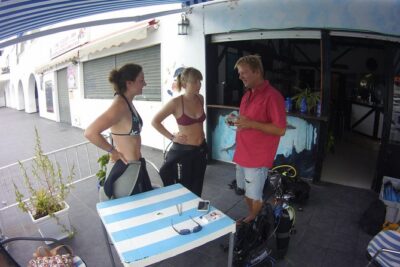
This program starts with a clear briefing. Expect them to explain the core skills and safety basics in a way you can understand fast. After that, you’ll gear up. The equipment is provided, and you’re guided by certified professionals, so you’re not left figuring out hoses, gauges, and masks on your own.
Then you head into a calm, safe area. The maximum depth is set for beginners—around 9–10 meters. One highlight mentions going down to about 32 feet on your first underwater time, which matches the “first descent” goal.
From there, your instructor leads the sequence:
- you step into your scuba gear and prepare with coaching
- you go down with support and control
- you do skills exercises on the seabed before moving into relaxed underwater time
In a past session, the group was asked to step backward off the boat in their gear, then assisted down by the instructor. That’s the sort of detail that can make or break confidence—so if you’re anxious about anything physical, tell the team early. The more you communicate, the more they can coach you with the right pace.
How long is the underwater portion? One review described about half an hour as the “just right” length for a beginner taster. Your exact timing can vary with the group and conditions, but the structure is built so you’re not exhausted before you enjoy the experience.
Skills, safety, and what to do if you feel panic jitters
Let’s talk nerves. First-time scuba (or first-time underwater time with equipment) can cause quick anxiety, even if you’re excited. That’s normal.
What helps is the way the program handles safety: you’re in a guided environment with a professional instructor right beside you at all times. In one review, the instructor was so close it was described as holding a hand much of the time. In another account, the guides were patient and informative, taking time to teach safety skills you’d need for the experience.
Here’s what to do if your mind starts racing:
- listen for the next instruction and ignore everything else
- focus on slow breathing and keeping your body relaxed
- ask for reassurance immediately—don’t wait until you’re already stressed
Also, this program uses a beginner-friendly setup. One of the “nice, calm area” goals is to reduce chaos. If the water is calm and the group stays small, it’s easier to think.
If you don’t swim comfortably, pause before booking. The program is not recommended for people who don’t know how to swim. If you can swim but aren’t athletic, you may still do fine—as long as you’re comfortable in water and follow instructor guidance.
Gear, snacks, and the little comfort wins that make a difference
This outing includes snacks, which sounds small until you realize how much energy first-time scuba can take—between travel, briefing, gearing up, and breathing practice. A snack makes the experience feel less like a workout and more like a planned adventure day.
Gear is provided, including scuba equipment. That’s a big value point for first-timers. You don’t have to rent masks and tanks elsewhere or worry about whether you’re getting the right size. You also won’t have to pack extra bulky items.
What you should bring:
- a swimsuit (not included)
- towels (not included)
What’s not included: alcoholic beverages. The focus here is on the experience and comfort, not turning it into a party day.
Free underwater photos and the SSI Try Scuba recognition card
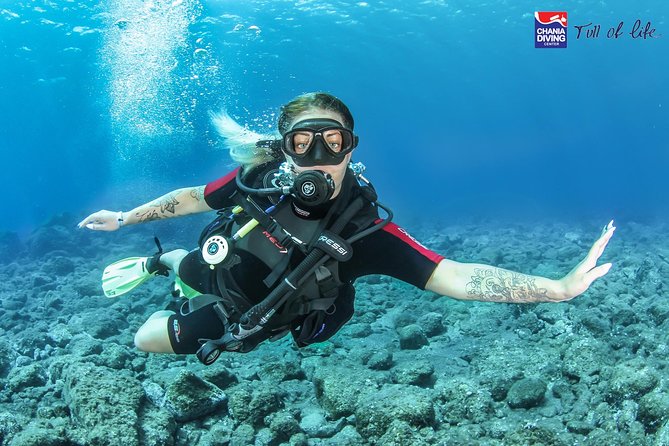
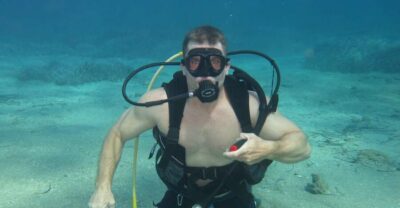
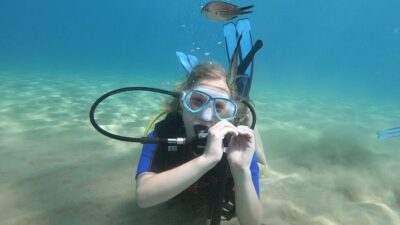
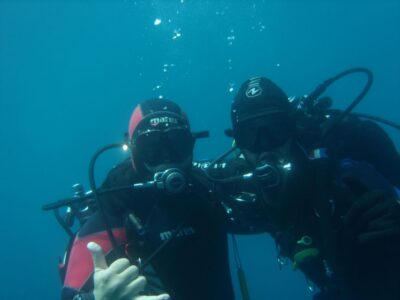
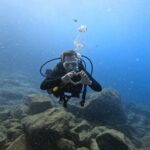
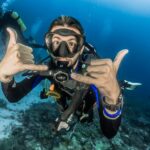
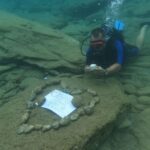
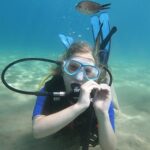
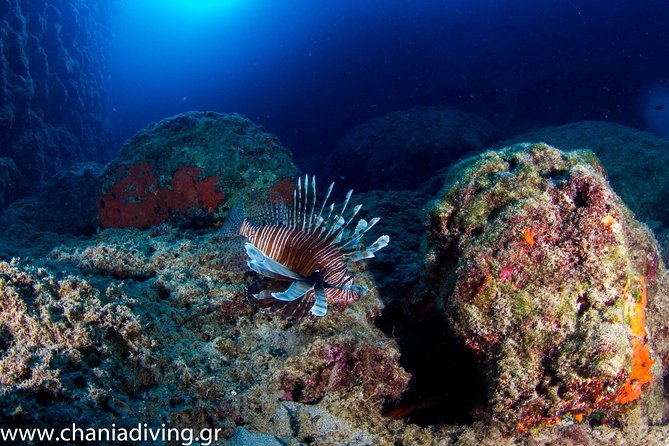
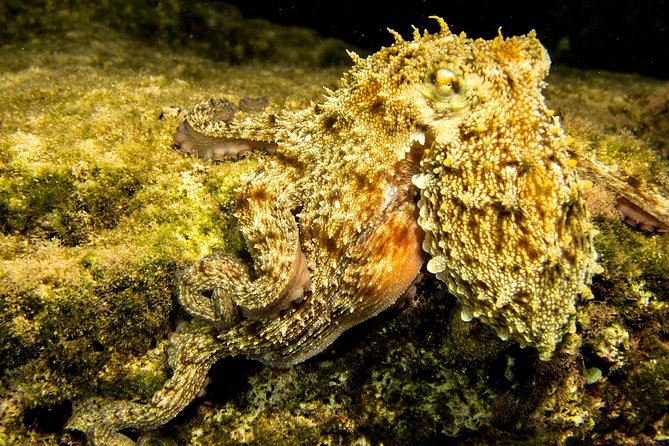
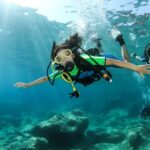
One of the best perks is free underwater photos. For a lot of people, the hardest part of a first underwater session is that it all happens fast: you’re focused on skills, breathing, and safety. Photos help you slow down later and remember what the water looked like through a camera lens.
You also receive an official SSI Try Scuba recognition card. That’s not the same thing as scuba certification, but it’s a real acknowledgment of your first successful experience with the Try Scuba format.
Important note: some folks assume a first-timer session is a shortcut to full certification. One review clarified that you don’t get certification from this short program—you get recognition for Try Scuba, and full certification requires the complete multi-day training and passing the test.
So, if your goal is actual certification, plan for the longer course. If your goal is to see whether scuba fits your life, this Try Scuba card and photos are a perfect first step.
Expectation check: sea life, visibility, and how to read “gorgeous water”
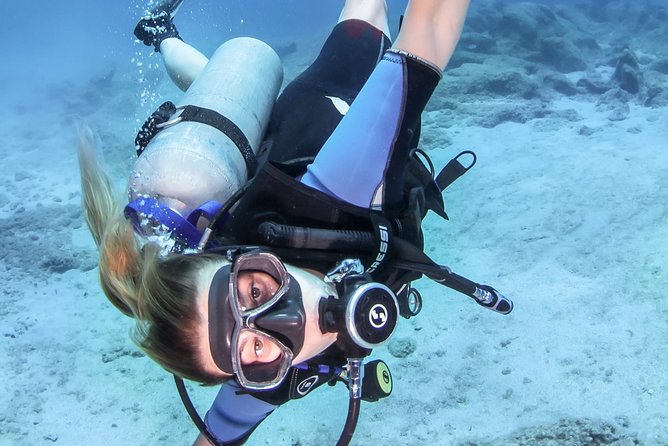
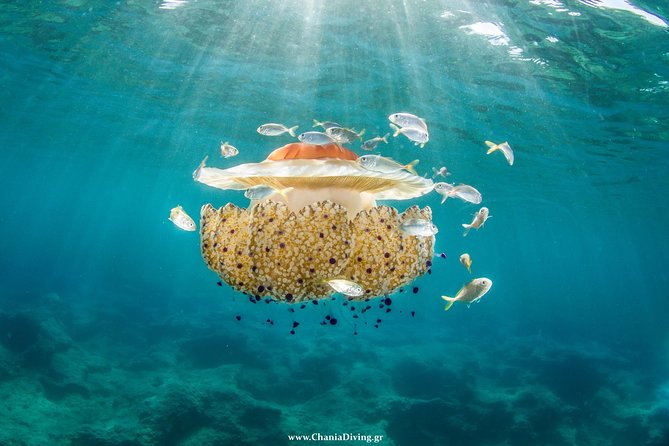
You’re in Crete, so you’re likely to see clear water and beautiful coastlines from the boat and nearshore spots. In one October experience, the water was described as clear and warm, and the dive location was called gorgeous.
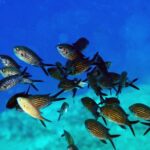
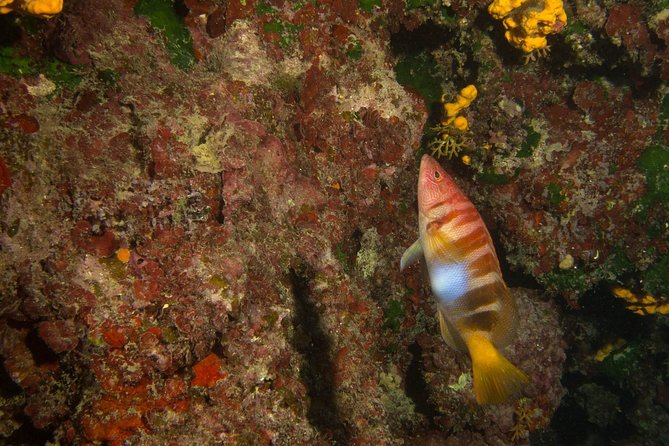
Still, underwater visibility and sea life can vary. One family wished they’d seen more sea life, which tells you to calibrate expectations: you’re paying for the skill-building and the experience of being underwater—not a guaranteed aquarium tour.
The good news is the program keeps the focus where beginners need it: you’re in a controlled depth range, working through skills at manageable time lengths, and staying close to your instructor. That makes the experience more about confidence and comfort than about spotting every fish species.
Who this is best for (and who should rethink the plan)
This fits best if you’re:
- a total beginner who wants a guided first underwater experience
- comfortable following instructions and staying close to your instructor
- traveling with friends, couples, or family (the program runs with a maximum of 15 people)
- excited by getting free underwater photos and an SSI recognition card
It may not be your best match if you:
- don’t know how to swim (not recommended)
- have health concerns and aren’t willing to share details with the team
- need transfers from Rethymno, Georgioupolis, Heraklion, Elounda, or Agios Nikolaos, since those are not offered
If you have any health issue, let them know. The program notes that doctors confirmation may be needed in some cases, which is smart. This is a safety-first activity.
A simple value verdict: should you book Try Scuba in Crete?
I think you should book this Try Scuba class if you want a real beginner course with strong support, not a gimmick. The small-group feel, the guided skills at a beginner depth, the free underwater photos, and the SSI Try Scuba recognition card add up to more than a quick novelty. Also, the included scuba equipment and diving insurance help protect your budget on day one.
I’d hesitate if swimming is the weak point for you. The “not recommended for people who do not know how to swim” line is clear, and your best experience comes when you can focus on breathing and learning—not worry.
If you’re somewhere between curious and nervous, this is a good match. The coaching approach described in past sessions—patient instructions, close instructor support, and hands-on safety skills—should help you get your bearings fast.
FAQ
Do I need any scuba experience to take part?
No. This Try Scuba program is designed for beginners, with no certification or previous scuba experience required.
Will I get certified after this Try Scuba experience?
You will receive an official SSI Try Scuba recognition card, but this is not the same as full scuba certification. Full certification requires the full course and passing the test.
How deep will I go?
The maximum depth is around 9–10 meters, which is about 32 feet.
Are underwater photos included?
Yes. You get free underwater photos of your experience.
Is pickup included, and where does it work?
Pickup is offered from your hotel, villa, or house. Transfers are not offered from Rethymno, Georgioupolis, Heraklion, Elounda, or Agios Nikolaos. If you’re not picked up, the meeting point is Agiou Onoufriou 10b, Kounoupidiana.
What’s included in the price?
The price includes an air-conditioned vehicle, snacks, use of scuba equipment, all fees and taxes, and diving insurance.
What should I bring?
You should bring a swimsuit. Towels are not included.
Who can participate?
Most travelers can participate. However, it’s not recommended if you don’t know how to swim. If you have any health issue, you should let them know because doctors confirmation may be needed in some cases.
What happens if weather is bad?
This experience requires good weather. If it’s canceled due to poor weather, you’ll be offered a different date or a full refund.