REVIEW · CRETE
Crete Introductory Scuba Diving Experience
Book on Viator →Operated by Cretan Holidays · Bookable on Viator
Wading into scuba can feel easy. This half-day intro course in Crete mixes theory, pool skills, then a supervised open-water session with a real instructor. You can choose the area—around Heraklion, Chania, or Rethymno-Georgioupolis—and match it to where you’re staying.
What I really like is the clear step-by-step structure: learn basics first, then practice in controlled water before you go out. You’ll also get equipment provided and constant coaching from instructors like Artur, Stan (the PADI Pro), Sebastian, and Pedros—names that came up repeatedly in feedback. One consideration: your day can stretch beyond the advertised window if conditions force a schedule change or you finish earlier and wait for transport.
In This Review
- Key Points Before You Go
- Why Crete Works for First-Time Scuba Training
- Your Half-Day Schedule: Theory to Shallow Water
- Part 1: Theory class
- Part 2: Confined water training
- Part 3: Open-water outing (3–6m)
- Open-Water Session to 3–6m: What You Can Expect
- Sea life and visibility
- When conditions force changes
- Instruction Style and Equipment: The Confidence Factor
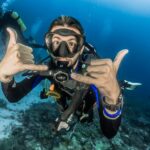
- Patient coaching you can feel
- Small-group feel
- Price, Value, and Timing Around Pickup Areas
- Start time 9:00am, and possible wait time
- Choosing your area: Heraklion, Chania, or Rethymno-Georgioupolis
- Weather, Conditions, and Who Should Join
- Should You Book This Intro Scuba Experience in Crete?
- FAQ
- What is the age range for this intro scuba course?
- Do I need previous scuba experience?
- How deep will the open-water part be?
- Is pickup available, and where does it start?
- What’s included in the price?
- What happens if the weather is poor?
Key Points Before You Go
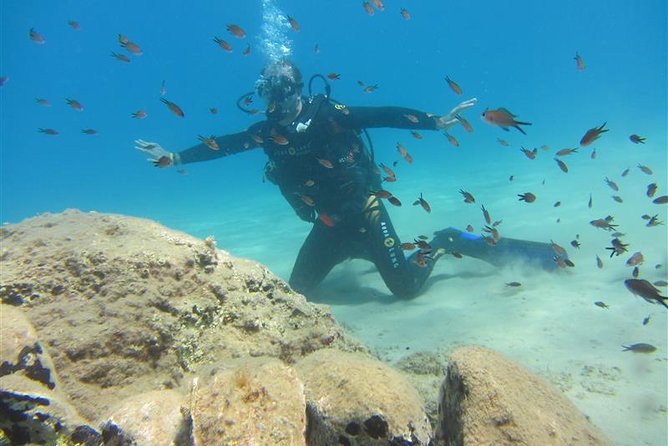
- Theory first, then practice in confined water, then an open-water outing to 3–6m
- Instructor always with you and direct supervision is required
- Beginner-friendly with equipment provided for a first try
- Small group cap of up to 20 participants
- Choose a base area near Heraklion, Chania, or Rethymno-Georgioupolis
- Course is weather-dependent, with alternate dates or a refund if it cancels for poor conditions
Why Crete Works for First-Time Scuba Training
Crete is a smart choice for your first scuba course because you’re dealing with a place that makes the experience practical, not technical. The program is designed for people from 10 to 60 and focuses on getting you comfortable with the basics—then giving you a guided look at the underwater world.
I also like that it stays honest about the commitment. You do a single morning-style session starting at 9:00am, and you build up from classroom basics to hands-on practice before you go out. That sequence matters. It helps you understand what your body and gear are doing, so you spend less time guessing and more time enjoying the water.
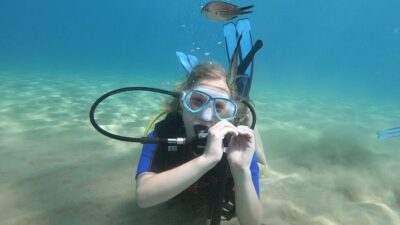
Crete’s Aegean setting is the payoff. In feedback, people talked about clear water and seeing colorful fish and other sea life. It won’t turn into a Caribbean-style fantasy for everyone, since you’re starting out—but you still get that real feeling of being underwater with a guide in charge.
You can also read our reviews of more tours and experiences in Crete.
Your Half-Day Schedule: Theory to Shallow Water
The course is split into three main parts, and the flow is what makes it work for beginners. You’re not thrown into the deep end of gear and buoyancy right away. Instead, you get a theory class, then training in confined water (pool or shallow sea), and finally a guided open-water outing.
Part 1: Theory class
The theory segment is where you learn the fundamentals you’ll need for the practical parts. Expect it to cover how scuba gear works and what you should do once you’re in the water. For a first-timer, this is the difference between feeling lost and feeling prepared.
Part 2: Confined water training
Next comes the pool session or shallow-water practice. This is where you get to build confidence without the pressure of staying calm in open water. If you’ve never done anything like this, that step matters a lot because it lets you practice skills when it’s easy to stand, touch the bottom, and reset.
A useful real-world note from feedback: one person and their partner decided after the pool session not to continue to the ocean. The instructor still encouraged them, stayed supportive, and helped them feel good about the decision. That tells you the approach is about safety and comfort, not forcing anyone forward.
Part 3: Open-water outing (3–6m)
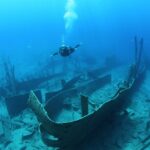
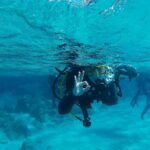
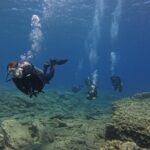
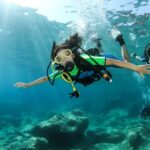
If you’re comfortable after the training, you move into the open-water part. The course is set to a depth of 3–6 meters, which keeps things manageable for your first time. The instructor stays with you the whole way, and direct supervision is described as obligatory.
Open-Water Session to 3–6m: What You Can Expect
The point of the open-water portion is not to test you. It’s to let you experience scuba in real marine conditions with a qualified person right next to you.
You should think of it as guided, structured, and intentionally shallow. The depth limit of 3–6m keeps the experience focused on basic movement, breathing, and awareness—so you can actually look at what’s around you instead of performing mental gymnastics.
Sea life and visibility
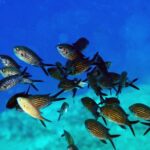
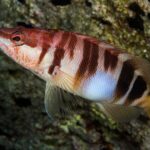
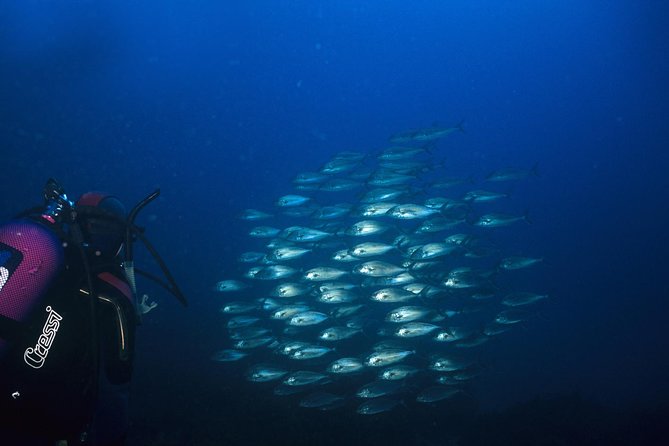
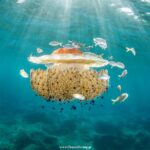
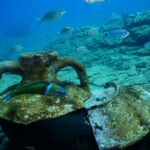
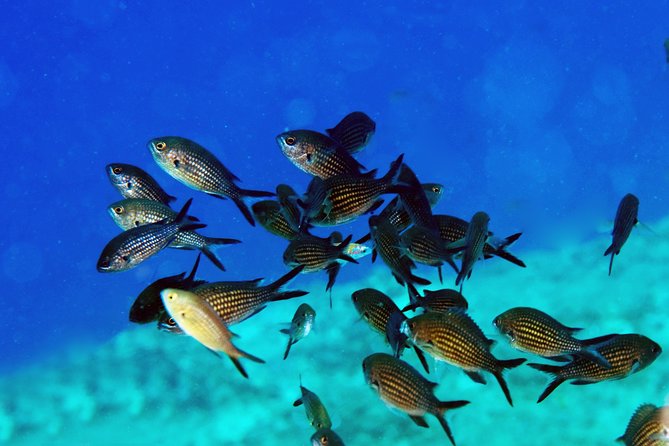
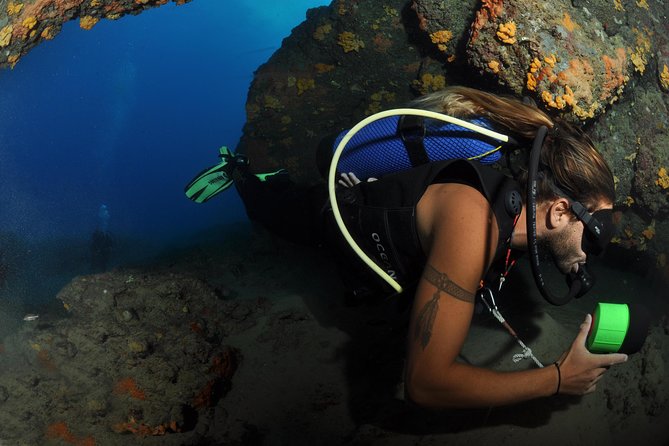
In feedback, people reported seeing lots of lovely fish and colorful underwater life, especially where the water was clear. Another person had a smaller variety of sea life and only noticed a small octopus, and even described the beginner session location as coming from a beach setting where the site may not be as exciting.
So here’s the practical takeaway: your underwater menu depends on the day and the specific site conditions. You’re starting out, and that means you’ll likely get a mix of fish, some standout moments, and sometimes not much more than that. Still, the magic is the feeling of being underwater with controlled guidance.
When conditions force changes
Crete weather can be moody. One feedback story explained that windy conditions meant the group had to change the plan and location, but the company did what they could to avoid canceling. Plan for the fact that your exact open-water spot can shift based on conditions.
Instruction Style and Equipment: The Confidence Factor
The biggest strength of this course is the way instruction is handled. It’s built for people with little or no scuba experience, and the instructor is always with the group. The program explicitly requires direct supervision, which is exactly what you want when you’re learning control of breathing, buoyancy, and comfort underwater.
You’ll also get equipment provided, which reduces the stress of arriving with the wrong gear. That matters for beginners who don’t yet know how scuba equipment should fit and feel.
Patient coaching you can feel
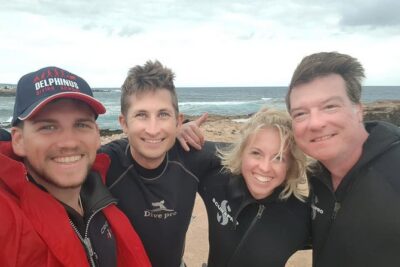
Feedback consistently praised patient teaching and calm confidence. Names that came up included:
- Artur, praised for building skills and confidence
- Stan the PADI Pro, described as clear and confident
- Sebastian, noted as extremely patient and helpful
- Pedros, described as professional and supportive
Even if you never meet the exact same instructors, the teaching style appears to follow the same goal: you should learn enough to feel safe and calm, not just complete a checkbox.
Small-group feel
The maximum group size is 20 participants. That doesn’t mean you’ll always be in a tiny class, but it suggests the instructors can manage attention and supervision. One story also mentioned only two people with one instructor, and that kind of ratio is a confidence booster.
If you’re the type who learns faster when you can ask questions and get quick corrections, this structure will likely help you.
Price, Value, and Timing Around Pickup Areas
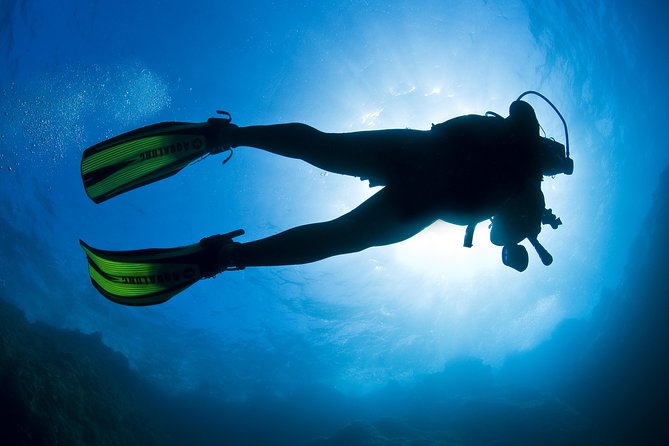
At $96.13 per person for about 4 hours, this is priced like an entry-level experience with real instruction baked in. The value isn’t only the price tag—it’s what’s included: diving equipment, the theory class, the pool training session, and a guided open-water outing with a certified instructor.
What’s not included is hotel pickup and drop-off, but the meeting details describe pickup from hotels in specific areas, including Chersonissos, the Chania area, or Rethymnon and Georgioupolis. Translation: your best move is to confirm exactly how pickup works for your accommodation when you book, since the general notes and the start details don’t match perfectly.
Start time 9:00am, and possible wait time
The session starts at 9:00am, which is great if you want to keep the rest of your day for beaches or food. Still, there’s a practical warning worth noting: one feedback story said they didn’t realize they’d finish around 12pm and then wait until about 3:30pm for the return drive.
That can happen when open-water timing changes with conditions or when logistics bunch people together. If you’re planning other activities the same day, keep some buffer time. If you hate waiting, bring something low-key to do once you’re back on land.
Choosing your area: Heraklion, Chania, or Rethymno-Georgioupolis
You can choose to do the experience in different regions. That helps you avoid long transfers and makes it easier to fit into your Crete itinerary. If you want the shortest travel day, pick the area closest to where you’re staying.
Weather, Conditions, and Who Should Join
This experience requires good weather. If it’s canceled due to poor conditions, you’ll be offered a different date or a full refund. That’s important for peace of mind on Crete, where wind and sea state can change quickly.
The course also lists clear eligibility notes:
- You need good swimming skills
- Excellent health conditions are required
- The activity is for people 10 to 60
- Children must be accompanied by an adult
- You should have moderate physical fitness
So this isn’t a casual activity for anyone who’s uneasy in the water. It’s designed for safe beginners, not for people who can’t swim or who have health limitations that make swimming and controlled breathing risky. If you’re not sure, it’s worth asking the operator directly before you lock in plans.
One more point: the instructors’ job is safety and supervision, so your comfort matters. If you’re worried about continuing after the pool session, the approach shown in feedback suggests they take your decision seriously. That’s a good sign.
Should You Book This Intro Scuba Experience in Crete?
Book it if you want a structured first scuba experience with real coaching, equipment included, and an instructor who stays close the whole time. The course is a strong fit if you like learning in steps: classroom basics, then practice in controlled water, then a shallow open-water outing to 3–6m.
Skip or think twice if you’re sensitive to schedule changes, because open-water timing can shift with conditions and you might end up waiting later than expected. Also be realistic: first-time scuba usually means modest sea life variety compared to people who have done many trips, and the exact underwater experience will depend on the day’s site and visibility.
If you’re in Crete and you want that first, confidence-building step into scuba, this is a solid choice—especially because the instruction style is repeatedly described as patient and supportive.
FAQ
What is the age range for this intro scuba course?
The course is for people between 10 and 60 years old.
Do I need previous scuba experience?
No. No previous diving experience is required.
How deep will the open-water part be?
The guided open-water portion is planned at about 3–6m depth.
Is pickup available, and where does it start?
Pickup details mention hotels in Chersonissos, the Chania area, or Rethymnon and Georgioupolis area. The notes also say hotel pickup and drop-off are not included, so it’s smart to check your specific confirmation.
What’s included in the price?
The price includes diving equipment, a theory class, pool training, and a guided open-water dive with a certified instructor.
What happens if the weather is poor?
The activity requires good weather. If it’s canceled due to poor weather, you’ll be offered a different date or a full refund.