REVIEW · CALELLA DE PALAFRUGELL
Calella de Palafrugell : Discover Scuba Diving Experience
Book on GetYourGuide →Operated by Poseidon Costa Brava · Bookable on GetYourGuide
That first breath underwater is a total mind shift. What makes this experience special is how right-from-the-start you get to see marine life, plus the hands-on teaching that focuses on basic skills you can actually feel confident using. I also like the small group setup (up to 4 people), which helps the instructor keep an eye on you. One thing to consider: it’s only about 2 hours total, so you’ll learn the essentials—but you won’t have hours to wander around on your own.
You spend time learning how scuba equipment works and the key rules before you go for the more practical sessions. Then you do two underwater parts, each around 25 minutes, with short exercises designed to build comfort quickly.
In This Review
- Key Things That Make This Experience Worth Your Time
- From Calella de Palafrugell Beach to Your First Breath Underwater
- Two Underwater Sessions Wrapped Into a 2-Hour Course
- Part 1: Confidence-building underwater basics
- Part 2: A deeper practice session with neutral buoyancy
- Practice Skills You’ll Use Immediately: Mask, Regulator, Buoyancy
- Small Group Coaching: Up to 4 People in the Water
- What You Get for $130: Equipment, Insurance, and Real Instruction
- Languages and Comfort: How the Training Fits Different Travelers
- Who Should Book This Scuba Experience in Costa Brava
- Should You Book This Calella de Palafrugell Scuba Experience?
- FAQ
- FAQ
- How long is the Calella de Palafrugell scuba experience?
- What’s included in the price?
- Is this a small group activity?
- What languages are the instructors available in?
- What do you do during the first underwater part?
- What is the focus of the second underwater part?
Key Things That Make This Experience Worth Your Time
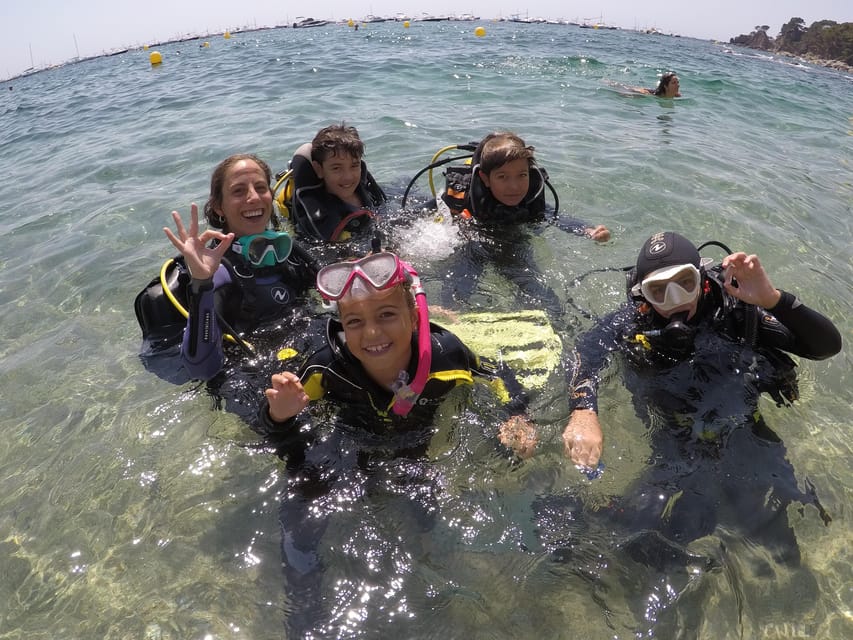
- Direct-from-the-beach location in Calella de Palafrugell, so you’re not commuting or changing plans constantly.
- Marine life from the first minutes, which keeps motivation high even on a first underwater day.
- Two-part training flow: confidence exercises first, then a deeper practice session.
- Neutral buoyancy focus during the second underwater portion so you can control your position and feel calmer.
- Full equipment + diving insurance included, which removes a lot of last-minute hassle.
- Instructors who coach safety while keeping it fun, and that balance matters a lot when you’re new to scuba.
From Calella de Palafrugell Beach to Your First Breath Underwater
Calella de Palafrugell is a place where the sea feels close—so starting from the beach keeps everything simple. You’re not picturing a “big day” of logistics. You’re picturing a guided plan that moves you quickly from surface to underwater, with instruction built in.
I also like that this experience is designed to show you marine life early. If you’re nervous, you still get payoff fast: you’re not waiting until the end to feel like it was worth it. Seeing fish and underwater life right away tends to turn first-timer nerves into curiosity.
The other big draw is the safety-first coaching style. This is not just about checking boxes. The instructors teach you how your equipment works, and they walk you through the rules you need before you practice anything underwater. That matters because scuba feels strange at first—breathing underwater is the easy part to notice; the control and timing are what you’ll want guidance on.
Two Underwater Sessions Wrapped Into a 2-Hour Course
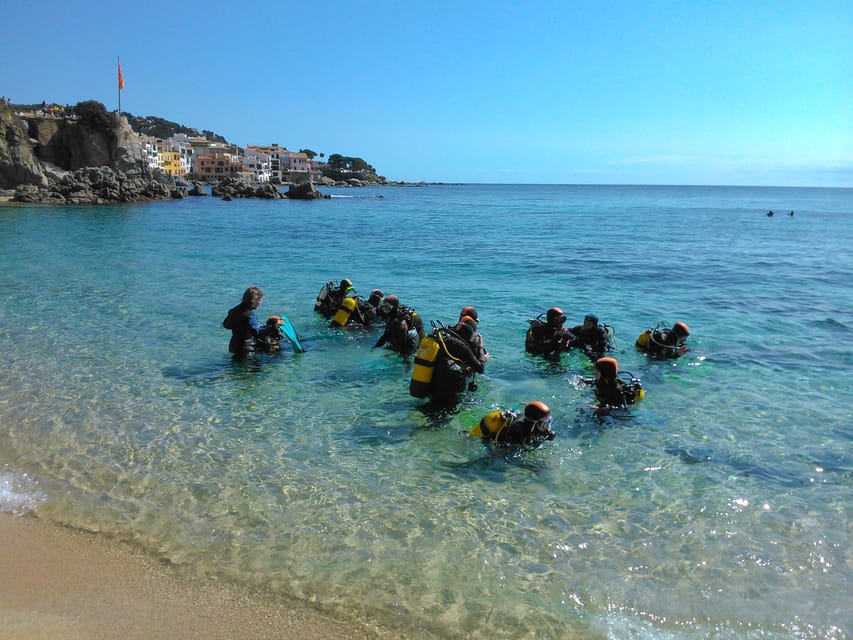
This is a short course by design: about 2 hours total. The time gets split into two underwater parts, each lasting around 25 minutes, with the rest of the time used for gear, explanations, and practicing the basics.
Part 1: Confidence-building underwater basics
The first underwater session is set up as a “get comfortable” phase. You’ll do basic exercises that help your brain and hands learn scuba tasks without panic. Expect drills like:
- Mask clearing (so you know what to do if water gets in)
- Regulator recovery (so you can handle that scenario calmly)
- Other basic movements that help you coordinate breathing and control while you’re underwater
The value here is that you’re practicing the stuff that usually causes stress for beginners. If you’ve never used a regulator before, the learning curve is real. This first portion helps you build trust in the process before you try to focus on floating and exploring.
Part 2: A deeper practice session with neutral buoyancy
The second underwater session is where you put the earlier skills into practice. This part is geared toward a deeper experience—not just repeating the same exercise. It’s also where the training adds a key comfort tool: neutral buoyancy.
Neutral buoyancy basically means you can hover at your preferred depth without constantly sinking or floating up. It takes some technique, and instructors focus on helping you find that steady feel. When you get it—even a little—it changes everything:
- You stop “fighting” your body position
- You can move more smoothly
- You spend less energy on correcting yourself
For many beginners, that’s the moment the experience feels truly enjoyable.
Practice Skills You’ll Use Immediately: Mask, Regulator, Buoyancy
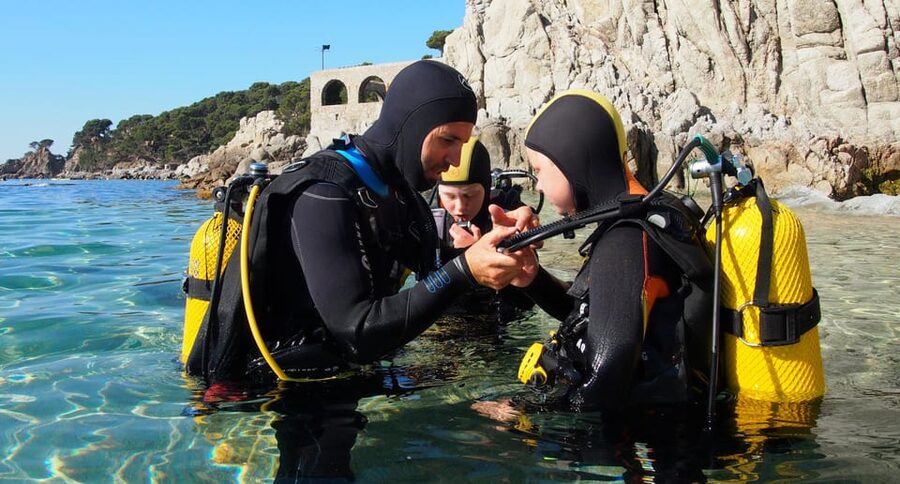
Scuba training can sound technical on paper. Here’s what those skills actually do for you.
Mask clearing teaches you that small problems don’t equal danger. Water in the mask is common for first-timers. You learn a simple routine to clear it and get your breathing and visibility back quickly.
Regulator recovery is about control and calm. If something comes out of place, you learn the steps to restore it. Even if the scenario never happens to you, practicing it builds that “I can handle this” confidence.
Then there’s neutral buoyancy, which is the skill that turns scuba from work into freedom. You’re not just staying down—you’re staying steady. That steadiness helps you feel more relaxed and lets you pay attention to what’s around you, including the marine life you’re there to see.
One practical note: because the total time is just 2 hours, your progress will be fast but focused. You’ll likely leave with confidence in the fundamentals more than you’ll leave with advanced “explore anywhere” ability. That’s normal—and it’s also why the course structure works.
Small Group Coaching: Up to 4 People in the Water
The experience is designed for small groups, limited to 4 participants. That sounds like a marketing line until you picture what it means during hands-on training.
With fewer people, instructors can:
- Watch your technique and adjust quickly
- Re-check how you’re holding your equipment
- Give clear feedback without rushing you
It also helps the atmosphere. If you’re trying scuba for the first time, being in a larger group can feel intimidating. A small group makes it easier to ask questions and absorb the safety rules without feeling like you’re holding everyone else up.
Your instructor is available in multiple languages—English, Spanish, French, and German. Content may be shown in its original language, but the instructor coverage is there so you’re not left completely alone with explanations you don’t understand.
What You Get for $130: Equipment, Insurance, and Real Instruction
At $130 per person for about 2 hours, you’re paying for more than a “look at the sea” experience. The price includes the big items that usually add up quickly on your own: full diving equipment and diving insurance.
That matters because first-timer scuba has hidden costs. Without the provided gear, you’d need rentals and you’d need time to learn how to use everything properly. Here, the equipment comes as part of the experience, which keeps you moving and reduces stress.
Drinking water is also included, which sounds small, but it’s smart—your day isn’t just about the underwater time. You’ll still be out before and after the water work, and hydration helps you feel steady.
You get two instructor-led underwater practice segments, plus time for explanation and skill training. For most people, that mix is the real value: you’re not only paying for access to the water; you’re paying for guidance that helps you enjoy the water.
Languages and Comfort: How the Training Fits Different Travelers
If you’re traveling in a group or with family, language support can make a big difference. This experience lists instruction in English, Spanish, French, and German, with some content shown in its original language.
So what should you do as a practical matter? If you’re not fully fluent in the language you expect, you’ll still want to be upfront with the instructor about what you understand and what feels confusing. Because the activities include hands-on drills (mask clearing, regulator recovery, and buoyancy), understanding the instructions matters.
The setup also helps kids and families who want safety and structure. In the feedback I’ve seen, the standout theme is that the experience feels like a true highlight for family members—and that the instructor makes people feel safe while still having fun. That’s exactly the right combination for a first underwater day.
Who Should Book This Scuba Experience in Costa Brava
This is a strong fit if you:
- Want a beginner-friendly start with clear coaching and basic underwater exercises
- Prefer a small group rather than a large crowd
- Like the idea of seeing marine life quickly instead of waiting hours
- Want a short, efficient experience (about 2 hours total)
It’s also good if you’re traveling through Girona Costa Brava and want a hands-on activity that’s easy to understand. The course structure is straightforward: equipment and rules, then two underwater practice portions.
If you’re the type of traveler who needs long exploration time or advanced scuba challenges, you might feel the course is brief. But as an introduction that prioritizes safety skills and confidence-building, it’s exactly the right length.
Should You Book This Calella de Palafrugell Scuba Experience?
If your goal is a guided first scuba experience with practical coaching, I’d book it. The beach location helps keep the day calm, and the two-part structure gives you both confidence-building and real practice. I especially like that neutral buoyancy is part of the plan—because when you learn that control, the underwater experience usually clicks into place.
One practical recommendation: book it when you can be mentally ready for basic drills. The exercises are part of why you get confidence, so show up open to learning quickly. If you do, you’ll likely come away feeling proud—and ready to plan the next water session.
FAQ
FAQ
How long is the Calella de Palafrugell scuba experience?
It lasts about 2 hours total, with two underwater parts of about 25 minutes each.
What’s included in the price?
The experience includes full diving equipment, diving insurance, and drinking water.
Is this a small group activity?
Yes. The small group is limited to 4 participants.
What languages are the instructors available in?
Instructors are listed for English, Spanish, French, and German.
What do you do during the first underwater part?
You start with explanations and then practice basic exercises underwater, including mask emptying and regulator recovery, to build confidence.
What is the focus of the second underwater part?
The second underwater session includes deeper practice and focuses on neutral buoyancy, using what you learned in the first part.