REVIEW · CRETE
Experience Scuba Diving in Heraklion Crete
Book on Viator →Operated by Horizon Diving · Bookable on Viator
One of the best ways to beat holiday nerves fast. This first-timer underwater session near Heraklion pairs patient instruction with top-quality gear and a gradual learning plan so you’re ready before you go farther out.
I especially like how the team builds confidence step-by-step: short theory, shallow-water practice, then a controlled progression based on your comfort. The one thing to keep in mind is the medical screening and ear-pressure training—if you can’t handle the breathing or equalization requirements, you won’t be able to go.
In This Review
- Key things to know before you go
- Where You Go Near Heraklion: Gournes and Mononaftis Beach
- Timing and Flow: A 4.5-Hour Experience with a Real Sequence
- Safety Briefing and Paperwork That Keep It Practical
- Getting Your Gear Right: What Kitting Up Feels Like
- The Shallow-Water Practice That Builds Real Confidence
- Equalizing Pressure Without Panic: Ear Tips You’ll Hear
- The Main Underwater Section: Sea Life Encounters You Can Actually See
- Photos, GoPro Recording, and What to Do Afterward
- Price and Value: Is $119.47 Worth It?
- Who Should Book This Underwater Starter Session?
- Booking Basics That Affect Your Day
- Should You Book This First Underwater Session in Heraklion?
- FAQ
- Do I need to know how to swim?
- What’s the minimum age?
- What languages are the lessons taught in?
- How long does the experience take?
- Is pickup included?
- What happens if weather is bad?
Key things to know before you go
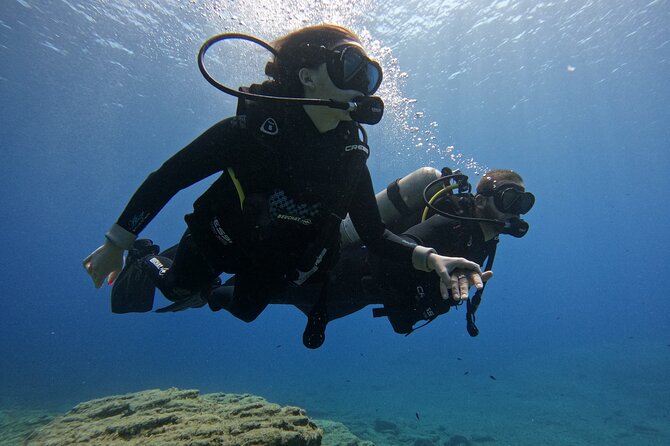
- Small group size (max 8): You get closer attention during skills practice and while kitting up.
- Pickup from your place: You’re met outside your hotel or property with a Horizon sign van or mini bus.
- Training before you go deeper: A mini theory lesson in EN, FR, and GER plus hands-on shallow-water work.
- Depth is adjusted to you: Even if you’re new, you won’t be pushed beyond your comfort level.
- You can expect sea-life variety: Think fish schools and memorable critters like octopus and sea urchins.
- Recording and photos are available: GoPro-style capture and picture stops are part of the experience flow.
Where You Go Near Heraklion: Gournes and Mononaftis Beach
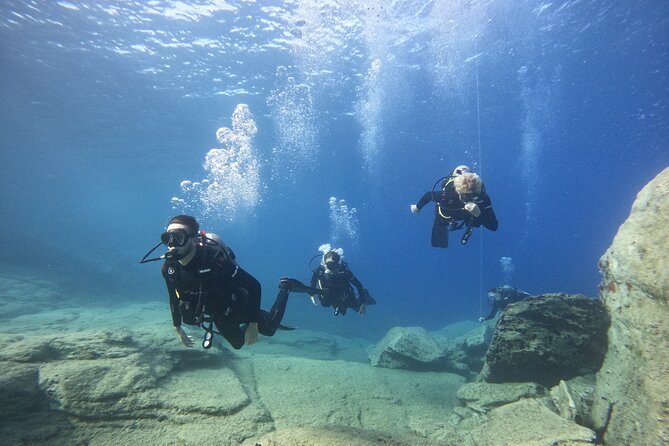
Your day starts in the Heraklion area, with the meeting point at Horizon’s base on Domniko Theotokopoulou 15 in Gournes. If you’re staying nearby, pickup is designed to start right outside your hotel or property. That matters on day trips like this—less hunting, more time at the water.
The actual water experience runs from Mononaftis Beach (the team’s common setup area). This is the kind of spot where the goal is simple: get you comfortable walking in, fitting gear, and feeling safe as you learn basic underwater skills. You’ll also get the bonus of a clear-water feel once you’re out past the training stage.
You can also read our reviews of more tours and experiences in Crete.
Timing and Flow: A 4.5-Hour Experience with a Real Sequence
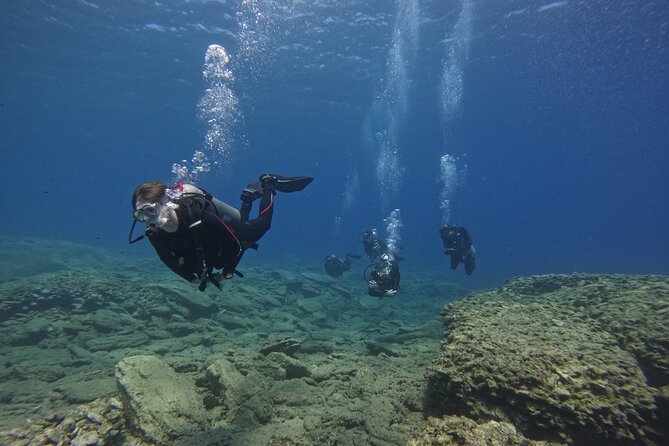
This is scheduled for about 4.5 hours, even though the booking window may show around 5 hours. The start time is 9:00 am, and from there the day moves in a clear order: paperwork and safety basics, gear prep, shallow skills, then the main underwater portion.
That flow is more than “schedule.” It’s the difference between trying to learn everything at once and learning in the right order. You’ll get a short briefing, you’ll practice what you need close to shore, and only then do you go deeper as your confidence grows.
Also note the group limit: maximum 8 travelers. In practice, that usually means you’ll feel like part of a small class instead of a crowded outing. One review described a group of four with two staff guiding the session, which is the sweet spot for first-timers.
Safety Briefing and Paperwork That Keep It Practical
Before you even touch the gear, you’ll do the required participant statement paperwork. That includes a liability release form and a medical questionnaire to flag whether you should be medically cleared for recreational scuba activities.
This is not paperwork for show. It’s part of the safety system, especially for first-timers. If you’ve got issues that affect breathing or pressure equalization, it’s better to know early than to find out underwater.
You’ll also get instruction on what to do if anything feels off—equipment failure handling and core underwater procedures. One of the most reassuring parts is that the team teaches you the “why” behind each step, not just the movements.
Getting Your Gear Right: What Kitting Up Feels Like
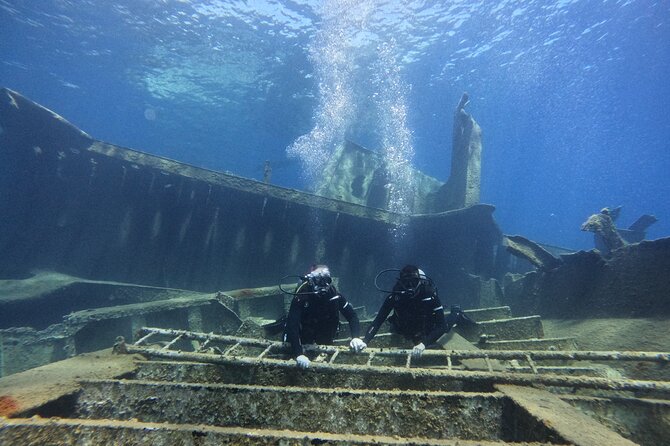
Kitting up is a key moment in any first-timer underwater session, and this one is structured. After a short briefing, instructors help you get suited up and fitted with the standard equipment used for recreational scuba.
Expect help with:
- adjusting the buoyancy vest (often called the BCD)
- understanding how the regulator works while you’re underwater
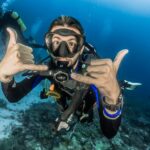
- learning basic hand signals
- practicing the breathing rhythm that keeps you calm
You do not need to know how to swim to participate. In fact, the training is adapted to your confidence level, and depth is adjusted to match what you can handle. That said, even if swimming isn’t required, your comfort still matters—go at the pace they set and don’t rush the learning.
Some participants asked about equalization and pressure changes, and the team is ready for that. They teach the technique for equalizing pressure in a way that you can actually use during the session, not just memorize.
The Shallow-Water Practice That Builds Real Confidence
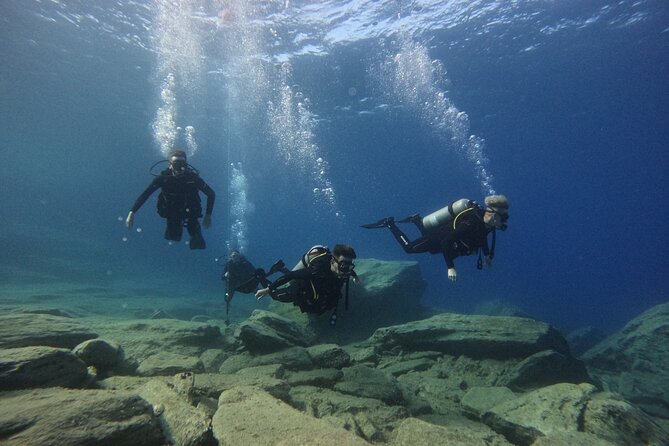
The best first-timer sessions don’t start with “go deeper.” They start with shallow-water skill practice. You’ll work together on fundamentals close to the surface—mostly to help your brain and body learn what to do before the water changes.
You can think of this as controlled training time:
- you try your breathing pattern
- you practice buoyancy control
- you learn and repeat the hand signals
- you build comfort with equipment while you still have an easy way back
In one account, the group practiced and only then progressed farther out and deeper once everyone could breathe calmly and equalize without stress. That’s what you want as a beginner: a steady progression where you’re not feeling rushed.

Equalizing Pressure Without Panic: Ear Tips You’ll Hear
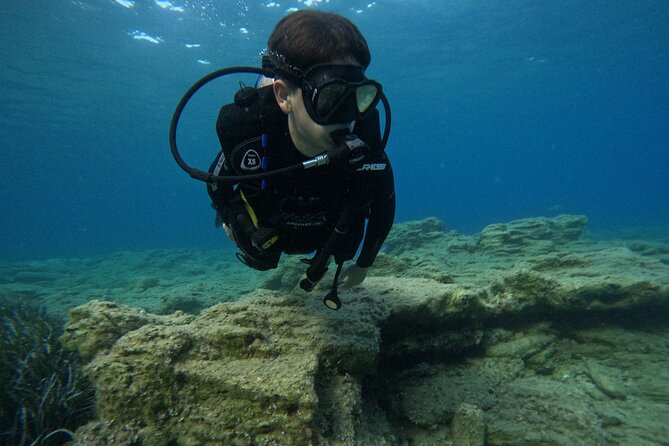
Equalizing pressure is often the first worry for new scuba students. The good news is that the instructors explicitly teach how to do it and what to watch for.
During the session, they focus on:
- learning the right technique for equalization
- going at a pace where your ears can keep up
- support if you struggle—extra attention is part of the plan
If one person in your small group has difficulty equalizing, the instructors will adjust support so everyone can continue safely. That’s a big deal. It means you’re not left behind while the rest of the group powers through.
If you know you have recurring ear or sinus issues, take the medical questionnaire seriously. If you’re unsure, get it checked before you go. That upfront step protects you and everyone else.
The Main Underwater Section: Sea Life Encounters You Can Actually See
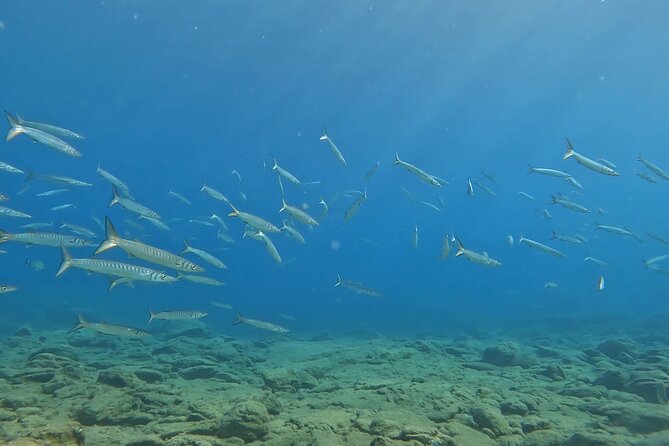
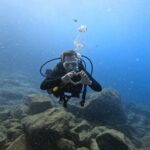
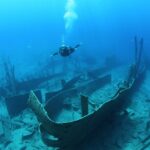
Once you’re cleared through the training stage, you’ll head into the main underwater portion. Depth is adapted to your level, so you’ll likely go only as deep as you can manage with calm breathing and good buoyancy.
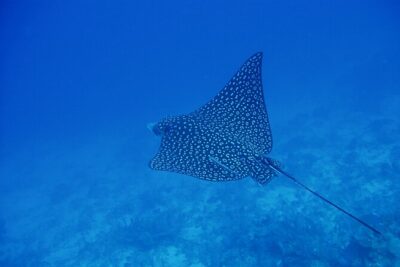
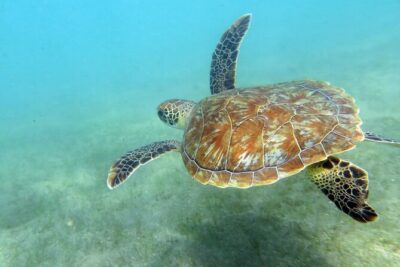
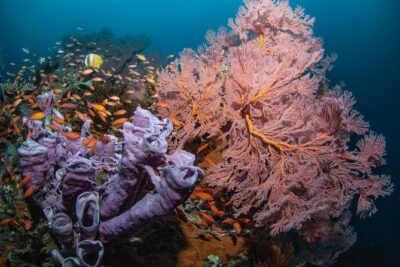
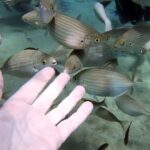
This is where the experience becomes memorable fast. You’ll have a chance to see fish schools—one of the most common highlights. You’ll also likely spot individual critters, depending on conditions and where you’re taken.
Examples from participant experiences include:
- an octopus about the size of a softball
- a black, spiky sea urchin
- other interesting underwater sightings like an assortment of fish, and in at least one account, barracudas
Because the team focuses on first-timers, they don’t treat this like a “move fast and cover distance” trip. Instead, the goal is to help you see what’s around you while staying comfortable in the water.
Photos, GoPro Recording, and What to Do Afterward
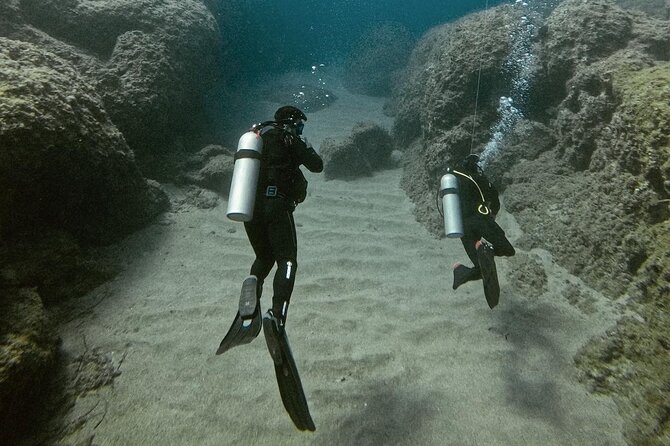
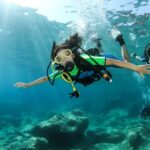
One smart part of this experience is the way it captures the day. There’s GoPro-style recording and pictures taken throughout the underwater portion. If you want a souvenir, you can purchase photos and videos afterward.
But the value goes beyond souvenirs. After the session, the team also explains how you can become scuba certified if you want to keep going. That turns a one-day experience into a potential first step toward real training—without pressuring you.
If you’re traveling with someone who’s curious, this is also a good “starter plan.” You can experience the underwater world together, then decide whether to pursue certification.
Price and Value: Is $119.47 Worth It?
For $119.47 per person, you’re paying for more than the water time. You’re paying for:
- pickup from your accommodation area
- expert instruction for a first-timer onboarding
- safety briefing and shallow-water practice time
- rental equipment setup and hands-on coaching
- small-group limits
- optional photo/video capture
That’s why the price usually feels fair. Scuba training isn’t a quick “stand and watch” activity. It’s staffing-heavy: gear help, safety management, and close supervision during your skills practice.
One review also mentioned water and snacks being provided, which adds small but real comfort value after the morning start. Combine that with the fact that it’s typically booked about a month ahead (36 days on average), and you get a hint this is a popular, well-run beginner outing.
Who Should Book This Underwater Starter Session?
This experience is ideal if you’re:
- a true beginner who wants structured training, not just a sightseeing swim
- someone who worries about ear pressure and wants coaching plus support
- a couple or small group that benefits from a calmer instructor-to-student ratio
- traveling in the Heraklion area and want a half-day activity with pickup
It also works for kids as long as they meet the minimum age of 8. Swimming knowledge is not required, and instructors adapt depth to your confidence.
The one audience mismatch: if you already know you have medical or breathing limitations that make recreational scuba unsafe, you should not plan on participating without proper clearance. The medical questionnaire exists for a reason.
Booking Basics That Affect Your Day
You’ll receive confirmation at booking time in most cases, but if you book close to travel (within 2 days), confirmation may arrive within 48 hours subject to availability. You’ll use a mobile ticket.
Service animals are allowed, and the meeting area is near public transportation. If you’re not getting pickup, the meeting point in Gournes is straightforward to reach.
Also remember: the experience requires good weather. If conditions aren’t right, you’ll be offered a different date or a full refund.
Should You Book This First Underwater Session in Heraklion?
Book it if you want a first-timer experience where safety training is treated like part of the fun. I’d especially recommend it to people who feel nervous about pressure in the ears, because the instructors teach the technique and adjust support when needed.
Skip it (or get medical advice first) if you know breathing or equalization problems are a recurring issue for you. This is a real underwater activity, not a casual swim, and that medical step is there for your safety.
If you want a calm, small-group way to meet the underwater world near Heraklion—and you appreciate patient coaching—this is a strong choice.
FAQ
Do I need to know how to swim?
No. The experience notes that swimming knowledge is not necessary. Depth is adapted to your confidence level.
What’s the minimum age?
The minimum age is 8 years old.
What languages are the lessons taught in?
The mini theory lesson is offered in English, French, and German.
How long does the experience take?
The experience lasts about 4.5 hours.
Is pickup included?
Yes. Pickup is offered, and you should look for a car or mini bus with a Horizon diving sign outside your hotel or property.
What happens if weather is bad?
The experience requires good weather. If it’s canceled due to poor weather, you’ll be offered a different date or a full refund.