REVIEW · PANAMA CITY BEACH
No Experience Required to Discover Scuba in Florida
Book on Viator →Operated by Panama City Diving · Bookable on Viator
First timers, this is your confidence test. The Discover Scuba experience in Panama City Beach is built for people who have never been underwater with gear. You get an online course to cover the basics first, then you spend your in-person time learning equipment and doing a guided underwater practice at St. Andrews State Park. Two standouts for me are the small group size (max 6) and the way the training is designed so you are not just watching. The one thing to consider is that water clarity can vary, and your session depends on conditions.
The other thing I like is that the instruction time is focused. You complete an eLearning account first (around 40 minutes to 1 hour), so you show up ready to work on the physical skills with your instructor. In the reviews, people specifically praised instructors like Ben (patient with first timers) and Rocky (awesome and encouraging), which is exactly what you want when your brain is still wrapping itself around breathing underwater.
The possible drawback is also the reality: you are going to be in open water and near the coast, so visibility and water quality can change. One review described very poor visibility at St. Andrews, and the key lesson there is to take the guide’s condition call seriously.
In This Review
- Quick hits before you gear up
- Discover Scuba in Panama City Beach: training that feels controlled, not chaotic
- St. Andrews State Park: where your first underwater skills get tested
- The eLearning prep: do the thinking before you do the breathing
- What you’ll practice with your instructor (and why patience matters)
- The morning flow: meeting point, local stops, and how timing works
- Price in context: is $125 worth it for a first-time scuba experience?
- Who this experience suits best (and who should rethink it)
- How to prepare so you get the best day possible
- Should you book Discover Scuba off Panama City Beach?
- FAQ
- What’s the duration of the Discover Scuba experience?
- Where do I meet for the tour?
- Do I need prior scuba experience?
- How long is the eLearning part, and what is it for?
- Is it included with the price?
- What do I need to be able to do physically?
- What happens if conditions are poor or the trip is canceled?
Quick hits before you gear up
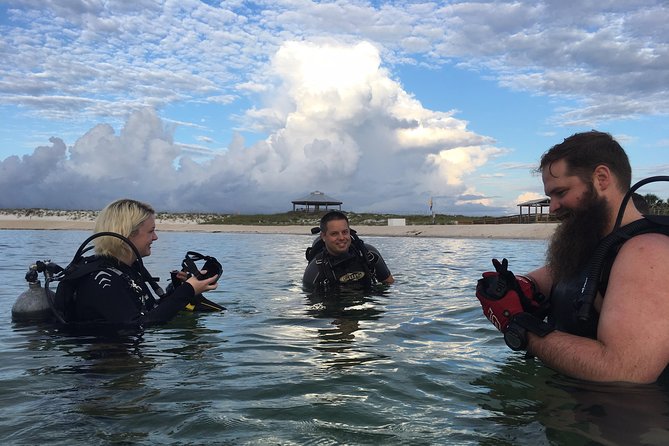
- No experience required, but you do need to be comfortable swimming well in water over your head.
- eLearning first, then hands-on time in the water (about 40 to 60 minutes of coursework).
- Maximum 6 people, so you tend to get more personal attention during equipment practice.
- St. Andrews State Park is your training ground for the first controlled underwater session.
- You get all equipment and an instructor included for one price.
- Water conditions matter, and the operator aims for better timing near high tides.
Discover Scuba in Panama City Beach: training that feels controlled, not chaotic
If your mental image of a first scuba try is loud gear, random floating, and panic—this course is trying to prevent that. The setup is very structured: you learn the effects of diving on the body, gear use, and the basics of what to expect before you ever go underwater in a guided session.
The best part for many people is how the experience is paced. Instead of spending your whole session in a classroom, you do the academics through your own eLearning account first. That means your time with the instructor is mostly about practical skills—how to handle the equipment and how to behave underwater while you’re being coached.
You also get that small-group feel. With a maximum of 6 travelers, you are less likely to be stuck waiting your turn while someone else gets attention. That matters because first-time gear handling is one of those things where “I think I got it” is not the same as “I can do it safely on the spot.”
One more nice touch: this isn’t pitched as a bargain “quick test.” The experience is described as a serious gateway into underwater exploration, with safety and training emphasized over speed.
You can also read our reviews of more tours and experiences in Panama City Beach.
St. Andrews State Park: where your first underwater skills get tested
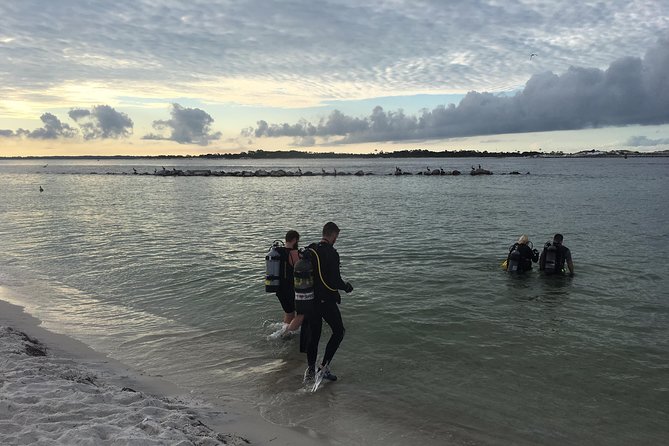
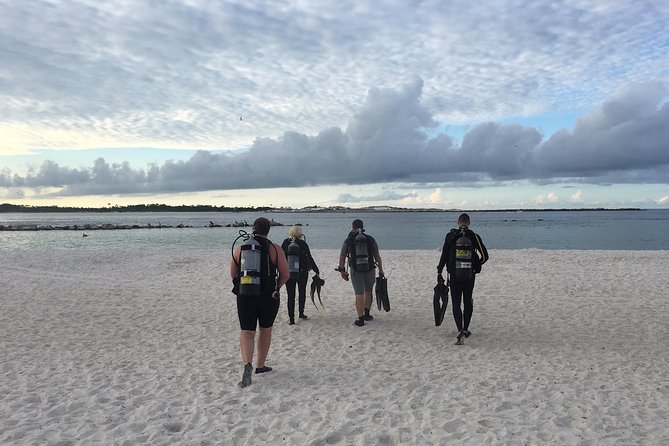
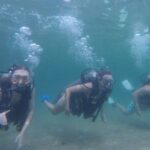
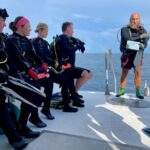
Your main water time happens at St. Andrews State Park. The course is set up so you start with a brief intro, then you’re guided on an underwater practice in confined water. That detail is important. Confined water gives you a safer, calmer learning environment while you get used to the feel of the gear and the rhythm of breathing.
Here’s the reality check: coastal water can be a toss-up. One person had such low visibility at St. Andrews that they could not really see their hand in front of their face. That kind of clarity issue doesn’t just affect the “fun factor.” It changes how confident you feel, how quickly you can orient yourself, and how much you can relax into the experience.
The operator’s response in that case also highlights something worth listening to before you book. They noted they aim to offer these experiences around higher tides to help with water quality. But even with careful timing, conditions can still disappoint. If your guide says the water is not good and offers a refund or reschedule before you get in, I would treat that as a serious safety and experience recommendation—not a sales tactic.
The eLearning prep: do the thinking before you do the breathing
You’ll get an eLearning account at the start of the preparation process. The academics curriculum is designed to be completed at your own pace, typically taking 40 minutes to an hour. This is not a throwaway “watch a video” task. You’re covering core ideas like the effects of scuba on the body and how to use the gear.
In practical terms, this means you arrive at the in-water session with fewer surprises. You are less likely to be shocked by how breathing and body positioning feel once you’re submerged. You also have a head start on terminology and the basic safety logic behind the gear handling.
Another value here is time management. If you had to do everything in a single on-site session, you would likely lose time to lectures and explanations. Here, your in-person focus shifts to what matters most for a first attempt: physically learning the equipment and following your instructor’s guidance during the practice.
If you want a smoother day, give yourself time to complete the eLearning ahead of the morning session. Even if the day is exciting, the coursework helps you stay calm when your instructor starts putting your skills into motion.
What you’ll practice with your instructor (and why patience matters)
Before you start, you’ll be required to complete a health questionnaire. Some conditions—examples given include asthma and heart conditions—may prevent you from participating. If you have any concern, it’s smart to consult your doctor before booking.
Assuming you’re cleared, the instructor leads the training. You’ll learn how to use the gear and then you’ll do a guided underwater practice in confined water at St. Andrews. The course description also emphasizes that the academics are handled through eLearning so the session time is spent on physical learning and in-water coaching.
This is where reviews really line up with what you’d hope for: calm, patient instruction. One reviewer praised Ben for being informative and patient during a first-time experience. Another highlighted Rocky as awesome and great with a son-and-parent group, with everyone wanting to do it again. That combination—clear teaching plus patience—is exactly what you need when your body is learning a new way of moving and breathing.
One more thing: the course requires that you can swim confidently in water over your head. That doesn’t mean you need to be a competitive swimmer. It does mean you should feel comfortable staying afloat and moving in deeper water without panic. If swimming is shaky for you, you’ll likely spend mental energy on staying comfortable instead of focusing on learning the gear.
The morning flow: meeting point, local stops, and how timing works
The experience starts at 8:00 am and ends back at the meeting point. You’ll meet at 106 Thomas Dr, Panama City Beach, FL 32408. The tour duration is about 2 hours 30 minutes (approx.), so it’s short enough to fit into a busy vacation schedule, but long enough to include real instruction plus underwater practice.
The route includes three stops:
- St. Andrews State Park for the in-water portion and first controlled underwater practice.
- Panama City Beach as a local stop in the overall flow of the morning.
- Panama City Diving as another stop tied to the operator and the overall session structure.
You should also plan around the fact that hotel pickup and drop-off are not included. If you’re staying nearby, great. If you’re farther out, you’ll want to arrange your own ride so you don’t show up rushed or stressed.
One small practical point: since the session depends on good weather, your morning plan can shift. If the experience is canceled due to poor weather, you’ll be offered a different date or a full refund. And if you’re booking, it’s wise to keep an eye on conditions close to departure day, because you want to be there when the water is most workable.
Price in context: is $125 worth it for a first-time scuba experience?
At $125 per person, this isn’t positioned as a bargain “try it once” deal. Instead, it’s priced like a structured introduction where your time is coached and your equipment is provided.
Here’s what makes the value feel more solid:
- All necessary equipment is included.
- An instructor is included, which is the biggest cost driver for quality training.
- Local taxes are included.
- You are capped at 6 travelers, which usually translates to more attention per person.
The other value is the training model. Because the eLearning covers the academic part before you reach the water, the on-site time can focus on gear handling and guided underwater practice. That matters because first-time scuba knowledge is not the same as first-time scuba competence. You’re paying for competence-building, not just a quick taste.
Is it possible to find cheaper experiences elsewhere? Sure. But if you care about doing it safely and learning with guidance, the price starts to make sense quickly—especially with equipment and instruction included in one flat fee.
Who this experience suits best (and who should rethink it)
This is a great fit if you:
- Want more than snorkeling and want a guided path into going underwater with gear.
- Like the idea of learning the theory through eLearning so you spend less time listening and more time practicing.
- Prefer a small group with an instructor who can slow down for first-timers.
It’s less ideal if:
- You don’t feel comfortable swimming in water over your head.
- You have medical conditions that might conflict with the health questionnaire (examples provided include asthma and heart conditions).
- You get upset easily if water clarity is poor. Even if you stay safe, a low-visibility day can change the experience.
If you’ve got any medical questions, the safest route is not guesswork. Use the health questionnaire process seriously. The course itself states that some pre-existing medical conditions may prevent you from diving, so you’ll want to confirm what applies to you and talk to your doctor if needed.
How to prepare so you get the best day possible
You can’t control water clarity. You can control your preparation.
Here’s how to set yourself up for a smoother morning:
- Do the eLearning ahead of time so you’re not learning gear basics while you’re already in a time-pressured morning.
- Be honest with yourself about swimming. The requirement is confident swimming in water over your head, and that is there for a reason.
- Expect a health questionnaire and have it ready to complete. If anything might be a concern, plan to discuss it with your doctor before you book.
- Bring a calm mindset. First-time underwater practice can feel strange. The course is designed for first-timers, and the instructors are there to coach you, but your attitude still matters.
Most importantly: if conditions are poor, listen when your guide communicates what to do next. One disappointing review noted that low water quality was communicated before entry, and that a refund or reschedule was offered. If the water isn’t right, choosing to skip or reschedule can be the difference between remembering the day as fun or remembering it as frustrating.
Should you book Discover Scuba off Panama City Beach?
I’d book this if you want a structured first step, not a rushed stunt. The combination of eLearning prep, hands-on coaching, all gear included, and a max 6-person group is exactly what tends to make first-time underwater training feel safe and manageable.
I would hold off if you know you struggle with swimming comfort or you have medical concerns that might show up in the health questionnaire. I’d also factor in that water conditions can vary. If you’re booking close to your trip’s only free morning, keep your plans flexible when possible.
If you’re ready to learn and you can swim confidently, this is a very fair way to try scuba skills in Florida—especially with instructors known for patience and enthusiasm like Ben and Rocky.
FAQ
What’s the duration of the Discover Scuba experience?
It’s about 2 hours 30 minutes (approx.).
Where do I meet for the tour?
You’ll meet at 106 Thomas Dr, Panama City Beach, FL 32408, USA, and the activity ends back at the same meeting point.
Do I need prior scuba experience?
No experience is required. The course is designed as a first introduction to scuba.
How long is the eLearning part, and what is it for?
You’ll be issued an eLearning account and complete academics at your own pace. It takes about 40 minutes to an hour and covers the curriculum before you do the in-water gear and practice.
Is it included with the price?
Yes. Equipment use, the instructor, and local taxes are included. Hotel pickup and drop-off are not included.
What do I need to be able to do physically?
You should have moderate physical fitness, and you must be able to swim confidently in water over your head.
What happens if conditions are poor or the trip is canceled?
The experience requires good weather. If it’s canceled due to poor weather, you’ll be offered a different date or a full refund.