REVIEW · CRETE
Research diving with a Marine Biologist in Crete
Book on Viator →Operated by Dive2gether Crete · Bookable on Viator
Science meets the sea in Crete. With a marine biologist guiding you through citizen-science underwater sessions, you’ll have max 4 people and open-air microscope lab time. The catch: it’s for certified, healthy scuba participants, so it’s not a first-timer day.
What I like most is the way the biology ties directly to what you’ll see. You may work with in-house marine biologists such as Vanessa, Martina, Marie-Clarie, Kirsten, and Katy, and they adjust the plan to your scuba level and your interests.
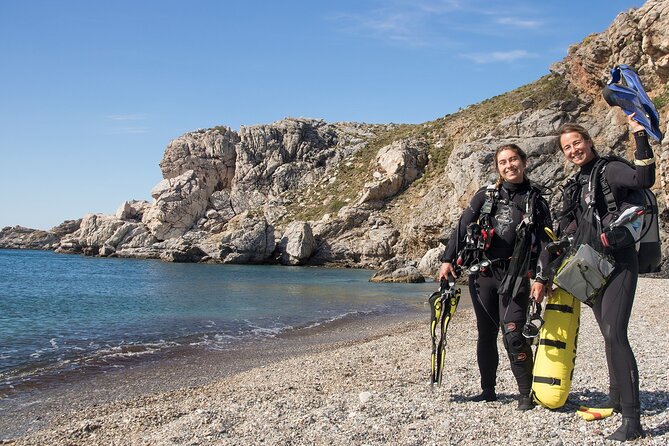
You start at 8:30 am at the 5-star PADI center and marine field station in Myrthianos Plakias, then spend the day at Souda Beach and Plakias before heading back for a lab-style debrief. Expect a full, active schedule, and come prepared to be in water and doing field-style work.
In This Review
- Key things you’ll notice
- Citizen-science scuba with a marine biologist in Crete
- 8:30 am start at the PADI center and how the day flows
- Souda Beach stop: where the biology briefing starts to make sense
- Plakias stop: two tailored underwater sessions for certified scuba participants
- Back at the open-air lab: microscopes, samples, and a proper debrief
- What’s included (and why it changes the value)
- Who this is best for in Crete
- Should you book this marine biology day in Crete?
- FAQ
- Do I need to be certified to join this experience?
- How large is the group?
- What’s included in the price?
- Is lunch included?
- Are the photos included?
- Where do I meet and when does it start?
Key things you’ll notice
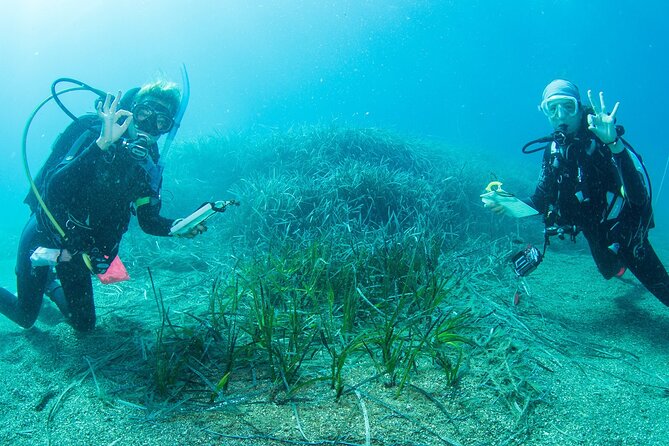
- Max group size of four means real attention, not a conveyor belt.
- Marine-biology briefings before each underwater time help the facts match what you spot.
- Two underwater sessions for certified scuba participants keep the day focused on learning, not just sightseeing.
- Open-air microscope lab after the water turns samples into something you can actually interpret.
- Citizen-science data collection gives you a role beyond observing.
- Underwater photo option for 19 euros lets you buy extras without paying for them up front.
Citizen-science scuba with a marine biologist in Crete
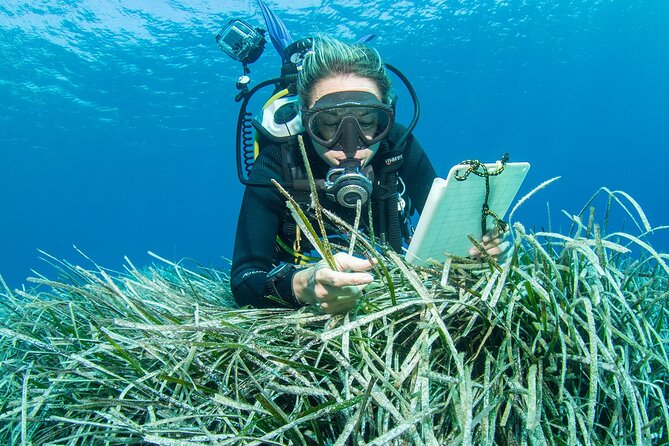
This is not a typical scuba outing where you just follow a guide and take notes afterward. The core idea is simple: a marine biologist guides you to observe, then helps you collect useful information as a citizen scientist. You’re learning the Mediterranean marine world while also doing hands-on work that can feed education and protection projects.
If you like your vacation with a purpose, you’ll feel it right away. Your day is built around underwater biomes you choose as a group, so the biology isn’t random. It’s targeted to what your group wants to focus on, and it’s matched to your scuba experience.
The tone also matters. The program is set up for small-group learning, so you don’t get lost in a crowd. The marine biologists in this setup (including Vanessa, Martina, Marie-Clarie, Kirsten, and Katy) bring research methods into the briefing, then you apply those methods in the water.
You can also read our reviews of more tours and experiences in Crete.
8:30 am start at the PADI center and how the day flows
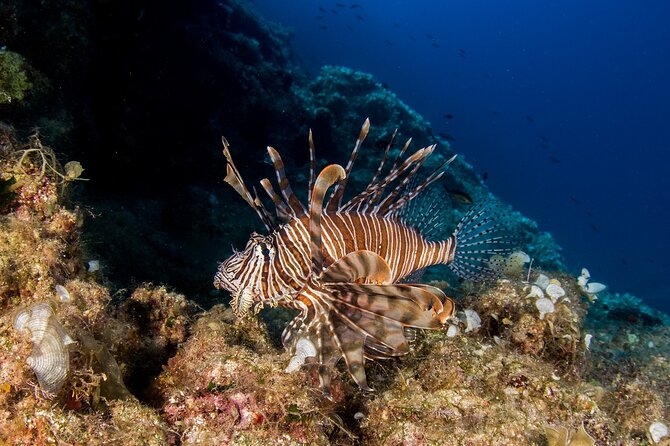
The day begins at 8:30 am at the 5-star PADI scuba center and marine field station in Myrthianos Plakias (Eleftheriou Venizelou, address listed at booking). From there, the day runs as a tight loop: brief, gear up, head to the first coastal site, then move to the second, then return to the center for the lab portion.
You’ll also want to plan around the fact that this is a one-day program with two underwater sessions. That structure is great if you want momentum, but it also means you shouldn’t expect long breaks or a slow, wandering pace.
The program is offered in English, and you’ll get a mobile ticket. You’ll also confirm booking ahead of time, so you’re not guessing where to go on the morning.
One practical consideration: the day is rated for moderate physical fitness, and you need to be healthy and fit for scuba. If that’s not you, this experience won’t feel comfortable, because the day includes field-style tasks and time in the lab afterward.
Souda Beach stop: where the biology briefing starts to make sense
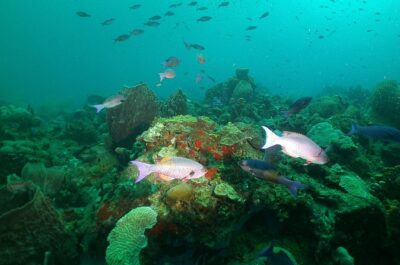
Your first stop is Souda Beach. Even though the exact site conditions aren’t described here, the setup is consistent: before you spend time underwater, you get specialized marine biology context and tools for the task at hand.
This is where the program earns its keep. Instead of generic marine facts, you’ll get briefings that match the type of habitat you chose as a group. That means when you encounter flora and fauna in the water, the information isn’t just trivia—it’s tied to observation and collection methods.
You’ll also be using specialized marine biology equipment, not just standard scuba gear. That matters because it signals the intent of the day. You’re not there only to look; you’re there to gather information and learn the logic behind what researchers do.
If you’re the kind of person who likes structure—facts, then application—Souda Beach is the first proof point. You’ll see how quickly the biology lessons convert into real-world underwater work.
Plakias stop: two tailored underwater sessions for certified scuba participants
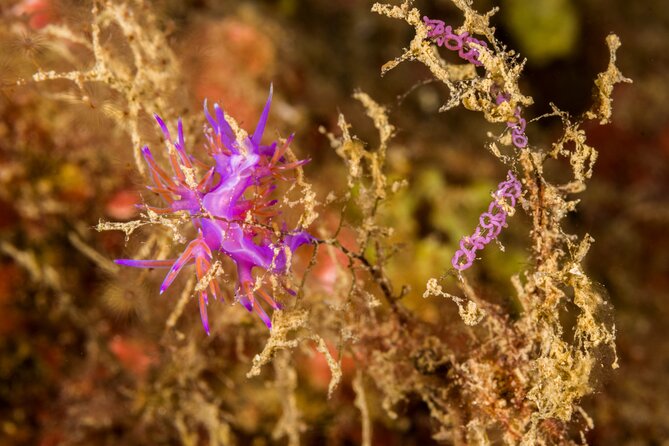
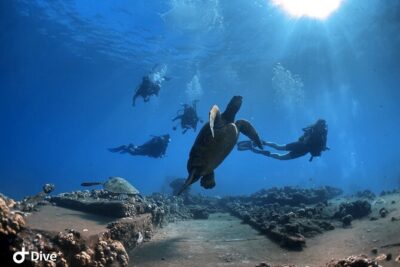
The second stop is Plakias. This is where you get the second chunk of learning, and the schedule is designed to keep things connected. Your day includes two underwater sessions (for certified scuba participants only), and the plan is tailored to your level, experience, and interests.
In practice, that tailoring can mean you’re not just repeating the same routine twice. It’s more like two research-style rounds, each with a learning goal. One of the most popular elements from similar programs at this center is the mix of observation plus participation—taking notes, collecting samples when appropriate, and comparing what you find.
Some groups get into sediment-focused tasks, collecting material and then analyzing results later in the field lab. If your group’s interests line up with that kind of work, you’ll get a better sense of the hidden “small world” living under and around marine habitats.
You should also know the program is private, with only your group participating. And since the maximum group size is four, you’ll have room for questions that actually fit your situation—especially if you’re not an “instant naturalist” and you still want the how-and-why of the science.
Back at the open-air lab: microscopes, samples, and a proper debrief
After the two underwater sessions, the day loops back to the 5-star PADI scuba center and marine field station. This is where the experience stops being only a water activity and becomes a mini field research day.
First, you’ll debrief. That’s not just a chat; it’s part of the learning cycle. You’ll talk through what you experienced, what you collected (if applicable), and what it likely means.
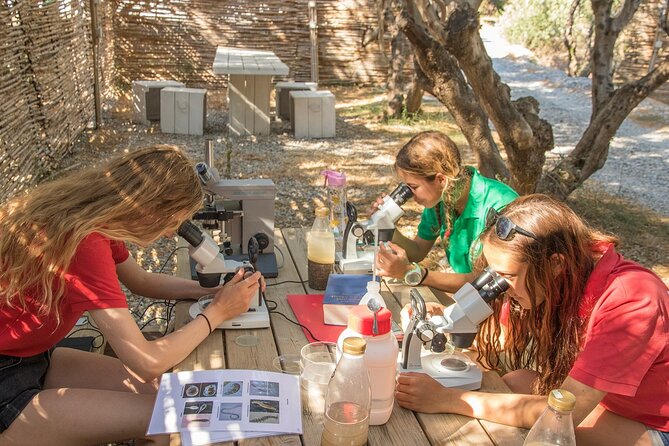
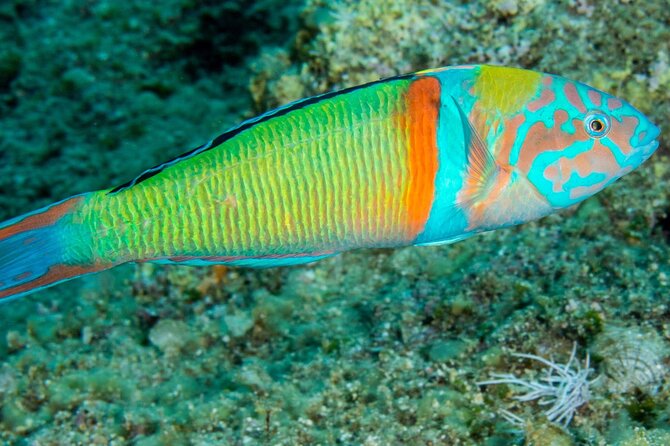
Then comes the fun part for anyone who likes seeing things clearly: you’ll look at your samples under a microscope in an open-air marine biology lab. The Mediterranean has lots of life that you miss at first glance. The microscope step is the moment where tiny organisms and micro-ecosystems stop being theoretical and start looking real.
One reviewer-style highlight from this kind of program is the way the microscopy session makes seagrass habitats feel like a whole world of their own. If your chosen biome includes seagrass, you may find the lab work especially interesting because it turns plant habitat into a living system you can identify and discuss.
You might also do recognition-style learning—working from observations you made underwater and checking them against what you see under magnification. When that clicks, it’s a big reason the day scores so well.
What’s included (and why it changes the value)
The price is $308.58 per person for the day, roughly about one day. You’re paying for more than scuba time. Here’s what’s included:
- Bottled water
- Use of scuba equipment
- Specialized marine biology equipment
- Microscopes in an open-air marine biology lab
Not included is lunch (you eat together at a taverna on the beach, paid separately) and underwater photos, which you can buy for 19 euros.
So where’s the value? It’s in the combination of:
1) marine biologist-led briefings,
2) small group attention (max four), and
3) the lab component with microscopes and sample work.
If you’ve ever done scuba where the instruction stops once you’re in the water, you’ll notice the difference here fast. The day is structured so learning happens before, during, and after. That turns the day into something you can remember for the biology, not just the sensation of being underwater.
Lunch being separate isn’t a dealbreaker; it just means you can choose how and what you eat. The upside is you’ll be able to plan it as part of the beach atmosphere rather than squeezing in something quick.
Who this is best for in Crete
This experience fits best if you:
- are a certified scuba participant and want your skills to feel purposeful,
- enjoy learning science you can connect to the real world,
- like small groups and direct attention from specialists,
- are curious about the Mediterranean’s flora and fauna and how researchers study it.
It’s also a strong choice if you like structured fun: briefings first, then field-style work, then a microscope session where you can verify what you think you saw.
What might not fit is anyone who isn’t ready for a full active day. You need moderate physical fitness, plus health and fitness for scuba. And because this is for certified scuba participants, it’s not designed for people who want to start from zero during this day.
Should you book this marine biology day in Crete?
I’d book it if you want scuba with a real learning mission—and especially if you’re the type who likes the before-and-after loop: facts, observation, then microscopes. The small group size (max four) and the open-air lab debrief are the ingredients that keep this from feeling like a standard outing.
Skip it if you want a relaxed, low-effort day or if you’re not certified and scuba-ready. Also, plan for lunch and optional photos separately so there are no surprises when you’re hungry or want a keepsake.
If your interests lean toward marine habitats, research methods, and hands-on citizen-science participation, this Crete day program is a smart use of your time.
FAQ
Do I need to be certified to join this experience?
Yes. The program is for certified scuba participants only, and it includes two underwater sessions.
How large is the group?
It’s private, and the group is limited to a maximum of four scuba participants.
What’s included in the price?
Bottled water, use of scuba equipment, specialized marine biology equipment, and use of microscopes in an open-air marine biology lab are included.
Is lunch included?
No. Lunch is not included, but you’ll eat together at a taverna on the beach and pay separately.
Are the photos included?
No. Underwater photos can be purchased separately for 19 euros.
Where do I meet and when does it start?
It starts at 8:30 am at the 5-star PADI scuba school and marine field station in Myrthianos Plakias, and it ends back at the same meeting point.