REVIEW · CRETE
Heraklion: Scuba Diving Experience for Beginners _Beach
Book on GetYourGuide →Operated by AQUADIVE · Bookable on GetYourGuide
First breath underwater can be nerve-racking. This beginner scuba course in Agia Pelagia’s Mononaftis beach area is built for exactly that moment, with certified instruction and a calm start right from the shore. You’ll learn what to do before you ever go down, then get guided attention while you breathe underwater for the first time.
I especially like two things: the small groups (up to 10) and the fact that an instructor sticks with you in the water when you need reassurance. I also like the location setup—easy beach access at Agia Pelagia means less stress than trying to handle gear and steps in a less beginner-friendly spot.
One drawback to plan for: even when the water time is short, the full day can feel longer because pickup windows and returns can push you back later (some people reported waiting until around 2 pm).
In This Review
- Key Things You’ll Notice Right Away
- Where You’ll Start: Mononaftis Beach in Agia Pelagia
- The 3–6 Hour Flow: Theory, Skills, Then 45 Minutes Underwater
- Safety and Instructor Attention: What “Certified” Feels Like in Practice
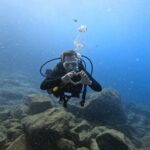
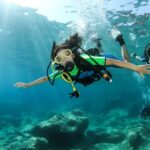
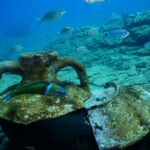
- What You’ll See Below: Sun Rays, Fish, and Seabed Details
- Equipment and What’s Included (and What’s Not)
- Price and Value: Is $81 Reasonable for Your First Time?
- Pickup, Timing, and Why You Might Return Later Than Expected
- Who Should Book It (and Who Should Skip)
- What to Bring: Small Stuff That Changes Your Day
- Should You Book This Beginner Scuba Course?
- FAQ
- What’s included in the price?
- How long is the experience?
- Do I need any scuba certificate?
- Where do we meet and when?
- Is pickup offered?
- What should I bring, and is food included?
- Who can’t participate?
Key Things You’ll Notice Right Away
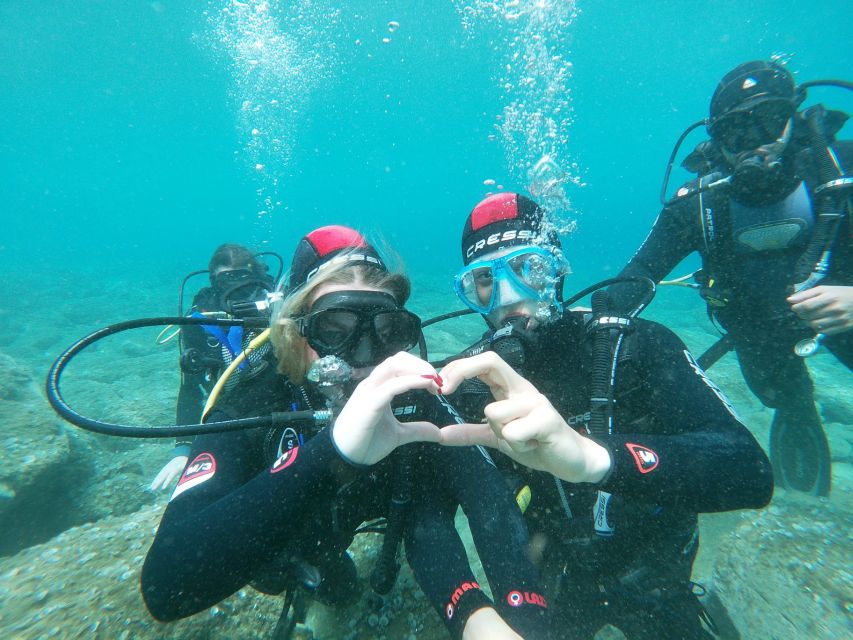
- Personal instructor support while you learn and during the underwater part
- Mononaftis shore access in Agia Pelagia for an approachable first session
- Theory + hands-on skills before you get any air underwater
- Colorful seabed light and fish close to the bottom you can actually look at
- Underwater photos are extra, so bring cash/card if you want the memories
Where You’ll Start: Mononaftis Beach in Agia Pelagia
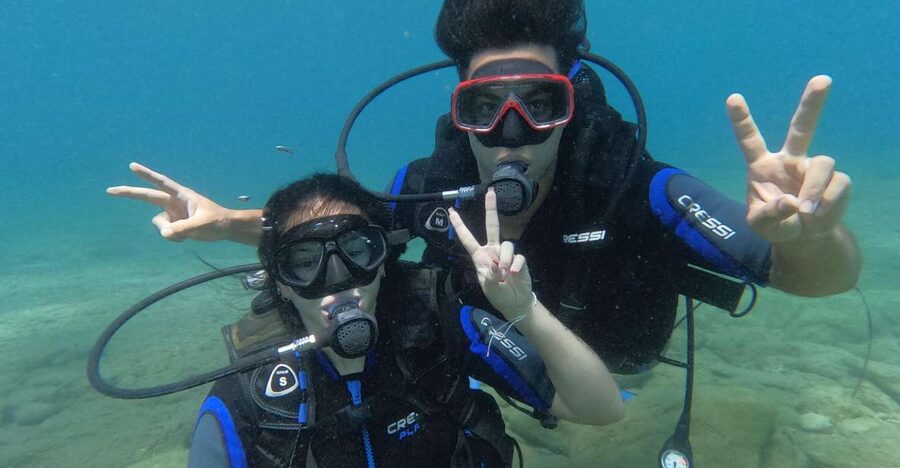
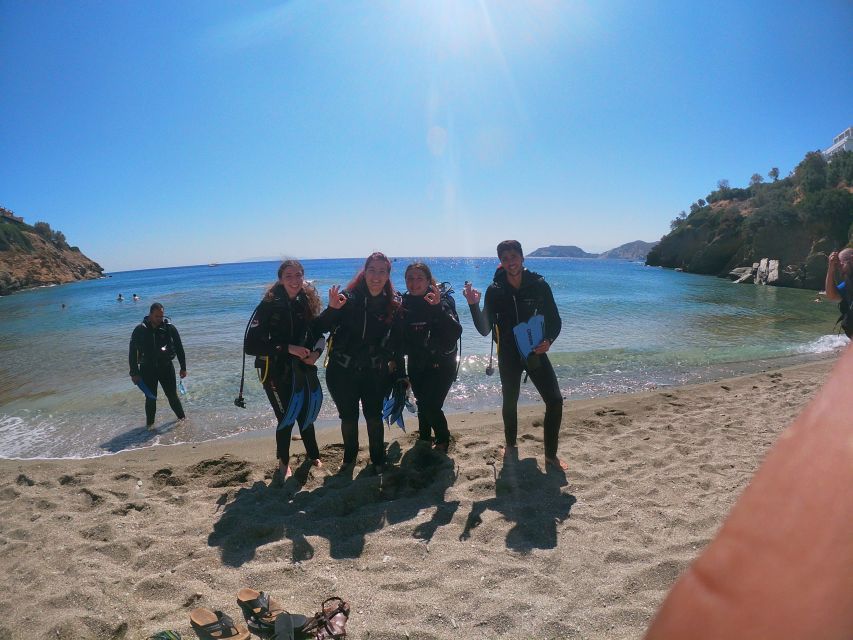
If you’re new to scuba, your brain wants two things: a clear plan and a place that makes sense. This course starts at Mononaftis beach in Agia Pelagia, which matters more than it sounds. It’s a shore entry setup, so you’re not dealing with boats, rolling waves, or complicated transfers once you’re geared up.
Agia Pelagia itself is the kind of Cretan village that’s easy to enjoy before and after a structured activity. You get the best of both worlds: you’re doing something active and technical, but you’re still near cafes and beach time on a real seaside town.
The real selling point here is the first step. People describe this session as close to the surface during the early part of the experience, which helps first-timers calm down. When you can see the waterline and understand what your body is doing, you spend less time panicking and more time learning.
You can also read our reviews of more tours and experiences in Crete.
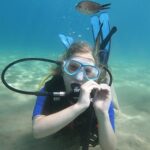
The 3–6 Hour Flow: Theory, Skills, Then 45 Minutes Underwater
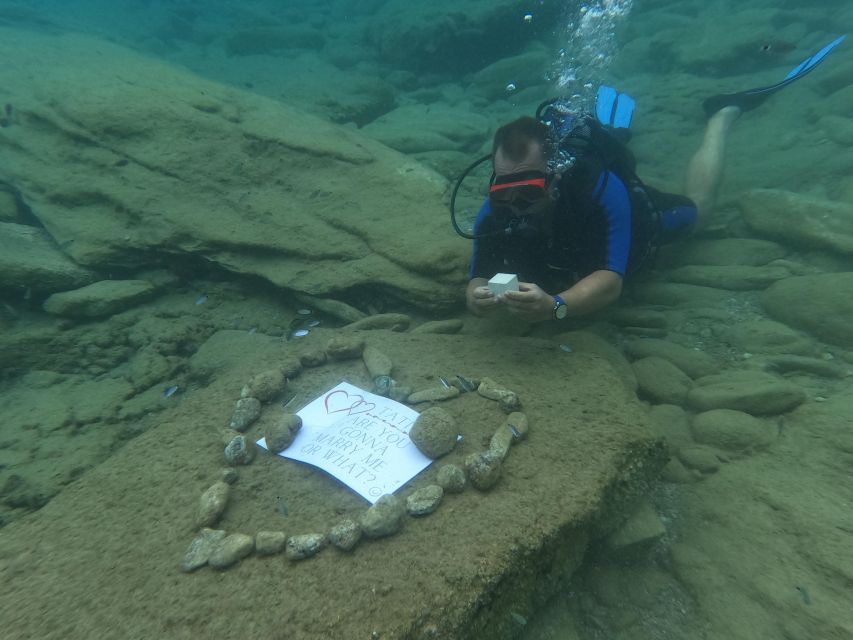
The whole program runs about 3 to 6 hours, with set start times. You’ll either meet at the base at 9:15 am or 11:30 am (for the option without transfer). Groups are limited, and you’ll be assigned a slot, with the exact timing sent by email the day before.
What I like about the structure is that it doesn’t throw you into the hardest part first. You start with a 30-minute digital theory lesson. It’s offered in multiple languages (English, German, French, Greek, Russian, Spanish). That matters because scuba isn’t just about courage—it’s about breathing control, buoyancy basics, and knowing what to do if something feels off.
After that, you get equipped with full scuba gear (including a wetsuit) and then practice the basic commands in a controlled setting before you move into the open underwater time. The included underwater segment is 45 minutes, which is a realistic length for a first session: long enough to feel like you did something meaningful, short enough that you’re not exhausted.
A few practical notes for pacing:
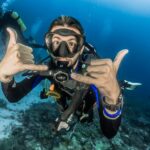
- You’ll learn underwater basics like simple signals and the key actions needed to move and breathe safely.
- You should expect a slower learning curve at first. That’s normal. One reason the program feels beginner-friendly is that the coaching is tailored to individuals, not to an imaginary perfect student.
Safety and Instructor Attention: What “Certified” Feels Like in Practice
Safety here isn’t just a poster on a wall. Your experience is designed around instruction from a certified instructor, with a small-group format that keeps eyes on you.
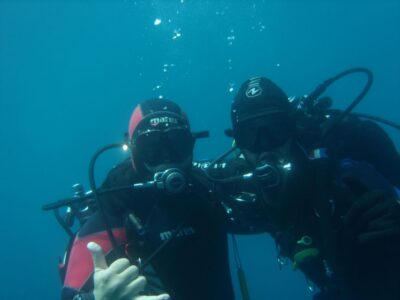
A theme that comes through in the feedback is patience. First-timers, including nervous people and even those who forgot basics like contact lenses, report that their instructor stayed close and worked through discomfort calmly. Names like George and Alex come up repeatedly in positive feedback for being attentive and reassuring.
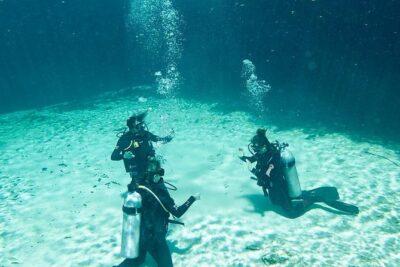
In the water, the instructor-follow support is a big deal. When you’re learning breathing and buoyancy, it helps to know someone competent is right there if you freeze. The result is that you’re not constantly “figuring it out alone” while your body is learning a new rhythm.
Another good sign is the gear quality. Participants specifically mention that suits and equipment were well cared for, and that the staff made them feel prepared step-by-step. That kind of setup reduces the odds of panicky improvisation.
What You’ll See Below: Sun Rays, Fish, and Seabed Details
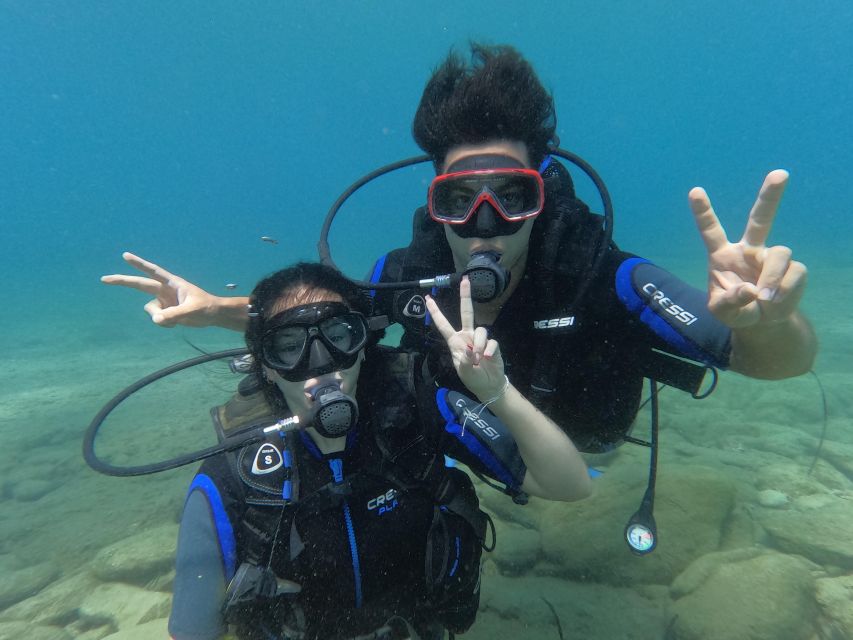
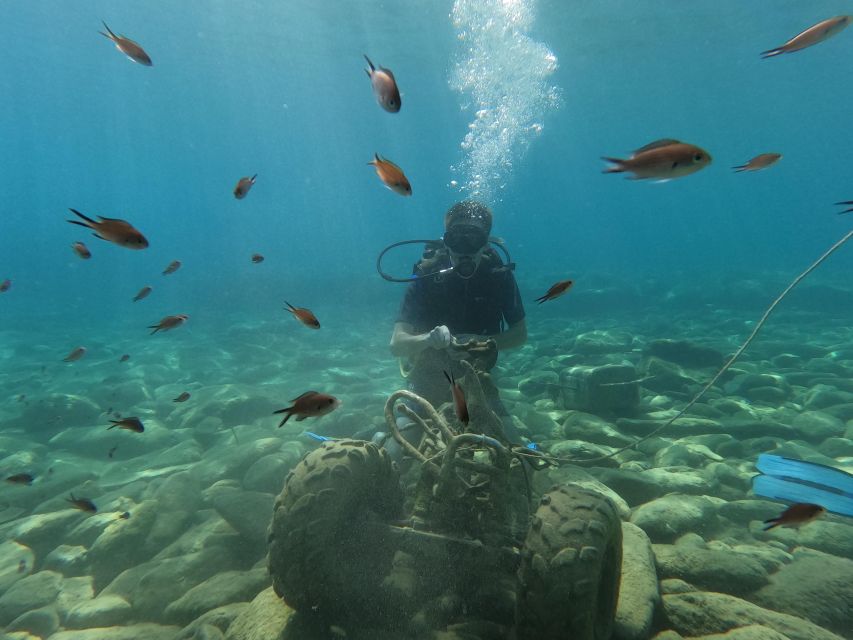
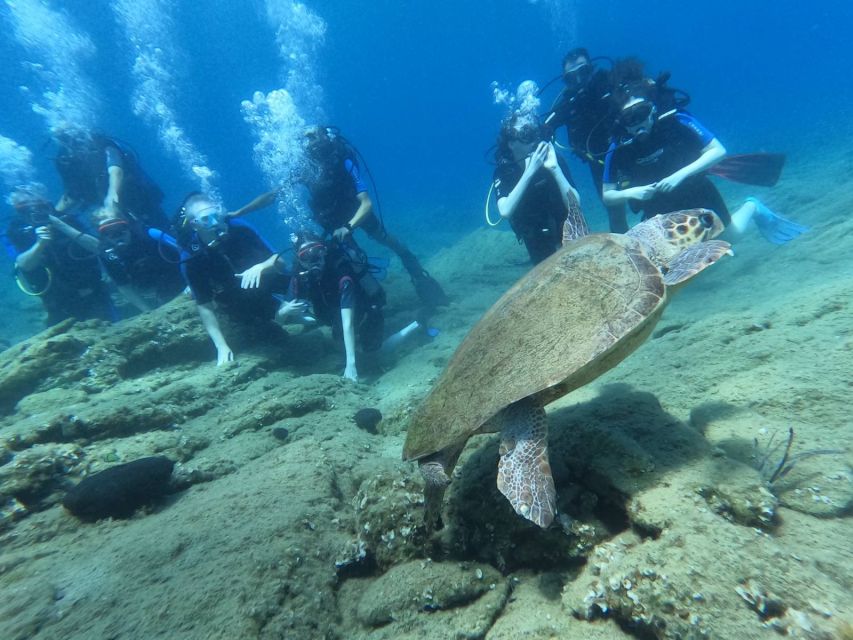
This isn’t a deep-water expedition. This is about seeing life underwater up close while you learn the fundamentals. Expect a shallow, beginner-friendly setup with clear visibility when conditions cooperate.
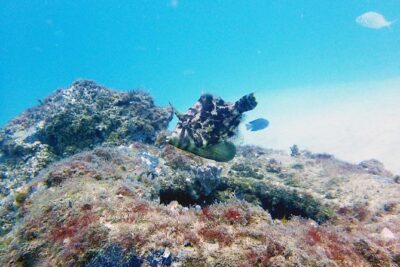
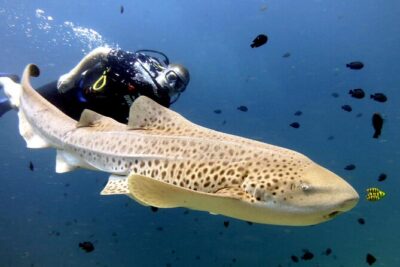
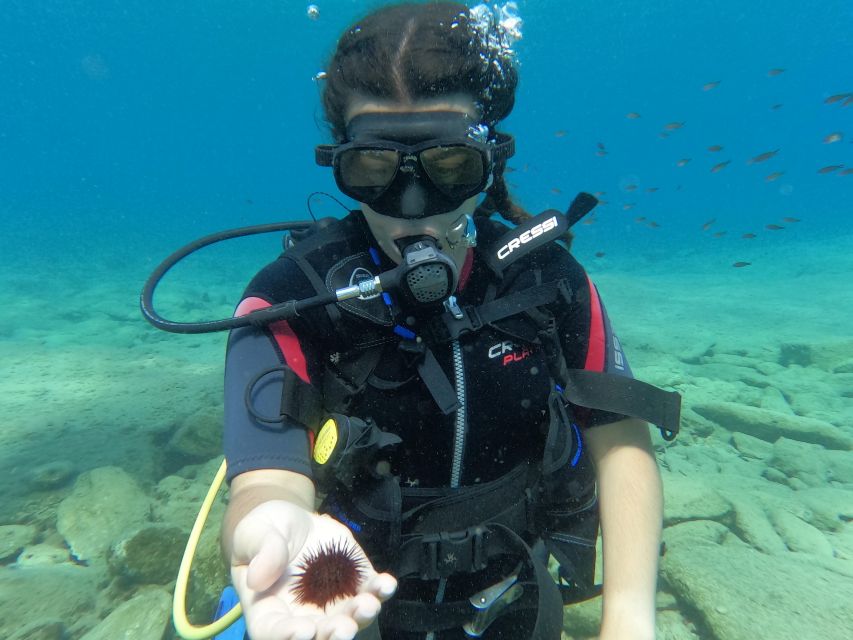
People describe the experience as colorful thanks to the light. Sun rays can reach down and illuminate the seabed, giving you a visual anchor when you’re learning to stay calm. And because you’re near the bottom, you get a chance to actually notice marine life instead of just staring into the distance.
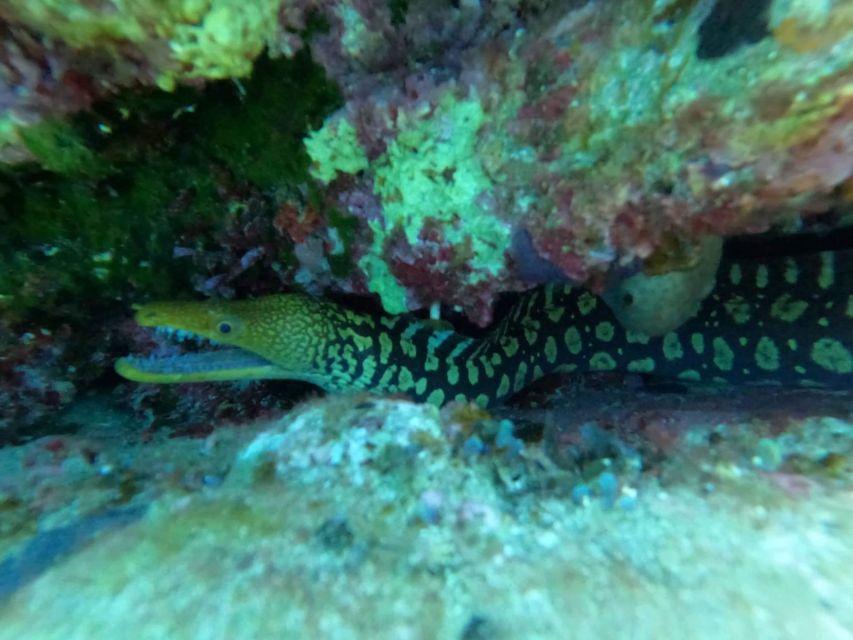
Common sightings mentioned include:
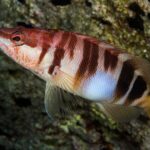
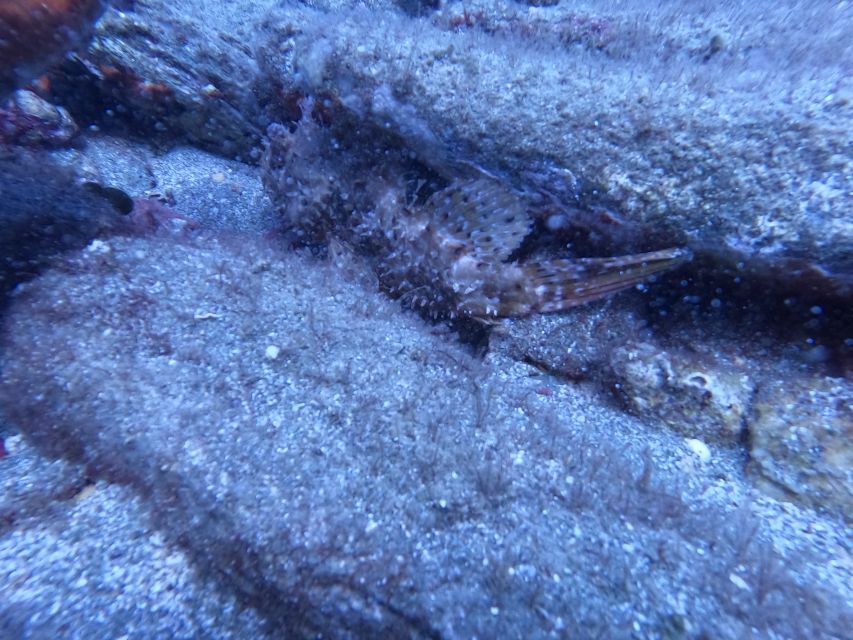
- schools of fish near the seabed
- sea urchins
- rock formations close to the entry area
- a general feeling of lots of texture under the water
One caveat: marine life can shift. Some people reported that fewer animals were visible because of local fishing activity. That’s not a reason to cancel—just a reminder that the ocean is not a museum diorama.
Also, you won’t likely be spending your time taking your own photos. Your own camera isn’t allowed for security reasons, but the operator may offer underwater photos and videos for purchase after your session.
Equipment and What’s Included (and What’s Not)
You don’t need to shop for scuba gear before you arrive. The included package covers the essentials:
- full scuba equipment
- a wetsuit
- water
- a digital experience diploma
- diving insurance
- the theory lesson (30 minutes) in your selected language
- the underwater part (45 minutes)
- pickup and drop-off from selected areas
Not included:
- photos and videos
- food
That photo detail matters for budgeting. Many people add the underwater images because it’s hard to remember your first breath underwater without a record. But the cost varies by what you choose, and multiple people said prices were around 15€ per person for photos (with card sometimes higher). If you buy for two people, it adds up fast—so decide ahead of time if memories matter to you.
If you’re trying to save money, you can always skip photos and enjoy the experience live. If you want a souvenir, bring cash, since some people noted cash is cheaper than card.

Price and Value: Is $81 Reasonable for Your First Time?
At about $81 per person, this is priced like a structured beginner course, not like a vague “try it once” marketing stunt. The value comes from what you actually get: a theory lesson, full gear, insurance, and a guided underwater session with certified instruction.
Here’s how I think about value for a first-timer:
- You’re paying for coaching—not just water time. The coaching quality is the main factor that determines whether you feel safe and whether you enjoy the experience.
- Short underwater time is intentional. Forty-five minutes is long enough to make it memorable while keeping learning stress manageable.
- Photos are extra, so the true cost for some people becomes higher. If you want images, expect to budget more.
Compared to do-it-yourself scuba, the included insurance and instruction make this a safer and more beginner-friendly option. Compared to more advanced training, you’re not paying for certification in the full sense—this is about the first actual underwater breathing experience with the basics.
Pickup, Timing, and Why You Might Return Later Than Expected
The program runs in groups. That means your day can stretch even if your underwater time is fixed.
If you choose pickup, it generally starts around 8:30 am and the drop-off can land around 2:30 pm. Some people reported having to wait until the afternoon for the return to their hotel after an earlier start.
If you’re doing this with a tight schedule (a museum, dinner reservation, or a car ride), I suggest you plan a buffer. The good news is the wait happens in a place you can actually enjoy: Agia Pelagia and the beach area are pleasant, and the whole point is to turn that waiting into downtime, not frustration.
If you’re not using transfer, you meet directly at the base at 9:15 am or 11:30 am. Either way, you’ll be grouped by other participants doing the same session on the same day.
A practical tip: check your email the day before, including spam folders. Your group assignment affects when you show up so you don’t wait around for no reason.
Who Should Book It (and Who Should Skip)
This is designed for beginners, but it’s not for everyone. The program specifies that it’s not suitable for:
- children under 8
- pregnant women
- people with heart problems
- people with respiratory issues
- people with epilepsy
- people with diabetes
- people over 65
- people with pre-existing medical conditions
- people with high blood pressure
- people with recent surgeries
Also, you’ll need to complete a medical questionnaire before participating. That’s a serious part of scuba safety.
If you’re healthy and you’re curious about scuba for the first time, this fits well—especially if you want a guided, shore-entry experience with a certified instructor rather than a solo experiment.
If you’re anxious, that can still be a good fit. Multiple people said they were terrified at first, then calmed down once an instructor stayed close and explained clearly.
What to Bring: Small Stuff That Changes Your Day
For a smooth start, pack like a practical person, not like a diver.
Bring:
- swimwear
- a towel
- snacks (food isn’t included)
- flip-flops
If you wear contacts, this is worth calling out. At least one participant forgot them, and their instructor was accommodating and careful. Still, it’s better to be ready.
What to avoid:
- alcohol and drugs
One more smart move: go in rested. You’re learning breathing control and basic commands, which is easier with a calm head and a body that isn’t already worn out.
Should You Book This Beginner Scuba Course?
I’d book this if:
- you want your first underwater breathing experience with certified instruction
- you prefer a shore-entry setup you can wrap your mind around quickly
- you value patient coaching over “tough it out” bravado
- you’ll enjoy the simple goal of seeing fish and seabed life up close, not chasing a complex itinerary
I’d think twice if:
- you’re sensitive to schedule padding and long return times
- you don’t want any extra costs after the main price (photos/videos are typically paid separately)
- you fall into one of the listed medical categories and need to skip scuba entirely
If you’re booking a Crete trip and want one standout, learn-something, do-something day that isn’t complicated logistically, this beginner course at Mononaftis beach is a strong choice.
FAQ
What’s included in the price?
You get a certified instructor, a 30-minute digital theory lesson (in any language available), full scuba equipment, water, a 45-minute underwater session, diving insurance, a digital experience diploma, and pickup/drop-off from selected areas.
How long is the experience?
The total duration is typically 3 to 6 hours, depending on group scheduling. The underwater part is 45 minutes.
Do I need any scuba certificate?
No. This is described as ideal for people who want to try scuba without a diving certificate.
Where do we meet and when?
If you choose no transfer, you meet directly at the base at 9:15 am or 11:30 am. Exact group timing is sent to you by email the day before, including spam folders.
Is pickup offered?
Yes, pickup is optional and available from selected areas. If transfer is included, pickup generally begins around 8:30 am and drop-off around 2:30 pm.
What should I bring, and is food included?
Bring swimwear, a towel, snacks, and flip-flops. Food is not included.
Who can’t participate?
It is not suitable for children under 8, pregnant women, and people with specific medical conditions such as heart or respiratory issues, epilepsy, diabetes, high blood pressure, recent surgeries, and it’s also not for people over 65. A medical questionnaire must be completed before diving.