REVIEW · TULAMBEN
PADI Open water Course in Tulamben – Get certified & dive anywhere in the world
Book on Viator →Operated by Bali Diving Academy · Bookable on Viator
Scuba skills start with calm water. This PADI Open Water course in Tulamben pairs a fixed local center, small groups, and reef-smart instructors for a first certification that’s recognized worldwide.
I particularly like the way the training is built for real beginners: pool skills first, then ocean sessions that apply those exact basics step by step. I also love the flexibility of the PADI e-learning theory, which you can do before the 3 days or during them, then review with a certified instructor.
One thing to consider: this experience needs good weather, and cancellations are non-refundable. If you’re booking near the edge of Bali’s changeable conditions, you’ll want to keep some breathing room in your schedule.
In This Review
- Key things to know before you go
- Tulamben, calm currents, and instructors who know the reef
- Your PADI Open Water timeline: online theory, pool skills, ocean sessions
- Theory: PADI e-learning, reviewed by your instructor
- Day 1: confined-water skills (pool sessions)
- Days 2–3: open-water sessions 1 to 4
- Small groups and a patient teaching style (the I Made Sutama factor)
- What you’ll actually get for $325 (and why included extras matter)
- Where you’ll swim: Tulamben sites and what to ask your instructor
- Timing, pickup, and the practical flow of a 3-day course
- Weather matters, and cancellations aren’t flexible
- Who should take this course (and who should ask questions first)
- Should you book this PADI Open Water course in Tulamben?
- FAQ
- How long is the PADI Open Water course?
- What time does the course start?
- Does the course include online theory?
- What depth will I be certified to reach?
- Is pickup included?
- How big are the groups?
- What’s included in the price?
- Is lunch included?
- What happens if the course is canceled due to weather?
Key things to know before you go
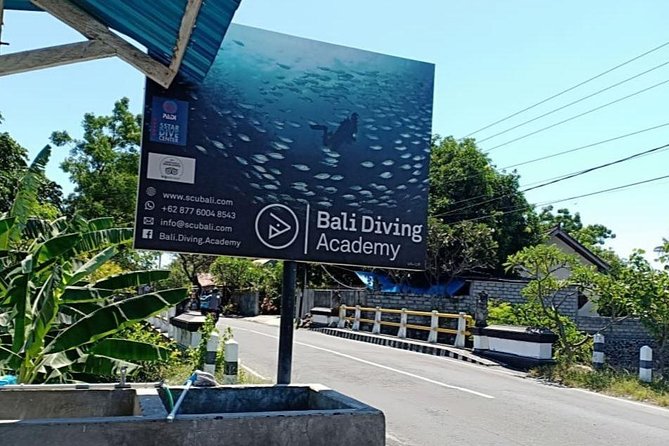
- Small group size (max 6) helps you get the attention you need during tricky moments.
- Online theory via PADI e-learning means you control your prep time, then confirm it in instructor review.
- Pool/confined-water skills first so you’re not learning basics at the ocean’s edge.
- Local, reef-familiar guidance since the instructors live on location and know the area’s conditions.
- Equipment is included, plus pickup and drop-off around Tulamben.
- You’ll be certified to 18 meters, opening the door to PADI-recognized scuba anywhere.
Tulamben, calm currents, and instructors who know the reef
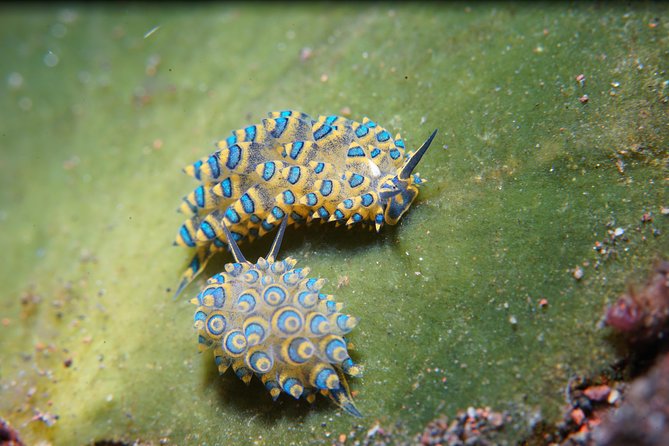
Tulamben is a practical choice for a first certification. The training area is set up so conditions are usually gentle around the sites, which matters a lot when you’re learning buoyancy, breathing control, and staying calm under a tank. For your first days, that calmer feel can turn scuba from scary to doable fast.
A big reason this course works well here is the staffing. The academy has a fixed center in Tulamben, and the guides live on location. That’s not just convenient. It usually means they’re familiar with the reef, the local underwater life, and how conditions shift—so they can adjust your lessons without drama.
The course also keeps things personal. With a maximum of 6 students, you’re not fighting for instructor time. That’s huge during skills practice, when you need someone watching your breathing, checking your setup, and helping you troubleshoot before it becomes a panic loop.
You can also read our reviews of more tours and experiences in Tulamben.

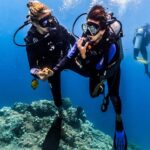
Your PADI Open Water timeline: online theory, pool skills, ocean sessions
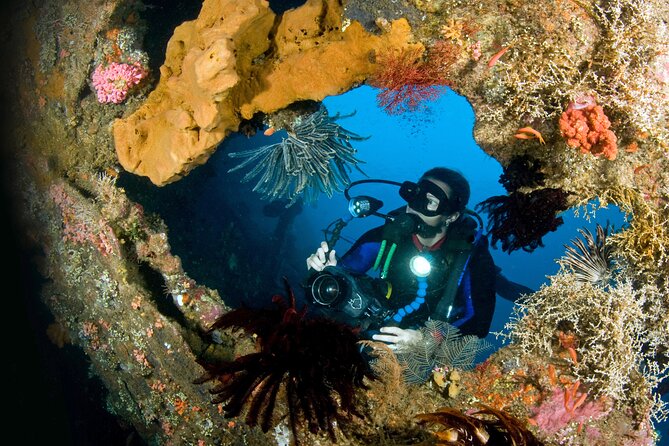
This is a 3-day PADI Open Water course. PADI Open Water is the first certification level, and it’s recognized around the world, meaning you’re not just learning for one weekend—you’re earning a credential you can use later.
Here’s how the training is structured.
Theory: PADI e-learning, reviewed by your instructor
Theory happens online using the PADI e-learning platform. You can complete it before the course starts, or you can do it during the 3 days. Either way, a certified instructor reviews it with you so you understand the why, not just the what.
For most first-timers, the theory is where people feel lost. The value here is that you’re not expected to brute-force it alone. The instructor connects the concepts to what you’ll do in the water.
Day 1: confined-water skills (pool sessions)
On the first day, you learn the core scuba basics in a safe, controlled environment. This is where you build comfort with equipment checks, breathing while underwater, and core skill practice without ocean variables making everything harder.
Think of this day as building your mental checklist. You’ll learn how to manage your gear, how to respond if something feels off, and how to stay relaxed while you practice. For beginners, that’s the day you can quietly feel your confidence rise.
Days 2–3: open-water sessions 1 to 4
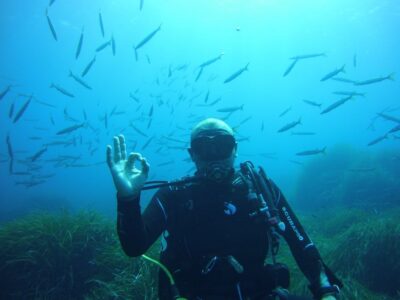
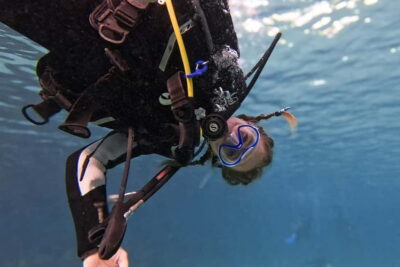
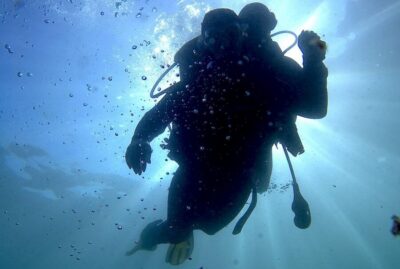
The second and third days are ocean sessions. Open Water sessions 1 through 4 take the skills from the pool and apply them in real water, so you learn how the basics behave when you’re not in a classroom-like setting.
Each session is designed to get you using new skills while also exploring the underwater world around Bali. The point is not just sightseeing. It’s tying controlled practice to real conditions, so you finish the course knowing you can repeat the fundamentals safely.
By the end, you’ll be certified to 18 meters. That depth limit isn’t magic, but it’s the practical goal of PADI Open Water: enough training structure to move forward, without overwhelming a new diver.
Small groups and a patient teaching style (the I Made Sutama factor)
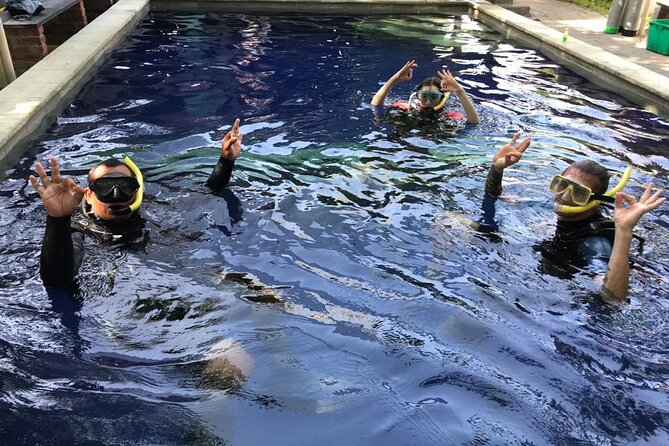
Your instructor experience can make or break your first certification. The standout in the provided feedback is the teaching style: patient, calm, and highly attentive. One name that comes up clearly is I Made Sutama. Students describe him as super attentive and relaxed, including helping them through challenging moments with steady guidance.
That matters because first-time scuba often comes with a few emotional spikes. Maybe your breathing feels weird. Maybe you struggle with buoyancy. Maybe you worry you’ll do something wrong. A good instructor doesn’t rush you past those feelings. They slow down, explain, and help you regain control.
Another practical point: staff responsiveness seems strong. Fast, easy communication before you start can reduce stress on the day. Less admin chaos means more focus on learning and getting comfortable with your setup.
Finally, equipment quality shows up in the feedback. Clean scuba equipment is not a luxury when you’re learning. When gear is maintained and fitting correctly, your body doesn’t fight the experience while you’re also learning the basics.
What you’ll actually get for $325 (and why included extras matter)
The price is $325 per person for the 3-day course. At first glance, you might compare it to cheaper options in other places. Here’s the thing: this package includes several items that usually cost extra elsewhere—so the value depends on what’s covered.
What’s included:
- Certified PADI instructor
- Pickup and drop-off around the Tulamben area
- Community contributions, porter and park fee
- Scuba equipment
What’s not included:
- Lunch
- Camera rental or digital souvenir photos/videos (available to purchase)
I like that the equipment is included. That removes a big source of hassle and makes the training more consistent—especially for beginners who might not know what to ask for or how to handle rental gear questions.
Also, the course includes community and park-related fees. Those can be easy to miss when you compare prices, and they can be why one option costs more than another even when the training looks similar.
One more small value detail: mobile ticket use is mentioned. That often means less paper and fewer last-minute confusion points.
Group discounts are also listed as a feature. If you’re coming with friends or family, ask about combining to reduce your per-person cost.
Where you’ll swim: Tulamben sites and what to ask your instructor
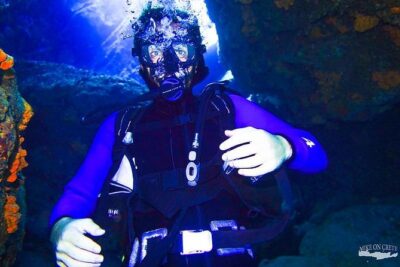
Tulamben is known for a mix of underwater scenery. In the feedback you provided, the sites that came up include the USAT Liberty wreck, the Coral Garden, and the Tulamben drop-off.
You shouldn’t assume you’ll do all of them every time—conditions and session planning can change—but it’s a good sign that the area offers variety even within beginner-friendly training. For you, variety means you’re less likely to finish the course feeling like you only practiced in one boring corner.
A smart move: when you arrive, ask your instructor what sites you’ll cover each day and what the conditions are expected to be like. Since the guides live on location and know the reef, they’re the ones best positioned to tell you what’s realistic.
What you can count on is the structure: you’ll be using new skills in open water while getting a look at Bali underwater. That combo is what makes Open Water feel like a real accomplishment, not just a skills checklist.
Timing, pickup, and the practical flow of a 3-day course
The start time is 8:00 am. For most people, that’s early, but it’s also practical. Morning water conditions are often better for learning, and it gives you enough time to complete sessions without rushing.
You get pickup and drop-off around Tulamben. That’s helpful because it lets you show up focused, not coordinating transport while you’re trying to get mentally ready for your first equipment setup.
Since the course runs for about 3 days, your schedule may not feel like a normal vacation. This is training. You’ll want to treat it like a mini course: be on time, drink water, and keep your energy up so you can learn without exhaustion slowing you down.
Moderate physical fitness is required. That doesn’t mean you need to be an athlete, but you should be comfortable with walking to and from the water and handling basic gear tasks with guidance.
Weather matters, and cancellations aren’t flexible
This experience requires good weather. If it’s canceled due to poor weather, you’ll be offered a different date or a full refund.
That part is fair. The part you need to plan around is the cancellation terms: the experience is non-refundable and cannot be changed for any reason if you cancel or request amendments.
So my advice is simple:
- Only book when you’re reasonably sure your schedule can move.
- If you’re visiting Bali around seasonal weather swings, leave some buffer days.
- Be ready for the reality that the ocean decides sometimes.
Who should take this course (and who should ask questions first)
This course is ideal if you’re new to scuba and want a worldwide-recognized certification. The beginner-friendly approach—pool sessions first, then ocean sessions—matches exactly what you want when your first goal is confidence.
It also seems to work for families, with one set of students mentioned including kids aged 14 and 12. That suggests the program can handle younger students in a structured way, but you should still check any age-specific rules with the provider before booking, since they aren’t spelled out here.
If you have any medical concerns or you’re unsure about equalizing comfort (a common question for first-timers), you’ll want to ask before you start. The only fitness guidance given is moderate physical fitness, so don’t assume other issues won’t matter.
Should you book this PADI Open Water course in Tulamben?
Book it if you want:
- A small-group learning environment where you’re not rushed.
- A course that starts with confined-water skills before you’re thrown into open water.
- The support of a calm, attentive instructor style, with examples like I Made Sutama showing up in the feedback.
- Included equipment and pickup/drop-off so you can focus on learning.
Consider passing or asking more questions first if:
- Your schedule is tight and non-refundable terms would be painful if weather changes.
- You need lunch included in the package and don’t want to plan meals around a morning start.
If you’re ready for a real “first scuba certification” milestone, this setup in Tulamben makes sense. It’s not just about finishing paperwork. It’s about learning the basics with patient guidance in conditions that are usually gentle enough for beginners to succeed.
FAQ
How long is the PADI Open Water course?
The course runs for 3 days (approx.).
What time does the course start?
The start time is 8:00 am.
Does the course include online theory?
Yes. Theory is done online via the PADI e-learning platform and is reviewed with a certified instructor. You can do it before the course starts or during the 3 days.
What depth will I be certified to reach?
By the end of the course, you’ll be certified to dive to 18 meters deep.
Is pickup included?
Yes. Pickup and drop-off are offered around the Tulamben area.
How big are the groups?
The experience has a maximum of 6 travelers.
What’s included in the price?
Included items are a certified PADI instructor, pickup and drop-off around Tulamben, community contributions including porter and park fee, and use of scuba equipment.
Is lunch included?
No. Lunch is not included.
What happens if the course is canceled due to weather?
The experience requires good weather. If it’s canceled due to poor weather, you’ll be offered a different date or a full refund.