REVIEW · OAHU
Hawaii DISCOVER Beginner + Certified 2 Tank Shallow Scuba Diving
Book on Viator →Operated by Waikiki Dive Center · Bookable on Viator
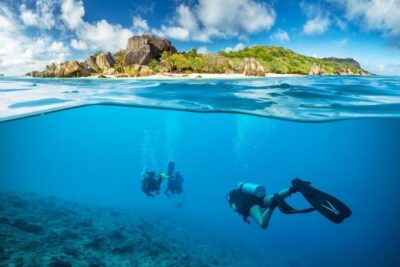
If you want real ocean scuba, this is the kind of day. It’s built around two shallow tank sessions, real gear, and professional instructors instead of a quick beach demo. You also get to choose a morning or afternoon slot, which matters when you’re balancing Waikiki plans.
Two things I like a lot: you don’t need prior PADI certification to join the beginner side, and the small-group format means you get steady help from start to finish. The staff I’d trust most are the patient coaches you hear about, like Matt and Chad, who focus on comfort and control before you head out.
One possible drawback to plan for: this is still an open-ocean activity, so you need to be ready for motion sickness and ear-pressure issues. A few people got queasy on the surface or had ear popping, so bring motion-sickness support and don’t push through pain.
In This Review
- Key points I’d bank on before you go
- Real Ocean, Two Tank Sessions: What Makes This Program Feel Legit
- Who It Fits Best: Beginner First-Timers and Certified Refresher Divers
- Getting There in Waikiki: Transfers, Time on the Clock, and What the Stops Mean
- Timing expectations that help you plan
- Two Shallow Tank Sessions: Gear, Coaching, and Safety You Can Feel
- What “small group” means in real life
- A quick note on comfort issues (because they’re common)
- Marine Life in the Area: What You Can Likely See and How to Enjoy It
- Price and Value at $299: What You’re Really Buying
- Preparing for Motion, Equalization, and Medication Rules
- After the last tank session
- If Something Goes Off Plan: Current, Currents, and Feeling Sick
- Should You Book This Oahu Two-Tank Scuba Experience?
- FAQ
- Do I need PADI certification to join as a beginner?
- Can I choose a morning or afternoon tank session?
- Where do I meet for the tour?
- What’s included in the price?
- Do I need a medical form?
- What if the trip is canceled due to weather or minimum travelers?
Key points I’d bank on before you go
- No PADI certification required for beginners: you’ll follow the program’s training path instead of “prove you’re certified first.”
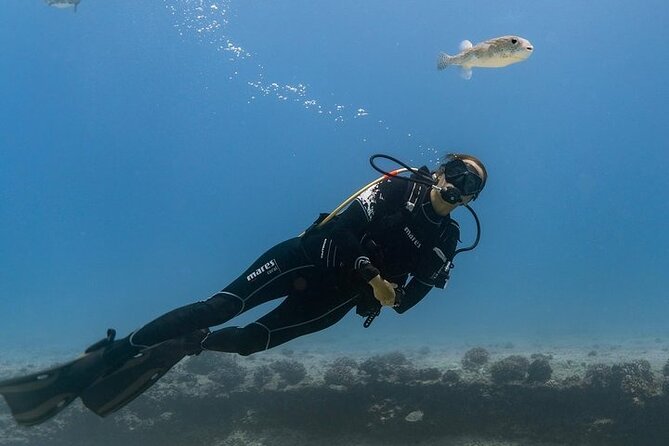
- Two shallow tank sessions (not a 40-minute beach stunt): you’ll spend real time underwater with proper setup and coaching.
- Hotel transfers plus a simple Waikiki meeting point: less logistics stress, especially if you’re new to the island.
- Small groups up to 22 people: more instructor attention, less waiting around.
- Beginner and certified divers are generally separated: you’ll be coached with people at a similar skill level.
- Medical questionnaire and possible doctor consent: this protects you, but you should handle paperwork early.
Real Ocean, Two Tank Sessions: What Makes This Program Feel Legit
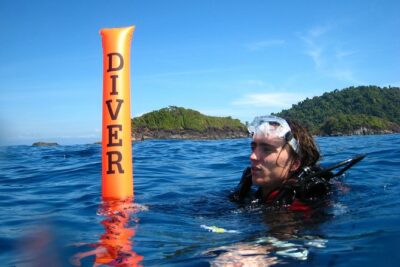
This Oahu experience is designed for people who want the real thing without the sketchy side of scuba tourism. The big selling point is straightforward: two shallow ocean tank sessions, and you’re coached by real PADI-qualified professionals rather than a “teach yourself” situation. You’re also on a proper dive vessel that takes you out into the open water instead of keeping everything at the shoreline.
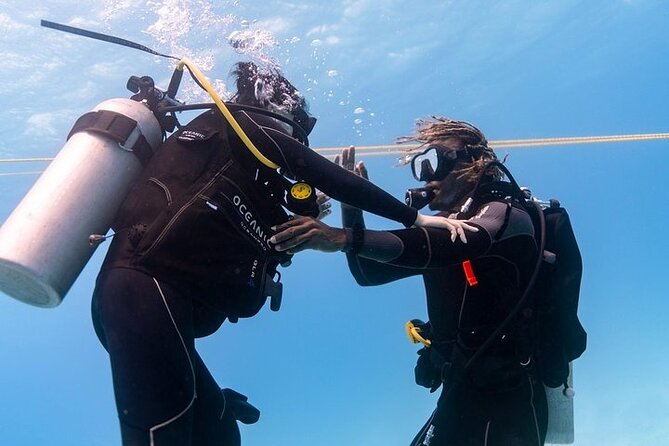
I also like that the day is built around control and repeatable skills. The format is beginner-friendly, but it’s not watered down. You’ll get one-on-one training and then you’ll practice what you’re taught, with the guide watching your breathing, buoyancy, and safety steps before you move on.
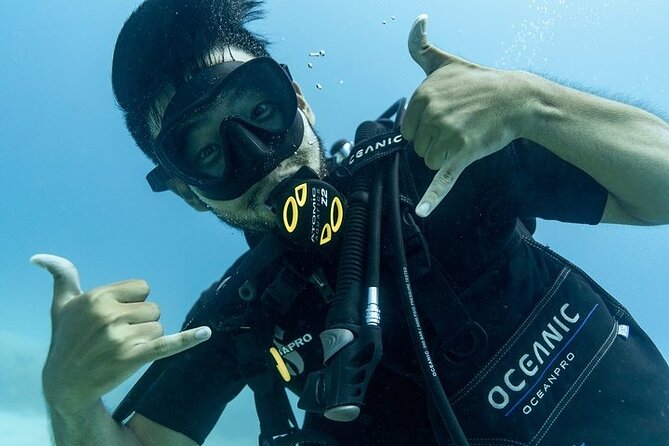
The staff quality shows up in the details people remember. In particular, guides like Matt and Chad are described as calm, patient, and focused on helping you feel stable underwater fast. If you’re the type who worries you’ll panic, that coaching style matters more than any marketing.
You can also read our reviews of more tours and experiences in Oahu.
Who It Fits Best: Beginner First-Timers and Certified Refresher Divers
This is aimed at two groups: true beginners (no PADI certification required) and certified divers who want an easy, skills-friendly two-tank outing.
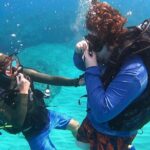
If you’re brand new, you’ll be placed with other non-certified beginners in general. That’s a big deal because your instructor can pace the training and keep you from feeling rushed. You’ll also handle the breathing and equalization steps with attention, which is often where first-timers get stuck.
If you’re already certified, you’ll still benefit from the structure. One certified diver described it as a good refresher, especially because the instructor had them do the steps themselves while still checking everything before going forward. It’s a nice middle ground when you’ve been away from the water for a while.
Who might find it less ideal: if you’re looking for deep technical profile training or lots of dramatically different sites, this is intentionally “shallow and first-timer friendly.” The payoff is comfort, marine life, and confidence-building rather than advanced exploration.
Getting There in Waikiki: Transfers, Time on the Clock, and What the Stops Mean
The day starts around Waikiki, and you’ll meet at the Waikiki shop location at 424 Nāhua St. Even though the program includes round-trip transfers from your hotel, you’ll still want to plan on arriving early enough for check-in and gear setup.
From there, you’ll travel through the Waikiki/Oahu corridor with stops that include Waikiki Beach and Ala Moana Beach Park, plus a stop around Kewalo Basin. In plain terms, those stops usually mean two things for you: you’re moving toward the boat operation point, and you’re passing some of the most recognizable coastline landmarks without having to rent a car.
There’s also a stop around Diamond Head Crater. If you like photos or you simply want to understand how Waikiki sits under that big landmark, that’s a pleasant break. Just keep expectations realistic: this is not a sightseeing tour first; it’s an ocean activity. So treat the land stops as “scenic route moments,” not a long land itinerary.
Timing expectations that help you plan
The full experience runs about 4 hours. With that kind of schedule, it’s best to build in a “low-stress day.” Skip anything that requires strict timing right after, especially if you’re new to equalizing or you tend to get motion sick.
Two Shallow Tank Sessions: Gear, Coaching, and Safety You Can Feel
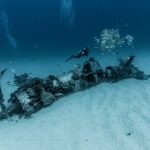
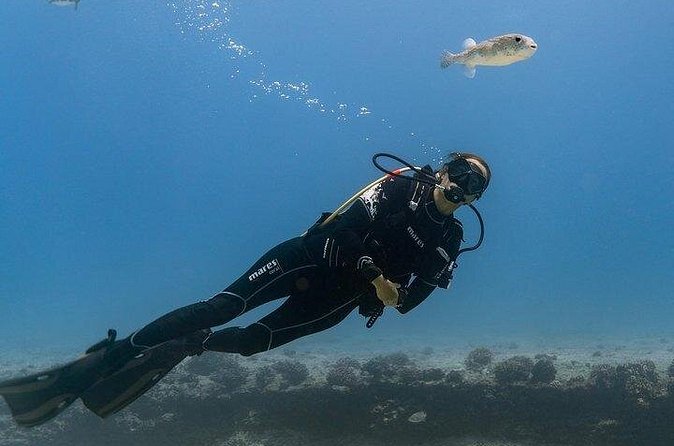
You’re getting two tank sessions and scuba equipment included, which helps a lot when you’re traveling. The equipment part matters because when you’re new, gear fit and comfort are half the battle. The better staff can make the mask seal feel natural quickly and make breathing feel predictable.
What you should expect from the coaching:
- You get trained before entering the water, not after you’re already wrestling equipment.
- You practice core skills step-by-step, and the guide keeps control without taking over your whole body.
- You’re actively watched for safety, especially around breathing and equalization.
In the reviews, people repeatedly highlight patience and clarity. One first-timer said the instruction was calm and confidence-building, and that they felt comfortable once they were underwater. Another diver mentioned their instructor holding back just enough so they could do the steps themselves, then double-checking before continuing. That’s exactly the kind of balance you want: guided, but not helpless.
What “small group” means in real life
This is capped at 22 travelers, and beginner groups are generally separated from certified divers. Translation: you’re less likely to get stuck waiting while the boat and staff manage a crowded class. You also tend to get more direct attention when something goes off plan, like choppy water or a mask that won’t seal.
A quick note on comfort issues (because they’re common)
Ear equalization is a top concern for first-timers. One person noted sharp ear pain from pressure. Another said they got queasy on the surface. Those aren’t “doom” signs, but they are a reminder: you need to communicate early if something feels wrong, and you should treat equalization as a skill you earn, not a test you pass.
Marine Life in the Area: What You Can Likely See and How to Enjoy It
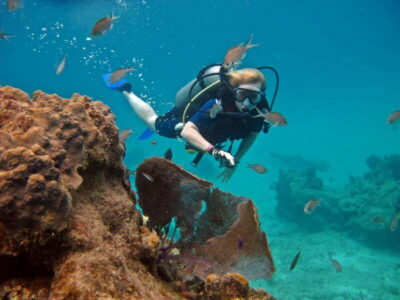
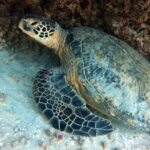
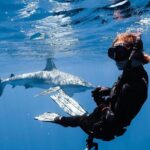
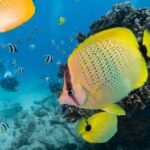
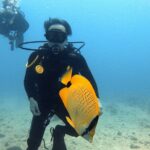
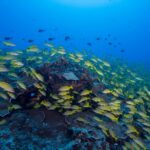
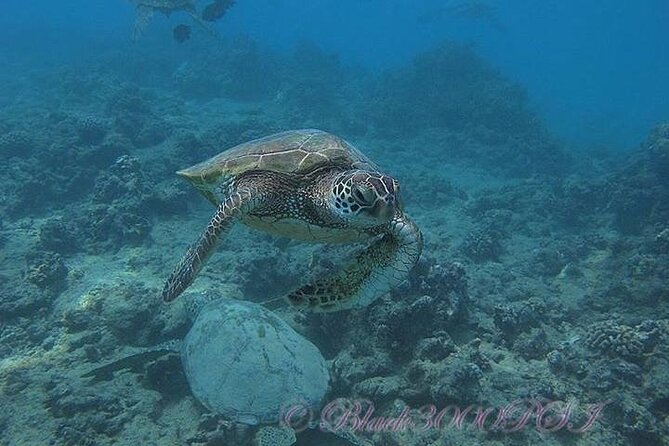
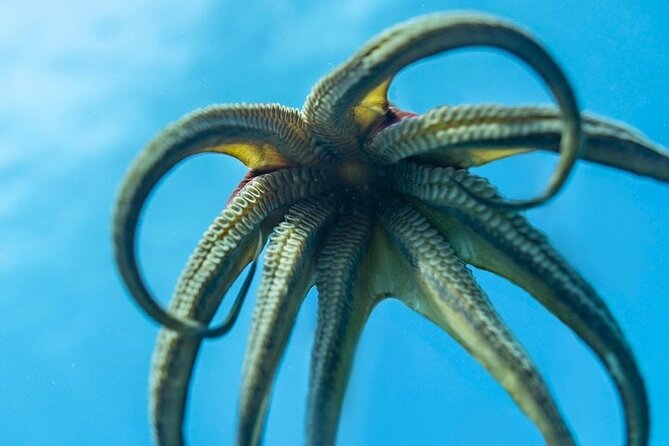
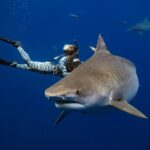
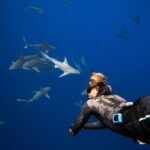
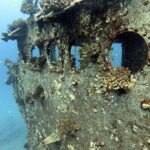
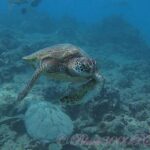
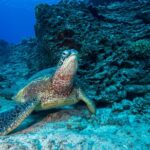
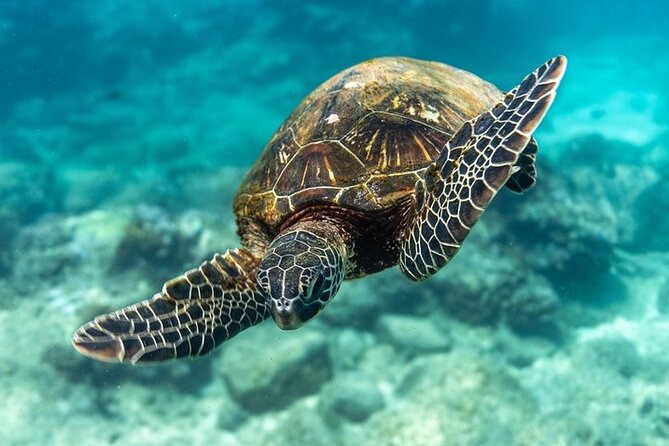
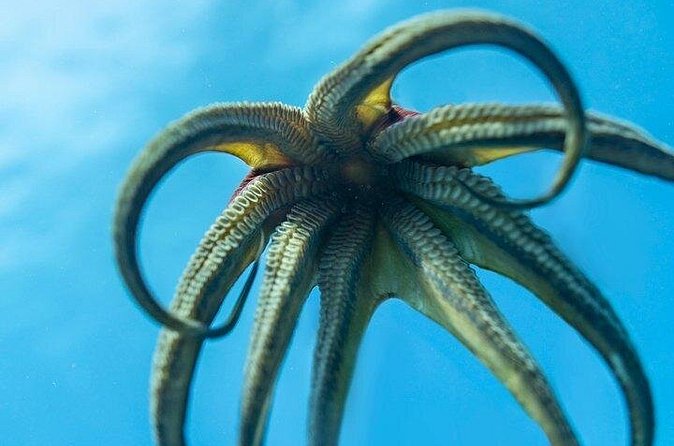
This program is designed for reef and coastal wildlife viewing. You’re in Oahu waters with a chance to see animals like turtles, rays, reef sharks, octopus, and lots of tropical fish. Dolphins can sometimes join you, depending on conditions.
The realism here matters. One guest described a great turtle sighting, while another talked about a wide mix of sea life like eels and rays with strong visibility. Another noted that they saw a humpback whale from the boat ride between tank sessions.
How to enjoy it without turning it into a checklist:
- Focus on slow, controlled movement. When you move gently, you disturb less and you see more.
- Keep buoyancy calm. Good buoyancy is basically a wildlife-watching cheat code.
- Look off to the sides as well as straight ahead. A lot of reef life is lateral.
If your goal is “maximum marine life per minute,” shallow sessions can be surprisingly good. You’re not chasing depth; you’re hanging out where the action is.
Price and Value at $299: What You’re Really Buying
At $299 per person, you’re paying for more than a basic rental-and-go. Here’s what that money covers based on what’s included:
- Two tank sessions
- Scuba equipment
- Round-trip transfers from your hotel
- Professional instruction and safety support
That’s why it can feel like better value than cheaper-looking options. The biggest hidden cost in scuba travel is time and coaching. You don’t just need gear; you need a guide who can prevent mistakes before they start.
What’s not included:
- Bottled water (you’ll want your own)
- Food and drinks beyond that
I’d plan to bring whatever you like to snack on after. Since the activity is only about 4 hours, you don’t want to be hungry and cranky while your body resets after being underwater.
Preparing for Motion, Equalization, and Medication Rules
This is where you can make or break the experience, especially if it’s your first time.
The program asks you to review a PADI medical questionnaire on the waiver, and it notes that you may need a doctor’s consent before check-in if required. If you fail the medical step at check-in time, you can lose your booking charge. So handle the paperwork early.
Also plan around these rules:
- Don’t drink alcohol before your scuba session.
- Bring coral-safe sunscreen.
- Stay hydrated.
- Consider motion sickness support; Dramamine is specifically suggested.
After the last tank session
You should not fly within 18 hours after your tank sessions. That’s a big deal for anyone with a late flight out of Honolulu. If you’re booking flights, build in cushion time so you’re not stuck choosing between the ocean and your departure.
If Something Goes Off Plan: Current, Currents, and Feeling Sick
Open water is real life, not a controlled classroom.
One person couldn’t complete the second tank session due to a strong current, but they still reported being satisfied and well taken care of. That tells me the staff monitors conditions and makes safety calls, even if it means adjusting the plan.
On the other hand, there are comfort issues to take seriously. A guest reported feeling very sick during the outing and being sick afterward. The response stated the air is tested and certified on schedule by an independent professional company. You can’t control every cause of nausea, but you can reduce risk by preparing for motion, eating lightly, and communicating early.
And if you can’t complete a tank session due to injury, one review described staying on the boat and snorkeling around. Don’t assume that’s guaranteed every time, but it’s a good question to ask if you’re on the fence medically or physically.
Should You Book This Oahu Two-Tank Scuba Experience?
I’d recommend booking it if you match one of these situations:
- You’re a true beginner and want structured coaching with real pros.
- You’re certified but want an easy, confidence-friendly refresher with shallow conditions.
- You want a small group and hotel transfers so your day stays simple.
I’d pause if:
- You know you get sea sick easily or you’re prone to ear-pressure pain.
- You haven’t handled the medical questionnaire and possible doctor consent ahead of time.
- You expect a long, site-hopping day. This is built for two tank sessions with first-timer focus.
If you’re ready to plan smart, this is a solid Waikiki-area choice. The value isn’t just the price. It’s that the program is set up to keep you safe, comfortable, and actually in the ocean for long enough to feel like you learned something.
FAQ
Do I need PADI certification to join as a beginner?
No. The program is designed so that no PADI certification is required for the beginner side.
Can I choose a morning or afternoon tank session?
Yes. You can choose between a morning or an afternoon dive time.
Where do I meet for the tour?
You meet at the Waikiki shop location at 424 Nāhua St, Honolulu, HI 96815. The activity ends back at the meeting point.
What’s included in the price?
The price includes use of scuba equipment and participation in the two shallow tank sessions with professional instruction.
Do I need a medical form?
Yes. You must review the PADI medical questionnaire on the waiver, and if the questionnaire requires it, you’ll need medical doctor consent before check-in.
What if the trip is canceled due to weather or minimum travelers?
If it’s canceled because of poor weather, you’ll be offered a different date or a full refund. If it’s canceled because the minimum number of travelers isn’t met, you’ll be offered a different experience/date or a full refund.