REVIEW · DUBAI
Dubai: Discover Scuba Dive for Beginners at Deep Dive
Book on GetYourGuide →Operated by Deep Dive Dubai · Bookable on GetYourGuide
That feeling when you realize the pool is the size of a planet.
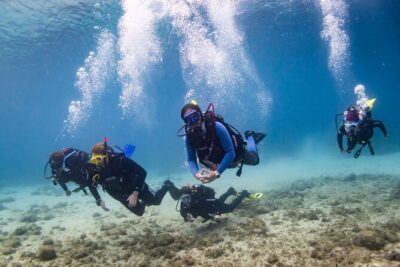
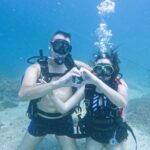
If you want a first-time scuba experience without the chaos of the open ocean, this is built for you. You’ll learn the basics, get geared up, and then explore a sunken, underwater city inside one of Dubai’s headline attractions.
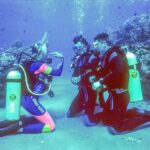
What I like most is the quality of the instruction. The experience is designed for beginners, with a small group (limited to 6) and an instructor-per-people setup of at least 1 instructor per 2 guests. I also love that the setting stays controlled and safe-feeling while you practice before you go deeper.
The one real drawback to consider is the after-care rules. You’ll need to avoid flying and high-altitude activities (like ascending the Burj Khalifa) for up to 18 hours after your session, and it isn’t suitable if you have pre-existing medical conditions.
In This Review
- Key takeaways before you go
- Why this beginner scuba session in Dubai feels different
- Price and what you’re truly paying for at $490
- The first step: safety briefing, equipment basics, and expectations
- Shallow water practice: learning control before you go deeper
- Going to 12 meters: the sunken city moment you came for
- Instruction quality: the difference between panic and calm
- Packages and upgrades: video, certificate, and a behind-the-scenes option
- Who this is best for (and who should skip it)
- The timing rules after your session are serious
- Practical checklist: what to bring and what to follow
- Should you book this Dubai beginner scuba experience?
- FAQ
- How long is the beginner scuba experience in Dubai?
- What is the maximum depth for first-time participants?
- Is this suitable for non-swimmers?
- What age is the minimum for this experience?
- What language is the instruction provided in?
- How big is the group?
- Is equipment and an instructor included in the price?
- Does the price include pickup and drop-off?
- What do I need to bring?
- Can I fly or go to high-altitude places right after?
Key takeaways before you go
- Small group size (limited to 6) keeps the learning focused
- Beginner-first coaching with hands-on guidance and a safety briefing
- Go to 12 meters / 40 feet for a true sense of being underwater
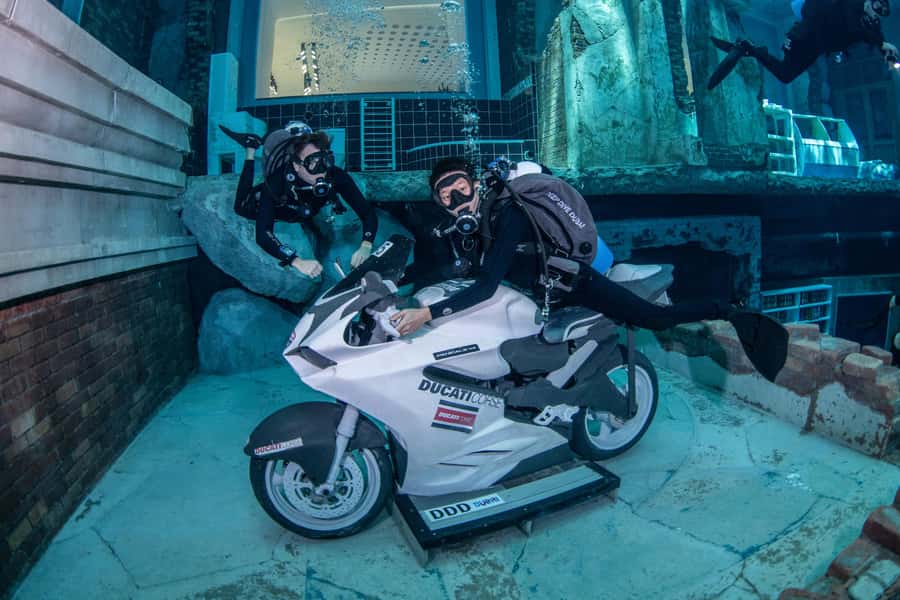
- Sunken city route so it’s more than just skills practice
- Optional upgrades like a highlights video and wall certificate
- Strong review feedback on patient, clear instructors (notably Earnest and Iman)
Why this beginner scuba session in Dubai feels different
Dubai already has a reputation for big, engineered experiences. This one is special because it’s designed to help you feel comfortable fast, even if you’ve never used scuba gear before.
You start with a safety briefing and equipment walkthrough, then do a practice phase in shallow water. Only after you’ve got your breathing and control basics down do you go to a greater depth.
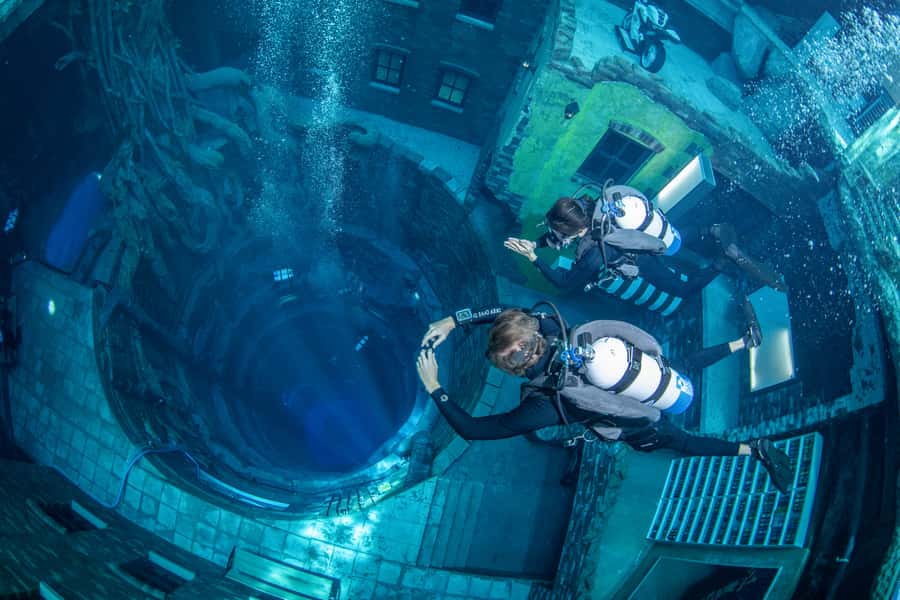
And the visuals matter. Instead of staring at a plain pool wall, you’ll be guided through a setting that’s meant to look like a sunken underwater city. It turns your training into something you remember, not just something you complete.
There’s also a comfort factor: it’s all happening in a purpose-built indoor environment. That means you’re not managing waves, wind, or changing conditions while you’re learning.
You can also read our reviews of more tours and experiences in Dubai.



Price and what you’re truly paying for at $490
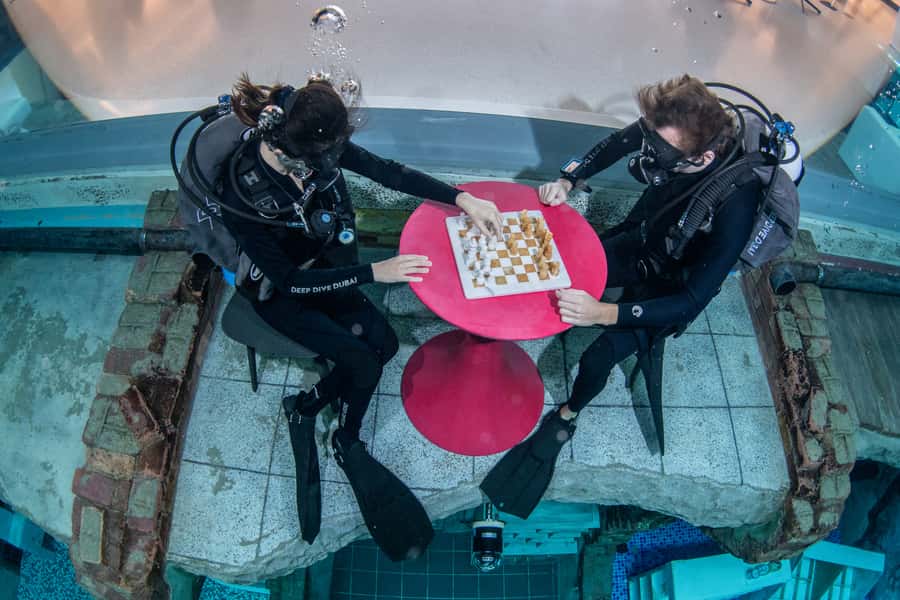
At $490 per person for a 2-hour experience, it’s not a bargain. But the cost makes sense when you look at what’s included and what you’re buying: real instruction, real gear, and a guided underwater experience in a world-record facility.
Here’s what the price covers:
- the scuba session itself
- equipment
- an instructor
- and depending on the package, optional extras like a video and a certificate
That matters because beginner scuba isn’t only about seeing underwater. It’s about learning how to work the gear properly and how to stay calm when you feel new sensations.
What you don’t get is pickup and drop-off. So if you’re staying far away or planning a tight day, you’ll want to budget time and transport costs on your own.
If you’re the kind of person who values one-on-one attention, the small group limit (6) is where the money starts to feel more justified. With fewer people competing for attention, the instructor can move at your pace.
The first step: safety briefing, equipment basics, and expectations
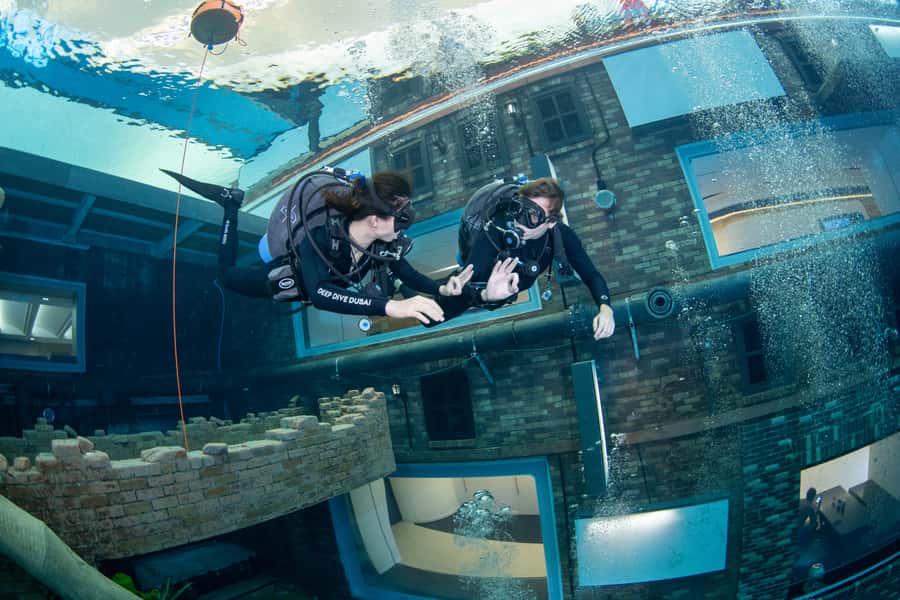
Your session begins with a safety briefing from your instructor. This is the part that helps beginners avoid the common fear loop: thinking you’ll have to figure things out under water.
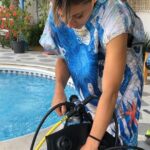
You’ll also get the lowdown on how the equipment works. That’s crucial because scuba gear is intimidating until someone explains it in plain language and checks that you understand the basics.
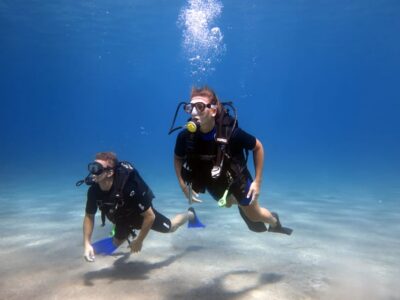
Then comes a practice phase in shallow water. The point isn’t to impress anyone. It’s to help you get your bearings: breathing rhythm, body position, and basic control while you still have the comfort of a shallower environment.
In a good beginner session, you shouldn’t feel rushed. Based on the instructor feedback from past participants, the training tone here tends to be patient and simple, which is exactly what you want on your first attempt.
Also note the practical stuff. You must sign a waiver, and you’ll need to bring a passport or ID card. Swimwear is required too.
Shallow water practice: learning control before you go deeper
This is where the experience earns its beginner-friendly reputation. Shallow water lets you try the motions and techniques while you’re still building confidence.
You’ll be learning best techniques and getting tips from the instructor. If you’re anxious about being underwater, this practice is what changes the whole day from scary to manageable.
A big reason it works: the instructor ratio supports quick corrections. With a setup at least 1 instructor per 2 people, you’re less likely to be left waiting while others catch up.
One of the strongest review themes is that some instructors keep information tight and only give more details when you need them. That approach helps a beginner avoid information overload.
So when you finally start moving toward greater depth, it’s not a leap into total unknown. It’s a next step built on practice.
The only consideration: you should expect to follow instructions closely. This isn’t a casual float. You’re learning a skill, and you’ll do better if you treat the session like training, not like sightseeing.
Going to 12 meters: the sunken city moment you came for
Once you’re ready, you’ll go to a maximum depth of 12 meters / 40 feet. That depth is significant enough to feel real, but it’s still within the planned beginner structure.
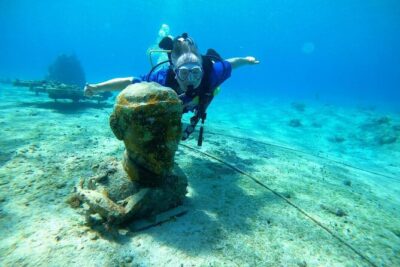
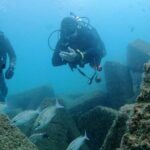
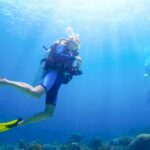
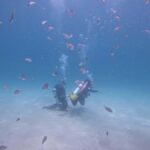
The guided experience includes exploring a sunken, underwater city. This is the payoff for most people: the visuals plus the feeling of moving through an engineered underwater scene.
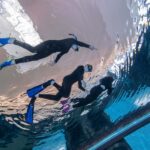
You’ll also be visible to people watching through large viewing windows. That doesn’t change what you see underwater, but it adds an interesting layer to the experience. It’s like the facility turns your training into a spectacle, in the friendly way.
As you go deeper, stay focused on what your instructor cues. Your job isn’t to hunt for scenery. Your job is to stay relaxed and follow guidance so you can actually enjoy the view.
If you’re tempted to compare this to ocean diving, don’t. This experience isn’t about wild nature. It’s about controlled learning with a memorable underwater setting.



Instruction quality: the difference between panic and calm
This is the part you can’t measure until you’re in it. Beginner scuba success depends heavily on how the instructor explains things and how quickly they respond when you’re unsure.
Two names show up strongly in the feedback: Earnest and Iman. People highlighted that the instructor made things simple, gave information only when needed, and taught with patience. That kind of teaching style is exactly what reduces mental noise during a first session.
If you’re learning from someone who can read the room, you’ll feel safer. You’ll also adapt faster, because corrections come when they matter most.
I also like that the session is structured to support learning at your pace. Safety briefing, equipment basics, shallow practice, then greater depth. That sequence protects beginners from jumping ahead too quickly.
If you’ve been nervous about trying scuba before, this is the kind of environment where nerves can shrink after the first practice moments.
Packages and upgrades: video, certificate, and a behind-the-scenes option
The base experience includes the session, equipment, and an instructor. But you can customize with upgrades depending on how you want to remember it.
With the Premium package, you can get a highlights video and a wall certificate. That’s a fun way to turn a 2-hour training session into something you can display.
The Platinum package adds more extras, including a behind-the-scenes tour and a personal instructor. If you care about the production side of how the underwater experience works, that added access could be a big value.
Before you upgrade, think about your goal:
- If you just want to try it and move on, the base may be enough.
- If you want a souvenir and a stronger keepsake, Premium makes sense.
- If you want extra attention and extra access, Platinum might be worth it, especially if you feel you’ll benefit from a more tailored experience.
Either way, the upgrades are optional, so you can match the spend to what you’ll actually use.
Who this is best for (and who should skip it)
This experience is not for everyone, and that’s a good thing. It’s targeted for first-time participants who can follow safety instructions and meet basic requirements.
It’s not suitable for:
- children under 10
- non-swimmers
- people with pre-existing medical conditions
Also, you’ll need to avoid alcohol and drugs, and you’ll need to be careful with timing around travel.
If you’re a beginner who wants a structured lesson in a controlled setting, you’ll probably love this. The small group helps, the instruction is central, and the underwater city gives your brain something to enjoy beyond technique.
If you’re already scuba certified, this may still be interesting for the facility and visuals. But your best experience will likely come from people who want training and coaching, not people who just want to test gear and max depth.
The timing rules after your session are serious
Plan your day around the safety guidance. You should avoid alcohol and any non-prescription drugs at least 24 hours before your session.
Then after you go underwater, you should avoid flying or any high-altitude activities for up to 18 hours. The example given is ascending the Burj Khalifa up to 18 hours after your session.
This matters if you have a packed itinerary. It also matters if you tend to book airport transfers late or plan skyline views right after activity time.
If you’re staying in Dubai only briefly, you’ll want to schedule this earlier rather than last-minute. That way you’re not forced into awkward travel timing.
Practical checklist: what to bring and what to follow
Do a quick pack check before you head to the meeting point. You’ll want:
- passport or ID card
- swimwear
- a signed waiver
Meeting point is at the venue, and you should follow the facility signs.
English instruction is provided, so you don’t need special language skills. The group is small, limited to 6 participants, which also means you’ll benefit from showing up prepared.
What you should not bring:
- alcohol and drugs
And you can’t have unaccompanied minors. So keep the group composition adult-friendly.
If you’re worried about whether you’ll be comfortable, focus on meeting the baseline requirements. The whole program assumes you can participate safely and follow coaching during the practice phase.
Should you book this Dubai beginner scuba experience?
If your main goal is to try scuba with real guidance, in a controlled environment, this is a strong choice. I’d book it if you want patient coaching, a beginner-friendly teaching path, and a guided underwater city in a facility built for exactly this kind of learning.
I would hesitate if:
- you’re planning to fly soon or stack high-altitude plans right after
- you have medical concerns that could conflict with the program’s restrictions
- you’re hoping this will feel like open-water nature rather than training in an engineered setting
One smart way to decide: picture how you felt the last time you tried something technical for the first time. If you prefer instruction that keeps things simple and corrects quickly, this experience matches that style. And if you want a keepsake, check the Premium and Platinum options so you’re not kicking yourself later.
FAQ
How long is the beginner scuba experience in Dubai?
The experience lasts about 2 hours. Starting times depend on availability.
What is the maximum depth for first-time participants?
You can go up to 12 meters or 40 feet below the surface.
Is this suitable for non-swimmers?
No. It’s not suitable for non-swimmers.
What age is the minimum for this experience?
Children under 10 years old are not suitable for this activity.
What language is the instruction provided in?
Instruction is available in English.
How big is the group?
The group is small and limited to 6 participants.
Is equipment and an instructor included in the price?
Yes. The scuba experience includes the dive, equipment, and an instructor.
Does the price include pickup and drop-off?
No. Pickup and drop-off is not included.
What do I need to bring?
Bring your passport or ID card, swimwear, and a signed waiver.
Can I fly or go to high-altitude places right after?
You should avoid flying or activities at high altitudes, including ascending the Burj Khalifa, for up to 18 hours after diving.