REVIEW · KOS
Lets Go Diving with pickup from hotel
Book on Viator →Operated by Aegeas Travel · Bookable on Viator
One good breath underwater changes everything. This Kos excursion takes you to Kokina Bay for a structured, beginner-safe scuba training session with a small team and lots of hands-on help.
I especially like the setup: you’re not shoved into the deep end. You start with a clear safety briefing, practice breathing at the shoreline area, and then move into gentle conditions where the water stays around waist-deep to 5–6 meters.
The one possible drawback is the optional photo/video add-on. If you’re buying extras, I’d plan to follow up on delivery timing, since not every experience with video downloads goes smoothly.
In This Review
- Key Highlights That Matter in Real Life
- Kos Pickup to Pserimos: The Calm Start You Want
- What to expect from the “small island” part
- Price and Logistics: Does $119.83 Feel Fair?
- Gear Included: What You Should Check Before Going Under
- Snorkeling gear is also included
- The Water Plan: From Training Breathing to Gentle Conditions
- Step 1: Get comfortable at the shore
- Step 2: Practice breathing safely
- Step 3: Your first underwater breathing moment
- Step 4: Stay in the protected bay
- Marine Life and the View: What You’ll Actually See
- Dolphins can happen
- Small-group attention helps you spot things
- The Optional Second Session and Photo/Video Reality
- About photos and videos
- Who This Kos Activity Is For (and Who Should Skip It)
- Practical Tips for Making This Smooth
- Should You Book This Kos Beginner Scuba Session?
- FAQ
- Is hotel pickup included?
- How long does the experience last?
- What’s included in the price?
- Do I need to bring my own scuba gear?
- Can I do a second underwater session?
- Is food included?
- Are there any health or timing restrictions?
Key Highlights That Matter in Real Life
- Small group attention: up to 4 people with 2 instructors means more coaching when you need it
- Beginner-safe waters: protected bay rules and limited depth keep things calm
- Gear is included: snorkeling gear and scuba equipment are part of the price
- Kokina Bay conditions: clear, warm water and plenty of marine life to look for
- You may spot dolphins: your day’s marine luck can include dolphin sightings
- Optional extras: you can choose a second underwater session (purchase required)
Kos Pickup to Pserimos: The Calm Start You Want
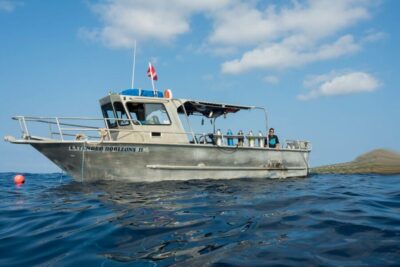
This experience is built for people who want the real “I’m breathing underwater” moment, without chaos. The day starts with pickup from your hotel, with the local supplier telling you the exact time. That matters in Kos, because getting from A to B on your own can turn into extra stress—especially if you’re trying to be organized before you gear up.
From there, you’re heading toward the coast area tied to Pserimos and your training water. Pserimos is the quieter Greek island stop in the mix, and it gives you a sense that this isn’t just a quick repeat of the same tourist routine around Kos.
The best part is how the whole plan respects nerves. You’re not dumped into a random open-water spot. You’re guided into a protected-bay environment where the water conditions are controlled for beginners, which makes the experience feel more like a lesson than a stunt.
You can also read our reviews of more tours and experiences in Kos.

What to expect from the “small island” part
The schedule doesn’t spell out every minute of travel, but the intention is clear: you get out to the coast with a less crowded feel than the main Kos scene. That’s the kind of change that makes a half-day outing feel special.
Price and Logistics: Does $119.83 Feel Fair?
At $119.83 per person, this is priced like a fully guided, equipment-included introduction to scuba. The value comes from three practical things you’re paying for:
- Hotel pickup (so you don’t lose time figuring out transport)
- Equipment included (scuba gear plus snorkeling gear)
- Instructor ratio and safety setup for beginners
If you’ve ever tried to piece together your own rental gear, transport, and a qualified guide, you know how quickly the costs stack up. Here, the package keeps it simple.
One timing note: the activity runs about 1 hour 30 minutes (approx.). That short duration is good if you’re balancing beaches, a Greek dinner, and a sunset walk in Kos. It’s also a reminder: this is training and guided water time, not an all-day production.
If you fly soon, take the health guidance seriously. Doing this within 48 hours of flying is not recommended, and you’ll complete a health questionnaire before you go. If you have asthma, heart conditions, or other issues, check with your doctor first.
Gear Included: What You Should Check Before Going Under
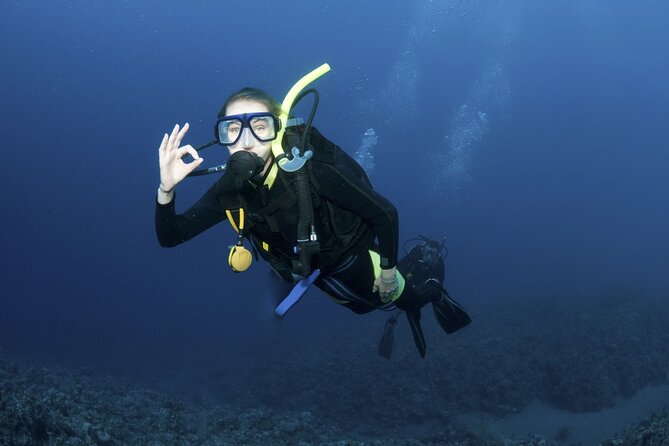
The best scuba experiences start on land. Before you’re in the water, you’ll get instruction on how to use the equipment and you’ll put on your wet suit, mask, and fins. Then the guide helps you with the full scuba setup. That “hands-on until you’re ready” approach is exactly what beginners need.
Since the tour includes equipment, you don’t have to bring anything bulky. Still, you should do the basics:
- Make sure your mask seals comfortably (no constant fogging or obvious leaks)
- Confirm the fins feel secure, not painful
- Ask for quick adjustments if anything pinches, rubs, or feels unstable
One caution based on real-world experience: occasionally, equipment can need swapping if it doesn’t feel right. If anything makes you hesitate about safety or comfort, say so right away. Your comfort and control matter.
Snorkeling gear is also included
Even if your plan is focused on scuba, having snorkeling equipment included can be a nice backup if you want more surface time or just a different way to look around.
The Water Plan: From Training Breathing to Gentle Conditions
Here’s the core flow, and it’s built to reduce fear fast.
First, you get an in-depth briefing. Then you head into the water with your small group—2 instructors working closely with you, in a group that’s small enough for real attention (up to 4 people is described in the format).
Step 1: Get comfortable at the shore
You’ll swim from your start point to a small beach where the sea is waist deep. That’s a smart staging area. Your brain can focus on breathing and body position, not on scrambling in deep water.
Step 2: Practice breathing safely
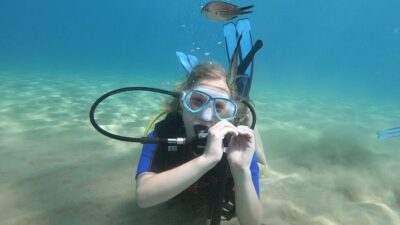
Before you go fully underwater, you practice breathing techniques in a controlled way. This is where most beginners breathe easy (sometimes literally). Once you’ve heard how your own breathing sounds through the gear and you know you can stay calm, the rest feels far more doable.
Step 3: Your first underwater breathing moment
Then an instructor helps you breathe underwater. The goal isn’t speed or bravado. It’s getting that first clean “this is actually happening” feeling.
Step 4: Stay in the protected bay
You’ll stay within the protected bay, where the water is never more than 5–6 meters deep. That depth limit is a big deal. It helps keep the environment stable and manageable, which is exactly what reduces stress and makes the session more enjoyable.
Marine Life and the View: What You’ll Actually See
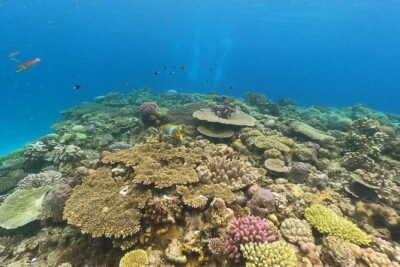
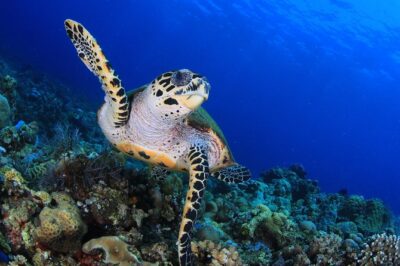
The headline promise here is marine life. Kokina Bay is the place where the water is described as clear and warm, with lots to look at while you move slowly with your group.
What I like about this approach is the pacing. You’re guided to an area where it’s easier to watch animals because you’re not fighting big swells or extreme depths. You can focus on slow, steady observation.
Dolphins can happen
One standout detail from past experiences is that dolphins sometimes show up during the day’s water time. That’s not something you can guarantee, but if it happens, it’s the kind of moment you remember long after the gear is packed away.
Small-group attention helps you spot things
When you’re with just a few people and two instructors, you don’t get ignored when you drift or when you’re busy trying to understand what you’re seeing. You also get more help aligning your body so you can look where you want.
The Optional Second Session and Photo/Video Reality
After your main session, you take a break. Then you have an option to do more: a 2nd underwater session is available for purchase. There’s also mention of a PADI Discover Scuba program option, which is typically the kind of follow-up that can help you build confidence if you want more structured practice.
About photos and videos
There’s an option to buy souvenir photos/videos. Some people love this because it gives you proof of that underwater breathing moment. In at least one case, though, the video delivery didn’t arrive when expected.
My practical advice: if you’re buying video or waiting for a download, ask clearly when you can expect it. Save the confirmation messages and keep an eye on timing. It’s usually smooth—but it’s worth managing expectations.
Who This Kos Activity Is For (and Who Should Skip It)
This works best if you’re:
- Curious about scuba but want training, not pressure
- A beginner who wants a safety briefing and structured practice
- Traveling with limited time and want an organized, efficient outing
It also fits people who prefer smaller groups and close instructor attention. With up to 8 travelers on the larger end and small-team coaching in the water, you’re not likely to feel lost.
You should pay extra attention to medical guidance. The health questionnaire and the note about not doing the activity within 48 hours of flying are not optional paperwork. If you’re unsure about asthma, heart conditions, or other concerns, check with your doctor before you commit.
Practical Tips for Making This Smooth
A few small things can make a big difference in how you enjoy your session:
- Bring a change of clothes and expect to feel chilly afterward even if the water is warm
- If you’re anxious, tell your instructor early. The briefing is meant to calm you down, not just inform you
- Don’t rush the mask fit. A comfortable seal makes the breathing training easier
- If you’re considering a photo/video purchase, ask about delivery timing so you’re not stuck waiting
If you’re doing this as part of a bigger Kos itinerary, treat it like one highlight you planned well—then leave time afterward to decompress. You’ll be happy you didn’t schedule a chaotic day directly after.
Should You Book This Kos Beginner Scuba Session?
I’d book it if you want the classic “first time underwater breath” experience with real coaching, included gear, and gentle, protected-water conditions near Kos and Pserimos. The structure—briefing, waist-deep practice, then guided underwater breathing in limited depth—removes a lot of the uncertainty that scares beginners.
I’d think twice if you’re mainly chasing certainty about photo/video delivery or if you’re the type who needs perfectly maintained equipment without any chance of swapping. The good news is that instructors are there for you, and safety is part of the plan. The better news is that the whole thing is short enough to fit nicely into a Kos trip without taking over your schedule.
If you want a beginner-friendly, small-group way to experience marine life up close, this is a solid choice.
FAQ
Is hotel pickup included?
Yes. You get pickup from your hotel, and the local supplier sends the exact pickup time.
How long does the experience last?
It’s about 1 hour 30 minutes (approx.).
What’s included in the price?
The tour includes snorkeling equipment, scuba equipment, and an air-conditioned vehicle.
Do I need to bring my own scuba gear?
No. Scuba equipment is included, along with snorkeling gear.
Can I do a second underwater session?
A second session is available to purchase.
Is food included?
No. Food and drinks are not included.
Are there any health or timing restrictions?
Yes. You’ll complete a health questionnaire, and certain conditions (like asthma or heart issues) may prevent you from diving. It’s also not recommended to do this within 48 hours of flying.