REVIEW · MALLORCA
Discover Scuba Diving, scuba diving for begginers!!
Book on GetYourGuide →Operated by Palma Diving · Bookable on GetYourGuide
Breathing underwater feels unreal at first. What makes this course work is the private instructor time (you’re not left to figure it out) and the digital certification plus photos at the end. One possible snag: language matching can depend on who’s teaching, so if you need German or any other specific language, confirm it ahead of time.
I like that the session is built for real beginners, not “watch from the beach” beginners. You start on land with a short theory block, then you move into the water at a slow pace, aiming for a maximum of 6 meters, with a chance to go deeper only if you feel ready.
This is also a good “try it” plan because it’s structured to be short and focused at about 2.5 hours total, while still giving you a meaningful underwater chunk. You’ll be part of a private group, which usually means more attention and fewer awkward delays.
In This Review
- Key highlights to know before you go
- Son Caliu starts you gently: what the 2.5 hours really feels like
- Equipment, insurance, and instructor support at the start
- In-water training: building comfort before you look around
- The underwater experience: what you’ll actually be doing
- Certification and photos: a souvenir that actually counts
- Price breakdown: does $141 feel fair?
- Best fit: who this course helps most (and who should skip it)
- Practical tips that make your first underwater session easier
- Should you book this beginner scuba course?
- FAQ
- How long is the experience?
- How long will I be underwater?
- What depth will I reach?
- Is equipment and insurance included?
- Will I get certification and photos?
- What should I bring?
- Is there anything I should avoid before or after?
Key highlights to know before you go
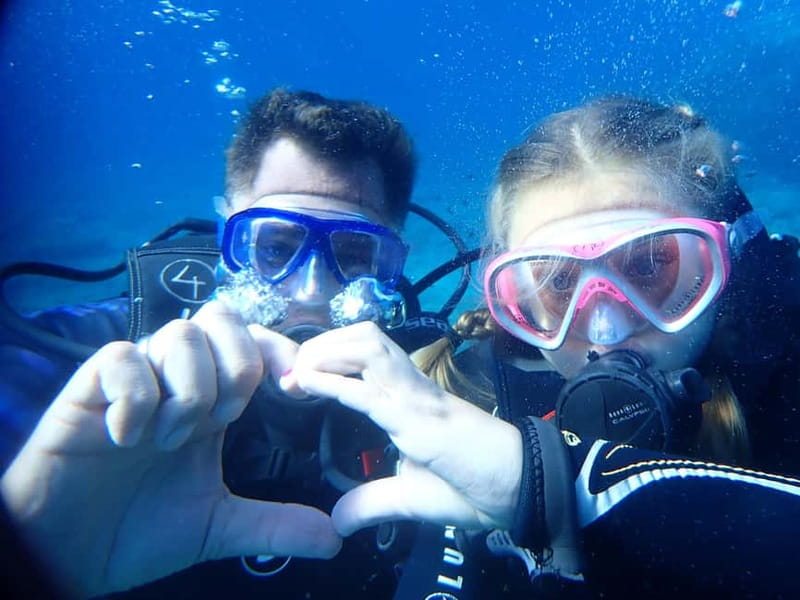
- Private, 1-on-1 coaching keeps you progressing at your comfort level
- 50 minutes underwater is long enough to learn breathing rhythm, not just “peek” time
- Start at 6 meters with an optional step to 10 meters for those who feel confident
- Digital certification and photos included with no extra add-on costs
- Beginner-friendly limits with a safety-first approach throughout the whole experience
- Family option with an age floor of 8 (pregnancy and medical conditions are not suitable)
Son Caliu starts you gently: what the 2.5 hours really feels like
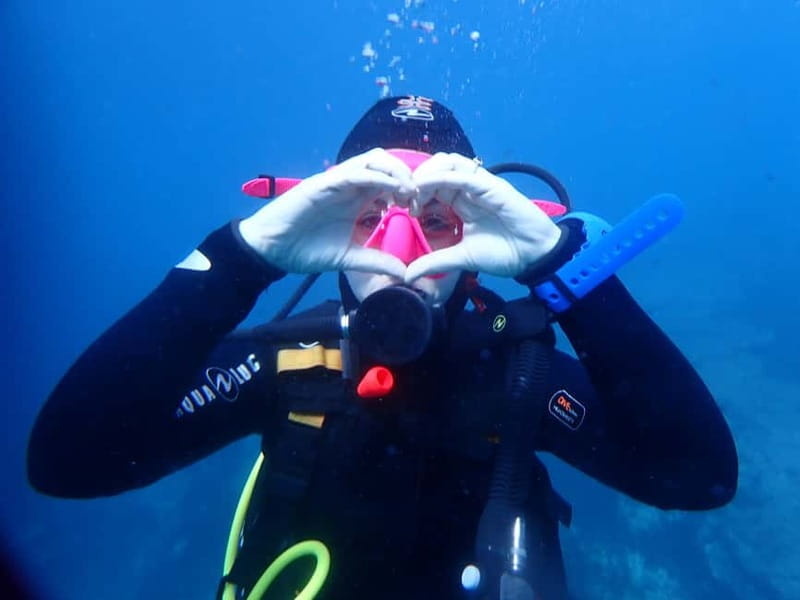
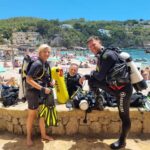
Your adventure begins by meeting at the shoreline area of Son Caliu at the scuba school. Expect a relaxed start: you’ll get set up, go over the plan, and then shift into that “okay, I’m actually going in” mindset. The timing is compact—about 2.5 hours total—so you’re spending your energy learning, not waiting around.
One thing I appreciate is how they pace the experience. This isn’t built to overwhelm you with gear and rules. You start with a short theory portion (about 40 minutes), then you head into the water to practice what you learned, step by step.
If you’re doing this as a family moment, that pacing matters. Kids and first-timers often do better when the instruction is calm and repetitive, and when the next step is never far away. People like instructors who keep explanations clear and repeat them when needed, which is exactly the vibe you want for a first time.
You can also read our reviews of more tours and experiences in Mallorca.
Equipment, insurance, and instructor support at the start
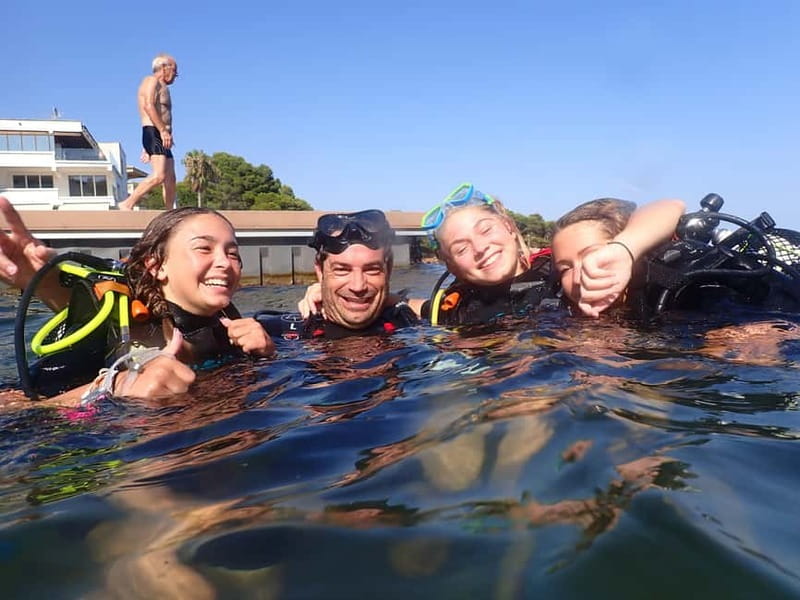
Before you go anywhere near the water, you’ll be handled like a beginner. The package includes scuba equipment and insurance, plus the theory portion, so you’re not scrambling for rental gear or paperwork.
The bigger value is the human part: you’ll be accompanied by a private instructor all the time for safety and guidance. That constant support changes the whole experience. If you forget a step, second-guess yourself, or feel nervous, you’re not trying to solve it alone at the surface.
You also get language options that can make or break your comfort level. Instruction can be provided in Catalan, Dutch, English, French, German, Romanian, Spanish, and Chinese. On top of that, there’s an audio guide available in Chinese and Danish. My advice: if you care about instruction being in German (or any specific language), confirm in advance. One mismatch can turn a great day into an awkward one fast.
In-water training: building comfort before you look around
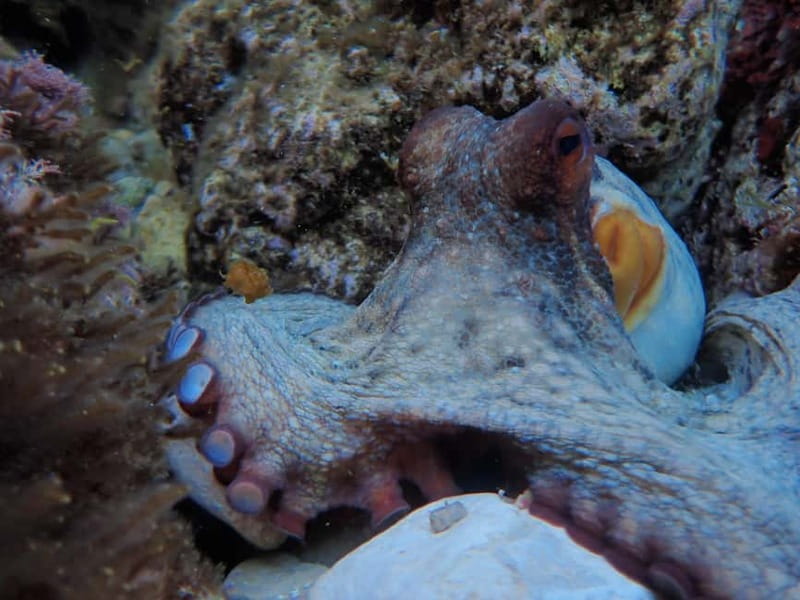
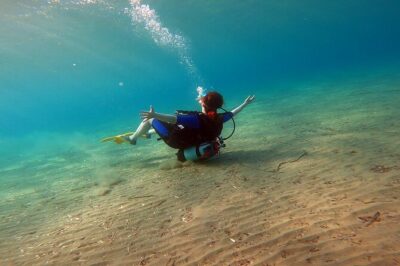
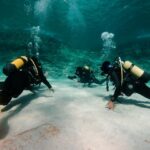
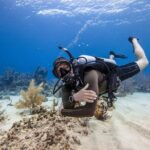
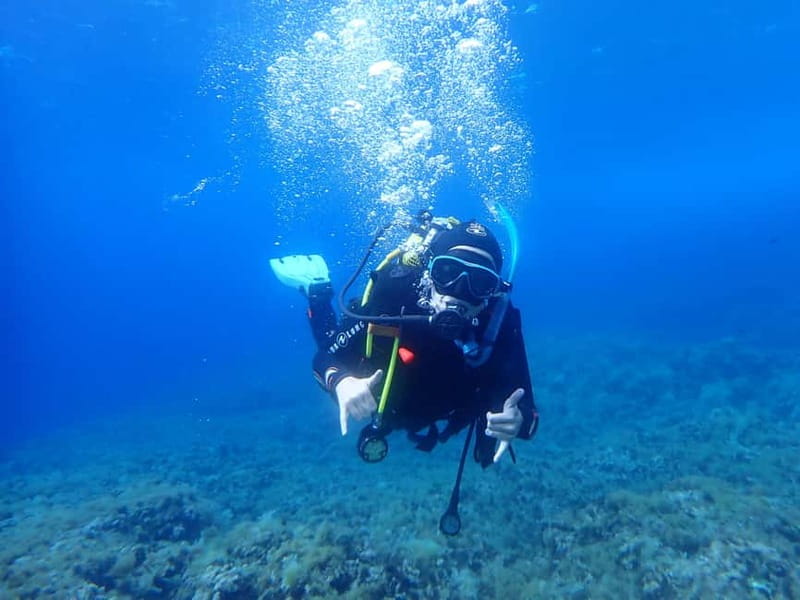
Once you’re in the water, the goal is simple: learn to breathe underwater smoothly and build confidence with each step. You’ll slowly progress to a maximum depth of 6 meters, which is deep enough to feel like real scuba but shallow enough to keep things manageable.
You’ll spend about 50 minutes underwater during the experience. That timing is meaningful. It’s long enough to practice breathing and buoyancy, but not so long that you’re drained before you even understand what’s happening.
Here’s what makes this type of “first session” valuable: it teaches you the fundamentals in a controlled way, so you’re not spending the whole time thinking about safety procedures. Instead, you can start noticing the little details—how your body feels, how your ears respond, and how calm breathing helps everything get easier.
Optional deeper time exists too. If you feel confident, the instructor can take you to 10 meters. That’s not a promise; it’s a reward for comfort. If going deeper stresses you out, that’s not the moment to force it.
The underwater experience: what you’ll actually be doing
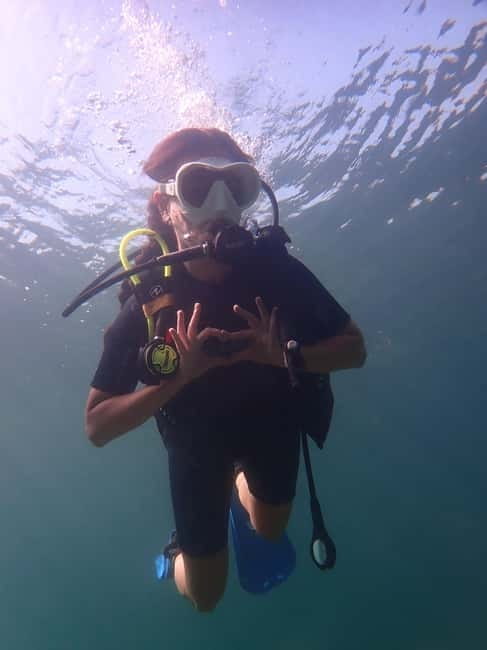
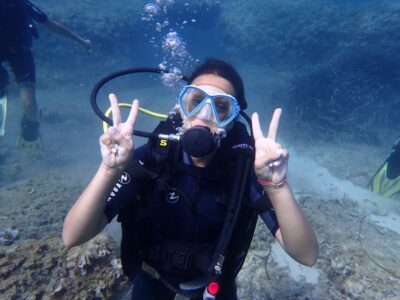
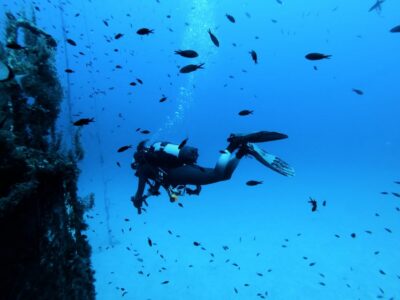
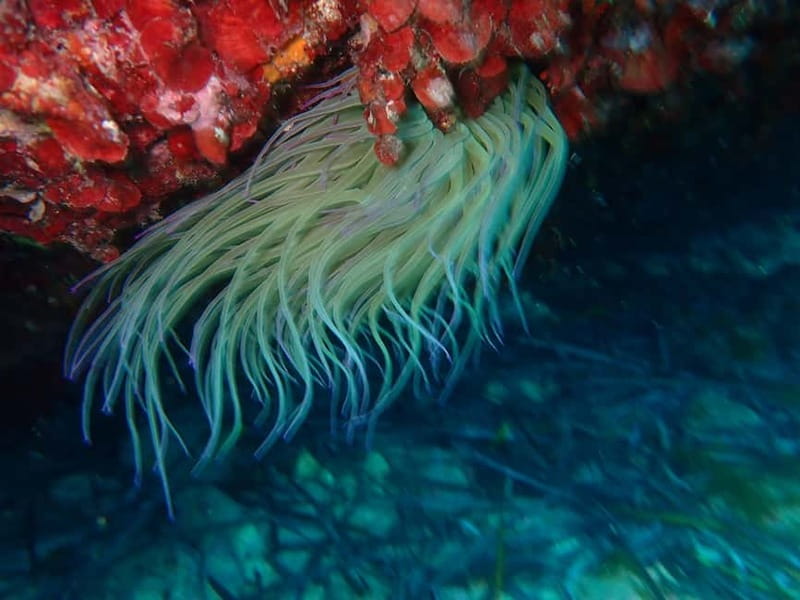
Yes, you’ll see marine life. That’s the headline. But for beginners, the real win is learning how to move and breathe while paying attention. You’re not just watching from the surface—you’re participating.
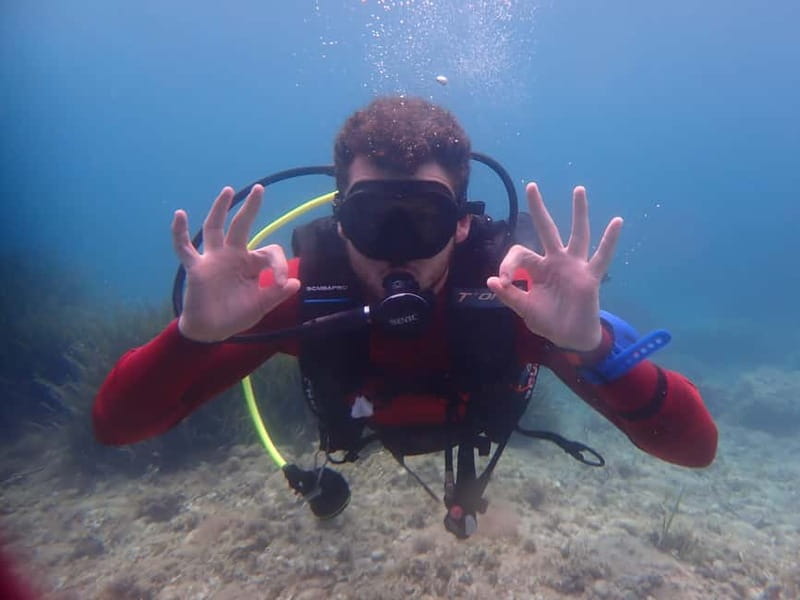
Because you stay with a private instructor the whole time, you can expect clear guidance on hand signals and body positioning. You’ll likely feel your brain doing two jobs at once: staying relaxed and following instructions. That’s normal. The best part is that the structure keeps those two jobs from colliding.
Also, keep expectations realistic. This isn’t a long open-water expedition. It’s a “starter course” where the main achievement is competence plus confidence, not ticking off every species in Mallorca’s seas.
If you’re going with a child, this matters even more. Kids tend to enjoy it most when the instructor is patient and keeps the pace friendly. Instructors like Alex are known for being attentive and willing to repeat explanations, which is a huge plus when you’re bringing a youngster into something that feels strange at first.
Certification and photos: a souvenir that actually counts
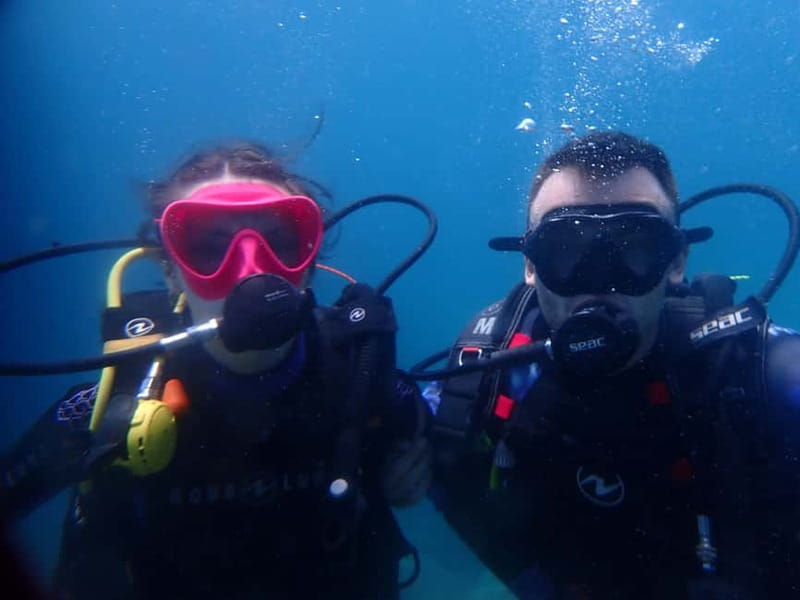
At the end of your time in the water, you’ll receive digital certification. That’s more useful than people think. Even if you don’t become a diver right away, having proof of completion makes future bookings easier and gives you a clear step you can point to later.
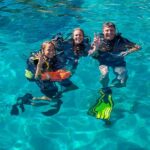
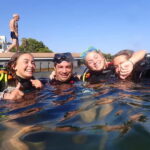
And the photos are included. You’ll get the pictures without extra costs, which is a smart value move. Most first-timers want to remember the moment they finally exhaled underwater and realized it’s not scary anymore.
This part is also why the price makes sense. You’re paying for instruction, equipment, insurance, and a real outcome you can keep. You’re not just buying a one-time thrill with no lasting record.

Price breakdown: does $141 feel fair?
$141 per person for about 2.5 hours, including scuba equipment, insurance, theory, about 50 minutes underwater, and the digital certification plus photos is not a bad deal—especially for a beginner course.
Here’s how I’d measure value as a practical traveler:
- You’re buying safety + instruction time. Private coaching costs money, and it’s the core reason beginners don’t have to “figure it out” alone.
- You’re buying gear and insurance. Those are usually separate costs if you organize yourself.
- You’re buying documentation and photos. Those are often pay-extra in many experiences.
What’s not included matters too. Transport to the scuba center isn’t included, and drinks aren’t included. If you’re already in Palma or using local transit/taxis, that’s manageable. But it’s worth planning so you’re not surprised at the end.
Also, the overall quality seems mixed overall, with an average rating of 3.6 from 10 experiences. That’s still enough to book if you’re flexible and confirm the basics (especially language). But it’s a reminder to set expectations: you want your first underwater experience to be calm, clear, and well matched to your needs.
Best fit: who this course helps most (and who should skip it)
This experience is designed for beginners and works well for families. The activity is described as suitable for kids around 10 years old, and it also states that it’s not suitable for children under 8.
It’s also marked as wheelchair accessible, which is great news if you or someone in your group needs that. Since you’re in a private group and you’re moving at a controlled pace with an instructor, accessibility tends to be more practical than in long, multi-stop tours.
But there are firm limits:
- Not suitable for pregnant women
- Not suitable for people with pre-existing medical conditions
If any medical condition is relevant to exertion, ear pressure, or breathing, treat this as a hard stop and talk to a medical professional first. The course is built for safety, and you should too.
Finally, flying has a specific rule: don’t fly for the next 12 hours after the session. If you’re planning a tight travel day with an airport hop, build your schedule so you’re not tempted to cheat the rule.
Practical tips that make your first underwater session easier
You don’t need much, but what you bring helps:
- Bring a towel
- Wear beachwear (comfortable, easy to rinse)
Keep your day simple. Avoid alcohol and drugs, since they’re not allowed. Also, do your best to arrive ready to listen and follow directions. The calm mindset pays off instantly once you’re breathing underwater.
One more tip: if you’re nervous, that’s normal. Tell yourself the goal isn’t to be fearless. The goal is to be steady. A first session goes best when you focus on breathing and body position, not on forcing yourself to be outgoing.
And if language matters a lot for your comfort, confirm it. The one downside you should plan around is communication. When the instructor’s language matches what you need, the whole experience clicks.
Should you book this beginner scuba course?
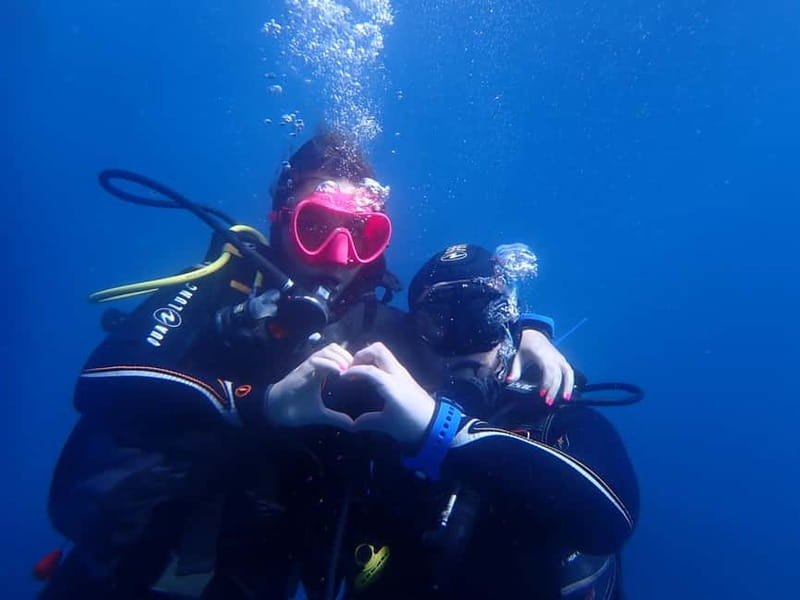
I’d book it if you want a structured, safety-first introduction with real time underwater and a real keepsake at the end. The biggest strengths are the private instructor support and the fact that you get digital certification plus photos included. For most people, that turns a fun day into a genuine first step.
I’d hesitate only if you strongly rely on a specific language you’re not sure you’ll get, or if you know you’ll be traveling in a way that makes the 12-hour no-flying rule hard. In those cases, it’s not about the course quality—it’s about fit.
If you’re a beginner, this is a smart way to try scuba without making it a huge project. You’ll come away with competence, a photo souvenir, and the confidence to decide what’s next.
FAQ
How long is the experience?
It lasts about 2.5 hours total.
How long will I be underwater?
You get about 50 minutes underwater.
What depth will I reach?
You start progressing slowly and aim for a maximum depth of 6 meters. If you feel confident, you may go to 10 meters.
Is equipment and insurance included?
Yes. Scuba equipment and insurance are included, along with the theory portion.
Will I get certification and photos?
Yes. You receive digital certification, and the pictures are included at no extra cost.
What should I bring?
Bring a towel and wear beachwear.
Is there anything I should avoid before or after?
You should not use alcohol or drugs. After the session, do not fly for the next 12 hours.