REVIEW · SLIEMA
Malta: 2 Scuba Fun Dives for Certified divers
Book on GetYourGuide →Operated by AQUATICA DIVING CENTRE · Bookable on GetYourGuide
Malta turns a first-morning plan into a serious underwater day. You get two guided scuba sessions with clear planning: safety briefing up front, then two separate stretches of water time. What makes it especially interesting here is the mix of WWII shipwrecks and themed spots like the underwater worlds from Troy and Popeye.
I like that the team keeps things organized for certified divers, including group splits by certification level and round-by-round debriefs. You’ll also have transport handled from the scuba center in St Paul’s Bay, so you’re not juggling cars or timing. One real consideration: the medical rules are strict, and you must complete the required medical form before you can take part.
In This Review
- Key things to know before you go
- Why Malta’s clear-water scuba plan makes sense year-round
- Aquatica in St Paul’s Bay: what happens before you hit the water
- Safety briefing that actually sets you up for success
- Underwater session 1: WWII wrecks and how to make the most of them
- The surface interval in Malta: staying comfortable between two sessions
- Underwater session 2: reefs, arches, caves, tunnels, plus film-set themes
- Transport and timing: what makes the 5-hour format feel easy
- Price and value: is $118 per person fair?
- Who should book this Malta scuba day (and who should skip it)
- Practical tips that prevent the common Malta scuba hassles
- Should you book this Malta scuba experience?
- FAQ
- How long is the Malta scuba experience?
- What does it cost?
- Is this experience for certified divers only?
- What’s the group size?
- Is the instruction in English?
- What’s included in the price?
- Is scuba equipment rental available?
- Do I need to complete any medical paperwork?
- When can I fly after scuba?
- What are the most important things to bring?
- What’s not included, and can extra fees apply?
Key things to know before you go
- Small group, max 5 people, so you’ll get more attention than big-boat operations.
- Two separate underwater sessions of about 45 minutes each, with a debrief after each one.
- Local English-speaking instructors guide you, and they cover entry/exit, hand signals, and emergency steps.
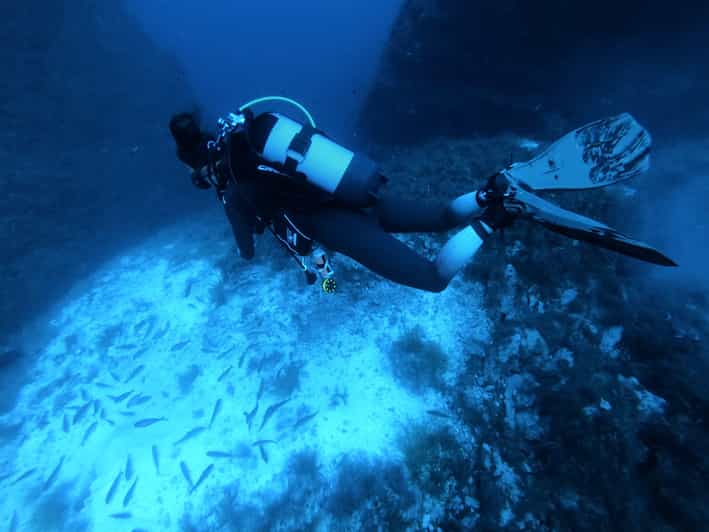
- Themed underwater variety: WWII wrecks plus natural features like reefs, arches, caves, and tunnels, and movie-set style sites.
- Tanks and weights are included, but you’ll need to arrange any equipment rental in advance.
- You need a medical form completed, plus written approval for certain breathing/heart/blood or related issues.
Why Malta’s clear-water scuba plan makes sense year-round
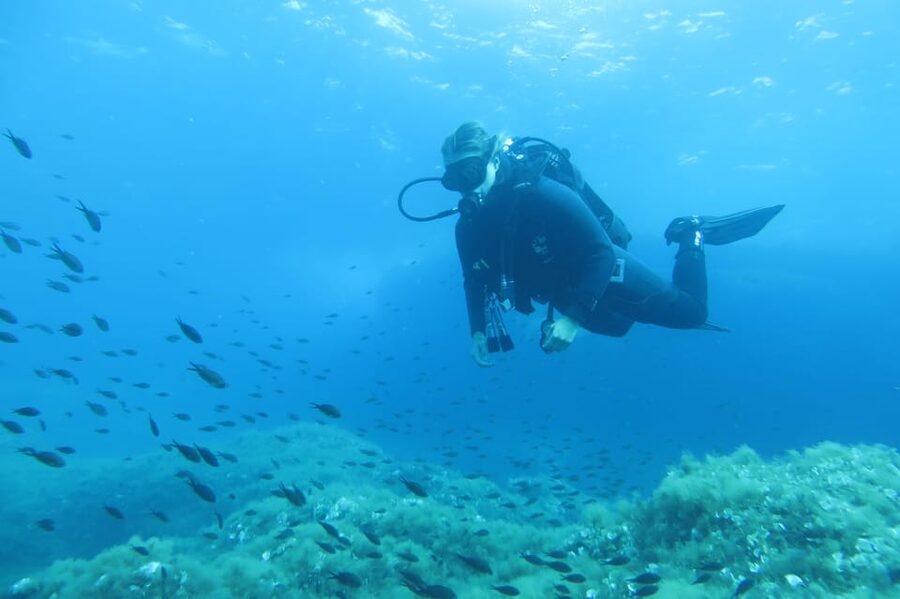
Malta has a reputation for good conditions, and this program leans into that. You’ll be doing a structured day for certified divers built around comfortable water temps and strong underwater visibility. That matters, because clarity is what turns “I’m underwater” into “I can actually see the details the guide is pointing out.”
You also get variety in one half-day. Instead of repeating the same type of site, the plan is set up for different underwater scenery across the two sessions—wreck material one round, then natural formations plus themed areas the next. If you’ve done a lot of check-out dives, this feels more like you’re collecting different kinds of Malta underwater experiences.
The other practical win: the whole schedule is built for a 5-hour window. You’re not signing up for a full-day production that starts at dawn and ends at dusk. It’s the kind of format that fits well when you want a real underwater outing but also want time to do Malta on land the same day.
Aquatica in St Paul’s Bay: what happens before you hit the water
Your morning starts at Aquatica’s scuba center in St Paul’s Bay, between the Mary and Imhasel bus stops. That’s useful if you’re basing yourself nearby, because it’s not a remote departure point that forces a complicated commute.
When you arrive, the staff helps with paperwork. Then you’ll do two key things before anyone talks about underwater sights:
- A quick gear check, so you’re starting in the right configuration.
- A group split based on your certification level, which keeps the briefing and expectations aligned.
You’ll also meet your instructors and get the basic day flow. This is where the tone matters. With small groups, instructors can spend time on the stuff that usually gets rushed—like confirming your buoyancy expectations, making sure your entry/exit plan matches the site, and setting the hand signals everyone will use.
Safety briefing that actually sets you up for success
Before you go in, the guides run a thorough safety briefing. You’ll hear the essentials you need for an enjoyable day: entry and exit procedures, max depth guidance, approximate session duration, and the hand signals you’ll use if something changes.
They also cover emergency procedures, plus what to watch for as a hazard or area-specific risk. You’ll get highlighted points of interest and marine life to look for, which is a big difference between a random swim underwater and a guided, meaningful outing.
Here’s the part I’d take seriously if you’re thinking about booking: you’re not just getting “go have fun” energy. This is structured enough that the instructors can keep everyone together and on plan, especially since it’s limited to up to 5 participants.
Underwater session 1: WWII wrecks and how to make the most of them
The first underwater session is about 45 minutes, followed by a debrief. That debrief isn’t filler. It’s the moment to confirm what you noticed, calibrate buoyancy and comfort for the second outing, and get any quick notes for how to approach the next site.
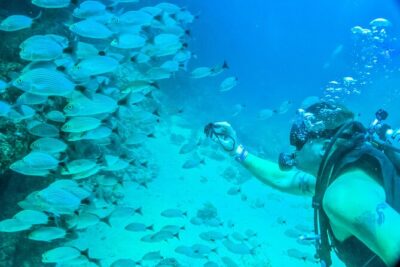
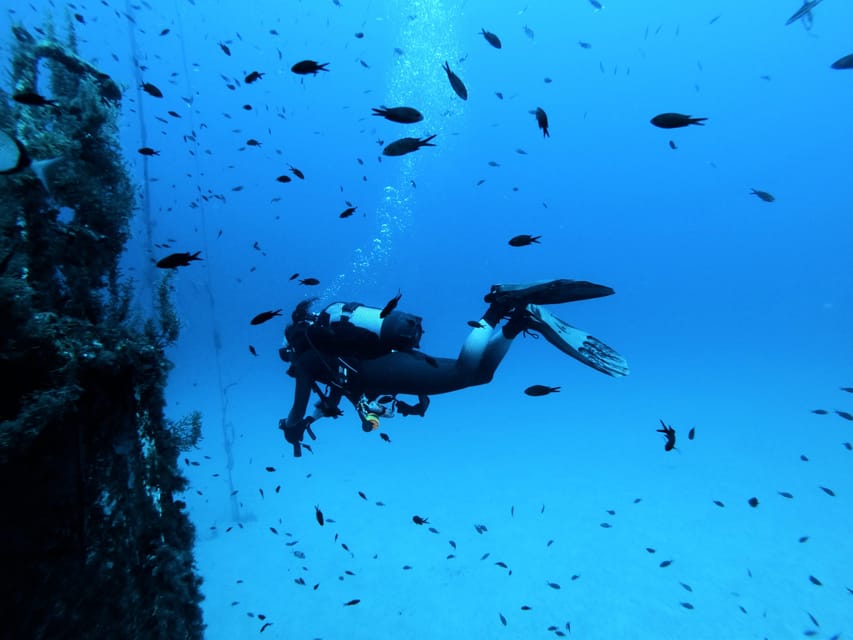
The highlight for round one is the history angle: you’ll be exploring WWII shipwrecks. Wrecks often bring a different feel than natural rock: more structure, more angles, and more places for marine life to gather. If visibility is good—and Malta usually is—wreck details become a lot easier to read, so you can actually understand what you’re looking at rather than seeing shapes only.
What to watch for with wreck material is spacing and movement. Even when the wreck is stable, your best plan is usually to control your distance from it and move slowly so you don’t kick up sediment or break your team’s rhythm. A good guide briefing helps you do exactly that.
You’ll also get guided attention to potential hazards and what to look for, which is especially helpful on wreck environments where “interesting” can also mean “easy to get careless.” The goal is to keep you curious without turning it into a rush.
The surface interval in Malta: staying comfortable between two sessions
Between sessions you’ll surface, regroup, and take a short break. This is where the day stays realistic: you’ll have access to facilities like toilets and bars at most sites. That matters more than people think, because feeling human keeps your second outing enjoyable.
If you’re the type who gets anxious about timing, the schedule helps. You know the first underwater session is about 45 minutes, then there’s time to catch your breath, check your notes, and reset. Your team can also adjust gear quickly if anything shifted.
This is also a good moment to review what the instructor emphasized during the debrief. If you think you didn’t get the hang of a buoyancy cue or a hand signal, this is when you can ask in plain language before the second round.
And when you’re ready, you gear up again for session two. It keeps the day flowing instead of turning it into an all-day gear-fuss.
Underwater session 2: reefs, arches, caves, tunnels, plus film-set themes
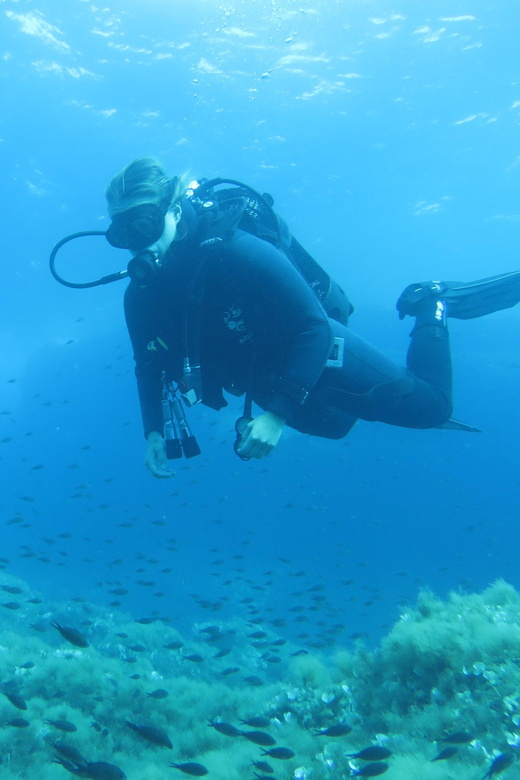
Round two is another 45-minute underwater session, then another quick debrief. The structure stays consistent, which helps your body settle. The big difference is the scenery focus.
This second outing is where the plan leans into Malta’s underwater variety:
- Reefs
- Underwater arches
- Caves and tunnels
That mix is what makes this format a strong value for a short trip. If you’re only in Malta for a few days, you want more than one type of experience. Here you get the natural features, and you still have the guided element so you’re not guessing where to look.
Then there’s the fun part for movie lovers. The program includes exploring cinematic underwater worlds connected with Troy and Popeye. You might find the sites feel more story-like than typical reef runs, because you’re essentially looking at places remembered through film themes. Even if you’re not a hardcore scuba geek, that context helps you see meaning in what’s in front of you.
A natural way to approach these spots is to slow down and focus on the shapes—arches, openings, and tunnel-like areas can trick your sense of distance. Keep your breathing steady and follow the guide’s highlighted points. The goal is to get the scene without rushing through it.
Transport and timing: what makes the 5-hour format feel easy
A lot of scuba plans fail on logistics. This one doesn’t. You get transport from and to the water area, so you’re not driving yourself, parking, unloading, and then doing it again mid-day.
You also have a clear duration: 5 hours. For planning your trip, that’s a big deal. You can schedule it on a day when you want an active start, but not a full-day commitment that eats your entire itinerary.
Small group size also helps with timing. With up to 5 participants, the team can move you through the prep steps without waiting for a big group to assemble. That’s part of why people appreciate this style of operation: it tends to feel calm rather than chaotic.
And when it’s over, you’re taken back to the center, where you can log your experience. If you’re building your logbook for certification requirements, that added wrap-up moment is genuinely useful.
Price and value: is $118 per person fair?
At $118 per person for a roughly 5-hour guided day, the value depends on what you need beyond the basics.
What you get included:
- 2 guided underwater sessions
- Diving guide/instructors
- Transport from and back
- Tanks
- Weights
That’s not just “a guide.” Tanks and weights can be a noticeable add-on if you usually rent gear. Transport also saves you time and stress—especially if you’re not renting a car in Malta.
What costs extra:
- Equipment rental (if you don’t have your own)
- Camera rental
- Photos/videos
- Any option to go to Gozo or by boat (extra charges)
- A required tune-up if it’s been more than six months since your last open-water scuba activity
So the math is pretty simple. If you already have your gear and you’re current enough to skip a tune-up, this can feel like a straightforward package deal. If you need rental gear or a tune-up, plan for extra spend. Either way, the included structure—small group, instructors, transport, tanks, and weights—keeps it from feeling overpriced.
Who should book this Malta scuba day (and who should skip it)
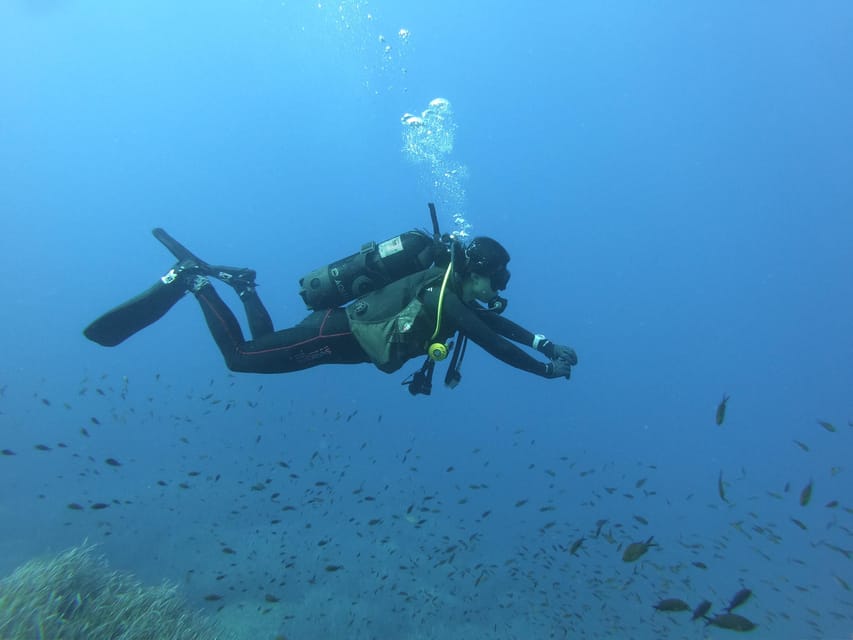
This experience is built for certified divers. It’s also clearly not for everyone health-wise.
It’s not suitable for:
- Pregnant women
- People with back problems
- People with heart problems
- Non-swimmers
- People with respiratory issues
- People with epilepsy
- People with diabetes
- People with a cold
- People with pre-existing medical conditions listed by their health policy
- People with high blood pressure
- People with recent surgeries (within the stated time window)
- Divers without certification
- People with low level of fitness
If you’re within the eligible range, this is a strong choice because you’re getting guided underwater time plus a variety of site types in one short outing. If you’re on the edge of eligibility, treat the health screening as the deciding factor. Don’t wait until the morning to realize you’re not cleared.
Also, alcohol and drugs are not allowed. That’s not a suggestion. It’s part of the conditions for participation.
Practical tips that prevent the common Malta scuba hassles
Plan your morning like this:
1) Decide on gear rental early.
After booking confirmation, you need to email the provider with whether you want equipment rental. If you do, send your sizes—height, weight, foot size, and T-shirt size—so the equipment is ready ahead of time and you don’t lose time to morning waits.
2) Complete the medical form before you show up.
You must fill out the medical form sent to you. Also check the health restrictions and any need for written medical approval if you have certain lung/breathing/heart/blood issues or other conditions covered by their policy.
3) Bring the basics and nothing extra you’ll forget.
Bring your swimwear, a towel, and your diving certification.
4) Give your body a flying buffer.
After the scuba session, you must wait at least 24 hours before flying. If your flight timing is tight, pick your scuba day carefully.
One more pro tip: since the itinerary includes multiple underwater themes, you’ll enjoy the day more if you mentally prepare to look around, not just forward. Reefs, arches, caves, and wreck structures reward slow movement and attention.
Should you book this Malta scuba experience?
I’d book this if you’re a certified diver who wants a well-structured half-day in Malta with two guided underwater sessions. It’s especially attractive if you value organization: small group size, transport handled, tanks and weights included, and a safety briefing that’s detailed enough to keep you comfortable.
I’d think twice if you’re concerned about medical eligibility, you’re dealing with recent surgery or respiratory/heart-related concerns, or you need Gozo/boat options and aren’t ready for extra charges. Also, if you’re rusty—more than six months since your last open-water scuba activity—factor in the mandatory tune-up.
If you want a Malta scuba day that feels calm, guided, and genuinely varied in one sitting, this setup is a strong fit.
FAQ
How long is the Malta scuba experience?
The activity lasts 5 hours.
What does it cost?
The price is $118 per person.
Is this experience for certified divers only?
Yes. It’s for certified divers, and divers without certification are not suitable.
What’s the group size?
It’s a small group limited to 5 participants.
Is the instruction in English?
Yes, the instructor is English-speaking.
What’s included in the price?
Included are 2 fun scuba sessions, the guide/instructors, transport to and from the dive area, tanks, and weights.
Is scuba equipment rental available?
Equipment rent is not included in the price. If you want to rent gear, you must email the provider after booking confirmation and share your sizes (height, weight, foot size, and T-shirt size).
Do I need to complete any medical paperwork?
Yes. You must fill out the medical form that is sent to you, and it’s mandatory to join the sessions.
When can I fly after scuba?
You must wait a minimum of 24 hours before flying after a scuba session.
What are the most important things to bring?
Bring swimwear, a towel, and your diving certification.
What’s not included, and can extra fees apply?
Equipment rental, camera rental, photos/videos, and Gozo or boat options are not included and can carry extra charges. A mandatory tune-up may be required if more than six months have passed since your last dive.