REVIEW · MALLORCA
Mallorca: Scuba Diving for Beginners
Book on GetYourGuide →Operated by H2O SCUBA ACADEMY S.L. · Bookable on GetYourGuide
If your first underwater breath is on your bucket list, this is a smart way in. You get SSI-style beginner guidance, hands-on gear help, and a controlled try-out that builds confidence fast. I especially liked how the instructor stays close during the regulator practice and how you’re taught practical safety habits before anything scary happens.
You’ll spend about 3 hours learning the basics, including how to handle pressure in your ears and even how to empty your regulator underwater. One drawback to think about: it’s not for everyone, and the health limits are real, so skim the do-not-take list before you book.
In This Review
- Key takeaways for your first Mallorca scuba try-out
- Getting to your 3-hour plan in Mallorca (and why group size matters)
- SSI-style beginner coaching: what you actually learn before you’re underwater
- Safety briefing and gear basics: the “learn it once, trust it later” approach
- Underwater communication signs: how you stop guessing underwater
- Your first breaths with the regulator (and why a calm start helps)
- Pressure in your ears: equalizing skills that make you feel in control
- The underwater experience: buoyancy control, simple maneuvers, and enjoying the reef
- Equipment, clothing, and what to bring from Mallorca’s “shore-to-water” reality
- Who should book this (and who should not) based on the provided limits
- Price and value: is $129 a good deal for a 3-hour try-out?
- Should you book this Mallorca beginner scuba experience?
- FAQ
- How long is the Mallorca beginner scuba experience?
- What is included in the price?
- Is transport included?
- What equipment will I use?
- What language will the instructor speak?
- What should I bring?
- Are there any health or participant limits?
- When should I travel by flight after the experience?
Key takeaways for your first Mallorca scuba try-out

- Small-group setup (max 10): you’re not lost in a crowd. You get attention and time to ask questions.
- SSI-style instruction: you’re trained for the experience itself, not pushed into full certification.
- Hands-on skills: expect pressure equalization and regulator-emptying drills, not just a swim.
- Underwater communication basics: you learn simple signals so you’re not guessing underwater.
- Reef-and-fish viewing: once you’re comfortable, you get to enjoy the underwater world.
- Included transport: pickup is part of the package, using a branded Renault Trafic bus or a Ford Ranger.
Getting to your 3-hour plan in Mallorca (and why group size matters)
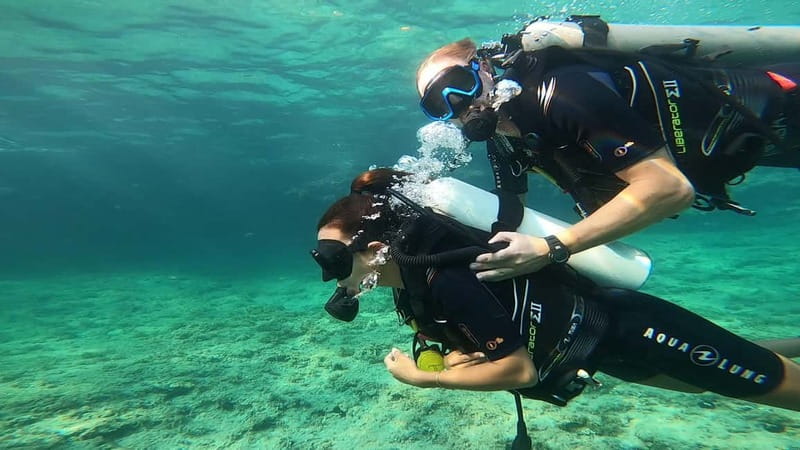
This experience runs for 3 hours total, and that’s a good length for a first-timer. You’ll meet your instructor, do a safety briefing, get kitted up, then head into the water for your first fully coached underwater moments.
One detail I like for comfort and ease: transport is included from designated points. You arrive by a white Renault Trafic bus with the H2O Scuba Academy logo, or sometimes another branded Ford Ranger. It’s one less thing to figure out when you’re traveling.
The group is kept small, limited to 10 participants, and it shows. With fewer people, you spend less time waiting and more time getting corrections while your body is still figuring out how to breathe underwater.
You can also read our reviews of more tours and experiences in Mallorca.
SSI-style beginner coaching: what you actually learn before you’re underwater
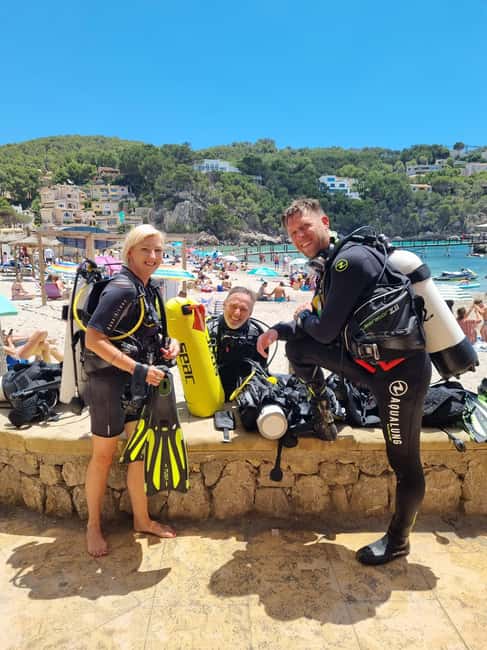
This is built around the SSI program for people who have never tried scuba before. It’s a one-time introduction, meant to let you experience scuba basics in controlled conditions, without the full commitment of a certification course.
You start with instruction focused on safety and setup. That includes learning how the key equipment works and what your guide expects from you during the experience. You also cover communication signs used underwater, which matters because once you’re wearing a mask and breathing through a regulator, normal talking goes out the window.
Your instructor also explains the basic safety rules before you enter the water. For a first session, this is the difference between feeling rushed and feeling informed. The better you understand the plan, the calmer your breathing tends to be.
If you’re nervous, you’ll still like that the teaching style is practical and supportive. In past experiences with this team, instructors have been patient with first-timers and stayed close during the underwater part, which helps you focus on the skills rather than worry about what might happen next.
Safety briefing and gear basics: the “learn it once, trust it later” approach
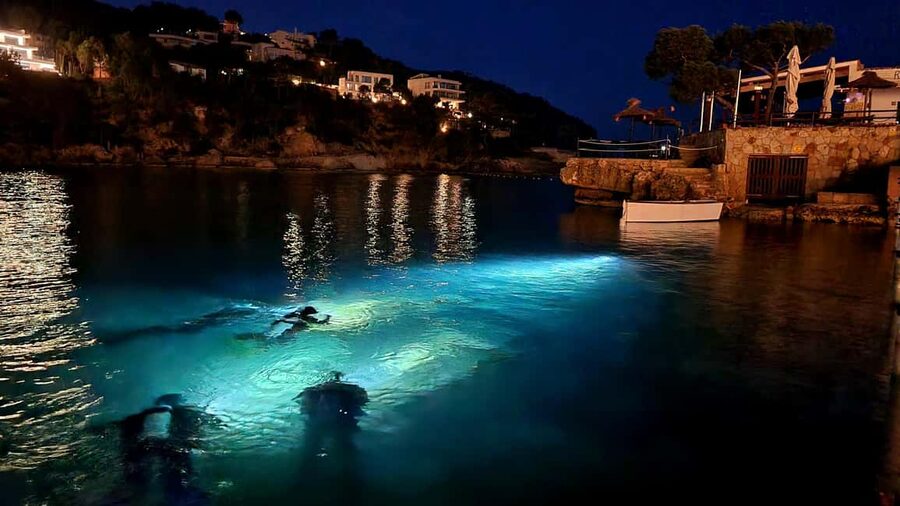
Before you go underwater, you’re shown how to use the basics: mask, snorkel, fins, and buoyancy control. You’ll also use the regulator, air tank, and a wetsuit if needed. (If it’s cooler, expect you might be fitted with a suit to keep you comfortable.)
This gear list matters because it’s the real foundation of the experience. The mask is about getting a clear view. The fins help you move without exhausting yourself. The BCD (buoyancy control device) helps you manage how high or low you float.
You’ll also learn how to breathe through the regulator, and that’s the core of the try-out. The first few breaths can feel strange, like your brain needs a second to catch up. Good instruction reduces that awkward learning curve.
Underwater communication signs: how you stop guessing underwater
One of the most overlooked parts of beginner scuba is communication. You can’t rely on hand-waving randomly, and you can’t hear well the way you do on land. So this program includes an introduction to underwater communication signs.
The purpose is simple: you and your instructor can coordinate during the experience. If something needs adjusting, you’re not left wondering. If you need to follow a direction, you can. That creates real safety and real comfort for first-timers.
I like this approach because it reduces fear. When you know what signals mean, you don’t have to guess. And fewer surprises usually means smoother breathing.
Your first breaths with the regulator (and why a calm start helps)
Getting comfortable with the regulator is part of your first underwater training. You practice the actual experience of breathing underwater and using the regulator equipment correctly.
This is where the guide’s attention really pays off. A common theme in how this team runs the session is being close to you while you learn. That doesn’t mean hovering or doing everything for you. It means you can correct mistakes quickly.
You should also get a feel for how to use your body while breathing. Your breathing pattern influences your comfort, and comfort influences your buoyancy and movement. So the regulator practice is more than a technical step. It’s the start of learning how you’ll behave underwater.


Pressure in your ears: equalizing skills that make you feel in control
A big part of beginner scuba is learning how to deal with pressure. In this program, you’ll learn how to equalize pressure in your ears—a skill you need for going deeper comfortably.
You’ll also learn the related technique of emptying your regulator underwater. Yes, it sounds odd on land. Underwater, it’s one of those practical skills that helps you feel prepared, not helpless.
This is the kind of training that makes a first-time experience safer and less stressful. Instead of crossing your fingers and hoping your ears behave, you learn a method and practice it in a controlled way.
If you’ve ever had blocked ears on a plane or in a pool, you’ll appreciate that the instruction is focused and direct.
The underwater experience: buoyancy control, simple maneuvers, and enjoying the reef
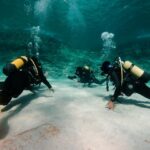
Once you’re comfortable with breathing and the basic skills, you move into the real fun: being underwater and actually experiencing Mallorca from below.
You’ll use the buoyancy control device (BCD) to manage your position. This is key because beginners often think the goal is to swim. In reality, the goal is to float and move gently. When buoyancy is right, you waste less air and you feel more relaxed.
You’ll also use your fins and follow basic maneuvers taught by your guide. The aim is not to perform like an expert. The aim is to learn how to move efficiently while breathing steadily.
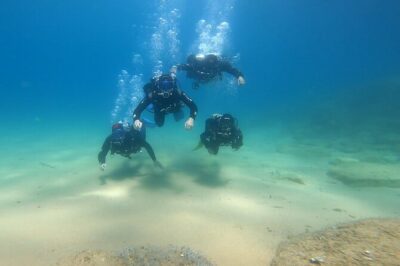
When you settle in, this experience typically includes a chance to see fish and enjoy the underwater world around a reef. That’s where the try-out goes from lesson to memory.
And because the group stays small and the instructor stays attentive, it’s easier to enjoy what you came for.
Equipment, clothing, and what to bring from Mallorca’s “shore-to-water” reality
This session gives you basic equipment, but you still need to show up ready. Bring passport or ID, swimwear, a hat, sunscreen, and water. You’ll also want a towel and a change of clothes, because you’ll be leaving the water wet and going back to normal life quickly.
Food matters too. The experience lists snacks and something to drink, and that’s smart. After a few hours of learning and breathing effort, you’ll feel it in a normal way. A snack helps you keep your energy steady.
A few “don’t bring it” notes are also clear: alcohol and drugs aren’t allowed.
Also, make sure you’re comfortable in water. This is not a dry-land show. If you’re fine swimming and you can handle being in the water, you’ll likely adapt faster during the try-out.
Who should book this (and who should not) based on the provided limits

This is for participants at least 10 years old, and you should be in good health. You also need to be mindful of timing: you should complete your underwater session at least 18 hours before your flight.
Language is a plus for many people. Your instructor speaks English and Polish, so you should be able to understand instructions clearly.
There are also several “not suitable” categories. This is where you should be strict, not hopeful. The experience is listed as not suitable for:
- Pregnant women
- People with back problems
- People with heart problems
- People with respiratory issues
- People with epilepsy
- People with haemophilia
- People with high blood pressure
- People with recent surgeries
If any of those apply, it’s worth asking a medical professional first and considering an alternative activity.
If you’re under 18, you’ll need a legal guardian present to sign the required form.
Price and value: is $129 a good deal for a 3-hour try-out?
At $129 per person, this isn’t an impulse-cheap activity, but it’s also not the kind of price where you should feel ripped off. Here’s why it can be good value:
- You get a professional instructor plus safety instruction and coaching.
- You get basic diving equipment and the regulated breathing practice.
- Transport is included using branded vehicles, so you’re not paying extra just to get to the base.
- It’s small-group limited, which can translate into more direct attention.
- It’s tied to an SSI beginner-style try-out, meaning you’re learning in a structured way rather than “just being taken underwater.”
For many first-timers, that combination matters more than raw duration. Three hours is long enough to learn real basics, not just try gear for five minutes.
If you’re the kind of traveler who wants a first experience that feels safe and guided, this pricing often makes sense.
Should you book this Mallorca beginner scuba experience?
You should book if you:
- Want a structured first underwater try-out with real instruction, not random snorkeling with equipment
- Prefer a small group with hands-on support
- Want to learn practical skills like equalizing pressure and regulator handling
- Are comfortable in water and meet the listed health requirements
You might skip this and look for another option if you:
- Are in any of the not-suitable categories listed above
- Are trying to make it work despite major health conditions
- Want a purely relaxed underwater sightseeing trip with zero training
If you fall into the first group, you’re likely to leave feeling proud, calm, and genuinely excited about the underwater world. For a first timer in Mallorca, this is one of the more sensible ways to start.
FAQ
How long is the Mallorca beginner scuba experience?
The experience lasts about 3 hours.
What is included in the price?
The price includes a professional instructor, safety briefing and instruction, underwater communication signs introduction, basic diving equipment, the first underwater experience, and transport from designated pickup points.
Is transport included?
Yes. Pickup and transport are included, using a white Renault Trafic bus with the H2O Scuba Academy logo or another branded Ford Ranger.
What equipment will I use?
You’ll use basic equipment such as a mask, snorkel, fins, a buoyancy control device (BCD), a regulator, an air tank, and a wetsuit if needed.
What language will the instructor speak?
The instructor speaks English and Polish.
What should I bring?
Bring your passport or ID card, hat, swimwear, change of clothes, towel, snacks, sunscreen, and water.
Are there any health or participant limits?
Yes. Participants must be at least 10 years old and in good health. The experience is listed as not suitable for pregnant women and people with back problems, heart problems, respiratory issues, epilepsy, haemophilia, high blood pressure, or recent surgeries.
When should I travel by flight after the experience?
You should do the underwater session at least 18 hours before your flight.