REVIEW · MALLORCA
Mallorca: Try Scuba Diving in a Beautiful Nature Reserve
Book on Viator →Operated by Diving and Adventure · Bookable on Viator
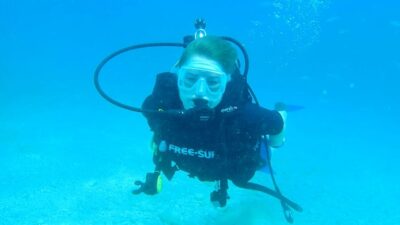
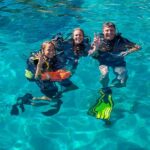
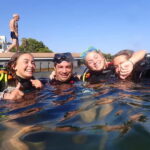
First time underwater can be surprisingly calm. This Mallorca starter scuba experience in the protected Cala Delta Bay nature area is built for beginners, with shore entry, a max depth of 6 meters, and careful skill practice. I like that the team handles the safety basics with professional gear and close coaching, and I also like that your fee covers the marine reserve—no surprise add-ons. One thing to take seriously: the required PADI medical questionnaire is strict, and there’s no doctor appointment on the day if you need clearance.
The vibe is practical, not performative. In the best cases, you’ll feel watched over constantly, even if you’re nervous at first (and yes, some people show up with big phobias and still manage to have a great time). Group size is small—up to 6—so you’re not just a number in a wetsuit.
In This Review
- Key things I’d watch for before you go
- Mallorca’s Cala Delta Bay: why this is a smart first-water choice
- The 3.5-hour schedule: what your time is actually used for
- Before you go in: the skills you practice at a relaxed pace
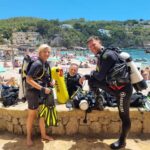
- Entering the water from shore: what to expect at Cala Delta Bay
- Safety gear and instructor attention: what makes the difference for beginners
- The PADI medical questionnaire: the rule you can’t ignore
- Getting there: S’Arenal meeting point and how to avoid the start-time scramble
- Price and value: is $192.97 worth it?
- The official certificate: why it matters for what comes next
- Should you book this Mallorca beginner scuba session?
- FAQ
- Where is the meeting point for the experience?
- How long does the session last?
- Is this suitable for beginners, and how deep will I go?
- What medical form do I need to complete before I can participate?
- Is there a flight timing requirement?
- What should I bring with me?
- What’s included in the price, and what’s not?
- How old do you have to be to join?
- How big is the group?
- What is the cancellation policy for a full refund?
Key things I’d watch for before you go
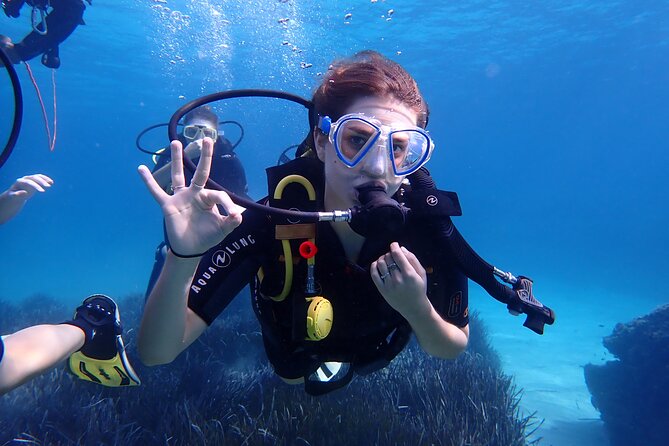
- Cala Delta Bay, protected waters, shore entry: entry is from land with easy steps, and the whole setup is geared to first-timers.
- Max 6 meters, slowly and controlled: you get a gentle progression, not a “sink or swim” moment.
- Guides stay on safety details: breathing, ear equalizing, mask clearing, and hand signals are practiced first.
- Marine reserve fee is included: your price covers the site access, not just equipment and instructions.
- Photos cost extra: you’ll need to decide if you want underwater pictures after the session.
- Medical rules can make or break your day: if your questionnaire requires clearance and it’s missing, you can’t simply “try anyway.”
Mallorca’s Cala Delta Bay: why this is a smart first-water choice
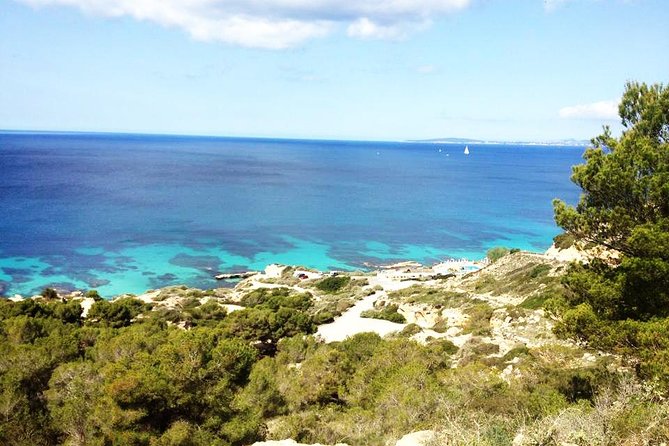
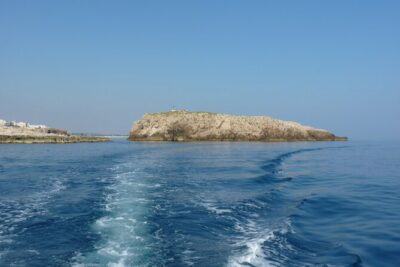
If you’re new to scuba, where you start matters more than people think. Here, the underwater time happens in a protected area with a maximum depth of 6 meters. That’s not just a safety line on paper—it translates into a calmer pace, a shorter “I’m adjusting” period, and less pressure to perform.
Cala Delta Bay also helps because you enter from shore using easy steps. No dramatic boat drama, no wrestling with ladders, and no extra gear chaos before you’ve even learned how your regulator feels in your mouth. You can keep your focus where it belongs: breathing steadily and learning the basic signals.
You can also read our reviews of more tours and experiences in Mallorca.
The 3.5-hour schedule: what your time is actually used for
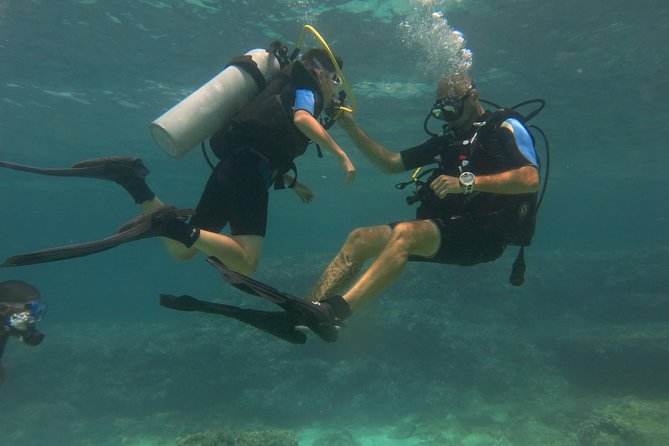
This experience runs about 3 hours 30 minutes, and it’s structured so you don’t waste the first part of your day figuring things out in the water.
Expect a sequence like this:
- Meet up and get organized: you’ll gather at the pickup point (arrive 30 minutes early so you’re not rushing the start).
- Transport to the site: you’re taken to and from the dive location.
- Briefing and shallow-water skill practice: this comes before your main underwater time.
- Your first underwater session: controlled depth, protected area, and guided monitoring.
- Wrap-up and return: the activity ends back at the meeting point.
The practical benefit of this order is psychological. Your body learns what to do before you’re asked to do it underwater. That’s why beginners usually feel more confident than they expected.
Before you go in: the skills you practice at a relaxed pace
The training part is the real value here. Before you reach your underwater time, you get a briefing and practice essential skills in shallow water. The goal is simple: you should be comfortable with the basics before you’re farther from the surface.
You’ll practice things like:
- Breathing underwater (so it doesn’t feel scary or random)
- Equalizing your ears (a key comfort issue for many first-timers)
- Clearing your mask
- Using basic hand signals with your instructor
What I like about this approach is that it’s not treated like a test. The exercises are done calmly, and at your own pace. That matters because the biggest beginner problems aren’t “lack of courage”—they’re usually confusion, timing, or panic.
If you’re nervous, ask the instructor to slow down your practice. In small groups, you’ll get that chance more easily than in a larger operation.
Entering the water from shore: what to expect at Cala Delta Bay
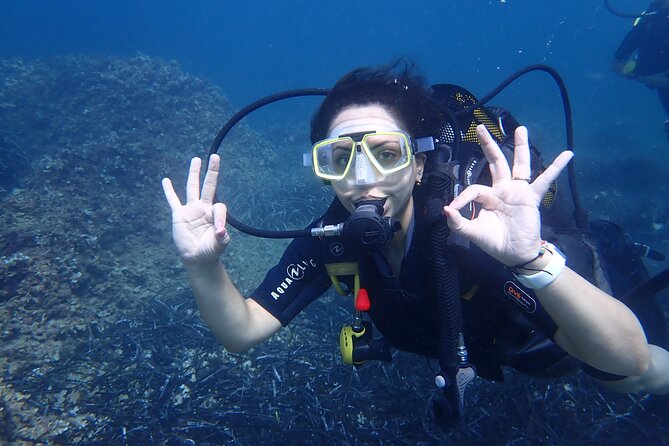
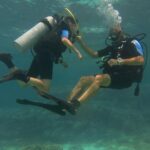
Once you’re ready, the underwater session happens in that protected zone with a max depth of 6 meters. Entry is from shore via easy steps, so it’s more like a guided transition than a full-on operation.
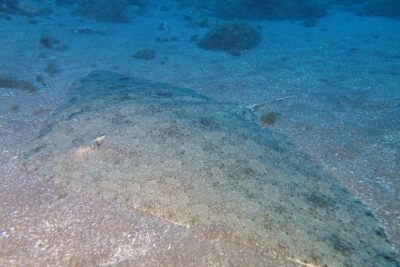
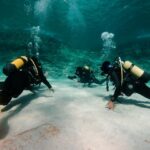
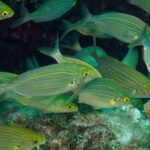
Inside, you’ll explore the underwater world while your guides keep safety in view. One small reality check: water conditions can vary. Some people report clear, fish-filled moments, while others mention visibility can be lower on certain days. If visibility isn’t perfect, you still get the point of the experience—learning the skills and seeing life underwater close to shore.
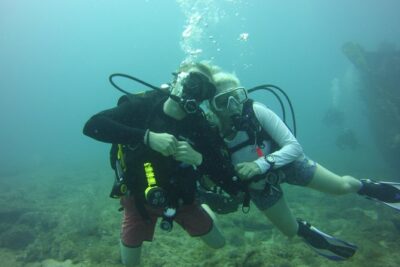
Also, because the group is capped at 6, you should get more hands-on attention than with big outfits. That doesn’t eliminate every bump in shared space, but it does reduce the crowding feeling.
Safety gear and instructor attention: what makes the difference for beginners
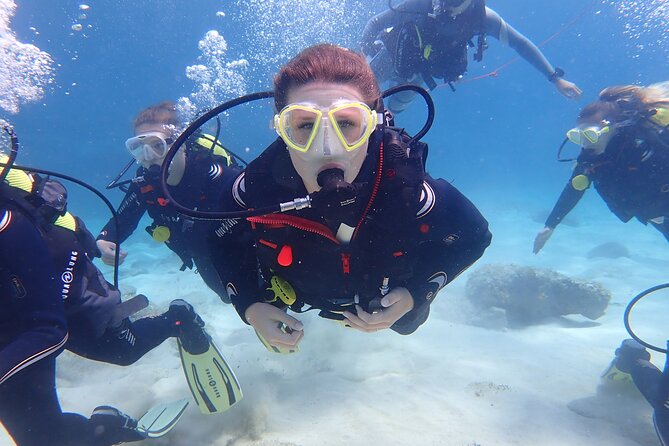
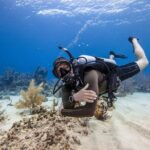
The experience includes professional scuba equipment and guides, plus insurance. That combination matters because gear issues are the fastest way to turn a first attempt into stress.
You should expect:
- equipment handed over with explanation
- hands-on checking of your setup before water time
- ongoing monitoring during the session
Bruno is one instructor name that comes up in positive accounts, often described as patient and good with first-timers. That’s the kind of detail worth caring about: if you’re anxious, you want an instructor who stays steady, answers questions clearly, and doesn’t rush your learning.
If you’re bringing kids or teens, this kind of attention is even more important. Some families have used this as a safe introduction, and the team’s calm, step-by-step style is a big part of why it works.

The PADI medical questionnaire: the rule you can’t ignore
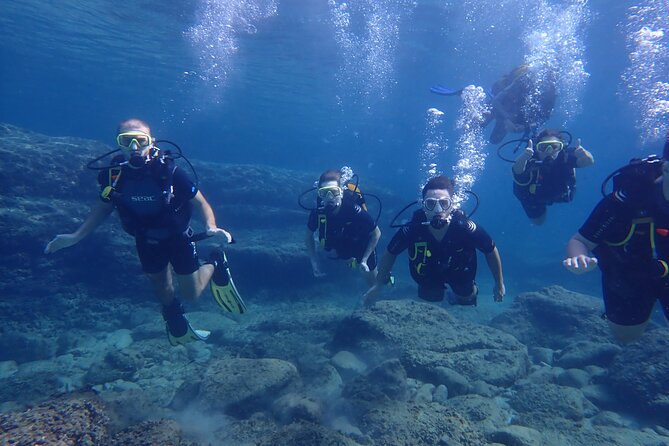
Here’s the practical part that can save your day. You must complete the official PADI Medical Questionnaire in advance. If your answers indicate a need for medical clearance, you’ll need it before your day of activity.
Key rules you should plan around:
- There’s no doctor appointment available on the day.
- The questionnaire answers are binding.
- If clearance is required and it’s missing, participation isn’t allowed, and you won’t get a refund because the clearance is missing.
The most common trouble for people isn’t always a dramatic illness—it’s answering the questionnaire in a way that triggers mandatory clearance. If you’re not sure what your answers mean, contact in advance. And if you have lung problems, this isn’t recommended.
This is one of those “annoying but fair” policies. It’s not meant to scare you; it’s meant to protect you and the team.
Getting there: S’Arenal meeting point and how to avoid the start-time scramble
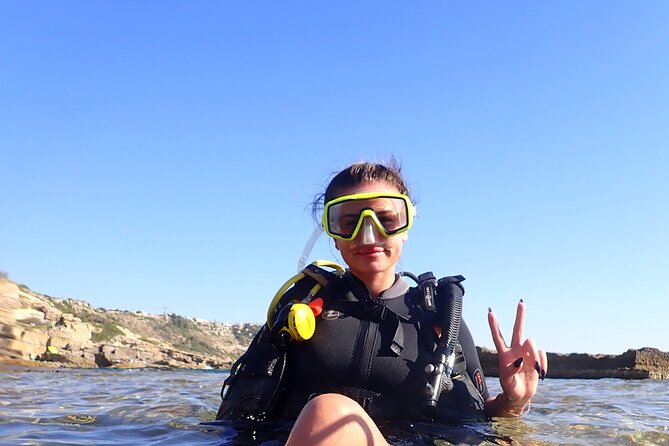
You’ll meet at Carretera de l’Arenal, 48, Platja de Palma i Pla de Sant Jordi, 07600 S’Arenal, Illes Balears, Spain. The activity starts from there and ends back at the same meeting point.
Two things to make life easier:
- Arrive 30 minutes early at the pickup point. This is not a suggestion—this is how you avoid stress when you’re changing into swimwear and getting equipment.
- It’s near public transportation, which helps if you’re not driving.
If you’re arriving from a cruise port, plan extra time. Palma cruise traffic and taxi availability can be tight, and you don’t want to cut it close. Book a driver early if you’re doing that route.
Price and value: is $192.97 worth it?
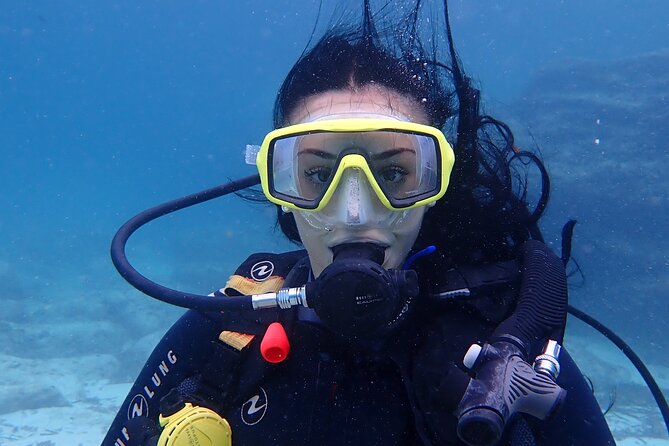
At $192.97 per person, you’re paying for more than “a quick try.” This rate includes equipment, guides, transport to the water spot, insurance, and the marine reserve fee.
That last part is a big deal for value. You’re not just paying for staff and gear—you’re paying for access to the protected area itself. Without that, many beginner experiences would turn into a “base price plus add-ons” situation.
What’s not included is photos. If you want underwater pictures, you’ll need to pay extra afterward (some people cited around €10 to €20). For me, photos are optional. The real “worth it” factor is the guided structure: practicing skills first, staying shallow, and getting that official PADI certification.
The official certificate: why it matters for what comes next
After you complete the program, you receive an official PADI certificate from the Discover Scuba program. It can also be credited toward a PADI Open Water Diver course.
Why you should care: having a recognized credential can reduce friction if you decide to keep going. If Mallorca hooks you, you won’t have to start from zero—your next steps become more straightforward.
Think of this as a learning bridge, not just a one-off experience.
Should you book this Mallorca beginner scuba session?
Book it if:
- you’re a true beginner and want structured practice first
- you want shallow, protected water with a max depth of 6 meters
- you like the idea of included transport and marine reserve access
- you’re okay handling the medical questionnaire rules ahead of time
Skip it or think twice if:
- you have lung issues or any condition that could trigger “not recommended” guidance
- you can’t complete the PADI medical questionnaire properly in advance
- you need an activity that can be adjusted last-minute. This program doesn’t work that way.
FAQ
Where is the meeting point for the experience?
You meet at Carretera de l’Arenal, 48, Platja de Palma i Pla de Sant Jordi, 07600 S’Arenal, Illes Balears, Spain. The activity ends back at this same meeting point.
How long does the session last?
The experience runs about 3 hours 30 minutes (approx.).
Is this suitable for beginners, and how deep will I go?
Yes. It’s designed for people with no prior experience. The underwater part is in a protected area with a maximum depth of 6 meters.
What medical form do I need to complete before I can participate?
You must complete the official PADI Medical Questionnaire in advance. If your answers require medical clearance, you’ll need it before the dive day, and there is no doctor visit available on the day.
Is there a flight timing requirement?
Yes. Your dive should be at least 12 hours before your flight.
What should I bring with me?
Bring swimwear, a towel, a change of clothes, and something to drink. Also bring your ID card or passport.
What’s included in the price, and what’s not?
Included: equipment, guides, transport to the diving spot, insurance, and the marine reserve fee. Not included: pictures/photos, which you can purchase.
How old do you have to be to join?
The minimum age is 10 years old, and you must be in good medical condition.
How big is the group?
The activity has a maximum of 6 travelers.
What is the cancellation policy for a full refund?
You can cancel up to 24 hours in advance of the experience start time for a full refund. If you cancel less than 24 hours before, the amount you paid will not be refunded.