REVIEW · PLAYA DEL CARMEN
Scuba Diving in Cenote Kukulkan from Playa del Carmen
Book on Viator →Operated by The Cenote Guy · Bookable on Viator
Four people, one unforgettable cenote day. This small-group Cenote Kukulkan outing from Playa del Carmen is built for comfort: you get round-trip transfers and all your scuba equipment ready for you, plus a guide who explains the Mayan context and the science behind the light you’ll see underwater. The result is a day that feels organized, personal, and easy to follow from the moment you meet at 8:00 am.
What I liked most is how the day is structured around your comfort. Your guide talks through your prior experience, checks your setup carefully (including tank pressure), and guides you along the water route at a pace that makes the scenery the point—not just the technical side. One consideration: the Cenote entrance fee is not included (MX$300 per person for both cenotes), and you’ll also need to skip underwater cameras.
In This Review
- Key Highlights You’ll Actually Care About
- First Stop: Getting Started at 8:00 am in Playa del Carmen
- The Short Drive to Cenote Kukulkan: Background on the What and Why
- Equipment Ready: Gear Check, Tank Pressure, and the Comfort Factor
- Your Scuba Setup Requires Real Certification (And That’s a Good Thing)
- Two Underwater Sessions Inside Cenote Kukulkan: How the Day Flows
- Where Remi’s Style Shows Up: Facts, Science, and Calm Guidance
- Lunch After Your Swim: Typical Mexican Food and Realistic Expectations
- What You Pay For: Entrance Fees vs. Included Value
- Group Size Matters More Than You Think
- Camera Rule: No Underwater Cameras (So Plan to Go Off-Screen)
- Timing Tips: When to Plan Your Day in Playa del Carmen
- Who This Experience Fits Best
- Should You Book Cenote Kukulkan with The Cenote Guy?
- FAQ
- What time does the experience start in Playa del Carmen?
- How long is the Cenote Kukulkan scuba experience?
- Is the entrance fee included?
- Do I need scuba certification?
- What’s the minimum age?
- Are underwater cameras allowed?
- What’s the group size?
- When will I be back in Playa del Carmen?
Key Highlights You’ll Actually Care About
- Max 4 people for a calmer, more personal experience
- All gear provided and set up so you waste less time figuring out equipment
- Tank pressure inspection + gear check before your first underwater session
- Two different swim lines with a surface interval set by the group
- Mayan culture + light refraction explanations from the guide (Remi is a standout name)
- Lunch included after your time in the cenotes (sometimes sandwiches, depending on rules)
First Stop: Getting Started at 8:00 am in Playa del Carmen
The day starts early but not chaotic. You meet at 8:00 am at Fruit StandCentro, 77710 Playa del Carmen, Q.R., Mexico. The meeting point is close to public transportation, which is useful if you’re not staying right near the shore.
The biggest “value for your time” detail: the scuba gear will already be in the vehicle when you arrive. That means you’re not standing around waiting for equipment to be assembled, and you can focus on getting comfortable with the plan. If you’re the kind of person who hates morning fuss, this setup will feel like a win.
Also, the tour is offered in English, so you’re not stuck piecing together instructions through a mix of languages. You’ll get a guide who can actually explain what’s happening and why.
You can also read our reviews of more tours and experiences in Playa del Carmen.
The Short Drive to Cenote Kukulkan: Background on the What and Why
After you meet, you head out—about 30 minutes by car to the cenote area. During the drive, your guide shares information about the program for the day and what you’ll do in the water.
What I appreciate here is that you’re not just being told what to wear and where to go. You get a quick grounding in the importance of cenotes and their connection to Mayan culture. It helps the underwater scenery land differently, because you understand what you’re looking at beyond “pretty water lights.”
If you’re someone who likes context, this part sets you up to pay attention during the swim. If you’re not, you’ll still be glad to have a clear picture of timing and flow before you show up wet and wide-eyed.
Equipment Ready: Gear Check, Tank Pressure, and the Comfort Factor
Once you arrive, the first real step is preparing your equipment. You’ll set up gear and then walk through a gear readiness check together with your guide.
This is where experienced guides separate themselves from the “stand near the ladder” crowd. Your guide checks the tank’s pressure and does a detailed inspection, so you’re not guessing whether everything is safe and set.
Then you’ll walk around the premises to get familiar with the entry point and the dive path—sorry, the water route and in-water segments. The idea is simple: you should get your bearings before you commit to the first underwater moment.
Before you enter, you also get a security and scuba briefing. In other words, you’ll cover the rules for staying comfortable and controlled while you enjoy the scenery. That briefing matters more than people think—especially if you haven’t been in open water recently.
Your Scuba Setup Requires Real Certification (And That’s a Good Thing)
This experience isn’t for first-timers without training. Scuba certification is mandatory, with a minimum Open Water level required.
The tour also sets expectations for how recently you’ve practiced. Your last scuba experience should be at least 6 months ago. It’s an odd-sounding requirement, but it’s actually practical: the guide needs you to have enough comfort in your skills that you won’t spend the day focused on basics.
There’s also a minimum age of 15. If you’re traveling with teens, this is one of the clearer “yes, but only if…” options.
If you’re planning air travel soon, note this one: it’s not suitable 12 to 18 hours before taking a plane. That matters for safety and planning.
If you have heart problems or other serious medical conditions, the tour notes it’s not recommended. I’d treat that as a hard stop. Cenote days are special, but they’re not worth gambling with health.
Two Underwater Sessions Inside Cenote Kukulkan: How the Day Flows
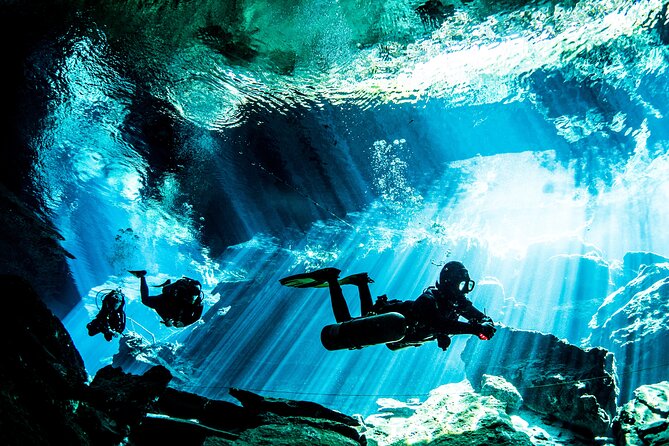
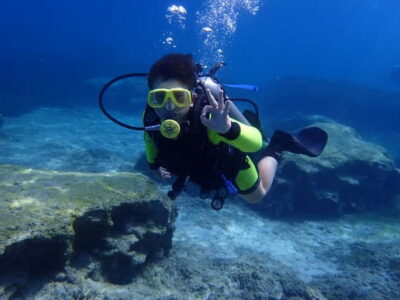
On the day, you’ll do two separate in-water experiences on two different lines. Between them, you’ll have a surface interval.
Your guide determines the surface interval based on the first underwater session. That’s a sign the guide is running the day for the group, not just following a rigid schedule.
What I’d focus on as a “how to enjoy it” tip: treat the second session as a chance to slow down. The first underwater time often makes people a bit tense—holding posture, monitoring breathing, thinking about equalization. By the second line, you’ll usually feel more settled, which makes it easier to appreciate what you came for.
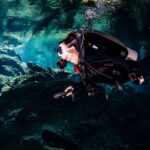
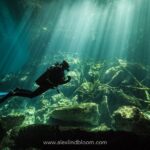
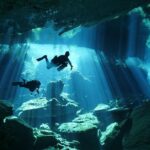
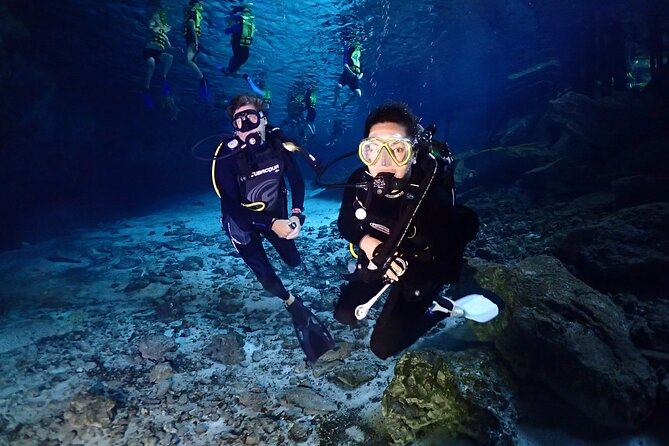
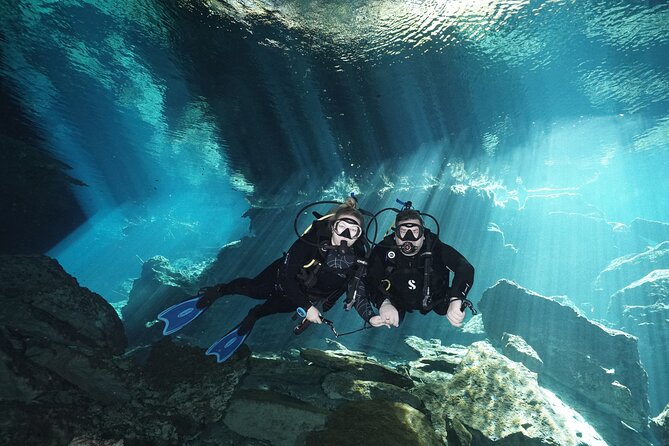
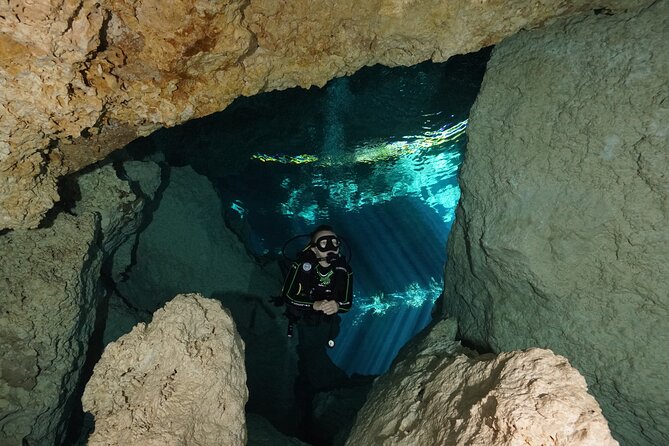
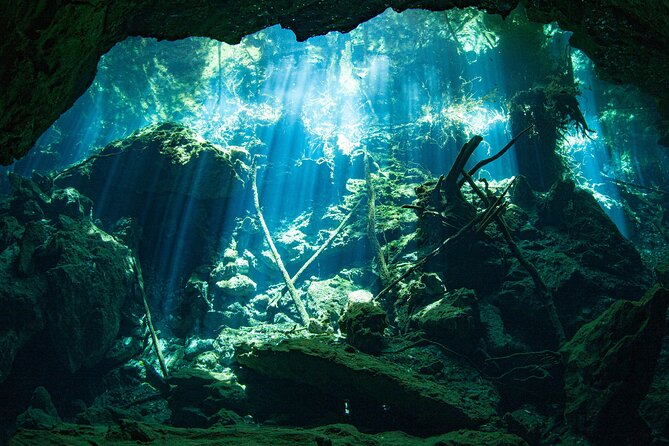
And what you came for is the cenote effect: light patterns, refracted beams, and the way the water turns the walls into a kind of living light show. One review stood out for highlighting the guide’s habit of making the right stops so you could simply take in the beauty of the light refractions. That’s the difference between a rushed “check the box” day and a memorable one.
Where Remi’s Style Shows Up: Facts, Science, and Calm Guidance
One guide name pops up again and again: Remi. In reviews, he’s described as highly informative—not only about the underwater experience but also about the history and the scientific side of what you’re seeing.
That matters because cenotes aren’t just holes with water. The light behavior changes how the whole place feels. When the guide talks about the “scientific history” of what you’re observing, you end up looking at details you might otherwise miss—how light travels through water, how it reflects off stone, and why the cenote atmosphere feels so different from open ocean.
Remi is also credited with making the experience feel safe and exciting at the same time. That’s the ideal mix for people who want adventure but don’t want stress.
Your own guide will also review your previous scuba experience before you start, then offer tips to help you feel comfortable. If you’re a confident swimmer but rusty with scuba timing, or if you’re returning after a gap, this is the sort of support that helps you relax.
Lunch After Your Swim: Typical Mexican Food and Realistic Expectations
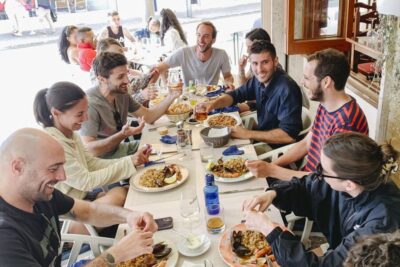
After the two in-water sessions, you’ll share a meal at a typical Mexican restaurant. Timing back to Playa del Carmen is between 2:30 pm and 3 pm, so lunch tends to be part of a smoothly run schedule rather than a long sit-down event.
There’s one practical note: Covid-19 restrictions are limiting restaurant choices, and you may be given sandwiches. That doesn’t mean the meal will be bad—just that it may be simpler than you’d expect.
I like that this tour includes food at all. Water activities can make you hungry fast, and you don’t want to scramble for a proper meal after gear and tanks.
Also, snacks and refreshments are included throughout the day. It’s a small thing, but it keeps the energy steady and helps you enjoy the rest of Playa del Carmen afterward rather than crash.
What You Pay For: Entrance Fees vs. Included Value
Here’s the clean breakdown based on what you’ll actually see on this outing:
- Included: professional multilingual guide, lunch, snacks and refreshment, scuba equipment rental, and transportation from the meeting point.
- Not included: entrance fee to both cenotes at MX$300 per person.
Because you don’t have the base tour price listed here, I’ll judge value the way you should when booking: what’s covered that you’d otherwise have to arrange on your own?
Most people underestimate how much work it takes to organize a cenote scuba day: gear rental, transfers, guide supervision, and a meal. Getting all of that handled for you is a major value factor, especially with the max 4-person group size.
The entrance fee is extra, but it’s predictable. Budget for it up front so there are no surprises later in the day.
Group Size Matters More Than You Think
Max 4 travelers is a big deal for two reasons.
First, it usually means the guide can slow down and check details—like your comfort, your buoyancy control, and whether you’re keeping up on the water route. Second, it makes the experience feel more personal. You’re less likely to feel like “just another body in gear.”
It also tends to improve the photo-less nature of the day. With no underwater cameras allowed, you’re relying on your eyes and the guide’s pacing. In a small group, that’s easier because you’re not competing for attention or trying to see through someone else’s moment.
Camera Rule: No Underwater Cameras (So Plan to Go Off-Screen)
This tour explicitly says no underwater cameras allowed. That’s not uncommon in some regulated water sites, but it does change how you should prepare mentally.
If you love documenting every second, you’ll need to accept that this experience is about in-person watching. The best way to get over it is to think of it as a sensory outing: light refractions, stone textures, and quiet breathing—memories first, files later.
If you’re bringing a camera, you should plan around what’s allowed based on your guide’s instructions on-site, but the key point is that underwater filming/photography won’t be part of the experience.
Timing Tips: When to Plan Your Day in Playa del Carmen
The schedule is tight but manageable.
- Meet: 8:00 am
- Return to Playa del Carmen: 2:30 pm to 3 pm
That gives you a good afternoon window to explore Playa del Carmen without needing a full second day. It’s also why the snack and refreshment setup matters—you’re not eating dinner right after; you’re getting back in time to enjoy the rest of your trip.
One more timing note from the activity requirements: it’s not suitable 12 to 18 hours before taking a plane. If your trip involves flights, build in buffer time.
Who This Experience Fits Best
This cenote scuba outing is a great fit if you want:
- a small-group format (max 4)
- expert guidance that includes both practical safety and explanations
- a guided way to experience cenote scenery and light effects
- gear and transfers handled for you
It may not be the best choice if you:
- aren’t comfortable meeting scuba requirements like Open Water certification
- want to bring an underwater camera
- have medical conditions where the tour says it’s not recommended
If you’re a returning scuba participant with enough recent comfort (and at least Open Water training), you’ll likely enjoy how the guide slows things down and helps you feel ready.
Should You Book Cenote Kukulkan with The Cenote Guy?
I’d book this if you want a calm, well-run cenote scuba day with minimal hassle. The round-trip transfers, gear provided, included meal, and small group size are the kind of details that make a tour feel worth your time and money.
It’s also a strong choice if you care about more than the water. The fact that your guide explains cenote importance tied to Mayan culture, plus the science of what you’ll see with the light, makes the whole day feel smarter and more memorable.
Just go in with two clear expectations:
1) plan for the MX$300 per person entrance fee, and
2) don’t rely on underwater cameras.
FAQ
What time does the experience start in Playa del Carmen?
You meet at 8:00 am at Fruit StandCentro, 77710 Playa del Carmen, Q.R., Mexico.
How long is the Cenote Kukulkan scuba experience?
The tour runs about 7 hours (approximately), including transportation and the two in-water sessions.
Is the entrance fee included?
No. Entrance fees to both cenotes cost MX$300 per person and are not included in the tour price.
Do I need scuba certification?
Yes. Scuba certification is mandatory, with a minimum Open Water level required.
What’s the minimum age?
The minimum age is 15 years old.
Are underwater cameras allowed?
No. No underwater cameras are allowed.
What’s the group size?
The activity has a maximum of 4 travelers, which keeps the experience smaller and more intimate.
When will I be back in Playa del Carmen?
The activity ends back at the meeting point, with return time generally between 2:30 pm and 3 pm.