REVIEW · PANAMA CITY BEACH
Scuba Certification
Book on Viator →Operated by Panama City Diving · Bookable on Viator
60 feet takes three days. This Panama City Beach scuba certification course blends pool skill work with open-water practice at St. Andrews State Park, so you get real underwater time without a long commitment. I love the small group setup (up to 6 students) and the included equipment, which removes a big hassle before you ever get near the water. One thing to consider: you’ll need to complete a medical questionnaire, and it may require doctor approval before training starts.
For me, the best part is the coaching style. With instructor Damon Carter, you get patient, step-by-step help—especially around tricky early skills like clearing your mask correctly—so you don’t just memorize procedures, you actually can do them. You’ll also learn within a buddy system framework, and the entry-level open water certification is good for life and recognized across dive shops worldwide.
It’s also not a casual half-day class. You start at 8:00 am at 106 Thomas Dr, and you should be ready for a full, active schedule plus time in the water (and some shore-and-boat practice).
In This Review
- Key highlights worth your attention
- Why Panama City Beach works so well for SDI Open Water
- The three-day timeline: pool skills, shore work, and 60-foot training
- St. Andrews State Park: calmer practice areas and an unforgettable shipwreck day
- Damon Carter’s coaching style: safety first, with patience that actually helps
- Equipment included: the small details that prevent big frustrations
- Price and value: is $567.75 a fair deal for three days?
- Who should book this course, and who should pause
- Timing, weather, and group size: what to expect on the calendar
- Should you book this three-day scuba certification in Panama City Beach?
- FAQ
- How long is the scuba certification course?
- What depth will I train for?
- Is equipment included?
- Where does the training take place?
- What certification will I receive?
- Do I need a medical questionnaire?
- What is the maximum group size?
- What happens if weather is poor?
Key highlights worth your attention
- Three-day SDI Open Water certification designed to move from skills to real open-water practice
- Max 6 students, which usually means more attention during the parts that feel awkward at first
- Up to 60 feet training depth in the course framework for entry-level certification
- St. Andrews State Park for both calmer practice areas and open-water conditions
- Instructor Damon Carter known for patience, safety focus, and real confidence-building
- Equipment included, so you’re not guessing what will fit you
Why Panama City Beach works so well for SDI Open Water
Panama City Beach is a practical choice for learning scuba because you’re based at St. Andrews State Park, a place that’s built for water access and teaching. You get the mix instructors want for the first certification level: start controlled, then gradually increase how much the ocean tests your skills.
I also like the pace this course supports. Instead of stretching training into a long, travel-heavy program, you’re doing it in one tight window—about three days—so momentum stays high. That matters when you’re learning equipment basics, breath control, and buoyancy skills that don’t always click instantly.
Another quiet advantage: your certification is recognized widely and stays valid for life. That means you’re not just paying for a weekend in the Gulf; you’re building something you can use elsewhere later.
You can also read our reviews of more tours and experiences in Panama City Beach.
The three-day timeline: pool skills, shore work, and 60-foot training
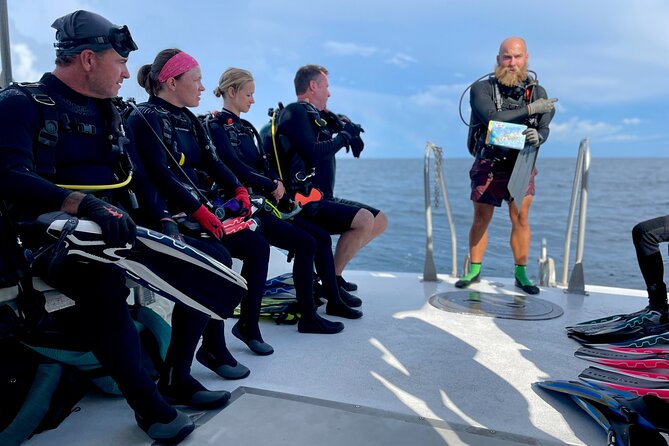
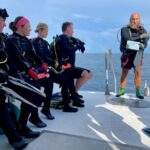
This course is structured like what you’d want if you’re new and nervous: the early work happens where conditions are easier, then you progress into more open-water situations.
Here’s the typical flow you should expect:
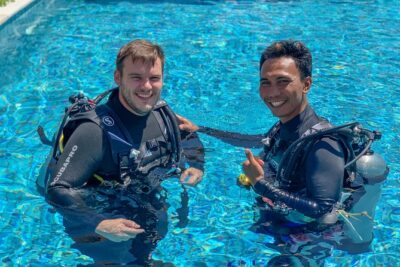
- Pool training to build core technique in a controlled setting
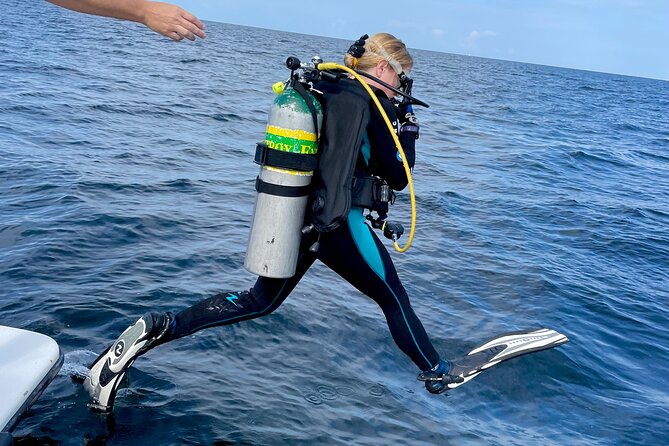
- From shore for early open-water exposure and practice with real entry and exit routines
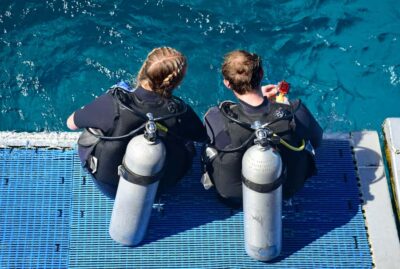
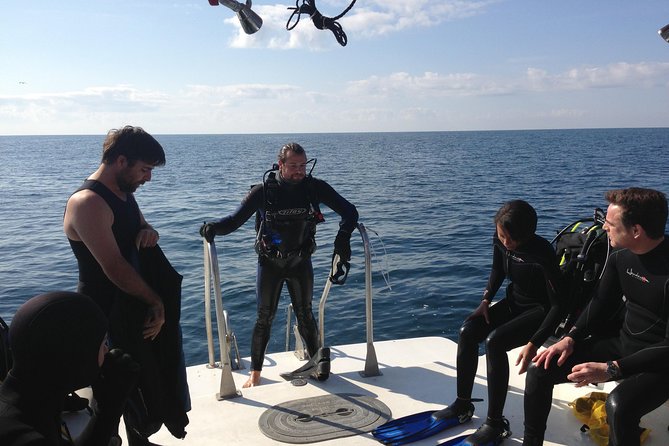
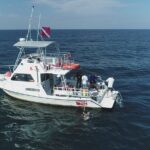
- Offshore from a boat for bigger practice sessions and deeper water goals
By the end, you’re being coached for safe buddy-based scuba with training targets that go up to 60 feet. The depth goal is important because it sets expectations for what you’ll be able to do once certified. You’re not only learning theory or a single shallow session—you’re learning a complete entry-level skill set.
You’ll also be guided to focus on procedure and calm execution. Instructors in this program stress that safety is part of the enjoyment. That shows up in how skills are taught: not as checkboxes, but as repeatable actions you can perform under pressure.
St. Andrews State Park: calmer practice areas and an unforgettable shipwreck day
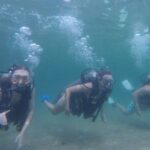
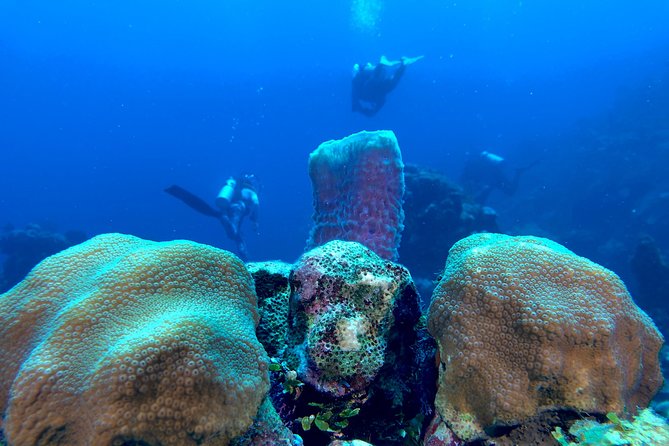
St. Andrews State Park is the one named location for your sessions, and it’s the heart of the learning experience. The key benefit for students is the range of conditions the area offers. You’re able to practice fundamentals in more protected water first, then move into open-water swim space outside the jetty when you’re ready.
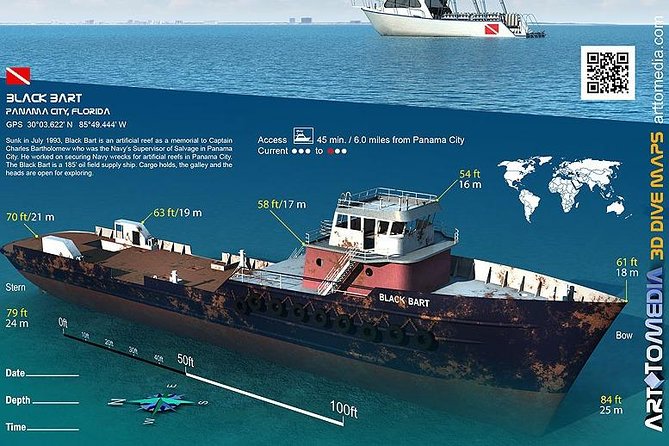
What makes this course feel extra “real” is that it’s not only about basic skills. Many students finish with open-water sessions that go beyond the minimum. In particular, open-water training can include time at the Red Sea shipwreck off St. Andrews Bay. That’s exactly the kind of underwater target that makes people understand why they were curious in the first place.
One more practical thing to know: when you’re going to deeper water, your body reacts fast—cold, gear fit, buoyancy, and even anxiety. Training at St. Andrews State Park gives you a step-by-step way to adapt so you don’t feel like you’re thrown into the deep end before you’re ready.
Damon Carter’s coaching style: safety first, with patience that actually helps
The standout name tied to this certification is Damon Carter. He’s described as easygoing yet professional, and that balance matters for first-timers. You can be nervous, ask questions, and still feel like someone is firmly guiding you—not just showing you how to operate gear.
The specific skill that comes up repeatedly is mask clearing. Getting water out of your nose and doing the correct clearing sequence is a common frustration point for brand-new students. The good news here is the training emphasis: Damon practices that skill with you repeatedly until it clicks. If you’ve ever felt defeated by a single underwater technique, this is the kind of setup that helps you push through without shame.
I also appreciate the focus on communication and confidence-building. Students mention that Damon explains answers clearly, helps adjust your gear choices, and teaches practical troubleshooting. For example, advice around defogging a mask goes beyond buying a product—it includes techniques you can use on your next session.
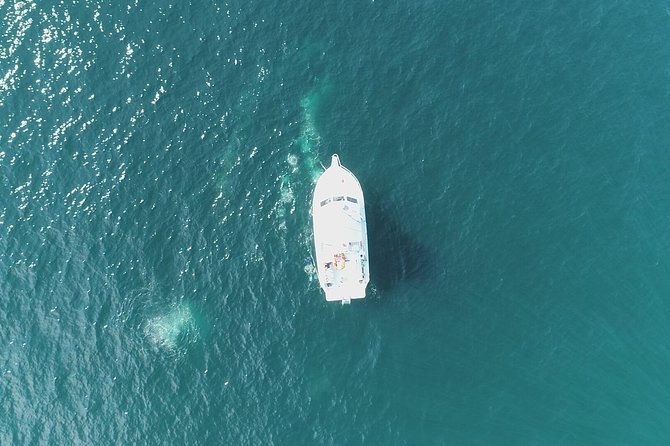
On the boat, the support matters too. People mention an onboard Captain Mayday and John as part of the in-water team, which helps create that “everyone knows the plan” feeling. That kind of coordination is what makes early training feel safer, especially when conditions shift.
Equipment included: the small details that prevent big frustrations
When gear is included, you get a huge head start. You’re not spending the first day trying to figure out what fits, what doesn’t, and what looks weird. In a course like this, gear fit is more than comfort—it affects buoyancy control and how quickly you can focus on skills.
Even with included equipment, fit still matters. One of the most helpful practical notes from students is how strongly the instructor emphasizes finding a mask that fits properly. If your mask leaks or you constantly adjust it, your brain spends energy on discomfort instead of technique.
Another gear-related win: students mention learning multiple approaches to keep a mask from fogging. That’s a real quality-of-life skill underwater. If you’ve ever been stuck with a foggy mask for a whole swim, you know how fast it kills confidence.
So yes, included equipment saves money. But more importantly, it saves decision fatigue during the moments when you need your attention for breathing, buoyancy, and the buddy system.
Price and value: is $567.75 a fair deal for three days?
At $567.75 per person, this isn’t a bargain-basement class, but it also isn’t a random add-on package. You’re paying for a complete entry-level certification course delivered over about three days with multiple training environments and equipment included.
Here’s how I’d judge value if I were shopping:
- You’re paying for coaching time, not just access to water. This course is limited to a maximum of 6 students, and the teaching emphasis is on getting you to perform key skills correctly.
- Equipment included cuts costs and reduces the risk of buying gear that doesn’t fit your face.
- Real open-water exposure at St. Andrews State Park (not only pool work) helps you learn the full workflow—entry, controlled underwater practice, and safe ascent routines.
- Certification validity for life means your payment becomes a long-term credential, not a one-time vacation activity.
If you’re deciding between doing your certification somewhere else, look for the combination of small group size, included equipment, and a clear path to entry-level depth goals. If those pieces line up, the price is easier to justify.
Also note that this is commonly booked around 75 days in advance on average. If you’re traveling during peak season or have a tight schedule, you’ll want to plan earlier than you think.
Who should book this course, and who should pause
This course is well-suited to:
- You if you want one focused three-day package to get SDI Open Water certification
- You if you’re new and need patience with early skills (mask clearing is a big one)
- You if you want instruction that stresses safety and buddy procedures, not just gear operation
It may not be ideal right away if:
- You’re dealing with medical issues that could affect safe underwater participation. You’ll complete a medical questionnaire, and it may require doctor approval.
- You don’t feel comfortable with moderate physical effort. The course calls for moderate physical fitness.
One more consideration: first-time underwater training can feel emotional for a minute. Students describe moments of fear or frustration and then being coached through it calmly. If you know you’re prone to panic, it’s still often workable—but choose an instructor and structure like this that supports slow progress and reassurance.
Timing, weather, and group size: what to expect on the calendar
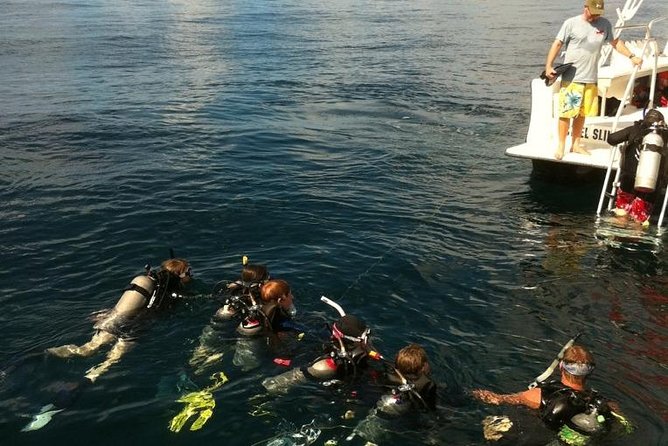
The start time is 8:00 am at 106 Thomas Dr, Panama City Beach, FL 32408. Plan to arrive early enough to check in and get your day organized. This is the kind of activity where being rushed makes everything harder.
Weather is also a real factor. The experience requires good weather, and if conditions are unsafe, you’ll be offered a different date or a full refund. Since you’re training in open water and using offshore time, this isn’t something they’ll push through just to keep the schedule.
Group size matters for your day-to-day experience too. With a maximum of 6 students, you’ll typically spend less time waiting around and more time practicing the skills you came to learn.
Should you book this three-day scuba certification in Panama City Beach?
I’d book it if you want a serious entry-level course with a short travel footprint. The combination of included equipment, small group size, and coaching focused on real skills (especially mask clearing and confidence under instruction) is exactly what helps first-timers progress.
I’d think twice if your medical questionnaire might be a hurdle, or if you’re not comfortable with moderate physical fitness requirements. Also, be honest about timing: you’re starting early, and the schedule is packed by design.
If you’re ready to learn scuba the structured way—pool to shore to open water, up to the course’s depth goal—this is a strong choice for Panama City Beach.
FAQ
How long is the scuba certification course?
It runs for 3 days (approximately).
What depth will I train for?
The course teaches entry-level skills for scuba up to 60 feet.
Is equipment included?
Yes. All equipment is included.
Where does the training take place?
Training happens in a pool, from shore, and offshore from a boat. St. Andrews State Park is the listed location for the experience.
What certification will I receive?
You’ll complete an entry-level open water scuba certification. The materials also note SDI Open Water in the information provided.
Do I need a medical questionnaire?
Yes. You must complete a medical questionnaire, and it may require doctors approval prior to the class.
What is the maximum group size?
The maximum is 6 travelers.
What happens if weather is poor?
The experience requires good weather. If it’s canceled due to poor weather, you’ll be offered a different date or a full refund.