REVIEW · PAPHOS
Half-Day Scuba Diving Tour – Discover Scuba Diving!
Book on Viator →Operated by Cydive · Bookable on Viator
One first breath underwater changes everything. This beginner scuba experience in Paphos mixes pool skills with a shore session at the Roman Wall, under PADI-style guidance. It’s a great way to turn curiosity into real underwater control without needing prior experience.
My favorite part is the way the team builds confidence step by step: equalizing practice, hand signals, and getting comfortable with the gear before you go in. The biggest downside is photo and video: GoPros and underwater cameras aren’t allowed, and the footage you’ll want is extra.
In This Review
- Key takeaways before you go
- Discover Scuba in Paphos: what you’re actually doing
- The 3-step flow: eLearning, pool skills, then the Roman Wall shore session
- What to expect at the Roman Wall: amphorae, anchors, and possible turtles
- Briefing and skills: equalizing and hand signals you’ll actually use
- Safety, instructors, and the calm factor that makes first-timers succeed
- Gear, wetsuits, and comfort in Cyprus water
- Photos and videos: what you can buy, and why cameras are limited
- Price and value: is $100.37 worth it?
- Logistics that matter on the day: time, mobility, and flights
- Who should book, and who should skip this experience
- Should you book this in Paphos?
- FAQ
- How long is the Discover Scuba experience in Paphos?
- Is prior scuba experience required?
- Do I need to complete eLearning before the activity?
- What do you do during the pool portion?
- Where is the underwater session held?
- Can I bring a GoPro or an underwater camera?
- Are photos and videos included?
- What medical or flight rules should I know?
- Can I get a refund if I cancel?
Key takeaways before you go
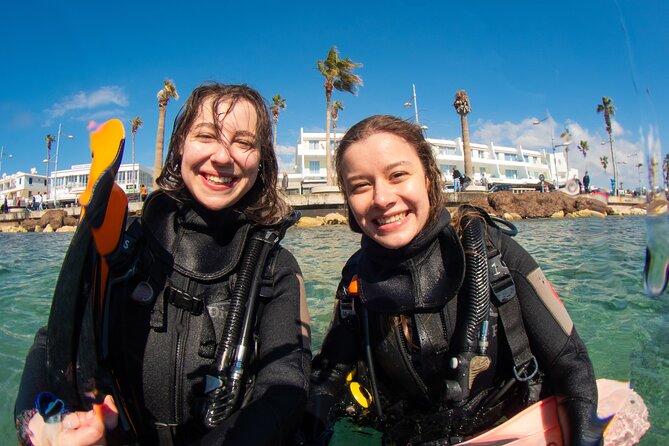
- Pool-first coaching: you practise breathing, using the equipment, and core skills before the open-water part starts.
- Roman Wall shore session: you’ll head to the old Roman harbour area for a beginner-friendly water experience.
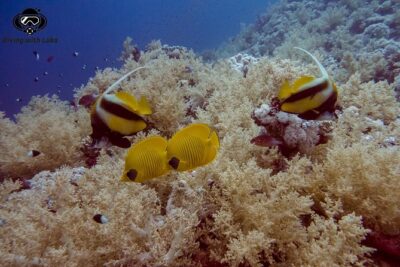
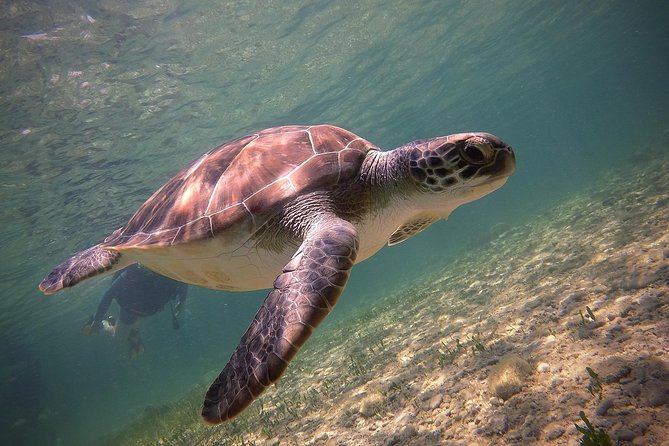
- What you might see: ancient amphorae, lost anchors, and possibly green sea turtles in April–October.
- Safety and nerves are handled well: instructors like Emma, Kris, Sophie, George, and Mick show up in the feedback as patient and calming.
- Small group size: the max is 16, so you’re not lost in a crowd.
- Photos/video cost extra: you can purchase footage afterward, but the operator won’t let you film your own.
Discover Scuba in Paphos: what you’re actually doing
This half-day program is designed for your first real time using scuba gear. You’re not signing up for a long, technical course. Instead, you’re doing a structured, instructor-led start that helps you work toward PADI goals, with an emphasis on control and comfort rather than speed.
Expect three chunks: briefing, pool practice, then a short open-water session near the harbour area. The center also uses a simple pre-check workflow. After booking, you get a link to an eLearning module you’ll need to finish before you arrive, and then the instructor helps you record your first session in the digital logbook afterward.
Value-wise, the price includes equipment plus light refreshments (snacks, seasonal fruit, soft drinks, and coffee/tea). That matters because it removes the hassle of renting gear and hunting for food before you get wet.
The tradeoff is that you’ll likely want photos afterward, and those are not baked into the base price. If you’re the type who always wants proof, plan for the add-on.
You can also read our reviews of more tours and experiences in Paphos.

The 3-step flow: eLearning, pool skills, then the Roman Wall shore session
Before anything touches water, you’ll complete the Discover Scuba eLearning. You’ll receive a link after booking, and you need to finish it prior to the activity. Think of it as your heads-up so the instructor can move faster in the briefing instead of starting from zero.
Next comes the briefing. You’ll cover the basics that make or break an easy first session: equalizing, the hand signals you’ll use underwater, and how your equipment works. If that sounds basic, that’s the point. Your goal is to understand what your body and gear should be doing, not just to follow commands.
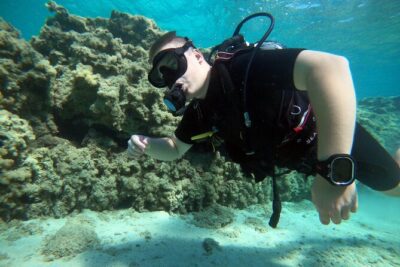
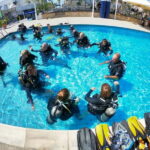
Then you hit the pool. This is where you take your first breaths underwater, practise using the gear, and work on simple skills. You’ll also go to the deep end of the training pool to practise swimming around with guidance. If you’re nervous, this is where you get your calm back. A lot of first-timers relax once they realize the instructor controls the pace.
Finally, you head to the training area at Roman Wall. It’s a shore session, described as a short walk from the center. Depth stays beginner-friendly—one feedback note puts it around 1–5 meters—so you can focus on technique while still getting a real underwater experience.
What to expect at the Roman Wall: amphorae, anchors, and possible turtles
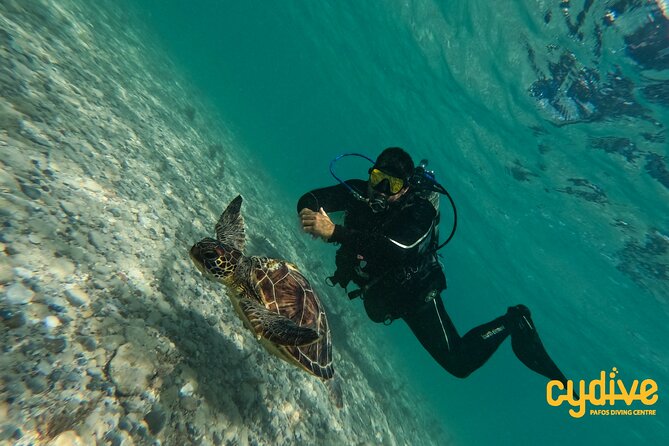
The underwater highlight here is what’s already there. The Roman Wall shore area is known for manmade objects and marine life you can see without needing a tech setup.
Plan on ancient underwater features like Roman amphorae and lost anchors. These give your brain something to track besides just your own breathing and buoyancy. In good conditions, it’s also the sort of place where marine life can show up close enough to notice.
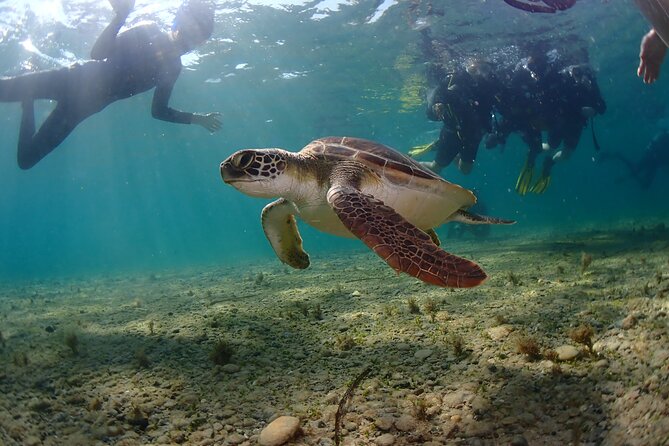
Green sea turtles are part of the story seasonally. The program notes that turtles are possible April–October. If you don’t see one, you haven’t wasted money; the underwater “points of interest” are the core value, and turtles are never guaranteed.
One more thing I like: it’s a shore experience. That usually means you’re not spending your time bouncing on a boat with brand-new gear. You’re walking, getting organized, and then focusing on what matters—your control underwater.
Briefing and skills: equalizing and hand signals you’ll actually use
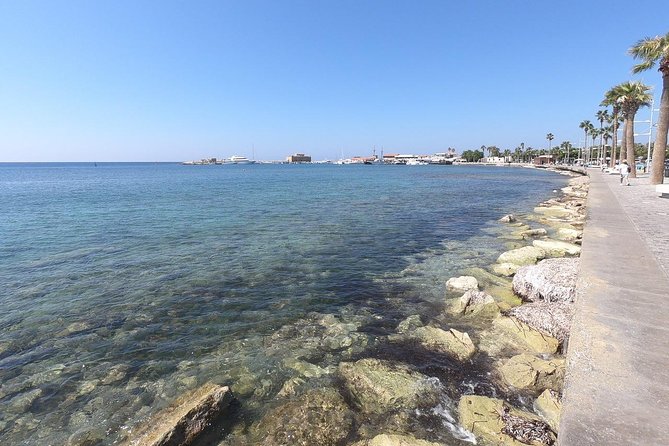
The briefing isn’t filler. It’s where you get the tools you need so you don’t feel like you’re improvising. The core topics are equalizing, hand signals, and equipment basics. If your ears are sensitive, this part matters a lot.
In feedback, one lesson shows up clearly: if you can’t equalize, you may not be able to go much deeper or continue comfortably. That doesn’t mean you’re out of luck, but it’s a reminder to take equalizing seriously on day one. Go slow. Follow the instructor’s instructions. Don’t force it.
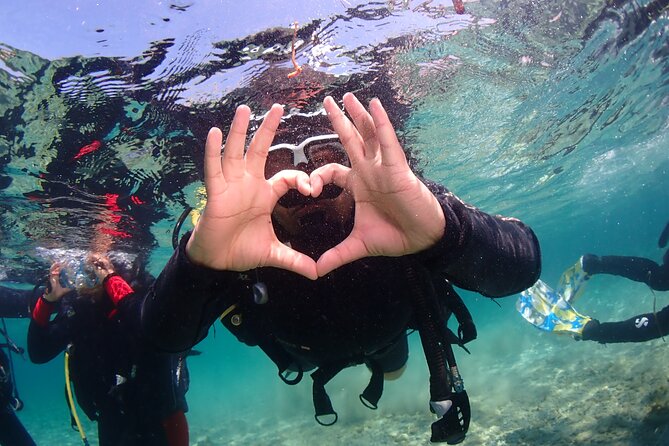
Hand signals are the other life-saver. Underwater, you can’t talk normally, so the instructor teaches signals you’ll use to communicate needs and check in. This is one reason the experience tends to feel safe even for first-timers. It’s structured, not chaotic.
The pool training reinforces everything. You practise breathing while using the equipment, then you practise basic skills with real feedback from the instructor. Several first-timers noted that the staff kept things calm and understandable, especially when someone was nervous going in.
Safety, instructors, and the calm factor that makes first-timers succeed
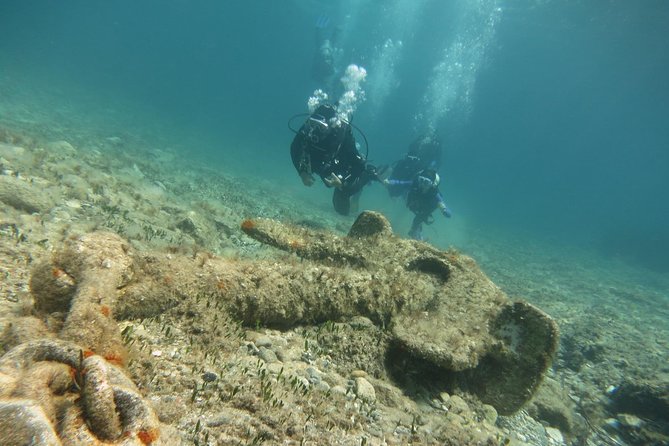
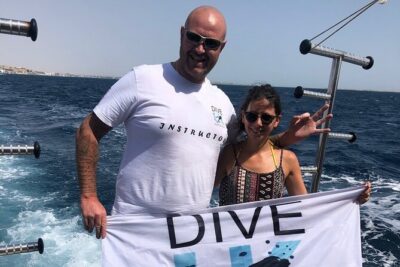
This is a “get comfortable first” program, and the teaching style is a big reason. Multiple instructors are highlighted in feedback as calm, patient, and able to simplify things for people who were anxious at the start. Names that come up include Emma, Kris, Cathal (for photos/video), Sophie (especially with kids), George, Chris, and Mick.
That matters because fear is normal. What matters is how the team handles it. In a great first scuba experience, the instructor watches your body language, not just your questions. You’ll be offered reassurance in the pool so you can learn the mechanics without panicking.
Group size is capped at 16 travelers, which helps. More space for the instructor to adjust, more time to answer questions, and less waiting around while someone else struggles.
Also note the required rules: all participants must swim confidently, and there’s a medical questionnaire you’ll complete before the activity. The program is not recommended if you have epilepsy or a history of a collapsed lung. You also should have a moderate physical fitness level.
Gear, wetsuits, and comfort in Cyprus water
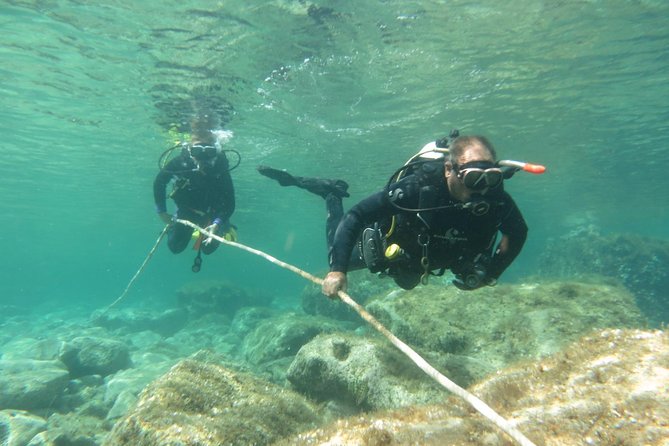
Gear is included, so you won’t need to shop for anything before you arrive. The operator supplies the scuba equipment, and you’ll be guided on how it’s set up and used.
What you wear matters because the water can feel cooler than you expect, depending on the month. One piece of feedback calls out that thick wetsuits were provided even in March, and that helped the sea session feel manageable. If you’re booking in cooler months, plan to lean on the wetsuit rather than expecting warmth from the air.
Gear weight can surprise first-timers. One comment notes that the scuba setup feels heavy at first, especially during pool practice. That’s not a deal-breaker, but it’s worth knowing: your comfort improves once you understand how the equipment sits and how to move without fighting it.
Your body needs time to adjust. Keep your pace slow, especially with breathing and equalizing. If you’re rushing, that’s when nerves spike and technique slips.
Photos and videos: what you can buy, and why cameras are limited
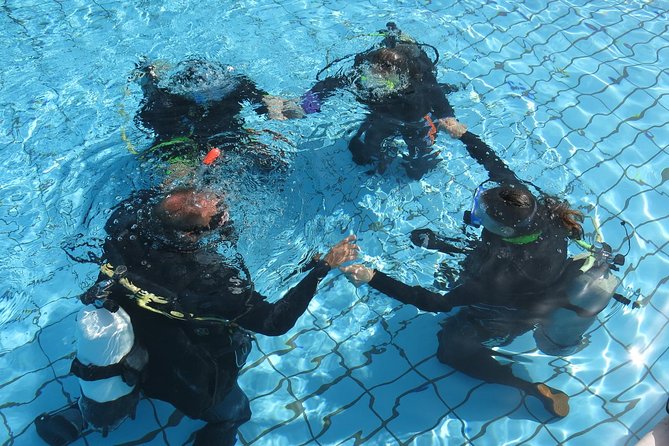
Let’s talk about the camera policy up front: GoPros and underwater cameras are not allowed for safety reasons. That means you’re relying on the operator’s photography option if you want visuals.
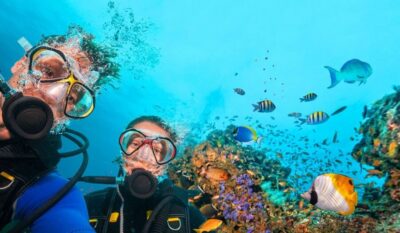
Underwater pictures and videos can be purchased extra, depending on availability. Several first-timers say the photos and footage are worth it because they help you remember your first underwater breaths and the underwater “where was that anchor?” moments.
There’s also a small pricing reality to consider. One feedback note mentions the photo/video charges may vary based on how many people are in your group per shot. If you’re travelling as a solo person or a small unit, ask what the package looks like for your exact group size before you commit.
If you’re the type who doesn’t care about photos, you can keep it simple and just enjoy the experience. If you want memories, budget for the add-on now so it doesn’t feel like a surprise later.
Price and value: is $100.37 worth it?
At $100.37 per person for about 3 hours, this is priced like a focused instruction session rather than a long excursion. You’re paying for guided coaching, equipment, and a structured path toward your scuba learning goals—not for a big, far-traveling day.
Here’s what you’re getting for the money:
- Scuba equipment included
- Snacks, seasonal fruit, soft drinks, plus coffee/tea
- Pool training plus a shore open-water session
- Briefing content that covers equalizing, hand signals, and equipment use
- Help logging your first underwater session in the digital logbook
The value question really comes down to your priorities. If you want an easy first step, good teaching, and a chance to see amphorae and anchors, the price makes sense. If you absolutely need photos included in the base cost, you may feel the total is higher than expected since photography/video is extra.
One small practical note: this experience requires good weather. If conditions don’t cooperate, you’ll be offered another date or a full refund.
Logistics that matter on the day: time, mobility, and flights
The schedule runs about 3 hours and returns you to the starting point. The meeting point is CydivePoseidonos Ave 1, Kato 8042, Cyprus.
Plan your day so you’re not rushing. First-time scuba gear plus equalizing practice means you want a calm start. Also, transportation access is listed as near public transportation, which can make it easier if you’re not driving.
There’s one rule that can catch people off guard: the program states that scuba cannot be done less than 24 hours before a flight. If you’re squeezing this into a trip, count backward from your departure time and give yourself buffer.
For comfort and safety, you also need to be able to swim confidently. If you’re unsure about your swimming, be honest with yourself. This isn’t a lazy snorkel. It’s a coached underwater session.
Who should book, and who should skip this experience
This is a strong fit if:
- You’ve never used scuba gear and want a guided start
- You’re okay with pool practice before going underwater
- You want beginner-friendly conditions around the Roman Wall area
- You value calm instruction, especially if nerves are part of the picture
It may be a poor fit if:
- You have epilepsy or a history of a collapsed lung
- You can’t complete the required medical questionnaire
- You’re not confident swimming
- You have a flight within 24 hours and can’t shift your schedule
If you’re travelling with kids, note that instructors have experience teaching children (Sophie is mentioned specifically), but the program still requires the participants to meet the swimming and medical criteria.
If your goal is a serious certification pathway, this can be a great first step. If your goal is a long underwater adventure with deep exploring, you’ll likely want something more advanced than a half-day starter program.
Should you book this in Paphos?
I’d book this if you want a calm, instruction-first way to try scuba in Cyprus. The pairing of pool skills with the Roman Wall shore session is a smart structure for beginners. It’s also good value because equipment and refreshments are included, and the small group size helps you get real attention.
Skip it or reconsider if you’re worried about equalizing, you don’t feel confident swimming, or your schedule is tight with a near-departure flight. Also, if you hate the idea of add-ons, remember that underwater photos/videos are purchased extra and cameras like GoPros aren’t allowed.
If you go in with patience—especially with equalizing—you’re set up for that first “okay, I get it” moment that makes many people want to continue.
FAQ
How long is the Discover Scuba experience in Paphos?
It lasts about 3 hours (approx.) and finishes back at the meeting point.
Is prior scuba experience required?
No. It’s designed for people with no prior scuba experience.
Do I need to complete eLearning before the activity?
Yes. After booking, you’ll get a link to a Discover Scuba eLearning product, and it must be completed before the activity.
What do you do during the pool portion?
You practise using the scuba equipment, take your first breath underwater, and work on basic skills, including swimming around in the deep end of the training pool.
Where is the underwater session held?
After the pool practice, you go to a training dive site at the Roman Wall area near the harbour, described as a shore session.
Can I bring a GoPro or an underwater camera?
No. GoPros and underwater cameras are not allowed for safety reasons.
Are photos and videos included?
No. Underwater pictures and videos can be purchased extra, depending on availability.
What medical or flight rules should I know?
You must complete a medical questionnaire, and the activity is not recommended for epilepsy or collapsed lung. Also, scuba cannot be done less than 24 hours before a flight.
Can I get a refund if I cancel?
Yes, free cancellation is available up to 24 hours in advance for a full refund. If you cancel less than 24 hours before, the amount paid is not refunded.