REVIEW · KAUAI
Kauai Scuba Diving for Beginners
Book on Viator →Operated by Seasport Divers · Bookable on Viator
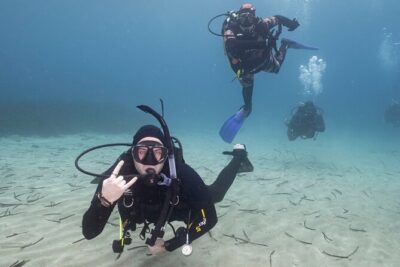
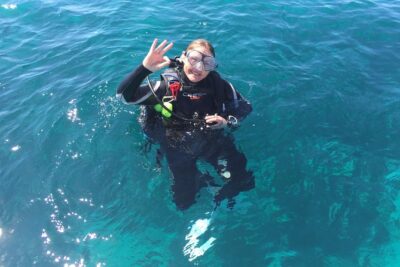
Your first SCUBA day can feel surprisingly controlled. This Kauai beginner session takes you from gear setup and a safety briefing at Koloa Landing to guided reef time up to 40 feet.
Two things I really like: the experience runs with a max group size of 4, so you’re not just floating around waiting for instructions. And the coaching is built around hands-on skill practice, with instructors known for patience and calm corrections, including names like Joe, Andrew, Carlos, Brie, and Thomas Tommy Tom.
One consideration: the rules around medical forms and post-session elevation limits are strict, and missing paperwork can cost you. Add in that this is a shore-based entry, which may feel less convenient than boat access on busier days.
In This Review
- Key Highlights You Should Know Before You Go
- Why Koloa Landing Works So Well for Beginner SCUBA Sessions
- Price and What You Truly Get for $202.75
- Your 4.5-Hour Flow: From Check-In to Reef Time
- Two-Tank Option: More Time, a Second Reef Ecosystem
- What the Coaching Feels Like (and Why Names Matter)
- Depth, Timing, and Realistic Expectations for Your First Underwater Day
- Gear, Comfort, and What to Watch for Before You Hit the Water
- Medical Paperwork and the 18-Hour Elevation Rule You Can’t Ignore
- Who Should Book This, and Who Might Want a Different Option
- The Bottom Line: Should You Book This Kauai Beginner SCUBA Session?
- FAQ
- How long is the Kauai beginner SCUBA experience?
- Where do I meet for the activity?
- Is hotel pick-up included?
- What’s included in the price?
- How deep will you go?
- Is there a two-tank option?
- What do I need to complete before going?
- Are there rules about elevation after the activity?
- What if I cancel?
Key Highlights You Should Know Before You Go
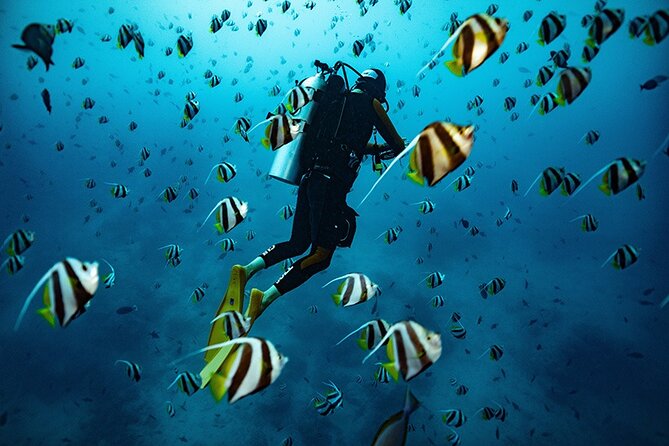
- Koloa Landing is made for shore-based beginner training, not just showing off reefs
- You practice skills in calm shallows before you spend time on coral
- Guided underwater sessions reach up to 40 feet, with each tank taking about 30–45 minutes
- A two-tank option can add a second reef ecosystem if conditions allow
- Small group size (4 max) plus provided wetsuit, gear, snacks, and bottled water
- Instructors get strong marks for patience, including Joe, Andrew, Carlos, Brie, and Thomas Tommy Tom
Why Koloa Landing Works So Well for Beginner SCUBA Sessions
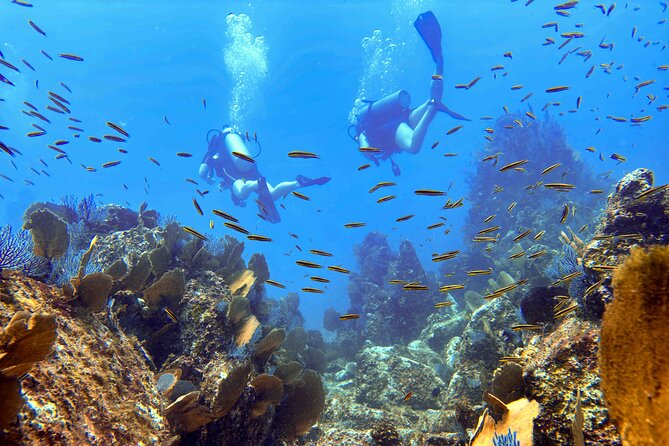
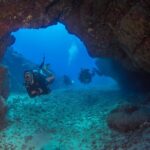
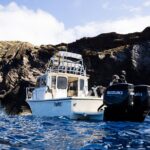
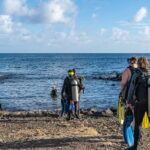
Koloa Landing is a shore training area that keeps things simple for first-timers. You’re not coordinating boat rides, ladders, or a big commute out to open water. Instead, you get prepped, briefed, and guided in an environment that’s meant to build confidence.
The biggest win here is sequencing: you learn the basics, then you practice the basics. That matters because beginners don’t need only a nice reef view. You need time to get comfortable with equipment, breathing through the regulator, and what to do with your body when you’re slightly off-balance.
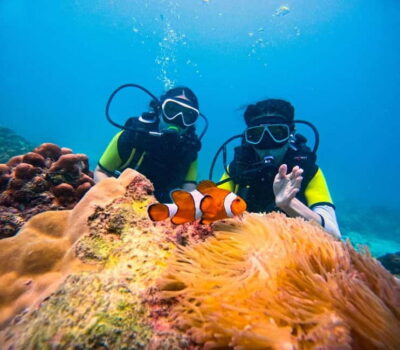
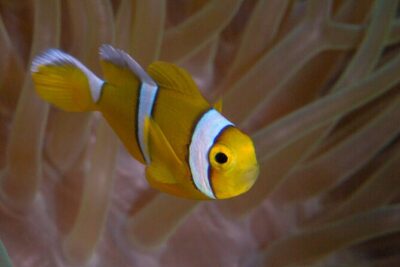
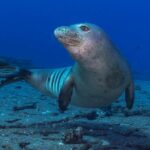
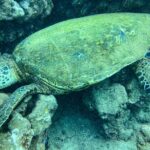
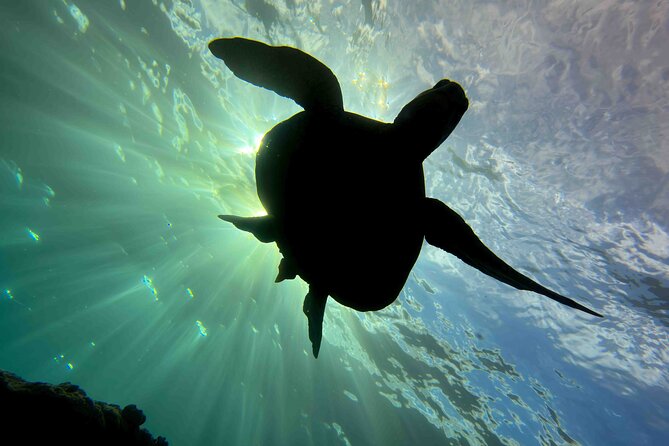
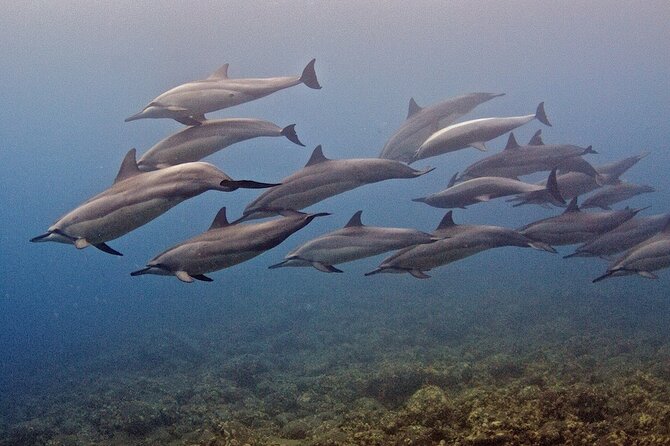
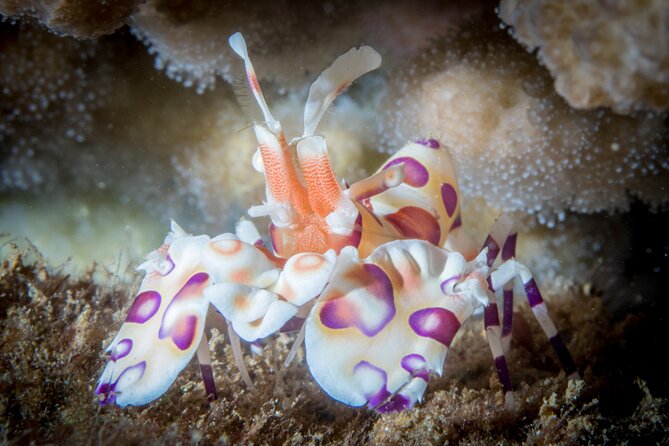
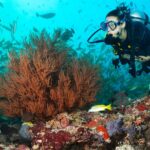
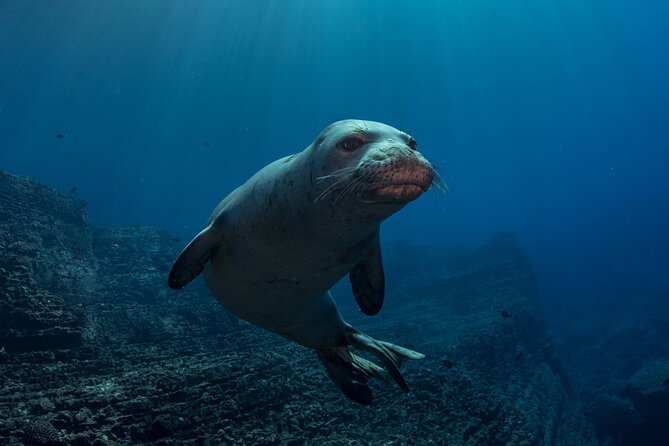
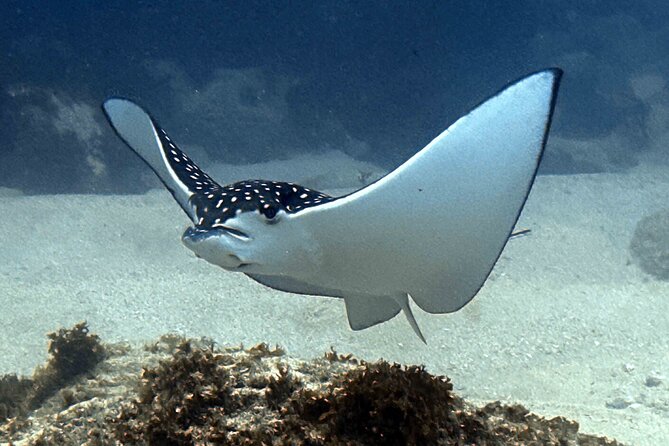
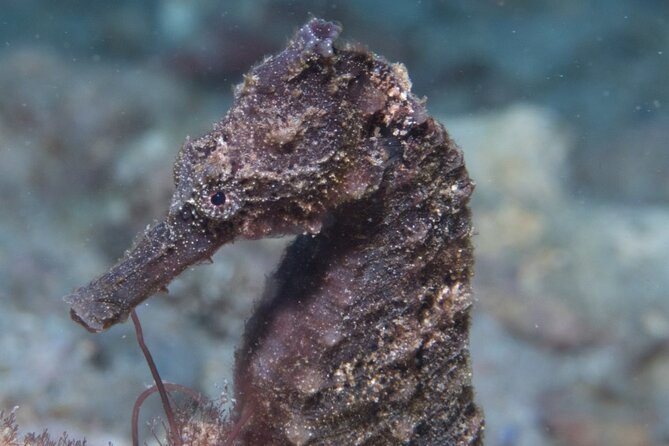
Also, it’s set up so you can see real marine life without turning the day into a test. You might spot fish schools, turtles, eels, and sometimes octopus, but the instructor’s priority is always safety first, enjoyment second.
You can also read our reviews of more tours and experiences in Kauai.
Price and What You Truly Get for $202.75
At $202.75 per person for about 4 hours 30 minutes, the value comes from what’s included. You’re getting a professional instructor, your wetsuit, and all SCUBA equipment, plus bottled water and snacks. You also get private transportation to Koloa Landing, and all fees and taxes are wrapped into the price.
What you’re not getting is hotel pick-up and drop-off. That means you should plan to arrive at the meeting point on time—2827 Poipu Rd, Koloa, HI 96756. The good news is that local access near Poipu makes it easier than if you were starting from the far side of the island.
One more value detail: small groups tend to cost more per person than big cattle-call classes. Here, the max of 4 people helps keep the instruction focused, especially if you need extra help clearing your ears or getting comfortable breathing underwater.
Your 4.5-Hour Flow: From Check-In to Reef Time
Your day starts at the meeting point on Poipu Road. Once you check in, gear prep happens right away—so you spend less time wrestling equipment and more time learning what to do with it.
Next comes transport to Koloa Landing, where you’ll get a detailed safety and skills briefing. You should expect instruction on SCUBA theory basics, how the equipment works, how you communicate underwater, and the in-water techniques you need before you go further.
Then you’ll spend time practicing in a shallow, calm environment. This is where the day earns its keep. It’s not just, Watch what I do. It’s, Try it, adjust it, repeat it, until you feel steady.
After that training time, you head into guided underwater time. Maximum depth is 40 feet, and each guided session usually lasts about 30–45 minutes per tank. If you choose the two-tank option (conditions permitting), you’ll get a chance to experience a second reef ecosystem with different marine life and scenery—basically, more variety from the same overall lesson.
When you’re done, you head back to the shop area. Expect the day to end back at the meeting point.
Two-Tank Option: More Time, a Second Reef Ecosystem
The two-tank option is the best move if you want extra underwater practice and more chances to see animals. One tank gives you the essentials; two tanks often gives you that second moment when everything clicks and you relax.
The key phrase is conditions permitting. Shore conditions can affect timing, so the instructor will guide you based on what’s safe and what the water allows that day. Still, if conditions work out, you’ll likely notice a shift between the first and second reef experience.
From what people say, the spotting potential can rise with the added time. You might see turtles at a safe distance, plus fish schools and other critters. One big theme in the feedback is that instructors scan with intent—so if something interesting is present, they tend to help you notice it.
What the Coaching Feels Like (and Why Names Matter)
In SCUBA, the instructor style can make or break your confidence. The good news is that this shop has a clear pattern of patient, step-by-step teaching.
Here are a few instructor names that came up repeatedly in feedback:
- Joe, praised for patience and making people feel taken care of
- Andrew, noted for helping a teen and an in-law feel comfortable
- Carlos, described as helpful and confident, with a friend-like vibe while staying professional
- Brie, recognized for staying patient during breathing and equalizing challenges
- Thomas Tommy Tom, highlighted for making the process smooth for a group with a mix of brand-new divers and people returning after years away
That mix matters. If you’re nervous, you want an instructor who can slow down without making you feel silly. If you’re rusty after a long break, you want someone who can help you reset technique quickly. That’s exactly the kind of support these instructors are known for.
There is one caution from a small number of feedback: one person had a negative experience with an instructor named John and felt the instruction wasn’t a fit for a beginner. You can’t control who’s assigned, but if you’re booking with a strong preference for a specific teaching style, consider asking how assignments are handled when you confirm.


Depth, Timing, and Realistic Expectations for Your First Underwater Day
The tour sets a clear ceiling: 40 feet maximum depth. For beginners, that’s a practical limit—deep enough to feel like you’re doing SCUBA, not so deep that your whole day becomes a pressure problem.
Timing is also realistic. Each tank is roughly 30–45 minutes, which is enough time to practice, look around, and enjoy the reef without feeling rushed or exhausted. That matters because beginners often underestimate how much energy it takes to stay calm and organized while breathing underwater.
Visibility and marine life can vary. One first-timer said Koloa Landing wasn’t the best for visibility and variety compared with other places, but still delivered plenty of fish, eels, and sea turtles. Another person reported strong visibility and great critter spotting. So plan your mindset as: expect solid learning first, and treat the animals as a bonus that may be amazing some days.
Also, be ready to equalize your ears. In feedback, one person described issues with equalizing on descent and another reported symptoms consistent with barotrauma afterward, like ear popping and sinus pressure. That doesn’t mean something is wrong with the activity. It means equalizing is a skill, and your body may react differently when you’re new. If you feel sharp pain or anything that worries you, speak up fast and follow the instructor’s guidance.
Gear, Comfort, and What to Watch for Before You Hit the Water
You’ll get a wetsuit, and you’ll use provided SCUBA equipment. For a beginner, that’s a big deal. You don’t have to guess whether your mask fits, whether your regulator is set up right, or whether the gear matches your body size.
Still, comfort is personal. Some people struggle with breathing through the regulator at first. Some struggle with equalizing as they descend. The best early move is to take the shallow practice seriously. If you get comfortable there, the deeper part tends to feel like a continuation—not a surprise test.
One practical idea: during training, focus on slow, steady breaths and controlled movements. If you start moving fast, you’ll likely feel more effort. When you move smoothly, your buoyancy and breathing often fall into a calmer rhythm.
Medical Paperwork and the 18-Hour Elevation Rule You Can’t Ignore
This experience requires you to complete the PADI Diver Medical Questionnaire. If the questionnaire indicates it’s needed, you’ll need physician sign-off that it’s safe for you to participate.
Don’t treat this like a formality. One feedback story described being turned away because they had cataract surgery within the last three months, and they wished they had known the restrictions earlier. While your situation may be different, the takeaway is clear: handle the paperwork early and truthfully.
There’s also an after-session rule: you must not travel to more than 1000 ft elevation for 18 hours after the activity. That includes interisland and commercial flights and trips to places like Waimea Canyon. If your Kauai schedule includes flying the next day or bouncing to higher elevation spots, plan around this limit.
If you don’t complete required forms successfully, there’s no refund within 24 hours of the experience. That’s the kind of rule that can sting if you wait until the last minute.
Who Should Book This, and Who Might Want a Different Option
This is a strong match for:
- First-time SCUBA learners who want structured instruction and shallow skill practice
- People who are a little anxious but want a calm, patient pace (the instructor names in feedback point that way)
- Families and mixed-experience groups, since the max group size is small enough for coaching to actually land
- Anyone considering the next step toward an Open Water Diver course, because you learn the core basics that usually support certification progress
It may be less ideal if you strongly prefer boat entry over shore entry. One person said shore entry was a bit difficult compared with boat-based experiences they’d done elsewhere, even though their instructor helped a lot. It doesn’t mean you can’t do it. It just means you should go in expecting a bit of awkward moment while you transition into the water.
The Bottom Line: Should You Book This Kauai Beginner SCUBA Session?
If you want a calm, beginner-first SCUBA day with real instruction time, I’d lean yes. The combination of provided gear and wetsuit, a detailed safety briefing, shallow practice, and guided reef time up to 40 feet makes it a solid starter plan.
I also like that you’re not fighting crowds. A max group size of 4 means more attention. And the feedback highlights instructors who can adjust to both total beginners and people returning after years away.
Just be honest about the two big risks to manage: medical eligibility paperwork and the 18-hour elevation restriction. If you handle those early, you’ll remove most of the stress before it starts.
Book it if you want learning plus marine life time, and you’re okay with a shore-based entry. Consider something else if you need boat access as a non-negotiable preference or you’re unsure about medical restrictions—get clarity before your scheduled day.
FAQ
How long is the Kauai beginner SCUBA experience?
It runs about 4 hours 30 minutes (approx.).
Where do I meet for the activity?
You start at 2827 Poipu Rd, Koloa, HI 96756, USA. The activity ends back at the meeting point.
Is hotel pick-up included?
No. Hotel pick-up and drop-off are not included.
What’s included in the price?
You get a professional instructor, wetsuit, SCUBA equipment, private transportation to Koloa Landing, bottled water, snacks, and all fees and taxes.
How deep will you go?
The experience goes to a maximum depth of 40 feet.
Is there a two-tank option?
Yes. A two-tank adventure is available and lets you explore a second reef ecosystem, if conditions permit.
What do I need to complete before going?
You must complete the PADI Diver Medical Questionnaire, and if required, have physician sign-off.
Are there rules about elevation after the activity?
Yes. You must not travel to more than 1000 ft of elevation for 18 hours after the activity (including flights and other higher-elevation trips).
What if I cancel?
You can cancel up to 24 hours in advance for a full refund. The experience can also be canceled due to poor weather, with a different date or a full refund.