REVIEW · KAILUA KONA
Kailua-Kona: Night Manta Snorkel or Dive
Book on GetYourGuide →Operated by Torpedo Tours · Bookable on GetYourGuide
Giant manta rays under night lights. This Kailua-Kona night manta experience uses bright lights to pull in plankton, and you get front-row action as manta rays feed close to the group. I love that it happens in a sheltered bay, so the water stays calm enough for both snorkelers and the scuba option.
The viewing setup is also a win: you’re in the same anchored area, with snorkelers floating just above the sandy bottom while the scuba guests spend time around the anchor depth (about 30 feet). One consideration: it’s not suitable for people with back problems or anyone prone to seasickness, since you’ll be out on the water at night.
In This Review
- Key Highlights You’ll Care About
- Kailua-Kona at Night: What Makes Manta-Watching So Special
- How the 2-Hour Experience Flows on the Water
- A small reality check
- The Plankton-Lights Setup: Your Real Reason for Booking
- Snorkelers vs Scuba Option: Which One Fits Your Comfort?
- If you choose snorkeling
- If you choose the scuba option
- Choose based on your comfort, not your bravery
- Price and Value: Is $129 Worth It?
- What’s Included, What to Pack, and What to Plan For
- Included
- Not included
- What to bring
- Important rules (they’re there for a reason)
- Safety, Comfort, and Who This Works For
- Crew Energy and Real-World Reliability
- Should You Book This Night Manta Snorkel or Scuba Trip in Kailua-Kona?
- FAQ
- How long is the Kailua-Kona night manta experience?
- What does the $129 per person price include?
- Do I need to bring snorkeling gear?
- Is a towel or pickup included?
- If I choose the scuba option, do I need scuba gear?
- What should I bring for the trip?
- Are there rules about touching marine life?
- Is this suitable for non-swimmers?
- What is the cancellation policy?
Key Highlights You’ll Care About
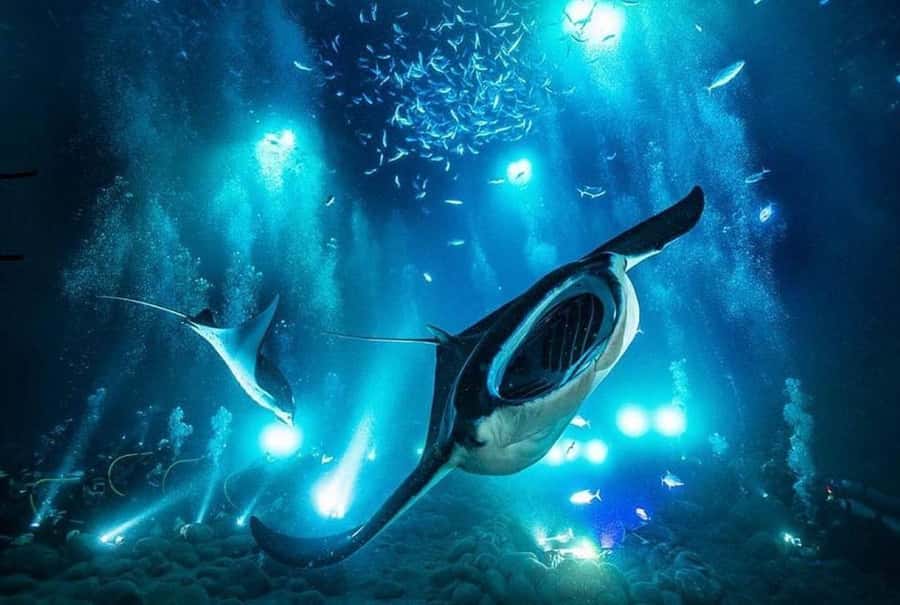
- Lights bring the food: plankton gathers around the glow, which brings the mantas into feeding range
- A calm, sheltered bay: fewer choppy surprises, which matters a lot at night
- Anchored sand at about 30 feet: it’s a focused area instead of a long drift
- Snorkelers watch from above: you see mantas swimming and flipping near the surface while others go deeper
- Giant mantas in constant feeding motion: continuous flips as they seize plankton from their nightly buffet
- Good value for a short outing: snorkeling gear plus light snacks and non-alcoholic drinks are included
Kailua-Kona at Night: What Makes Manta-Watching So Special
Kailua-Kona’s manta program has a simple magic trick. At night, the water in this area becomes a feeding zone because plankton concentrates around the lights. When the food shows up, the mantas show up too—and you’re not searching the ocean like a needle-in-a-haystack situation.
What I like about this kind of wildlife set-up is that it’s built for watching. The tour centers on a specific anchored spot over sandy bottom where the manta rays repeatedly pass close enough for real interaction—without people crowding the animals.
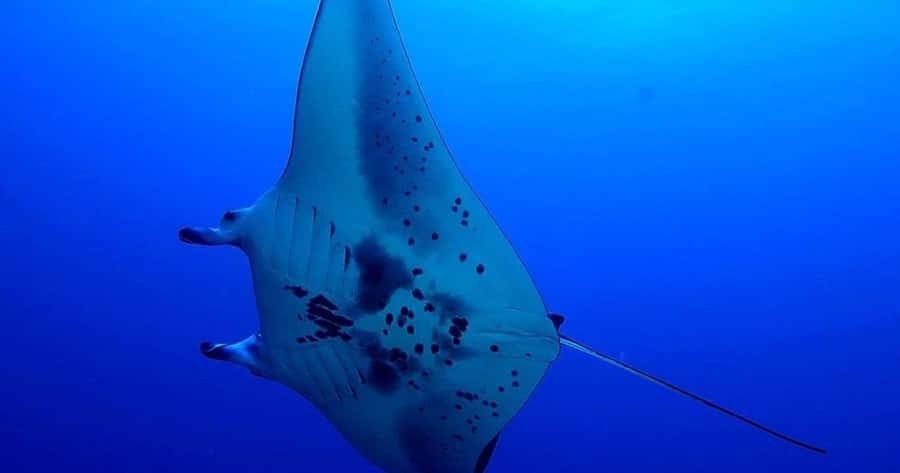
And these are not small “maybe you’ll spot one” mantas. Kona’s local manta rays can reach wingspans up to about 15 feet and can weigh over 1,000 pounds. Watching something that large move with such grace is the whole point, and the continuous feeding behavior makes it feel like a show you didn’t plan to see.
How the 2-Hour Experience Flows on the Water
You’re looking at a tight, focused 2-hour outing. That matters because night conditions (and your own energy level) can add up fast. A shorter window keeps the experience concentrated: gear on, water time, then back before you get cold or tired.
Here’s what the flow looks like in practice:
1) Get geared up and briefed
You’ll use the snorkeling gear that’s included. You’ll also get the basic rules up front, especially the “don’t touch” part—marine life and even plants are off-limits.
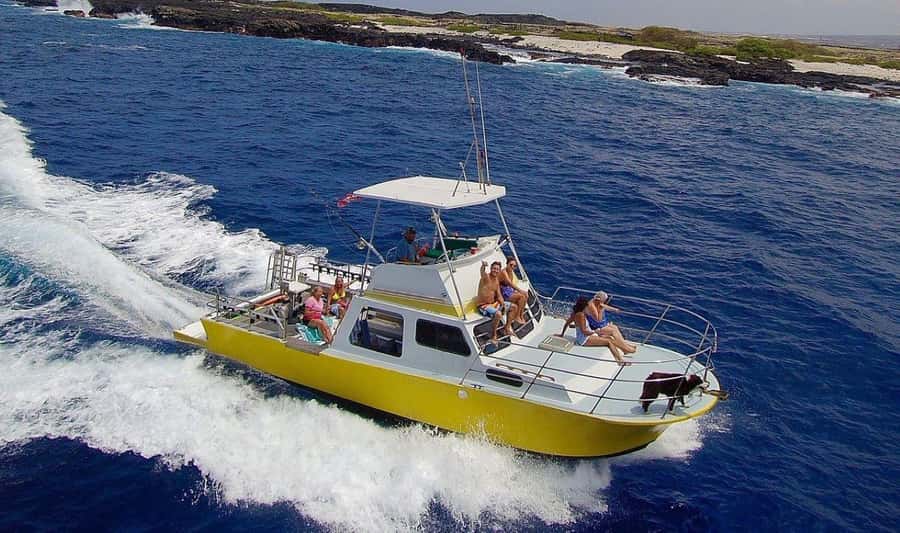
2) Boat ride to the sheltered bay area
The experience takes place in a serene, sheltered bay with calm water. That’s not a small detail. Calm water means your body can relax, your mask/snorkel stays in place, and you can focus on spotting mantas.
3) Anchoring over the sandy area
The boat anchors around a sandy area that drops to roughly 30 feet. That anchoring is key: the whole group is working from the same underwater “stage,” which makes the viewing more consistent.
4) Two ways to participate
- Snorkelers float above the sandy bottom area and watch from the surface.
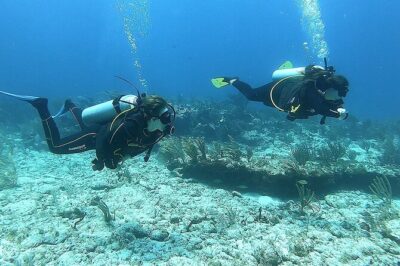
- Scuba option guests settle near the bottom and spend time around that anchor depth.
5) Lights attract plankton; mantas feed nearby
As the plankton gathers around the glow, manta rays glide in and feed. The feeding pattern is repeated and constant: the mantas perform continuous flips as they seize mouthfuls of plankton.
6) Wrap-up and return
You’re back after your set time. Since the tour is only two hours, plan to bring a change of clothes so the ride home feels comfortable.
A small reality check
Because this is a wildlife encounter, it’s still the ocean. You’re going for a high-likelihood spectacle (the area concentrates plankton), but there can always be conditions that affect how close animals come in. I’d build your trip with a bit of flexibility.
The Plankton-Lights Setup: Your Real Reason for Booking
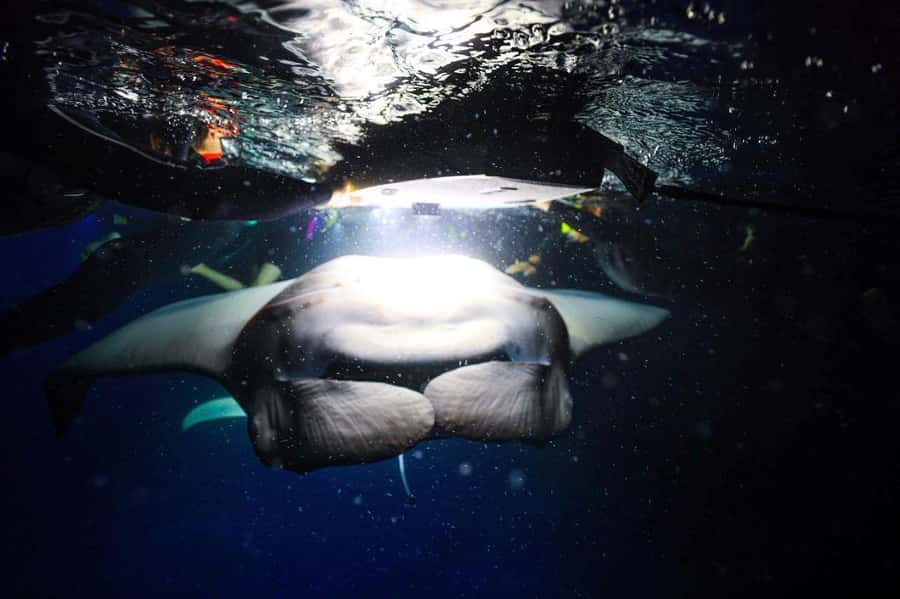
This experience hinges on the feeding physics. The lights create a concentration of plankton, and the mantas follow the food. It’s the difference between random sighting and a reliable event.
Here’s how that translates for you underwater:
- Mantas aren’t just cruising; they’re feeding continuously.
- Their movements can look almost choreographed—glide in, flip to seize food, glide again.
- Because snorkelers are positioned above the sandy bottom area, you often get a clear line of sight as mantas pass through the same space repeatedly.
If you care about “close-up wildlife,” this is exactly the right kind of setup. The goal isn’t to swim for hours. It’s to watch mantas doing what they already do at night, in a concentrated feeding zone.
Snorkelers vs Scuba Option: Which One Fits Your Comfort?
Both options are designed to put you near the same underwater action, but the feel changes a lot.
If you choose snorkeling
You’ll float above the sandy area and watch mantas as they pass close while others are down around the bottom. This tends to be the easier entry point:
- You don’t need to rent scuba gear.
- You can focus on spotting the mantas and keeping yourself relaxed on the surface.
- You get that surreal sensation of seeing giant rays at eye level-ish, even if you’re not going underwater deep.
If you choose the scuba option
This is for people who are comfortable with a longer, bottom-oriented underwater role. The boat anchors near sandy bottom and drops to about 30 feet, where scuba guests spend their time.
One cost note that matters: scuba gear is not included. The scuba gear rental is listed as $40 on site if you choose the scuba option. If you’re trying to keep the trip within a specific budget, factor that in before you commit.
Choose based on your comfort, not your bravery
If you’re a strong swimmer but feel nervous in choppy water, snorkeling in calm bay conditions can still be the better fit. If you’re fully comfortable underwater and want to experience the feeding zone from beneath, the scuba option can deliver a different perspective—again, with the whole group working around the same anchored area.
Price and Value: Is $129 Worth It?
At $129 per person for about two hours, this sits in the “premium but focused” category. You’re paying for three things:
1) A highly specific manta-ray feeding location at night
2) Time in the water where mantas repeatedly come near the group
3) Included essentials that reduce the hassle: snorkeling gear, plus light snacks and some non-alcoholic drinks
Then there are a couple of potential add-ons:
- Towels are not included, so you’ll want to bring one.
- If you pick the scuba option, scuba gear rental is listed at $40 on site.
So is it good value? For me, the answer depends on what you want.
- If you want a realistic chance at a memorable manta encounter without spending hours driving and searching, the structure and included gear help justify the price.
- If you hate paying for wildlife trips, or you’re unsure you’ll enjoy night water, you may feel the cost more than the payoff.
What’s Included, What to Pack, and What to Plan For
This is one of those tours where packing right makes your night go smoothly.
Included
- Snorkeling gear
- Light snacks
- Some non-alcoholic drinks
Not included
- Towel
- Pickup (you’ll need to make your own way to the start point)
- Scuba gear (listed as rent-on-site for $40 if you select the scuba option)
What to bring
Bring these items:
- Swimwear
- Change of clothes
- Towel
- Snacks and water
- Waterproof camera
- Biodegradable sunscreen
My practical take: even though light snacks and non-alcoholic drinks are included, bring your own water and a little extra snack if you know you get hungry. Night events can run you warmer than you expect while you wait, then cooler once you’re back on the boat.
Important rules (they’re there for a reason)
- No touching marine life
- No touching plants
This isn’t just “be nice.” It also keeps the animals and the habitat safe, and it protects you from getting into trouble with stings, bites, or algae-covered surfaces.
Safety, Comfort, and Who This Works For
This trip is not for everyone. The “not suitable for” list is pretty clear, and I’d respect it.
Skip it if:
- You have back problems
- You’re a non-swimmer
- You’re prone to seasickness
Also, remember this is nighttime water. Even if the bay is calm, the temperature change and the boat time can affect how you feel.
If you do go, your best move is to bring a change of clothes and dry off quickly after the water time. That’s one of the simplest ways to avoid the “great experience, miserable rest of the night” problem.
Crew Energy and Real-World Reliability
The staff experience seems to matter here, and that’s a good sign. In the feedback, the captain and crew are described as capable and friendly, with an emphasis on making it fun while keeping the process under control.
One operational consideration: there has been at least one reported instance of a same-day cancellation. That doesn’t mean it will happen to you, but it does mean you should avoid building a tight schedule right around your booking. Give yourself some buffer time the night of the trip.
Should You Book This Night Manta Snorkel or Scuba Trip in Kailua-Kona?
I’d book it if you want a short, well-focused wildlife experience with a realistic chance of seeing manta rays feed close by. The combination of a sheltered bay, lights that concentrate plankton, and a structured anchored viewing setup is exactly how you turn a “maybe” ocean encounter into a “wow” night.
You might pass if:
- You’re dealing with back issues or seasickness risk
- You’re not comfortable swimming and managing gear in open water
- You can’t tolerate the possibility of last-minute changes and need a super-tight itinerary
If you do book, go in prepared: bring your biodegradable sunscreen, pack a towel and change of clothes, and bring a waterproof camera so you don’t spend the night wishing you had documented the moment.
FAQ
How long is the Kailua-Kona night manta experience?
It lasts 2 hours.
What does the $129 per person price include?
Snorkeling gear, light snacks, and some non-alcoholic drinks are included.
Do I need to bring snorkeling gear?
No. Snorkeling gear is included.
Is a towel or pickup included?
No. Towels and pickup are not included.
If I choose the scuba option, do I need scuba gear?
Scuba gear is not included. Scuba gear can be rented on site for $40 if you select the scuba option.
What should I bring for the trip?
Bring swimwear, a change of clothes, a towel, snacks, water, a waterproof camera, and biodegradable sunscreen.
Are there rules about touching marine life?
Yes. Touching marine life and touching plants are not allowed.
Is this suitable for non-swimmers?
No. It is not suitable for non-swimmers.
What is the cancellation policy?
Free cancellation is available up to 24 hours in advance for a full refund.