REVIEW · OAHU
SCUBA Dive at Electric Beach with Photos -No Certification Needed
Book on Viator →Operated by Makai Expeditions · Bookable on Viator
First breath underwater, no certification needed. This Oahu Electric Beach scuba experience makes it straightforward for first-timers: you get one-to-one guidance with a professional PADI instructor, plus all gear and an included edited photo package. One thing to plan around: you must know how to swim, and you can’t fly for 24 hours after your experience.
This is built around a simple 2-hour schedule with a detailed safety briefing, a one-on-one skills check in the water, and then time exploring the reef with your instructor. In past sessions, I saw lots of mentions of calm, focused teaching from Randy (and photo help from Talia), along with real wildlife sightings like sea turtles and plenty of fish.
In This Review
- Electric Beach to Kahe Point: Where This First-Time Scuba Session Works
- Price and Value: What $130 Gets You (and What It Doesn’t)
- The 2-Hour Flow: Safety Briefing, One-on-One Skills, Reef Time
- 1) Arrival and a detailed safety briefing
- 2) One-on-one skills session in the water
- 3) Guided exploration of the reef
- 4) Back out and equipment help
- Kahe Point Reef Time: Sea Life You’re Likely to See
- Randy and Talia: Why the Coaching Style Makes the Difference
- What You Must Be Able To Do Before You Go
- What to Bring (and How to Show Up Comfortable)
- Small Group Size: Why Max 4 Travelers Feels Personal
- Electric Beach Extras: A Fun Side Trip If You Have Time
- Should You Book This Electric Beach Scuba Session?
- FAQ
- Do I need scuba certification?
- Do I need to know how to swim?
- How long is the experience?
- How big is the group?
- Where does the experience take place?
- Is scuba equipment included?
- Are photos included?
- What should I bring?
- Can I fly after the activity?
- What if weather is bad?
Electric Beach to Kahe Point: Where This First-Time Scuba Session Works
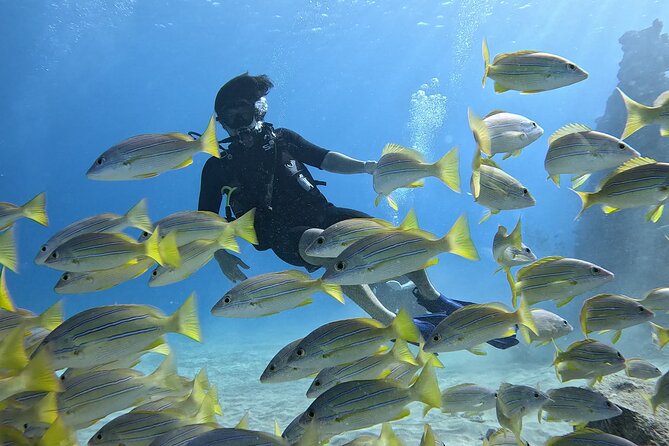
The experience is set up for people who want the sensation of breathing underwater for the first time without the hassle of getting certified first. You’ll start at 92-301 Farrington Hwy, Kapolei, and you’ll head to Kahe Point Beach Park for the main water time.
Why that matters: a shore-based setup usually keeps everything easier to manage when you’re learning. You’re not juggling complicated logistics like boats, long transfers, or unfamiliar water entry styles. It’s also the kind of place where you can actually focus on the fundamentals: breathing, buoyancy control, and staying comfortable while you learn the hand signals you’ll use during the session.
Also, this keeps the group small. The max is 4 travelers, which means you’re not one face in a crowd. You should expect tighter attention, quicker adjustments, and more time for questions.
And if you’re spending extra time around Electric Beach, you’ll hear chatter about nearby little stops like the electric beach turtle washing station (one recent participant said it got a couple of visits). There’s also mention of a Buddha feature people either love or skip—so just know it’s there, but it’s not the main event.
Price and Value: What $130 Gets You (and What It Doesn’t)
At $130 per person for about 2 hours, the big value is what’s bundled. You’re not just paying for a guide—you’re paying for training time, equipment, and images.
Here’s what’s included:
- Scuba equipment (you don’t need to rent it separately)
- A complimentary edited photo package
- Instructor-led safety briefing and guided reef tour
Here’s what’s not included:
- Bottled water
- Towel and swimwear
So is $130 a good deal? For most first-time scuba attempts on Oahu, the cost usually rises fast once you add gear rental, instruction, and photos. What you’re getting here is a package that removes friction: you show up, you learn, you leave with pictures. That’s especially valuable if this is a once-per-trip activity for you.
Two practical notes on value:
- The course is designed as no certification required, but it still delivers structured one-on-one skills training. That’s a better match for beginners than “tag along and watch” experiences.
- The photo package is a real confidence booster. When you’re new underwater, you may not see everything happening around you. Photos help you remember what you actually did—and where you were.
You can also read our reviews of more tours and experiences in Oahu.

The 2-Hour Flow: Safety Briefing, One-on-One Skills, Reef Time
This is not a chaotic “jump in and hope” setup. The schedule is short, but it follows a logical order.
1) Arrival and a detailed safety briefing
Before you touch the water, you’ll get a safety briefing that covers the dive site and what you need to know for your first scuba experience. This is where your instructor sets expectations and gives you the basics in a way you can process before you’re dealing with breathing equipment underwater.
If you’re nervous, this part matters. A good briefing keeps you from trying to decode gear and hand signals while you’re already underwater.
2) One-on-one skills session in the water
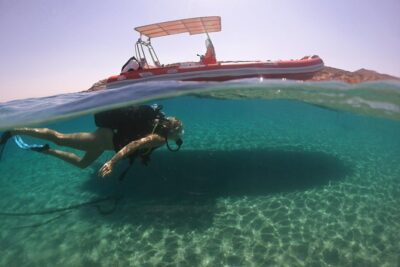
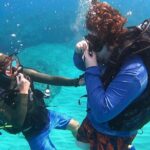
After the briefing, you’ll do a one-on-one skills session with your instructor. The instructor works beside you as you practice the fundamentals—exactly the kind of attention you want when you’re learning how your body behaves with the regulator and buoyancy.
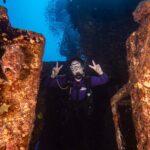
From the names that come up most in successful experiences—Randy is frequently described as calm, focused on safety, and very clear with instruction. People also mention that you’re taught the hand signals so you’re not guessing what the instructor wants from you.
3) Guided exploration of the reef
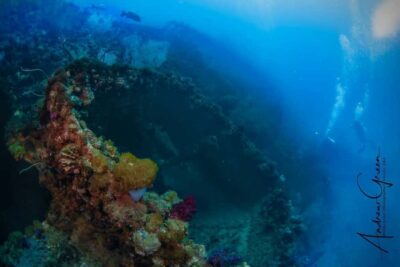
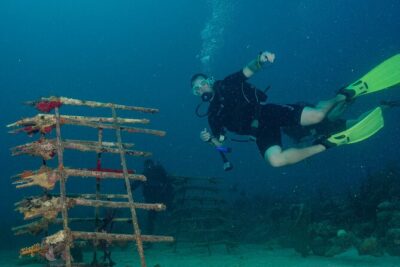
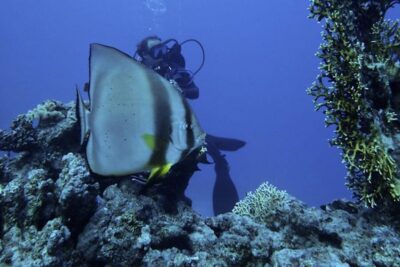
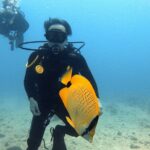
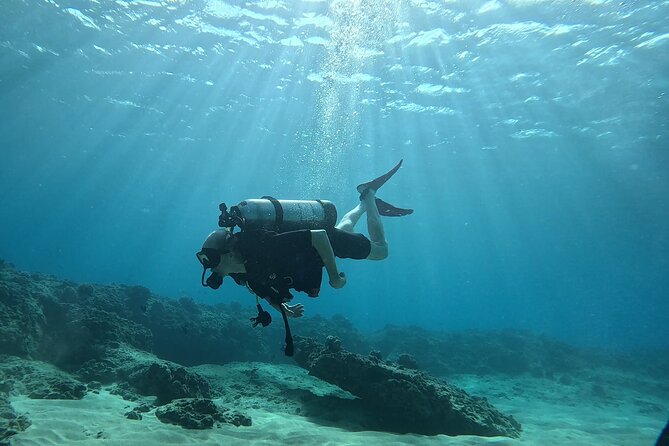
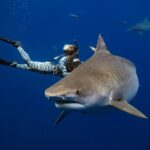
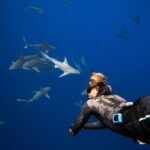
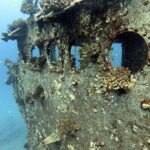
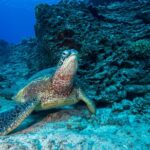
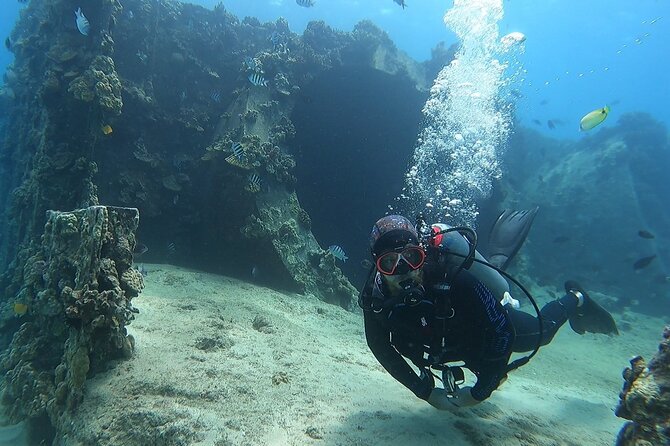
Once you complete the skills portion, you’ll explore the reef on a guided tour. This is where the “wow” moments typically show up: fish, coral features, and the marine life that makes Hawaii so famous.
A useful detail from past participants: at least one beginner reported reaching about 35 feet on their first try. Depth and time can vary by conditions and comfort level, but it gives you a sense that the experience isn’t only “barely in the water.” You’ll likely spend enough time to feel like you did an actual underwater outing.
4) Back out and equipment help
The session ends back at the starting point. Your instructor helps you out of your equipment—another small but important thing. When gear comes off the way it’s supposed to, you don’t end your experience feeling cold, flustered, or unsure you did it right.
Kahe Point Reef Time: Sea Life You’re Likely to See
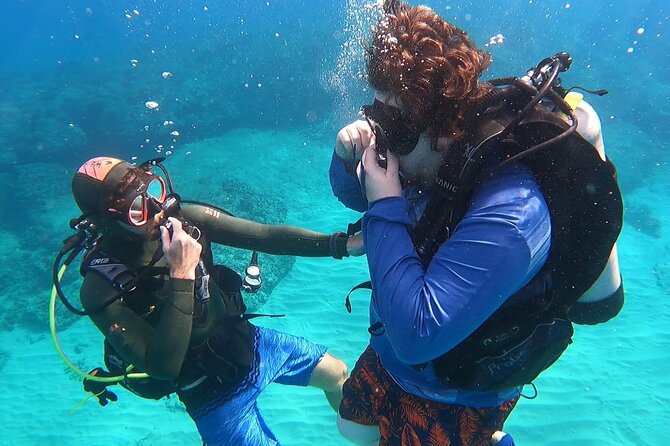
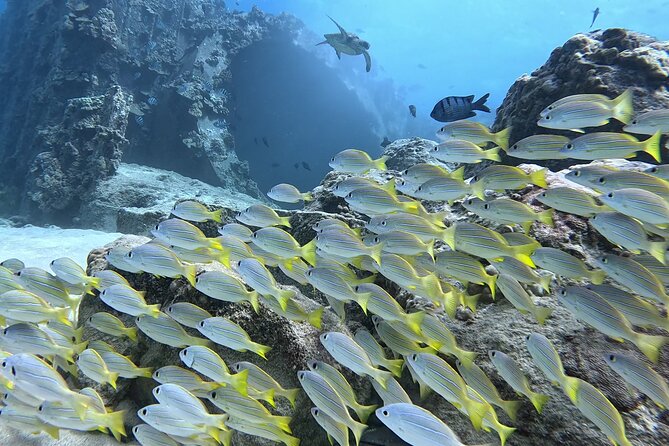
The biggest theme in the feedback is simple: wildlife shows up, and the guides help you notice it.
What people commonly talk about:
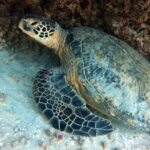
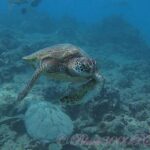
- Sea turtles (often the headline animal)
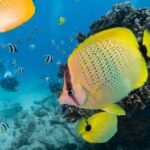
- Lots of fish
- Occasional extra highlights like an eel or rays
- Turtles near structures—one person described turtles playing around pipes
There’s also a theme of safety that doesn’t kill the fun. Multiple participants emphasize how Randy keeps things calm and focused, even when conditions get a little challenging. One family mentioned a stronger current but still managed great visibility and animal sightings thanks to patient instruction.
If seeing turtles is your goal, you should feel optimistic—this spot has a track record of getting first-timers real turtle encounters. Just keep your expectations flexible: wildlife isn’t a vending machine. Your job underwater is to stay relaxed and follow the instructor’s direction. Their job is to put you in the best position to enjoy what’s there.
Randy and Talia: Why the Coaching Style Makes the Difference
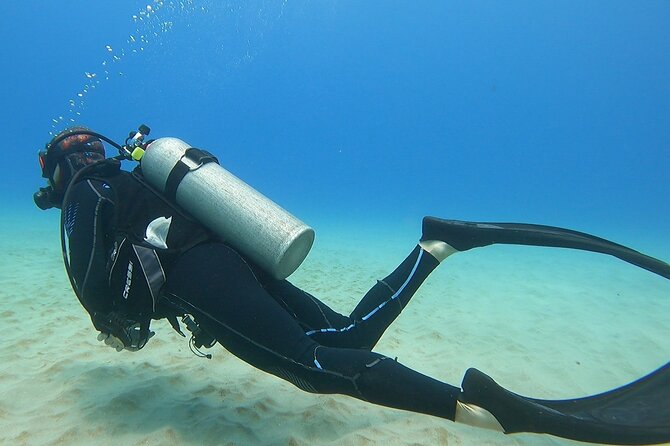
When you’re learning scuba, the instructor isn’t a “bonus.” It’s the whole experience.
Two instructor names show up again and again: Randy and Talia. Here’s what that usually means for you on the water:
- Your instructor works beside you through the whole process, not just at the start.
- You get instruction that’s clear enough to prevent anxiety.
- The pace is adjusted for comfort, not for speed.
One participant even described feeling calm enough that there was no worry the whole time. Another mentioned a parent having to pause when nerves spiked, and the instructor helped keep everything controlled and safe.
Photo help seems to be part of the magic too. Talia is frequently credited for taking great underwater pictures, and several people say the photos were a highlight they appreciated even more after the fact.
So if you care about both safety and memories, this team setup is a strong reason to book.
What You Must Be Able To Do Before You Go
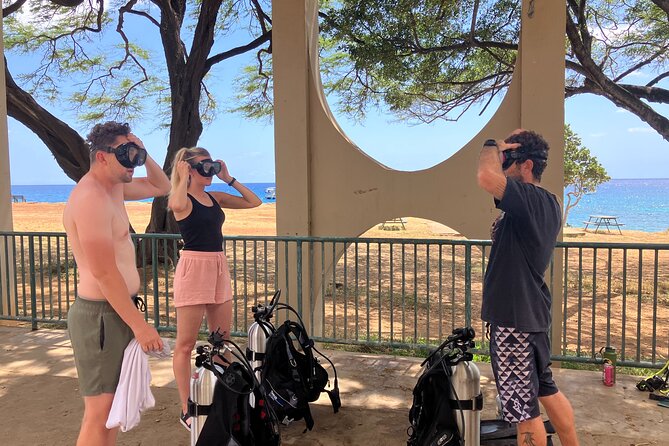
This is where you should read carefully and self-check.
You need to:
- Know how to swim
- Have a moderate physical fitness level
You also need to plan around the flight rule:
- You cannot fly for 24 hours after the activity
That matters if you’re on a tight itinerary or flying out the same day. Build in the buffer. It’s the kind of restriction that exists for a reason, and it’s better to plan around it than to argue with it at the airport.
One more practical point: you’ll be in water with scuba gear. If you’re prone to panic or you tend to freeze when something feels unfamiliar, tell the instructor right away during the briefing. A calm instructor can guide you through it, but communication helps.
What to Bring (and How to Show Up Comfortable)
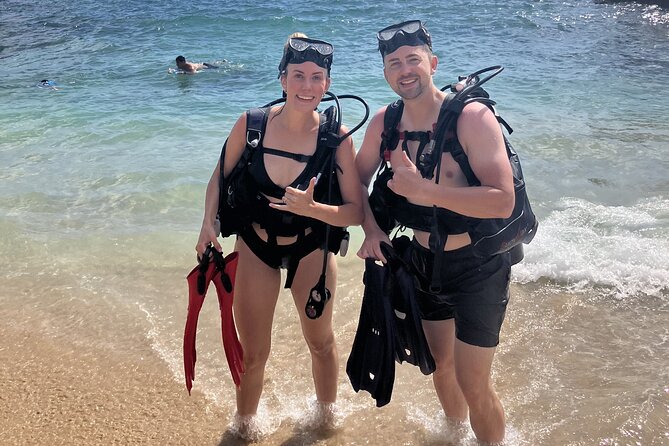
The tour includes scuba equipment and a photo package, but you still need to bring the human basics.
Not included:
- Towel
- Swimwear
- Bottled water
So pack smart:
- Wear swimwear you’re comfortable in for a couple of hours.
- Bring a towel for the end so you’re not rushing dry off in the wind.
- Bring water with you, especially if you’ll wait around before your session.
Also, think about simple comfort items:
- If you’re getting cold easily, a quick dry layer can help after gear removal.
- If you wear glasses or contacts, make sure you’re comfortable with what you’ll do underwater. (The tour data doesn’t specify a gear fit plan, so it’s best to be prepared.)
Small Group Size: Why Max 4 Travelers Feels Personal
Max 4 travelers sounds like a detail, but it affects everything.
With fewer people:
- Instruction can be more direct.
- The one-on-one skills practice is actually more one-on-one.
- Your instructor can notice small issues fast—like your comfort level, breathing rhythm, or buoyancy control.
It also helps with pacing. You don’t have to keep up with a tight schedule designed for a larger crowd. When you’re learning a new skill underwater, that flexibility is a big deal.
And if you’re coming as a duo or a family group, the setup often feels like a private lesson rather than a group activity. One couple even described their experience as private, which likely reflects the small-number nature of the operation (exact availability varies by day, but the cap is clear).
Electric Beach Extras: A Fun Side Trip If You Have Time
Electric Beach is part of the appeal, and some participants make time for small, local details before or after the water work.
A couple of examples from what people loved:
- The turtle washing station near Electric Beach got special attention, including mentions of enjoying it more than once.
- A Buddha feature at the beach is described as something to skip by at least one person.
Keep this optional in your mind. The main value is your instructor-led underwater experience and the photos, not a checklist of beach attractions. But if you’re already there in the area, it can be a nice add-on.
Should You Book This Electric Beach Scuba Session?
I’d recommend booking this if:
- You’re a beginner and want no certification required training.
- You care about safety and clear instruction, not just “seeing sea life.”
- You want all equipment included and you’d like an edited photo package as part of the deal.
- You appreciate small group experiences where the instructor can stay focused on you.
I’d hesitate if:
- You don’t swim confidently.
- You can’t deal with a 24-hour no-fly window after your activity.
- You’re expecting long, independent exploration with no close coaching. This is a learning-first setup with guided time.
If you want a first underwater experience that feels structured, personal, and memorable—with Randy and Talia’s patient teaching style and a photo package waiting afterward—this is a very practical way to check scuba off your Oahu list.
FAQ
Do I need scuba certification?
No. This experience is listed as no certification needed, and it’s designed for first-time scuba participants.
Do I need to know how to swim?
Yes. You must know how to swim.
How long is the experience?
It’s about 2 hours.
How big is the group?
The maximum group size is 4 travelers.
Where does the experience take place?
The experience starts at 92-301 Farrington Hwy, Kapolei, HI 96707 and includes water time at Kahe Point Beach Park. It ends back at the meeting point.
Is scuba equipment included?
Yes. Scuba equipment is included.
Are photos included?
Yes. There’s a complimentary edited photo package included.
What should I bring?
Bottled water is not included, and you’ll also want to bring a towel and swimwear.
Can I fly after the activity?
No. You cannot fly 24 hours after the activity.
What if weather is bad?
This experience requires good weather. If it’s canceled due to poor weather, you’ll be offered a different date or a full refund.