REVIEW · NUSA LEMBONGAN
2 or 3 dives in Nusa Lembongan and Penida, for certified diver (in Lembongan)
Book on Viator →Operated by Bali Diving Academy · Bookable on Viator
Mantas are the main event here. I like how the trip is built around manta sightings that are almost guaranteed, not wishful thinking, and how the team runs tight, friendly groups (up to 8) with guides such as Sybille on land and Yao or Lino in the water. One thing to keep in mind: you’ll want flexibility, because Manta Point isn’t promised every day and conditions can shuffle the plan.
I also love the practical flow of the day: you get a clear meeting time, a planned departure, and a real surface break with lunch on the boat after your first water session. Your other big plus is gear convenience—essential kit is included, with optional rentals for things like a camera or computer if you want extra peace of mind. The only real downside is that this is strictly for certified scuba divers, so you can’t treat it like a first-timer tryout.
In This Review
- Quick hits before you book
- Why Nusa Penida mantas look so reliable from Lembongan
- Getting on the water: timing, group size, and what it feels like
- Your underwater stops: what each one is good for
- Manta Point: the headline stop (and why flexibility helps)
- Crystal Bay: variety when conditions shift
- Gamat Bay: a calmer, more local-feeling add-on
- Boat lunch during the surface interval: small detail, big payoff
- Gear and cameras: what you bring vs what you can rent
- When mola mola might happen (June–October timing)
- What the guide experience tends to be like in practice
- Price and value: what $105 means in real terms
- How to decide between the 2-stop and 3-stop packages
- Who this is best for, and who should skip it
- Should you book this manta-focused scuba package from Lembongan?
- FAQ
- Do I need to be a certified scuba diver?
- How many underwater sessions are included?
- Where do I meet, and what time does the boat leave?
- What time does the trip usually end?
- Which sites are visited?
- Is lunch included?
- Is scuba gear included?
- Is there any extra cost during the trip?
- Can I see mola mola (sunfish)?
- What happens if the experience is canceled due to weather?
Quick hits before you book
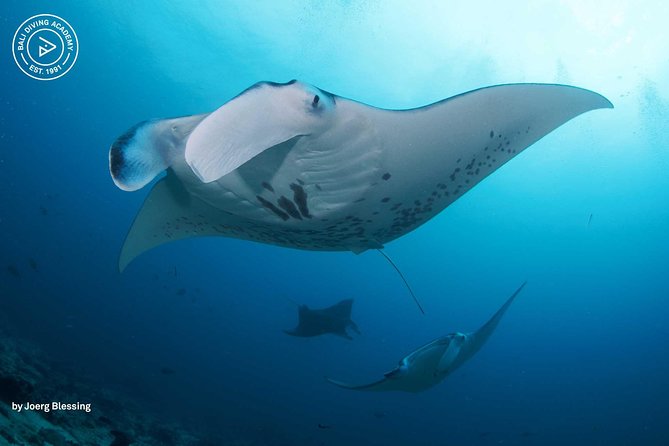
- Almost-guaranteed manta ray encounters off Nusa Penida
- Up to 8 people for a less chaotic day on the water
- Boat lunch during the surface break so you don’t rush or snack later
- 2- or 3-stop packages so you can match the day to your comfort and interests
- Seasonal chance at mola mola (June to October, when conditions permit)
- Small-site variety across Manta Point, Crystal Bay, and Gamat Bay (schedule allowing)
Why Nusa Penida mantas look so reliable from Lembongan
If you’re chasing manta rays, this area earns its reputation. The Nusas are famous for predictable feeding and cleaning activity, and the program is designed specifically around those sites. For you, that matters because it turns the day from a gamble into a plan.
From Nusa Lembongan, the local operation targets the Penida side where manta rays are commonly seen in the right conditions. And the best part is the focus: you’re not signing up for a generic day that might or might not hit the famous locations. The staff note they visit Manta Point regularly—then they also set expectations that it can’t be guaranteed every single day.
Seasonally, June through October can add another rare highlight: mola mola (sunfish). That’s not a promise, but it’s a real reason to time your trip in those months if you’re chasing the unusual.
You can also read our reviews of more tours and experiences in Nusa Lembongan.
Getting on the water: timing, group size, and what it feels like
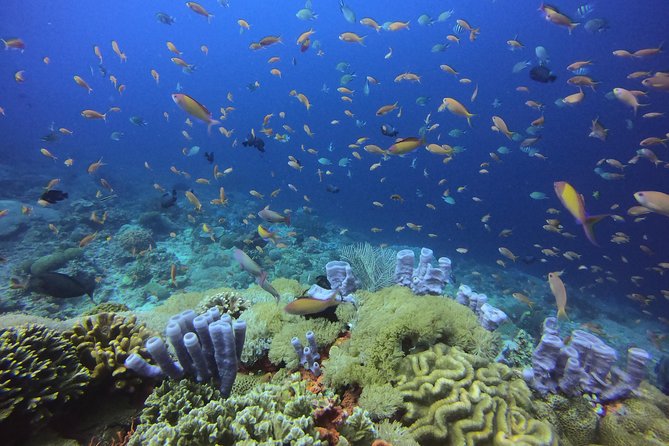
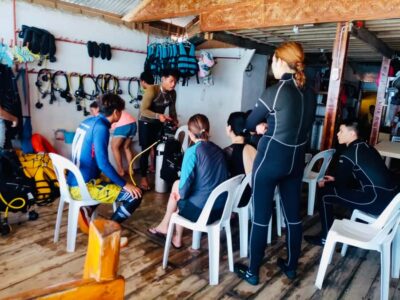
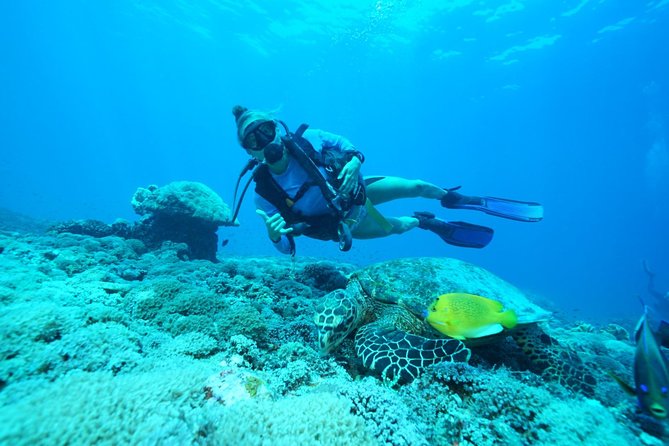
The day runs on a schedule with two main departure windows. You meet at 7:30 am or 10:00 am at the Lembongan scuba shop area in Jungut Batu. After gear setup and a guide briefing, the boat leaves at 8:00 am or 10:30 am.
After your first underwater session, you’ll have lunch on the boat during the surface interval. The boat typically returns around 2:30 pm or 3:00 pm, depending on which option you pick and how the day moves with sea conditions.
Two practical notes I’d plan around:
- The group cap is maximum 8 people, which helps with comfort, quieter boat time, and more personal guidance.
- This is a structured day, not a long hang-out. If you want a slow tropical day, pair it with extra downtime on land.
Your underwater stops: what each one is good for
Manta Point: the headline stop (and why flexibility helps)
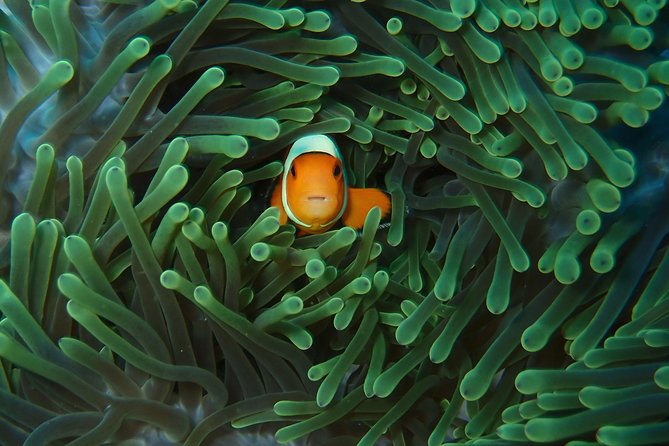
Manta Point is the big name in this region, and it’s on the standard list. The operator says they visit it regularly, but they also spell out the reality: scheduling and unfavorable sea conditions can prevent it on any given day.
For you, that means two things:
1) If mantas are your top goal, this is still the right itinerary to choose.
2) If Manta Point is your one non-negotiable, build in flexibility and consider booking a package date where weather looks best.
If you’re a visual person, think of this stop as the place you go hoping to see mantas doing their normal routines—often with cleaning activity and mating behavior when timing and conditions line up.
Crystal Bay: variety when conditions shift
Crystal Bay is the next major stop, and it’s included as part of the usual run. When sea state changes the plan, this is one of the sites that keeps the day from feeling like a backup session.
What I like about including Crystal Bay in a manta-focused itinerary is that it gives you a strong chance at marine variety even if the day can’t be 100% about one landmark location.
Gamat Bay: a calmer, more local-feeling add-on
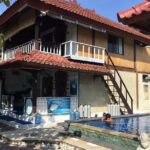
If you choose the 3-stop package, you’ll add Gamat Bay as a third location. This is the kind of stop that can be a nice change of pace after the high-demand excitement of the Penida manta hotspot.
The day’s best moments usually come from contrast: one stop that’s about spectacle, another that’s about cruising through a different underwater habitat, then one more that feels like a bonus rather than a checkbox.
Boat lunch during the surface interval: small detail, big payoff
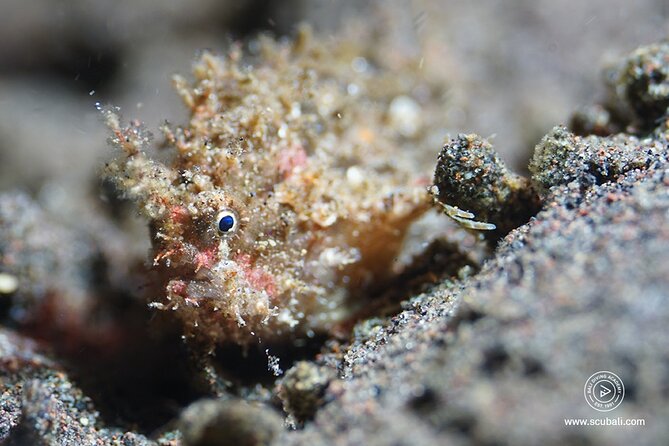
One of the most underrated parts of a long day at sea is what happens between sessions. Here, you get lunch on the boat after the first session while waiting out your surface interval.
You’ll have a lunch box, plus coffee and tea onboard. For you, that’s the difference between enjoying the second half of the day and feeling grumpy because you’re hungry, dehydrated, or hunting for food later.
Also, having the meal on the boat helps keep the schedule clean. Instead of trying to time food around logistics, you’re already on the water and the day has a rhythm.
Gear and cameras: what you bring vs what you can rent
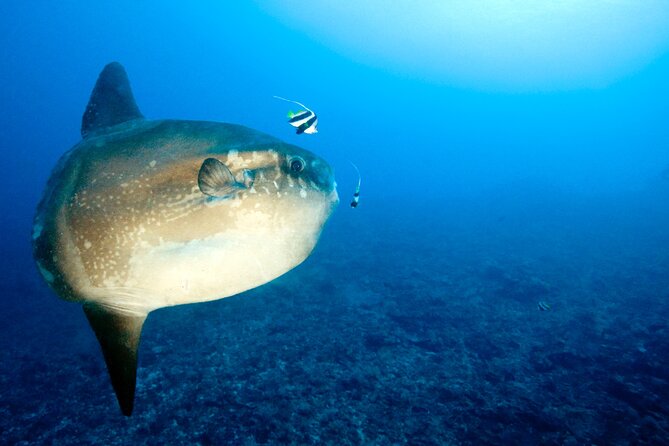
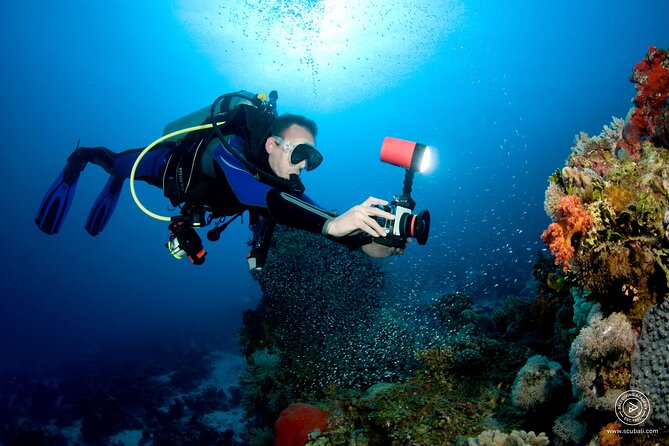
The key gear angle is simple: essential scuba gear is included. That’s a big value point because it saves you from last-minute rental hassles and lets you travel lighter.
If you want extra tech:
- Dive computers can be rented.
- A GoPro camera can be rented.
The exact rental details are described as available, and since things like cameras vary by comfort level, it’s worth deciding before you show up.
Also note: Manta Point fuel surcharge is mentioned as something you may pay on the spot. That doesn’t make the trip bad—it just means you shouldn’t assume the displayed price covers every last operational cost for every site.
When mola mola might happen (June–October timing)
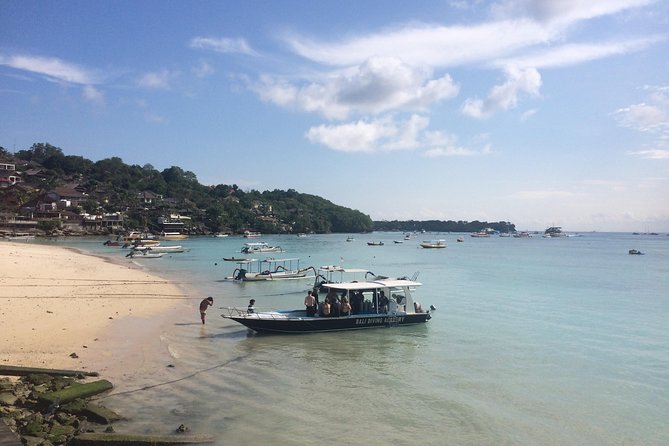
Mola mola can appear from June to October, but only when conditions permit. The wording matters here: you’re not buying a guarantee, you’re buying a realistic seasonal chance.
For you, the best strategy is to check your trip timing and also pick a day that doesn’t look terrible on wind and swell. Mola mola sightings can be less frequent than mantas, so you’ll feel better mentally if you treat it as a bonus.
What the guide experience tends to be like in practice
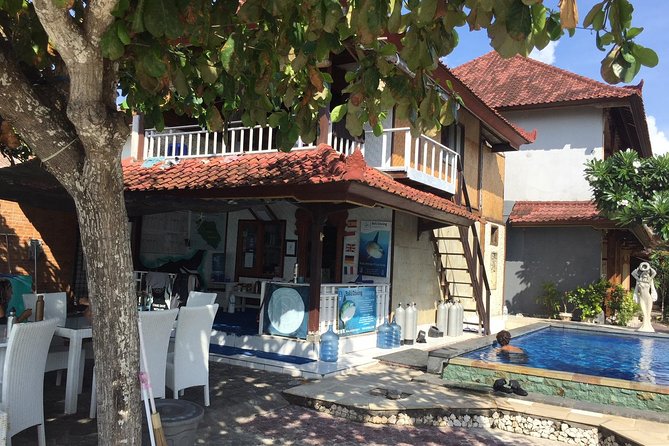
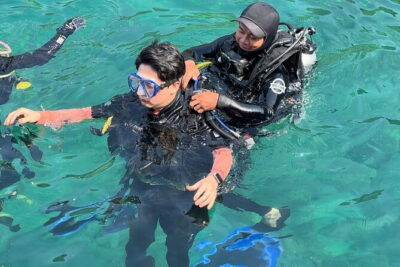
Staff quality is where this setup earns strong praise. You may see names like Sybille, Sami, Ledo, Andy, Yap, and Yao involved across days, with some people also mentioned for longer multi-day stays (like Lino, Adi, and Rai).
A couple of things that show up in the way the team works:
- They keep groups small and try to place people into manageable numbers.
- Guides tailor the day based on requests when possible.
- One guide, Katie, is described as a marine biologist, which can be a fun bonus if you like science context alongside the underwater action.
That matters because on a day where mantas show up, good guidance helps you position well, manage time, and actually enjoy the moment instead of scrambling.
Price and value: what $105 means in real terms
The listed price is $105 per person for this experience, and the operator offers 2-stop or 3-stop options. Since the exact package length you book changes your day, treat $105 as your starting point and confirm which option matches your plan.
Here’s why the value can work for you:
- Essential gear is included, so you avoid common hidden costs.
- Your food is handled with boat lunch during the surface interval.
- You have a guide with a plan built around signature sites rather than random wandering.
- Your group size stays capped at 8, which is often better value than you’d expect versus larger boat setups.
The extra possible cost to watch for is the Manta Point fuel surcharge payable on the spot. If you’re budgeting tightly, ask upfront how that tends to work for your exact date and package.
Also, the day is about 6 hours on average. That’s compact enough to feel like you’re using time efficiently while still being a full experience, not a halfhearted outing.
How to decide between the 2-stop and 3-stop packages
If you’re choosing based on energy and interest, here’s a practical way to think about it.
Choose the 2-stop option if:
- You want mantas as the main goal and prefer a slightly lighter schedule.
- You’re coming off travel and want to keep fatigue low.
- You’d rather spend time back on Lembongan after the boat returns around mid-afternoon.
Choose the 3-stop option if:
- You want more time in different environments on the same day.
- You like the idea of adding Gamat Bay as a third highlight.
- You’re comfortable maintaining focus across multiple underwater sessions.
Both options include lunch and guidance. The difference is how much extra underwater time you want to pack into the day.
Who this is best for, and who should skip it
This experience is for certified scuba divers, and you’ll need to show proof of certification. If you’re not certified yet, this isn’t a first-step course.
It also notes you should have a moderate physical fitness level. That doesn’t mean you need to be an athlete, but it does mean you should be ready for boat time, gear handling, and the simple physical demands of a full day on the water.
This is a great fit if you:
- Want a manta-focused day with a high chance of seeing mantas.
- Prefer small group structure (up to 8).
- Like the idea of a guided plan with iconic stops like Manta Point and Crystal Bay.
You might skip it if:
- You need a strict, no-variation promise to visit Manta Point on a specific day.
- You’re a first-timer and still need certification.
Should you book this manta-focused scuba package from Lembongan?
If manta rays are your top priority, I think this is a very logical booking. The program is built around the sites where mantas are expected, with an organized schedule, included lunch, and a small-group cap that makes the day feel more personal.
The only reason not to book is if you can’t handle uncertainty around conditions—because the operation is honest that Manta Point isn’t guaranteed every day. If that kind of flexibility works for you, you’ll likely feel like your money went to the right places: good sites, good guidance, and a day that stays efficient rather than chaotic.
FAQ
Do I need to be a certified scuba diver?
Yes. Proof of certification is required to join.
How many underwater sessions are included?
You can choose a package with 2 sessions or a package with 3 sessions.
Where do I meet, and what time does the boat leave?
Meet at 7:30 am or 10:00 am at the Lembongan scuba shop in Jungut Batu. The boat departs at 8:00 am or 10:30 am.
What time does the trip usually end?
The boat typically returns to the dive shop around 2:30 pm or 3:00 pm.
Which sites are visited?
The listed stops include Manta Point, Crystal Bay, and Gamat Bay (for the 3-session option). Manta Point can’t be guaranteed every day.
Is lunch included?
Yes. You get a lunch box, with coffee and tea available on the boat during your surface interval.
Is scuba gear included?
Essential dive/scuba gear is included. Dive computers and GoPros are available for rent.
Is there any extra cost during the trip?
There may be a Manta Point fuel surcharge payable on the spot.
Can I see mola mola (sunfish)?
There is a chance from June to October, when conditions permit.
What happens if the experience is canceled due to weather?
This activity requires good weather. If it’s canceled due to poor weather, you’ll be offered a different date or a full refund.