REVIEW · OAHU
Open Water Scuba Certification
Book on Viator →Operated by Honolulu Scuba Company and Dolphin Divers · Bookable on Viator
Scuba certification in Honolulu isn’t just a stamp, it’s a hands-on skill reset. This 4-day SSI Open Water course runs over two consecutive weekends, moving from beach practice to ocean check-out sessions. I love that the staff is built for real beginners—people like instructors Lenny, Theo, Hunter, Anna, and Chandler show up with patience and safety-first teaching—and I also like that you’re not just “watching,” you’re getting guided reps that make underwater breathing feel manageable. One thing to consider: you’ll need your own transportation, and the schedule is fixed over two weekends, so if you’re flexible in the wrong way, it can get annoying.
The value is strong at $495 per person because you’re paying for an SSI certification track with professional instruction plus most equipment. You’ll also get required digital learning before you even hit the water. Still, read the fine print mindset: canceling is non-refundable, and the course depends on health screening—if you’re sick or medically not cleared, plans can change.
In This Review
- Key highlights worth caring about
- Why Honolulu is a smart place to start scuba
- Price and value: what $495 really buys
- The two-weekend rhythm: beach practice to ocean check-outs
- Day 1: review + confined-water skills from the beach
- Day 2: two ocean sessions
- Weekend 2, Day 3: more confined-water training
- Day 4: final check-out sessions in the ocean
- What you’ll do underwater (without getting overwhelmed)
- The wildlife and reef side: what to look for in Hawaii
- Equipment reality: what’s included and what you must plan for
- What’s included
- What you bring or buy
- Group size, instructor vibe, and what safety should feel like
- Getting there: Honolulu logistics and the 7:00 am start
- Who should book this course
- Should you book the Open Water Scuba Certification in Honolulu?
- FAQ
- What certification do I earn?
- How does the course schedule work over the two weekends?
- Do I need to complete online learning before day one?
- What scuba equipment is included, and what should I bring?
- Is transportation included?
- Is this experience refundable if I cancel?
Key highlights worth caring about
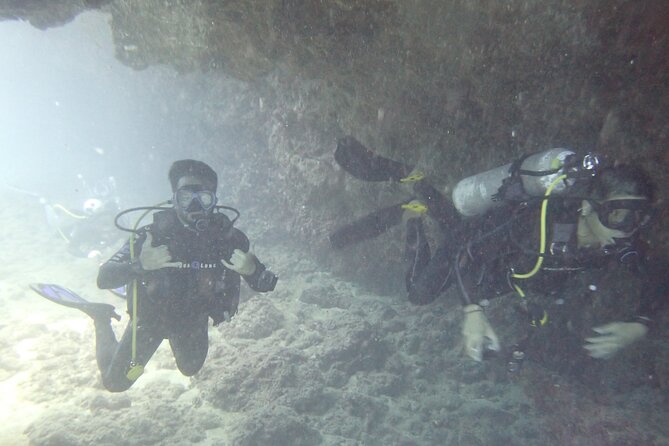
- Two consecutive weekends: structured progression from confined skills to ocean check-out sessions
- Patient, confidence-building instructors: multiple standout names like Hunter, Anna, Jake, Ed, and Theo
- Equipment included except your small essentials: plan to bring or buy mask, snorkel, fins, boots
- SSI Open Water certification: you’ll finish with the credential and logged local underwater sessions
- Small group size: maximum 8 students, so more time with your instructor
Why Honolulu is a smart place to start scuba
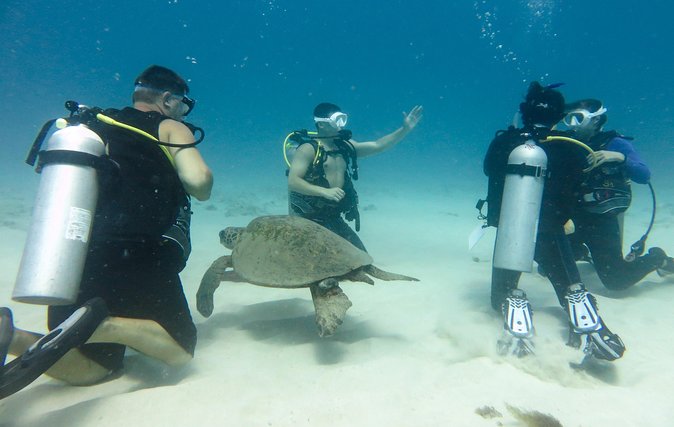
Honolulu is a fun setting for scuba training because you’re doing something serious without feeling stuck in a sterile classroom. You’re in a real coastal environment, learning how your gear works and how your body responds once you’re breathing underwater.
What I like most is the instructor culture. In the past, I’ve seen “learn fast” attitudes at water schools. Here, the teaching style comes up again and again: people get patient coaching, instructors slow things down, and you’re helped to feel comfortable before you’re pushed to do the next skill. Names like Lenny, Theo, Hunter, Anna, Jake, Ed, Chandler, and Jess appear across the course experiences, and that’s a good sign. When multiple instructors share the same approach, the odds of your experience being calm and steady improve.
One practical comfort: the class is designed with locals in mind, so it’s not trying to be a tourist show. That’s good for you if you want real training, not performance. Just remember the “locals-first” part also means you’ll need your own transportation.
You can also read our reviews of more tours and experiences in Oahu.
Price and value: what $495 really buys
At $495 per person, this course is priced like a serious value play rather than a luxury vacation activity. And the value isn’t only the sticker price. You get:
- A full 4-part SSI Open Water certification track across two weekends
- Professional guides throughout the training
- Scuba equipment usage included (with a key exception)
- Digital learning included and required before your first day
That equipment detail matters. You don’t have to pay for everything. But you should plan ahead for the items not included: mask, snorkel, fins, and boots. If you don’t own them, prices start at $175 for needed gear. If you already have your basics, you’ll keep the overall cost down a lot.
There’s also a “value in time” angle. Certification takes structure. This format—confined practice first, then ocean check-out sessions—helps you build skills in the right order. Instead of randomly hopping into open water, you’re working through the fundamentals while your instructor can correct your technique.
The two-weekend rhythm: beach practice to ocean check-outs
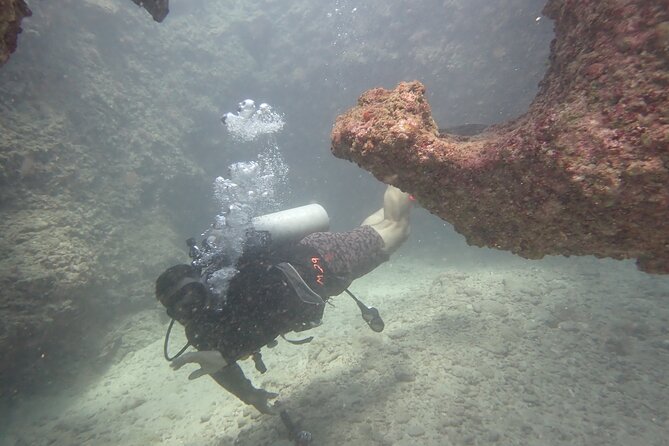
This is a 4-day course that happens over two consecutive weekends. The flow is designed so you learn, test, and then lock in the skills. If you’re the kind of person who likes repetition (most of us), you’ll appreciate how the schedule gives you a chance to absorb what you learned on the first weekend before you finish strong.
Day 1: review + confined-water skills from the beach
Day one is where the training gets real but still controlled. You’ll do review of the final exam and then confined water scuba training from the beach. This is the day to focus on comfort and muscle memory: learning how your gear works, how your breathing feels, and how to handle the basic underwater tasks without panic.
Why that matters: open water can feel like a lot when you’re brand-new. Starting with beach-based practice means you’re not trying to figure everything out at once.
Day 2: two ocean sessions
Day two is two ocean sessions. This is your first time taking the skills into a more natural environment. You’ll apply what you practiced, and your instructor will watch your control, buoyancy habits, and communication.
A simple tip: treat day two like a skills test, not a sightseeing day. If you try to do both at the same intensity, you’ll likely feel rushed.
Weekend 2, Day 3: more confined-water training
Day three completes the confined-water training portion. This is where you tighten the basics and fix the small issues you might carry from day one into day two.
That “reset” is a big part of why this format works. You’re not just hoping day two goes well; you’re building the skill base so day four feels smoother.
Day 4: final check-out sessions in the ocean
Day four finishes with the final two check-out underwater sessions. This is the last step to complete the certification. By then, you should have the fundamentals in your body and the instructor can focus on confirming you can perform the skills safely.
At the end, you’ll earn your SSI Open Water Scuba Certification, and you’ll have logged four local underwater sessions.
What you’ll do underwater (without getting overwhelmed)
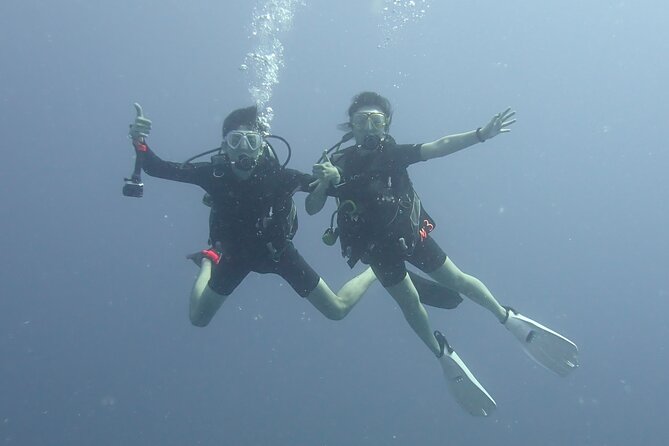
Even if you’re excited, most people feel some nerves at the start. The good news is the training is built around breaking tasks into parts and repeating them. The course centers on:
- Confined-water skill development from the beach
- Instructor-led corrections and comfort-building
- Ocean sessions to apply skills in real open water
Across the experiences shared, what stands out is that instructors consistently focus on safety and confidence. People mention breathing more easily underwater and feeling supported—especially instructors like Chandler, Anna, Hunter, and Ed. That matters because scuba is partly technical, and partly emotional. If you can stay calm, you perform better.
Also, you’re required to do digital learning before day one. That means you’re not going in cold. You’ll handle key knowledge topics before the first day of water training, which makes the in-water lessons more about putting concepts into practice.
The wildlife and reef side: what to look for in Hawaii
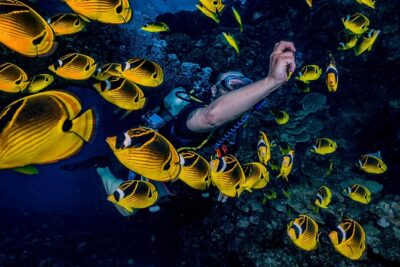
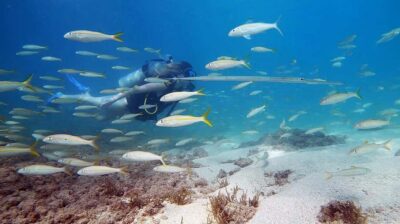
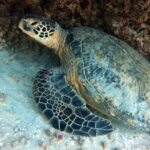
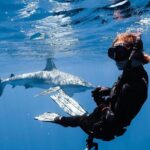
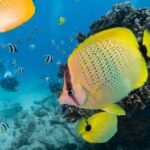
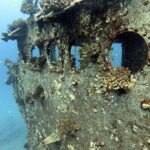
The course is about certification first, but Hawaii brings a reward layer. You’ll be exploring coral reefs, and the experience is set up to help you spot marine life like:
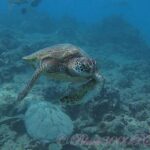
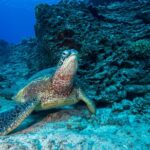
- Sea turtles
- Octopuses
- Colorful tropical fish
In one experience, sea turtles showed up on the last ocean session, and that’s exactly the kind of payoff that keeps new divers coming back. Just keep expectations practical: wildlife spotting isn’t a guarantee, and your instructor may prioritize technique over scanning the reef. Still, if you keep an eye on the environment while you perform your skills, you’ll likely catch some impressive moments.
Equipment reality: what’s included and what you must plan for
This is a common place for travel-day frustration, so I’ll make it plain.
What’s included
- Scuba equipment usage is included
What you bring or buy
You need your own:
- Mask
- snorkel
- fins
- boots
If you don’t have them, the course indicates prices start at $175. Buying locally is usually easier than trying to fly with the wrong size gear, especially boots and fins.
Quick practical thought: even if you borrow or rent gear elsewhere, try to avoid “mystery fit” items. A mask that leaks or fins that rub can ruin your focus the first day.
Group size, instructor vibe, and what safety should feel like
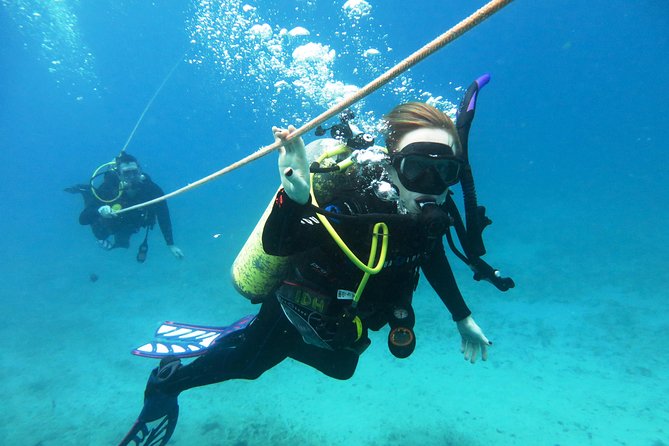
The class maximum is 8 travelers, which is small enough that you’re not just another number in a big group. In a skills course, smaller groups usually mean more direct feedback and less waiting around.
What really shows up in the experiences is the teaching tone. Multiple instructors are praised for being:
- Patient with beginners
- Thorough with explanations
- Focused on feeling safe and building confidence
That shows up in specific names people call out: Lenny’s patience, Theo’s clear basics, Nick and Jake’s supportive energy, and Anna’s careful thoroughness. Whether your instructor is your lead or an additional coach, the goal is consistent: you learn the skills and feel ready.
Now, a balanced note. One experience included complaints about equipment condition (like a torn wetsuit) and concerns about how COVID safety was handled, plus an issue described with a captain’s attitude on a boat called Skyfox. That doesn’t mean your experience will be the same, but it’s a reminder to speak up if something feels off—gear condition, safety steps, and how the day is run.
Getting there: Honolulu logistics and the 7:00 am start
This starts at 7:00 am at Honolulu Scuba Company, 670 Auahi St suite a-1, Honolulu, HI 96813. It ends back at the meeting point.
The big logistics item: private transportation isn’t included, so you’ll need to arrange your own way to get there on time. If you’re staying somewhere farther from downtown Honolulu, you’ll want to plan your morning route carefully so you’re not sprinting in gear.
Also, the tour uses a mobile ticket, so you’ll want your phone charged and ready.
Who should book this course
This is ideal for you if:
- You want the real credential: SSI Open Water
- You’re okay with a structured schedule over two weekends
- You want calm instruction and repeat practice before ocean check-outs
- You like learning skills and then rewarding yourself with reef time
It may be less ideal if:
- You can’t commit to the fixed weekends
- You dislike early mornings
- You’re not ready to handle your own transportation
- You don’t want to do the required digital learning ahead of day one
And one more reality check: you’ll complete a health questionnaire, and diving within 48 hours of flying is not recommended. If you have medical conditions like asthma or heart issues, talk to your doctor before you plan your trip.
Should you book the Open Water Scuba Certification in Honolulu?
I think you should book it if you want a straightforward, skills-first path to certification in a place where you can actually see real marine life. The structure is clear: beach-based confined practice first, then ocean sessions, then finishing strong on day four. The small group size and the repeated praise for patient instructors like Hunter, Anna, Theo, Ed, Chandler, and Jess make it especially attractive if you’re nervous about the first steps.
Before you commit, do two practical things:
- Make sure you can handle the two consecutive weekends and the 7:00 am start.
- Confirm your gear plan (mask, snorkel, fins, boots), so you’re not scrambling for fit at the last minute.
If you’re ready for a real training course and you want an SSI credential you can build on, this is a solid choice in Honolulu.
FAQ
What certification do I earn?
You’ll complete the SSI Open Water Scuba Certification through Scuba Schools International, and you’ll have logged four local underwater sessions by the end.
How does the course schedule work over the two weekends?
It runs over two consecutive weekends. Day 1 includes review and confined-water training from the beach, Day 2 includes two ocean sessions. Weekend 2 has Day 3 finishing confined-water training and Day 4 completing two final check-out ocean sessions.
Do I need to complete online learning before day one?
Yes. Digital learning is included and required to be completed before your first day of class, and you’ll need to contact the provider directly for access.
What scuba equipment is included, and what should I bring?
Scuba equipment use is included, but you need to bring your own mask, snorkel, fins, and boots. If you need to buy them, prices start at $175.
Is transportation included?
No. You’ll need your own transportation to the meeting point and back.
Is this experience refundable if I cancel?
No. The experience is non-refundable and cannot be changed for any reason.