REVIEW · OAHU
Oahu Shark Dive Educational Tour (No cage)
Book on Viator →Operated by Go Adventure Hawaii · Bookable on Viator
Sharks, minus the cage. This small-group trip heads a few miles off Oʻahu’s North Shore for guided swims with Manō (sharks) in the open ocean, then you’re back with time left to enjoy the island. I like how the team keeps things organized without making it feel like a production line, and how the day is built around the North Shore’s natural rhythm.
I’m a fan of the no-cage setup and the calm, step-by-step safety approach led by the shark expert Ricky and the crew’s water team. I also like that you’re not stuck with just a snorkel surprise, because an onboard photographer like Parker can help you get high-quality photos if you choose to purchase the add-on.
The one thing to plan for is conditions. This kind of open-water experience depends on weather and water motion, and on rough days you may feel it on the boat ride, even if the crew does everything right.
In This Review
- Key things to know before you go
- What No-Cage Shark Swimming Really Means on Oʻahu’s North Shore
- Meeting at Haleʻiwa Boat Harbor: How the Timing Works
- Open-Water Safety: The Rules That Help You Feel Calm
- Waialua Bay, Waimea Bay, and Puaʻena Point: The North Shore Route
- Waialua Bay: Wildlife vibes and the element of surprise
- Waimea Bay: Surf-country views that change with the season
- Puaʻena Point Beach Park: A mellow-feeling shoreline stop
- Offshore for Manō: What Species You Might See (and Why That’s Not Guaranteed)
- Gear, Wet Suit Comfort, and the Photo Choice
- Price and Value: Is $155 Worth It?
- Who Should Book This No-Cage Shark Swim (and Who Might Skip)
- Should You Book Go Adventure Hawaii’s No-Cage Shark Swim?
- FAQ
- Is this shark swim done without a cage?
- How long is the Oʻahu no-cage shark swim?
- What snorkeling gear is included?
- Where does the tour start and end?
- How many people are in each group?
- What happens if weather is poor?
Key things to know before you go
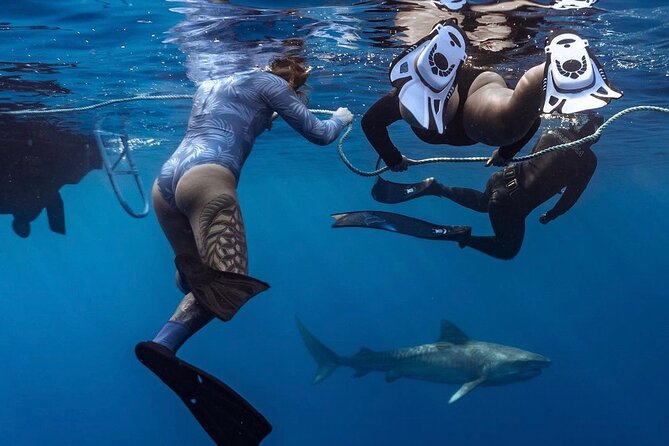
- No cage, open-ocean swim: You’ll be in the water with the sharks under close supervision.
- Small group (up to 6 people): More attention, less waiting around, easier to manage in the water.
- Snorkel gear and fins provided: You don’t have to hunt down rentals before you go.
- North Shore stops included: You’ll pass by Waialua Bay, Waimea Bay, and Puaʻena Point while cruising.
- Guides focus on shark behavior: Expect real talk about biology and how to stay safe.
- Optional photo/video package: An underwater photographer can capture your experience for a fee.
What No-Cage Shark Swimming Really Means on Oʻahu’s North Shore
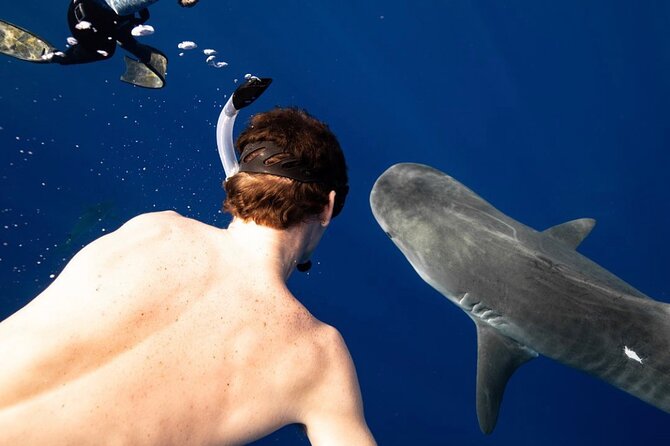
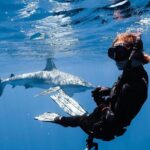
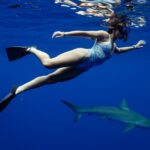
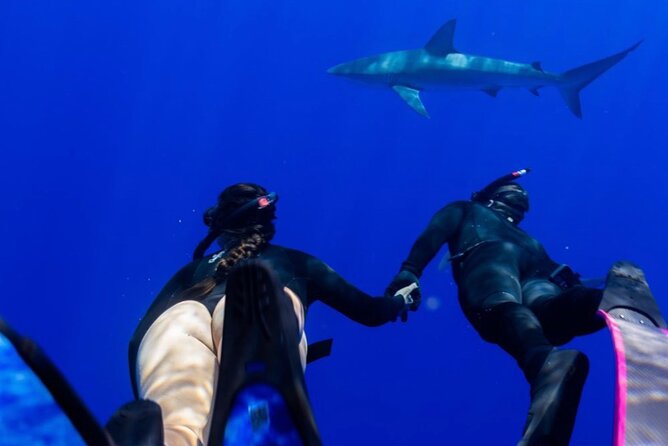
The biggest reason people book this tour is simple: you’re not looking through bars. Instead, you swim in the open ocean, guided by a professionally trained shark handler and a safety crew who stay attentive the whole time.
That changes the feel of the experience. It’s more active and more personal. You’re watching sharks in their natural space, and the team’s job is to help you act like a respectful guest in that world. The tour also aims to teach you what you’re seeing—shark behavior and basic biology—so it’s not just an adrenaline moment.
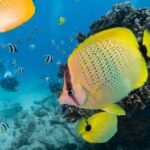
Also, the North Shore matters. This is an area where marine life shows up in real numbers. You might spot spinner dolphins, different reef fish, and even larger visitors depending on the season. The day has that “watch and adapt” energy that makes wildlife trips worth it.
You can also read our reviews of more tours and experiences in Oahu.
Meeting at Haleʻiwa Boat Harbor: How the Timing Works
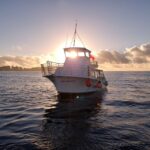
Your meeting point is Haleʻiwa Boat Harbor in Haleʻiwa. The advantage here is you’re not sent deep into the complicated parts of Oʻahu. People consistently find the departure point easily, and the experience generally feels straightforward once you’re there.
The tour runs for about 2 hours. That short, focused window is one of the best parts of the deal. You get the main event—your shark swim—then the rest of the day is yours. If you’re trying to fit in beach time, hikes, or a North Shore food stop, this structure makes it easier.
The boat ride is part of the experience. It’s also where conditions can make a difference. If you’re prone to motion discomfort, plan for it. Even with a competent captain, wind and waves can change the ride.
Open-Water Safety: The Rules That Help You Feel Calm
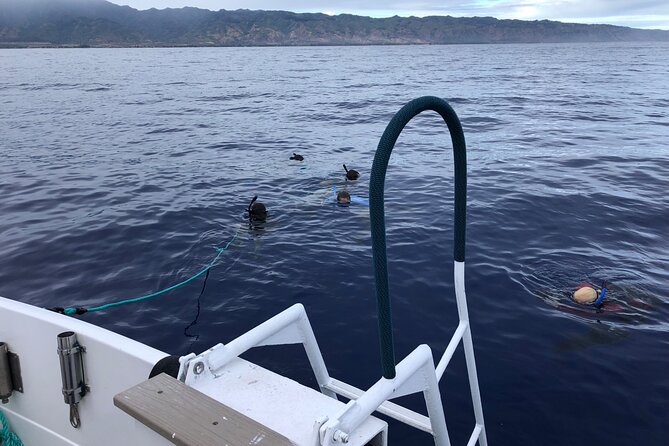
Safety here is not vague. The tour’s rhythm is built around guidance in advance, then supervision in the water while you snorkel and swim.
What I’d treat as a major plus is that the crew doesn’t just toss you in and hope. On multiple runs, people describe feeling safe because safety team members stay close and step in when a shark comes nearer. That matters because no-cage experiences require active attention from staff, not just safety gear.
The tour also gives practical instruction on:
- How to handle snorkeling safely with fins
- How to keep your body steady while you’re floating
- What to do when sharks approach
- How to follow the handler’s directions without second-guessing yourself
If you’re nervous, that’s normal. Open ocean with wildlife can feel bigger than you expect. The good news is you’re not left alone with that feeling. The crew’s job is to keep the water calm for you, too.
One more note: this is rated for moderate physical fitness. If you can confidently snorkel in open water for a stretch, you’ll likely be fine. If you hate any kind of unpredictable surf or you get winded easily in moving water, you might want a different kind of marine tour.
Waialua Bay, Waimea Bay, and Puaʻena Point: The North Shore Route
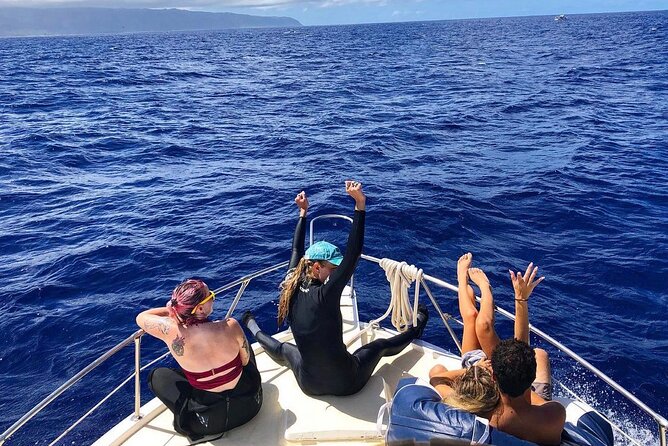
Even though the main goal is the shark swim, the route itself is part of the value. You’re cruising along the North Shore and passing three very different coastal settings.
Waialua Bay: Wildlife vibes and the element of surprise
Waialua Bay is known for lots of marine life. Depending on the day, you could see things like Hawaiian spinner dolphins, various fish, and—if the season lines up—larger whales moving through. The point is that you’re not staring at one spot waiting for one thing. The ocean can deliver extras.
The downside: wildlife sightings can never be guaranteed. That said, a well-run crew keeps searching and adjusts as conditions change, which is where the small group size helps.
Waimea Bay: Surf-country views that change with the season
Waimea Bay is famous for big winter surf. In summer, it can look much more swimmer-friendly, with calmer water that’s great for snorkeling and relaxing near shore. Either way, the cliffs and gold sand give you that dramatic North Shore feel, where the ocean looks powerful even when you’re just watching from the boat.
If you’re visiting in winter, you may see the ocean at its most intense. That’s thrilling to watch, but remember that your comfort offshore still depends on conditions.
Puaʻena Point Beach Park: A mellow-feeling shoreline stop
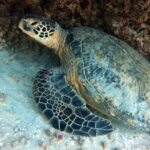
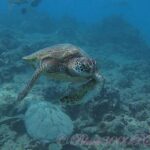
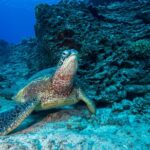
Puaʻena Point sits a bit east of Haleʻiwa and is the kind of place surf schools like because it tends to have more forgiving waves. It’s also a good sign that you’ll be in an area with natural shade and tide pool edges near shore, where you might see sea turtles resting or grazing.
Even if you don’t spend a long time on land, this kind of coastal pass adds color to your day. It’s not just “boat, shark, back.”
Offshore for Manō: What Species You Might See (and Why That’s Not Guaranteed)
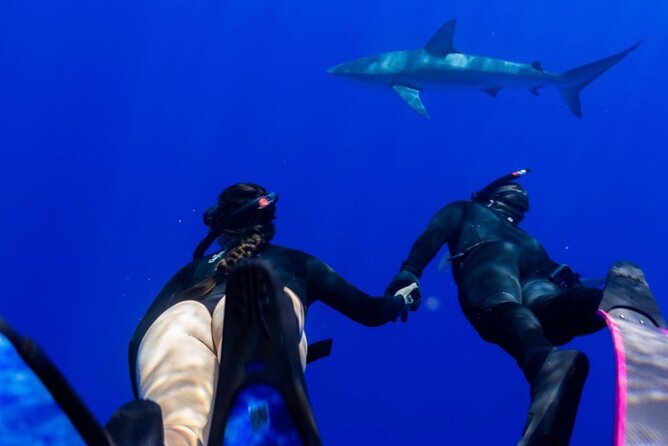
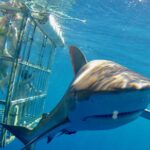
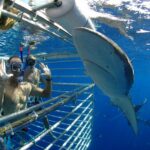
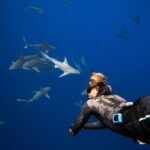
The core action happens a few miles offshore on the North Shore. The crew travels about three miles off to find Manō (sharks) in pelagic waters. In clear blue open water, you may get close encounters—close enough to feel the moment, not close enough to act like you’re hunting.
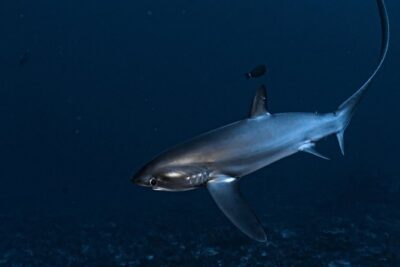
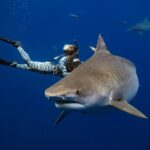
The tour notes that you might see common resident species such as Galapagos, Sandbar, and Tiger sharks, with other pelagic possibilities depending on what’s around that day.
In practical terms, this is what you should expect:
- Some days are shark-heavy and energetic.
- Other days are quieter, and the sharks may be a bit shy.
- The crew’s professionalism matters because they keep you in the water when it’s safe and when the action is happening.
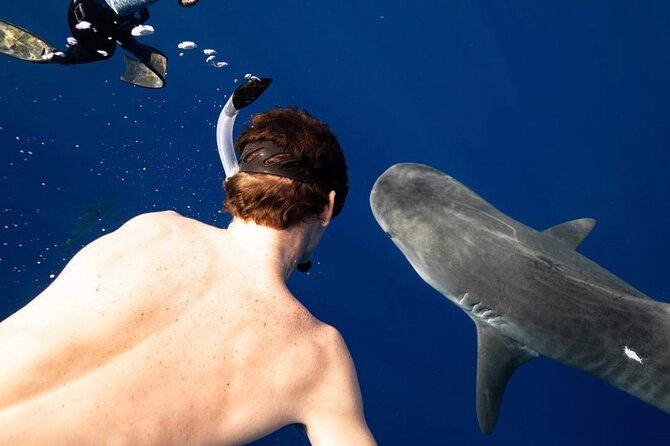
If you’ve always wanted to see a Tiger shark, this is one of the better bets on Oʻahu. And if you’re more into the calmer, curious style of sharks like Galapagos types, you’re likely to feel rewarded too. People have reported anywhere from a handful of sharks to ten or more around them during the swim window.
Gear, Wet Suit Comfort, and the Photo Choice
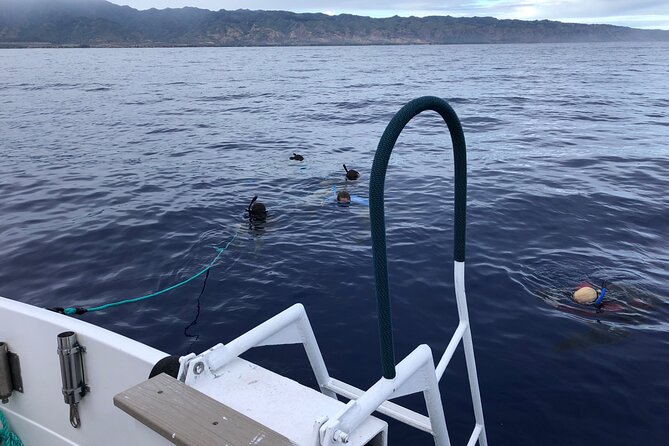
You get snorkel equipment and fins provided. That’s a big deal for value because open-ocean gear rentals can add up fast, and it’s one less thing to worry about.
Depending on the day, you may also be fitted with a wet suit. That helps if the water feels cooler than you expected, especially when you’re not moving much while floating.
About photos: an onboard underwater photographer is part of the experience, and the service is available at a fee. If you’re the kind of person who wants proof of your shark swim beyond shaky phone shots, it’s worth considering. People highlight the photographer’s patience and instructions in the water, which is exactly what you want when the subject is moving and the lighting changes.
Small tip: if you’re sensitive to foggy lenses, look for gear that uses anti-fog support. That’s included with the snorkel setup you’ll be given.
Price and Value: Is $155 Worth It?
At $155 per person for about 2 hours, the price isn’t “cheap,” but it also isn’t in the tourist trap zone. What makes it feel like value is what you get without extra scrambling:
- No cage setup (the main draw)
- Small group size up to 6
- Real safety attention in the water
- Gear provided (snorkel and fins)
- Education on shark behavior and biology
- Optional professional photo/video add-on
A cage-based version of shark tours can sometimes be less expensive, but you’re paying for a different level of closeness and a different experience vibe. Here, the goal is to be respectful and supervised, not separated behind metal bars. If that’s what you want, the $155 math works better than you might think.
One watch-out on value: optional photos mean you might pay more if you go for the full package. If you want the moment captured, budget for it. If not, you still get the experience.
Who Should Book This No-Cage Shark Swim (and Who Might Skip)
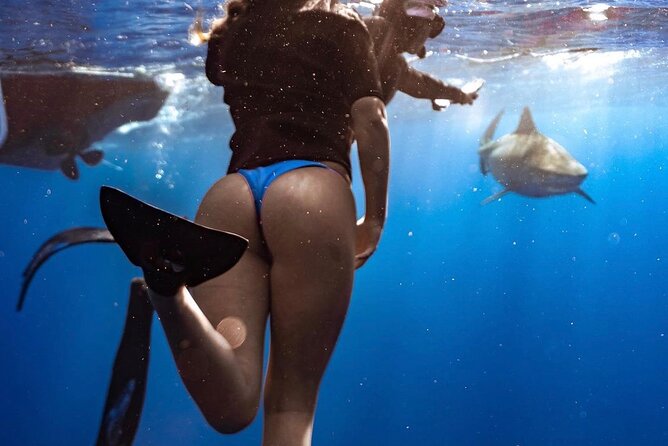
This is a strong fit if you:
- Want a wildlife encounter over a staged show
- Feel comfortable in open water while snorkeling
- Prefer smaller group attention instead of crowds
- Love learning as you watch, not just taking photos and leaving
It might be a tough fit if you:
- Get easily seasick on boats with wind and waves
- Hate any kind of open ocean feeling
- Are expecting guaranteed shark action every minute
- Are looking for a purely relaxing beach day (this is active and ocean-based)
For nervous swimmers: the crew’s style is designed to help you ease in. People consistently describe calm, close guidance and a strong focus on feeling safe.
Should You Book Go Adventure Hawaii’s No-Cage Shark Swim?
If your bucket list item is sharks without the cage, I think you should book this. The small group limit, the provided gear, and the safety-first approach are the reasons it’s not just a thrill ride—it’s a controlled wildlife experience.
Book it sooner rather than later if you can. It tends to sell with decent lead time, and early planning gives you better chances of picking a time window that matches your comfort level with ocean conditions.
Go into it with the right mindset: you’re sharing space with wildlife. You don’t control where sharks swim, but you can control how prepared you are. Bring a calm attitude, follow the handler’s instructions, and you’ll get the best shot at that open-ocean magic.
FAQ
Is this shark swim done without a cage?
Yes. The experience is specifically described as swimming with sharks without being in a cage.
How long is the Oʻahu no-cage shark swim?
The tour is about 2 hours.
What snorkeling gear is included?
The tour provides snorkel equipment and fins.
Where does the tour start and end?
You meet at Haleʻiwa Boat Harbor, Haleʻiwa, HI 96712, and the activity ends back at the meeting point.
How many people are in each group?
The tour has a maximum of 6 travelers.
What happens if weather is poor?
This experience requires good weather. If it’s canceled due to poor weather, you’ll be offered a different date or a full refund.