REVIEW · KUTA
Day Trip Discover Scuba dive in Nusa Penida 2 dives (From Sanur – South Bali)
Book on Viator →Operated by Bali Diving Academy · Bookable on Viator
Mantas and scuba in one long day. This program hits two things I love: a small-group setup with tight safety focus, and the chance to see manta rays around sites like Manta Point. The other big plus is guidance from pros such as Fabio and Mark Cornell, who help you understand what you’re actually seeing underwater. One drawback to plan for is that sightings are not guaranteed, and rougher sea conditions can change where you go.
You start on land with a controlled pool skills session (recommended the day before, or early the morning of), then move to open water for two underwater sessions. The whole experience is built to take you from zero to comfortable enough to enjoy the reef without feeling rushed or over their head.
If you want a calm, social first scuba day with transfers and equipment handled, this is a strong fit. If your schedule is extremely tight, keep in mind the day depends on weather and water conditions.
In This Review
- Key things that make this day trip work
- Nusa Penida’s “first day” sweet spot: Sanur to Lembongan to the open water
- Pricing and what $195 really includes (and what it doesn’t)
- Your day schedule, hour by hour: what happens between 8:00am and your hotel drop-off
- 1) Morning pickup, then a fast boat from Sanur
- 2) Arrive on the Lembongan side, check in, then skills practice
- 3) One hour on the surface break with tea/coffee and lunch
- 4) Second open-water underwater session
- 5) Return to the shop, then back to Sanur
- Pool training in Sanur (or early that morning): why this matters for comfort
- Ocean underwater sessions: what you can realistically hope to see
- Manta rays
- Mola molas
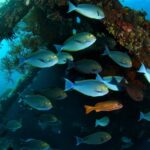
- Corals, turtles, and fish life
- Instructors and safety: the difference between “we’ll watch you” and real guidance
- Transfers, timing, and comfort tips that actually help
- Weather dependence: why your “best day for mantas” can still change
- Who should book this program (and who should think twice)
- Should you book Bali Diving Academy for your first scuba day in Nusa Penida?
- FAQ
- How long is the Nusa Penida beginner scuba day trip?
- Where do you depart from, and how do you get there?
- What time does the day start?
- Is this for beginners?
- Do I have to do a pool skills session first?
- Can I do the pool session in Sanur the day before?
- How many ocean underwater sessions are included?
- Will we definitely see manta rays at Manta Point?
- Does the schedule change with sea conditions?
- What’s the cancellation refund window?
Key things that make this day trip work
- Max 8 people keeps the experience from feeling like a cattle call
- Certified, insured instructors with a stated 100% safety track record
- Pool practice first, either in Sanur the day before or as early as 7am
- Two ocean underwater sessions after training, plus a long surface break for food and tea/coffee
- Manta Point is regular, but not promised due to weather and scheduling
- July–October seasonality can bring Mola molas (not guaranteed, but more likely then)
Nusa Penida’s “first day” sweet spot: Sanur to Lembongan to the open water
Nusa Penida is famous for big-ticket marine life, especially during July to October when Mola molas become a realistic possibility. If you’re planning a first scuba experience, that timing can make the day feel extra special because the ocean is at its best for unusual sightings.
What I like here is the way the program uses the region’s setup. You’re not stuck doing everything from scratch in a chaotic way. You’re based around Sanur for the fast-boat ride, then you build skills on a more controlled surface before going out where the water is more demanding. That matters if you’re new, even if you’re fit and not nervous.
You’re also in the right zone for manta rays. Manta Point gets a lot of attention for manta rays, and the operation says they visit regularly. Still, you should treat mantas as a “hope for it” item, not a promise. Day-to-day conditions and what the crew can safely run will decide what you actually get to see.
You can also read our reviews of more tours and experiences in Kuta.
Pricing and what $195 really includes (and what it doesn’t)
At $195 per person, the value is less about the cost number and more about how many moving parts are handled for you. You’re paying for:
- Hotel pickup and drop-off
- A fast boat transfer (sharing boat) between Sanur and the Lembongan side
- Two open-water underwater sessions, following skills practice
- A one-hour surface interval with tea/coffee and a choice of lunch
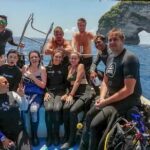
- Small-group instruction with professional guidance
That’s a lot bundled into one day. If you tried to piece it together yourself—getting transport, managing gear, hiring instructors, and building in time for skills practice—it usually turns into more effort than it’s worth.
What’s not clearly stated is any add-on cost beyond the price listed. So if you want to avoid surprises, I’d ask the operator what’s included in equipment and instruction when you book, and whether lunch is fully covered (the schedule indicates it is).
Also note the group size cap: up to 8 travelers. Fewer people generally means more personal attention, especially on a first day.
Your day schedule, hour by hour: what happens between 8:00am and your hotel drop-off
This is a full-day outing—about 8 hours—with a very clear flow. The start time is set for 8:00am, but pickup time depends on the agreed schedule with your hotel.
1) Morning pickup, then a fast boat from Sanur
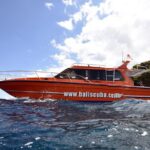
You’ll get picked up from your hotel, then head toward Sanur harbor. The fast boat departs around 9:15am, and it’s a sharing boat. That means you might wait a bit for the boat to fill, depending on the day and where other participants are coming from.
2) Arrive on the Lembongan side, check in, then skills practice
Around 10:00am you reach the island area and check in at their local dive operation. This is also where the day can adjust based on sea conditions.
If conditions allow and you’re keeping to the smoothest plan, you’ll either:
- do a pool skills session, or
- go straight to open water for the first underwater session
Since this experience is for beginners, the pool session is the safer-feeling starting point. The operator also suggests doing the pool session in Sanur the day before, but you can do it very early on the day itself (as early as 7:00am).
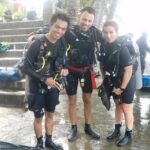
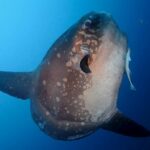
3) One hour on the surface break with tea/coffee and lunch
After the first underwater session, you get about 1 hour surface interval. They provide tea and coffee, plus lunch with a choice. This break is not just comfort—it’s where your body resets. New scuba students often underestimate how much effort their first hour in the water can take.
If you’re prone to getting cold in the afternoon, it’s worth wearing something warm between sessions. You want to be comfortable enough to focus, not shivering through the wait.
4) Second open-water underwater session
The second underwater session is done by boat. Expect the crew to make site decisions based on day conditions and where they can safely run the program. This is also where manta rays can happen if the conditions and scheduling line up.
5) Return to the shop, then back to Sanur
You’re back to the operation around 3:00–3:30pm. Then the fast boat leaves Lembongan at about 4:15pm, arriving Sanur harbor around 4:45–5:00pm. Finally, you’ll be dropped back at your hotel.
So yes, it’s a long day. But it’s also efficient: you get two underwater sessions, not just one.
Pool training in Sanur (or early that morning): why this matters for comfort
For a beginner, the pool skills session is the real confidence builder. You learn the basic movements and how your gear behaves before you’re dealing with currents, waves, and visibility swings.
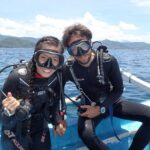
This program is explicit that it’s designed for people starting from zero. You don’t need prior skill. An experienced instructor helps you through the basics, and you’re guided by professionals familiar with local reefs and marine habitats.
Here’s how I’d think about it as a first-timer: you’re not just learning hand signals and breathing. You’re learning how to slow down underwater. Most new students relax once they realize they don’t have to rush. The pool time helps you feel in control before the ocean does what the ocean does.
If you do the pool session the day before in Sanur, you’ll likely start the main day calmer. If you can’t, the early 7:00am option still gives you that training runway before the longer fast-boat day kicks in.
Ocean underwater sessions: what you can realistically hope to see
This area shines for manta rays and, in the right months, Mola molas. The operation notes that they visit Manta Point regularly, but they can’t guarantee it every day. That’s honest, and it’s also the way this region works: weather and sea conditions control what’s safe and what’s practical.
Manta rays
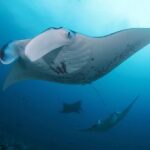
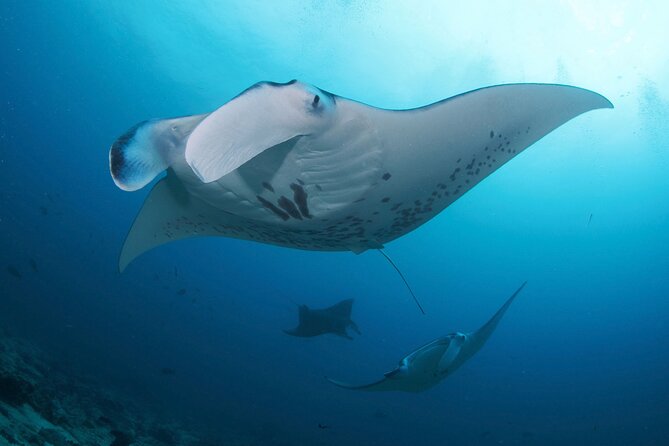
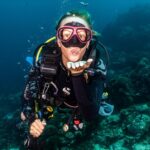
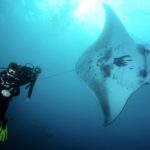
Manta rays are the star for many first-time scuba students, and the program specifically calls out Manta Point as a regular stop. From real-world experiences with this operator, manta sightings are often described as impressive, with lots of fish life around the sites.
Still, treat mantas as a probability—not a booking requirement. If you don’t see them, you should aim to enjoy the rest of what’s on offer: corals, schools of fish, and the feeling of moving through a reef environment with an instructor.
Mola molas
Mola molas are most associated with July–October. The operator frames this as seasonal. If you’re visiting outside that window, you might still see interesting large marine life, but your most realistic expectation for Mola molas is tied to that seasonal period.
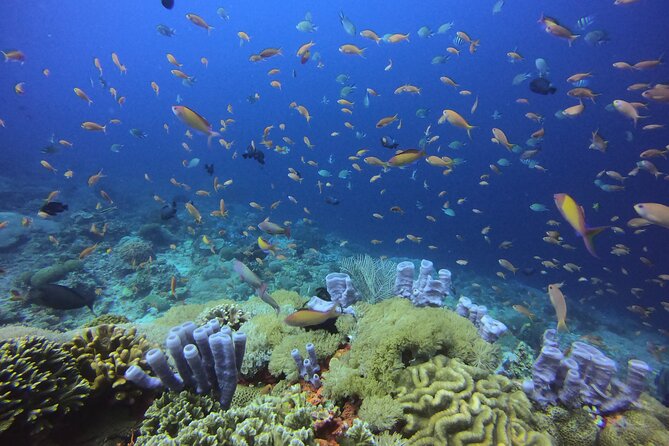
Corals, turtles, and fish life
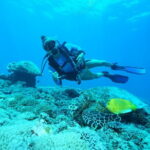
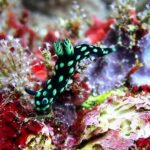
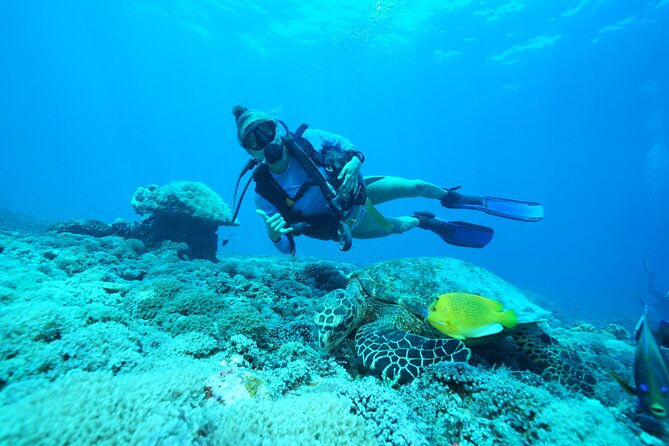
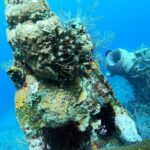
While big sightings get the headlines, the day is also about reef life. In guidance-focused experiences with this team, students have been pointed out to specific sea creatures and corals. That’s a big deal because it turns a random swim into something you can actually understand and remember.
Instructors and safety: the difference between “we’ll watch you” and real guidance
This operation emphasizes safety and professional leadership. They say they have a 100% safety track record, and that you’ll always be guided by certified, insured instructors who know reefs and local habitats.
In practice, the best sign is whether the guide helps you connect what you’re seeing to what you’re doing. Names that come up include Fabio and Mark Cornell. Both are associated with clear explanation and attentive guidance—especially helpful for first-timers who need reassurance and simple explanations in the moment.
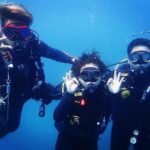
Small-group size matters here too. With a max of 8 travelers, you’re less likely to get lost in a shuffle. It also helps instructors manage pace, equalization questions, buoyancy concerns, and basic comfort checks.
If you’re bringing kids, note this program isn’t limited to adults. You’ll find that the team shows patience and structure. That doesn’t mean it’s a free-for-all—it means the instruction style can handle mixed ages when conditions allow.
Transfers, timing, and comfort tips that actually help
Fast boats are a plus for saving time. They can also mean you’re dealing with motion and wind. If you get seasick easily, plan to manage that in advance (I’d rather you handle it early than hope for the best).
A few practical ideas that fit this schedule:
- Wear something quick-dry under your gear.
- Bring a light warm layer for between sessions.
- Pack sunglasses and a simple way to protect your phone if you’re bringing it along (fast boats and sea spray happen).
- Eat breakfast before pickup, but don’t go so heavy that your stomach fights you on the ride.
You’ll have lunch in the long surface interval, and you’ll get tea/coffee there. So you don’t need to scramble for food mid-day. But you do want a comfortable stomach for the boat ride and the first underwater session.
Weather dependence: why your “best day for mantas” can still change
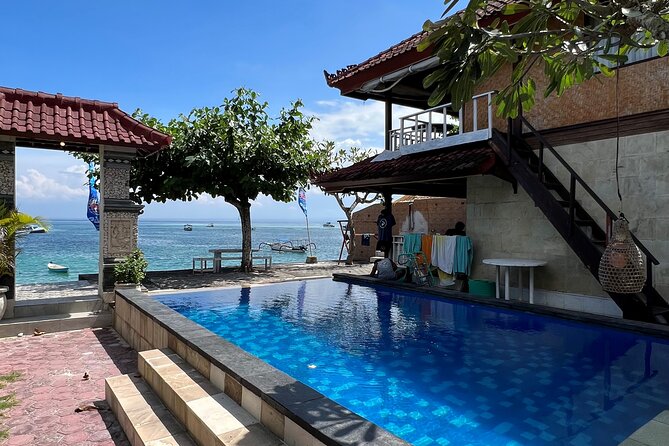
This experience requires good weather. If conditions are poor, they may cancel and offer a different date or a full refund. Also, even when it runs, sea conditions can determine whether you start with a pool skills session or go straight into the first open-water session.
That matters because it changes your mental setup. If you planned for pool time and the day switches, don’t take it as a bad sign. It usually means the crew is adapting for safety and timing. The key is that you stay flexible and follow instructor directions.
So if mantas are your top obsession, aim for this trip as a priority—but also keep your expectations realistic. In this part of Indonesia, even the best operation can’t control the ocean.
Who should book this program (and who should think twice)
This is a great fit if you:
- want a beginner-ready scuba experience with professional supervision
- like the idea of two underwater sessions in one day
- are traveling with a small group or want a more personal experience than big tours
- want manta ray odds around Manta Point, with seasonal chances for Mola molas in July–October
You might think twice if:
- you can’t be flexible about weather and site selection
- you’re very time-constrained (it’s a full-day schedule with boat travel)
- you expect certainty about manta sightings (the operator can’t guarantee sites daily)
Should you book Bali Diving Academy for your first scuba day in Nusa Penida?
If you want a structured beginner experience with safety as a core value, I think this is a solid choice. The best part is how the day is designed: training first, then two ocean sessions, with a real break and food built in. Add in small-group limits and the fact that instructors like Fabio and Mark Cornell are associated with clear teaching and attentive care, and you get a trip that feels more like learning than just checking a box.
Book it when you can give the ocean what it needs—good weather, a calm attitude, and willingness to adjust sites. If you’re traveling during July–October, your odds for Mola molas and the overall “wow” factor are stronger.
If you want absolute certainty about specific sites like Manta Point, you’ll need to accept that it can change day to day. But if you’re ready to chase the experience itself—reef life, manta chances, and proper beginner support—this is a very good way to do it from Sanur.
FAQ
How long is the Nusa Penida beginner scuba day trip?
It runs about 8 hours.
Where do you depart from, and how do you get there?
You’re picked up from your hotel, then you take a fast boat from Sanur to Lembongan.
What time does the day start?
Pickup is based on your agreed schedule, with the experience starting at 8:00am.
Is this for beginners?
Yes. It’s designed for people without prior scuba skill.
Do I have to do a pool skills session first?
A pool session is part of the plan. The schedule may also start directly at the ocean depending on sea conditions.
Can I do the pool session in Sanur the day before?
Yes, it’s suggested to do the pool session in Sanur the day before. It’s also possible very early on the same day (7am).
How many ocean underwater sessions are included?
You get two ocean underwater sessions as part of the program.
Will we definitely see manta rays at Manta Point?
No. Manta Point is visited regularly, but it’s not guaranteed and depends on daily weather and scheduling.
Does the schedule change with sea conditions?
Yes. Good weather is required, and sea conditions can affect whether the first session is a pool session or goes straight to the ocean.
What’s the cancellation refund window?
You can cancel for a full refund up to 24 hours before the experience start time. If it’s canceled due to poor weather, you’ll be offered a different date or a full refund.